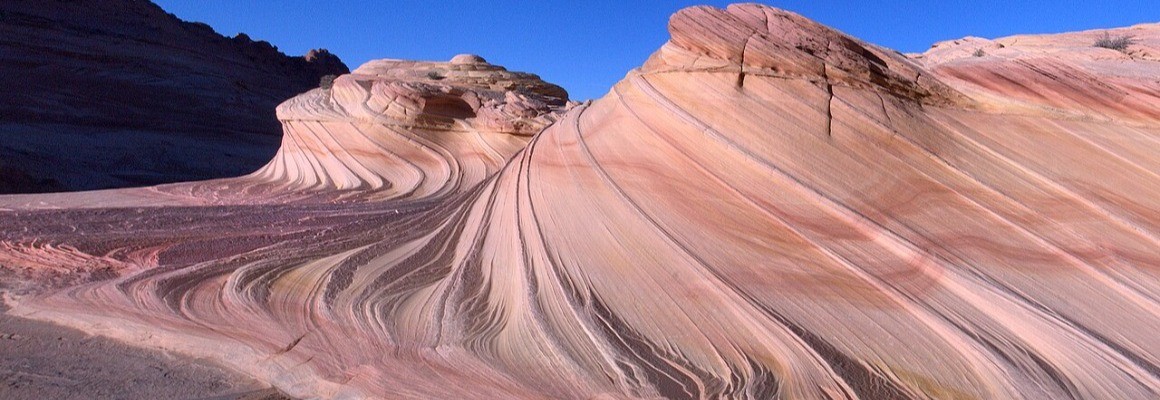
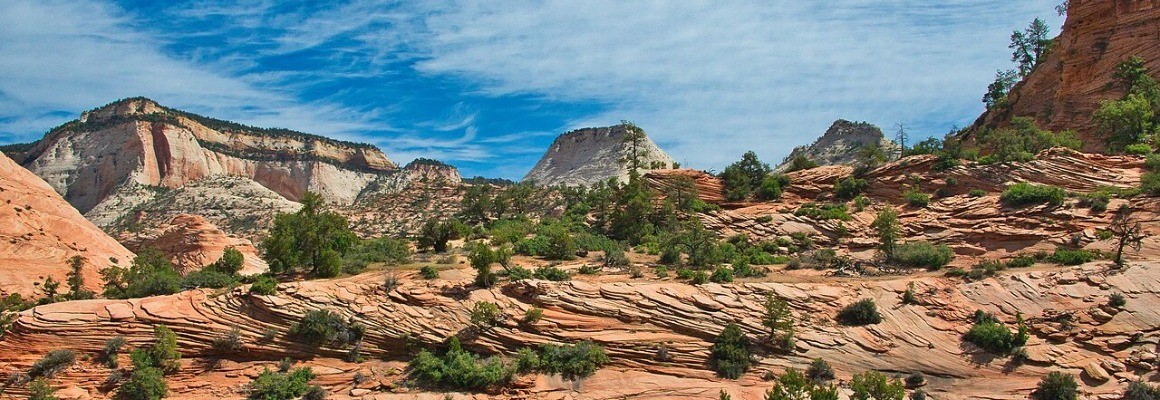
Bryce Canyon National Park is located in southern Utah, on the eastern edge of the Paunsaugunt Plateau. It is famous for unusual rock formations in shades of red, orange, pink, and white that rise above deep natural amphitheaters. The park's defining feature is its hoodoos: tall, narrow stone spires shaped over centuries by water, ice, and wind. Despite its name, Bryce Canyon is not a single deep canyon but a series of enormous bowl-shaped depressions.
History of the National Park
Long before European settlers arrived, Indigenous peoples of North America, including the Paiute, lived and traveled in the Bryce Canyon region. Their traditions explain the unusual stone figures through stories of people transformed into rocks. European explorers and settlers began arriving in the nineteenth century. The area takes its name from Ebenezer Bryce, a Mormon settler who lived nearby in the late 1800s. In 1923, the area became a national monument, and on September 15, 1928, it was officially established as a national park. Today, Bryce Canyon covers approximately 145 square kilometers.
The Unique Hoodoo Formations
Hoodoos are the signature feature of Bryce Canyon. These unusual pillars and towers formed from sedimentary rocks, including limestone, siltstone, and mudstone. Over millions of years, ancient sediments hardened into rock, while the subsequent uplift of the plateau and erosion created the modern landscape. Water enters cracks, freezes, and expands, gradually breaking the rock apart. Rain also dissolves certain minerals and washes away softer layers. The result is a landscape of walls, arches, windows, and isolated spires colored by mineral compounds.
The Bryce Amphitheater
The park's best-known area is the Bryce Amphitheater, a vast natural bowl filled with thousands of hoodoos. The rocks are particularly striking at sunrise and sunset, when sunlight shifts their colors from pale pink to deep red and gold. Sunrise Point, Sunset Point, Inspiration Point, and Bryce Point are excellent places to view the amphitheater. Their panoramas reveal rocky labyrinths, narrow passages, and rows of stone towers stretching into the distance.
Main Attractions
Sunrise Point is one of the best places to watch the first rays of sunlight illuminate the hoodoos. Sunset Point offers a close view of the famous formations in the central amphitheater. Inspiration Point overlooks dense clusters of stone spires, while Bryce Point is considered one of the park's most impressive panoramic viewpoints. In the south, a scenic road leads to Rainbow Point, at an elevation of about 2,778 meters above sea level. Additional viewpoints along the way reveal the variety of landscapes across the plateau.
Hiking Trails
The best way to appreciate the scale of Bryce Canyon is to descend from the plateau rim and walk among the hoodoos. The popular Navajo Loop Trail leads into the amphitheater through narrow passages and towering rock walls. The Queen's Garden Trail passes unusual stone figures, some of which resemble towers and statues. These trails are often combined into a loop that allows visitors to explore different parts of the canyon in a single outing. Longer hikes are available in the Fairyland area and other remote parts of the park. Before setting out, check trail conditions and the weather, as some sections can be icy in winter.
Plants and Wildlife
Although the surrounding landscape is dry, the plateau's elevation supports a variety of natural communities. The park contains ponderosa pine forests, areas of juniper and pinyon pine, and spruce and fir trees at higher elevations. Mule deer, squirrels, hares, and other small mammals can be seen in open meadows and forests. Many bird species live here, including birds of prey. Plant and animal communities vary with elevation, temperature, and water availability, so even a short drive through the park can reveal several different habitats.
Seasons and Climate
Bryce Canyon sits at a high elevation, so its climate is noticeably cooler than that of Utah's lower desert regions. Summer daytime temperatures are generally suitable for hiking, although the sun can be intense and thunderstorms can develop quickly. Spring and autumn bring changeable weather and cold nights. In winter, snow covers the park and contrasts with the reddish rocks, creating striking scenery. Freezing and thawing play an important role in the formation of hoodoos, so seasonal temperature changes continue to reshape the rock formations.
Night Skies and Stargazing
Because it is far from major cities and has limited artificial lighting, Bryce Canyon is considered an excellent place for stargazing. On clear nights, visitors can see the Milky Way, countless stars, and bright planets. The park sometimes hosts astronomy events and ranger-led programs. Temperatures can drop quickly after dark, even in summer, so visitors should bring warm clothing and a flashlight with a gentle beam.
When to Visit Bryce Canyon
The most popular visiting period runs from late spring to early autumn, when many trails are accessible for hiking. Summer attracts the largest crowds, and viewpoints and parking areas can become busy. Spring and autumn often provide comfortable walking conditions with a quieter atmosphere. The park is especially beautiful under snow in winter, but some trails become slippery and road conditions can change rapidly. Before traveling, check current trail access information and bring water, sun protection, and clothing suited to the forecast.
Nature Conservation
The rock formations of Bryce Canyon continue to erode under natural forces, and its ecosystems are sensitive to human disturbance. Visitors should stay on marked trails, avoid climbing fragile hoodoos, leave no rubbish, and refrain from disturbing wildlife. Rocks, plants, and archaeological objects must remain where they are found. Following these rules helps preserve the park's distinctive landscape for future generations.
Gallery