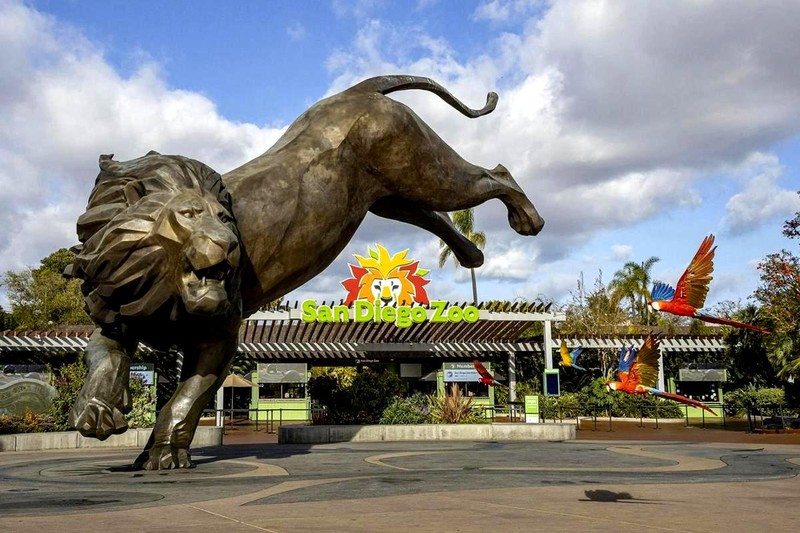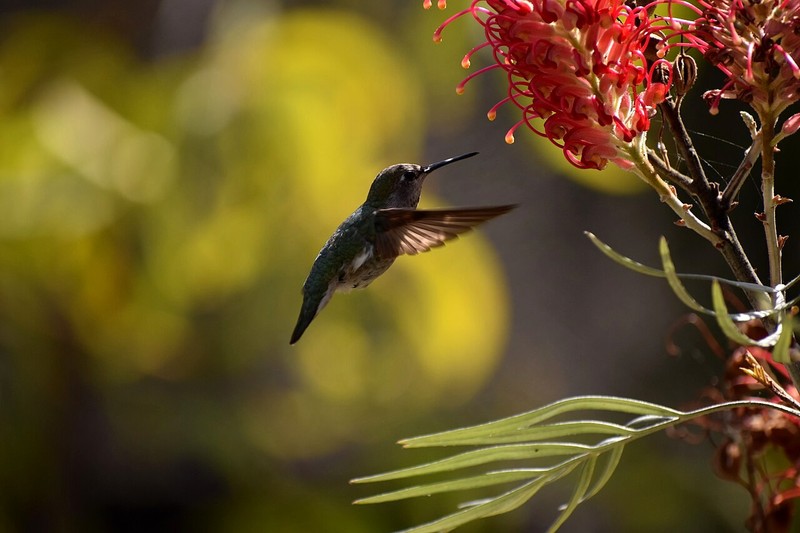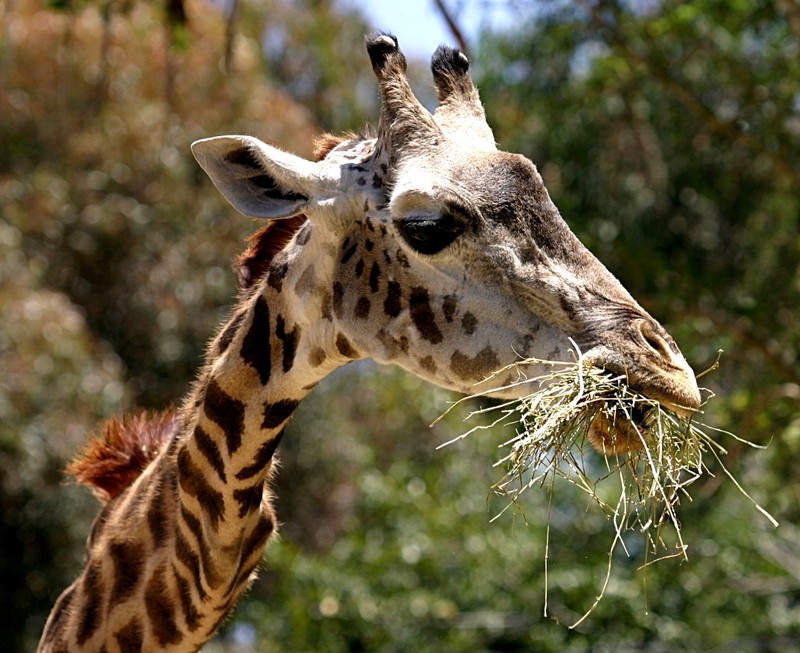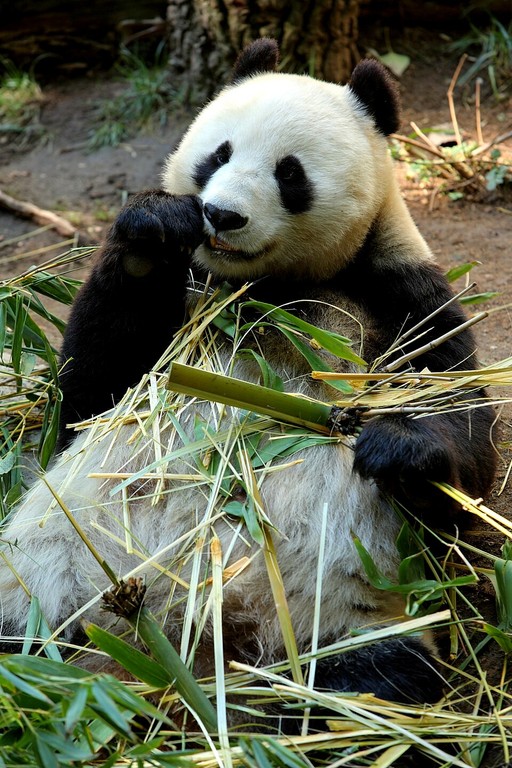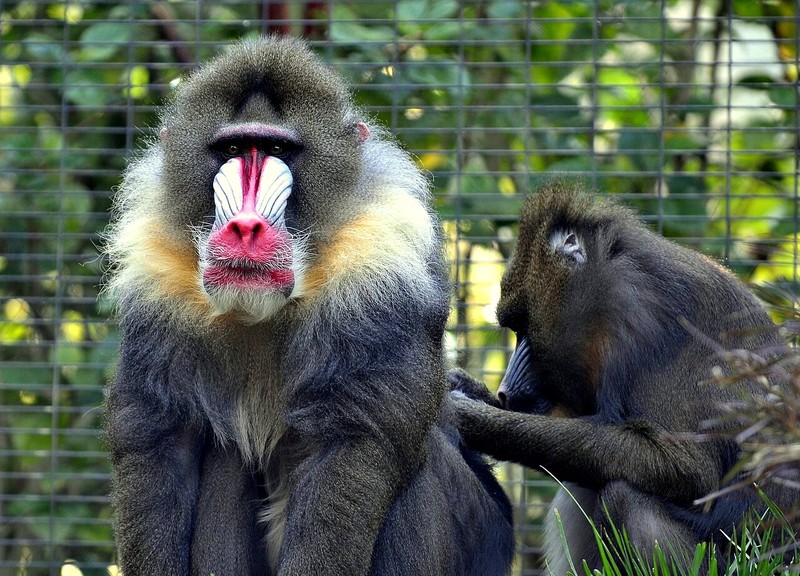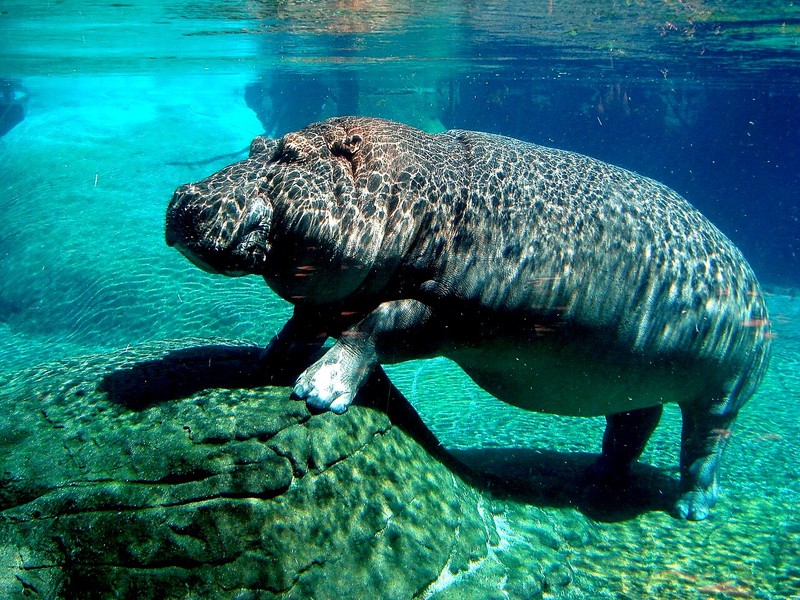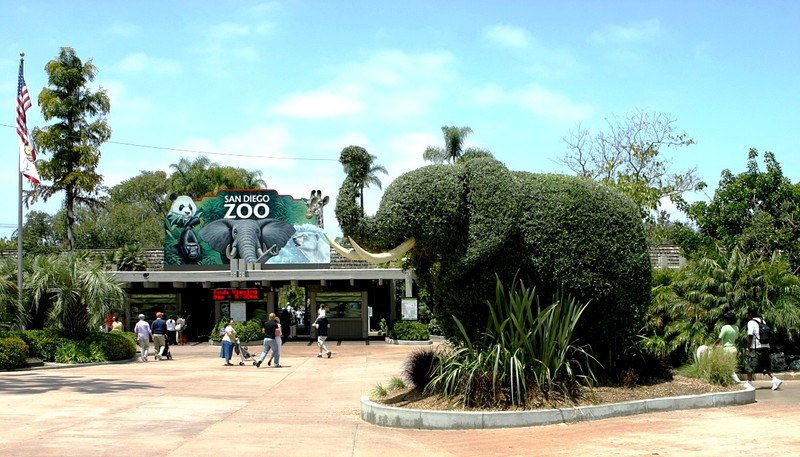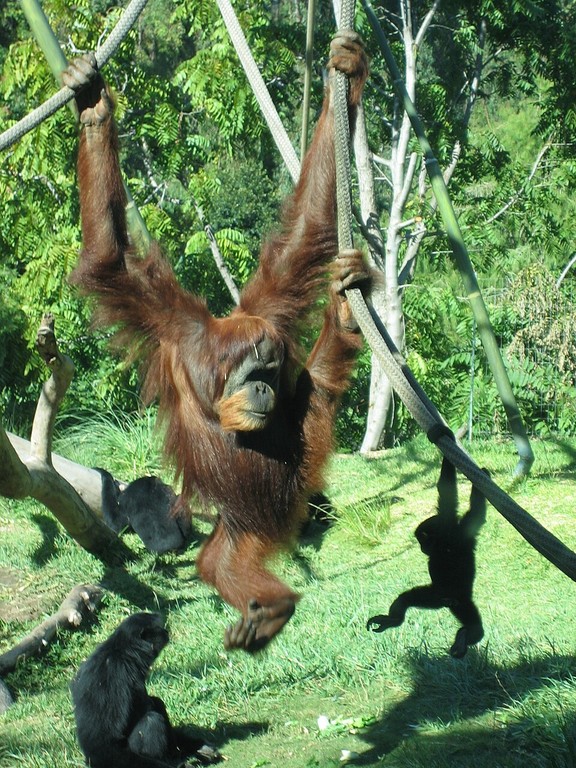

The San Diego Zoo is considered the most visited zoological park in the entire United States. It has become home to more than 3,700 animals, almost 700 different species and subspecies. Visitors can observe them in conditions resembling their natural habitat. It is recommended to allocate 3-4 hours of free time to have time to watch everything.
History
The park was founded in 1916 by participants of the exhibition of exotic animals, which was held in 1915. It was a success, but after it ended, many owners did not return for their pets. A meeting was held, and the authorities decided that the animals should be preserved in San Diego. Dr. Harry M. Wedgefort founded the zoological community, which proposed the creation of a zoological park.
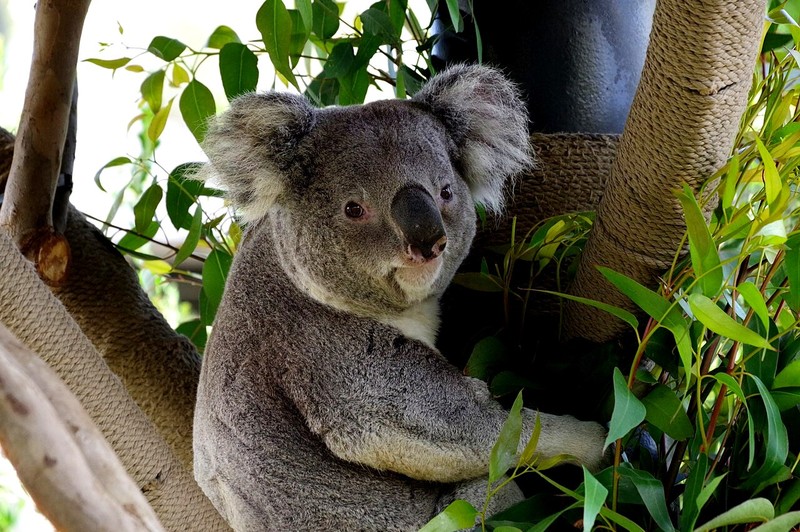
The institution became one of the first organizations that advocated that animals should be kept in conditions close to nature. Thus, the concept against the use of cages was approved, preference was given to open-air enclosures. 40 hectares of land in Balboa Park were allocated for the project. The construction of the San Diego Zoo has begun, which has exceeded all expectations. In 1925, Australia handed over koalas to San Diego, which were first brought to America, and this event was reported in the media around the world. By 1999, the zoo had become one of the few parks where large pandas breed. In 2013, a Coalafornia was founded here, where marsupials living in Australia live.
Description
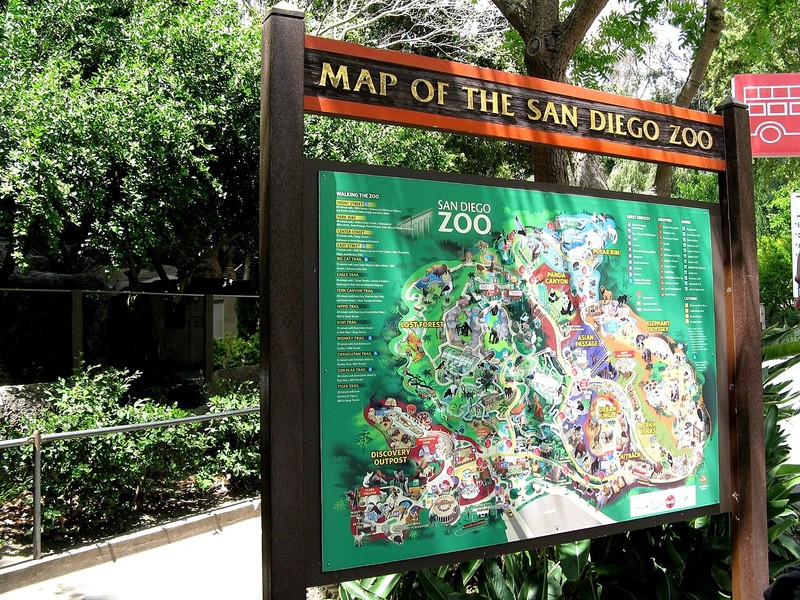
Approximately 4 million people from different countries come to the San Diego Zoo every year. Until the 1960s, admission was free for up to 16 years old, now it is free only for up to 3 years old, children under 11 years old receive a discount. The park is divided into themed areas:
- The Lost Forest has gathered lemurs, monkeys, naked mole rats and exotic birds.
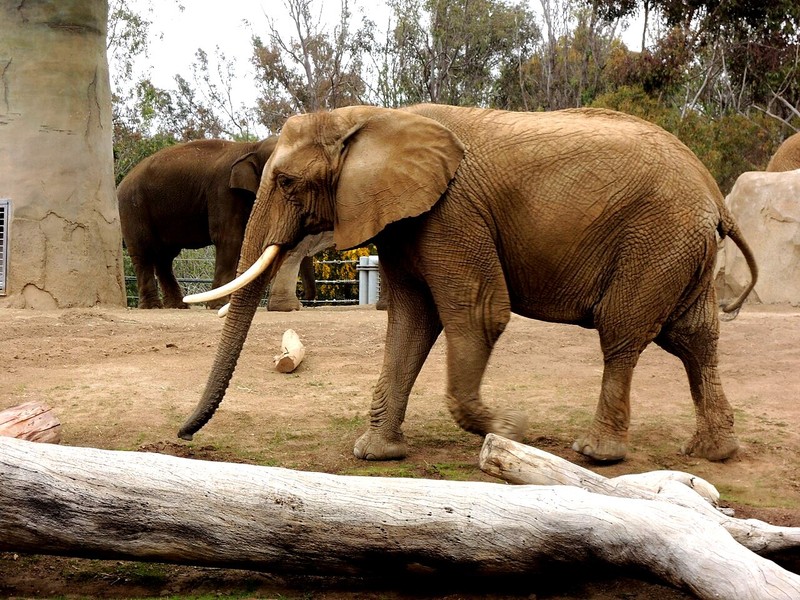
- The "African Savanna" is home to giraffes, elephants, capybaras, eagles and other predators.
- The Panda Track is inhabited by several species of pandas, including giant ones, which have appeared in the park since 2013.
- In "Koalafornia" you can find not only koalas, but also wombats, wallabies, Tasmanian devils, kookaburras.
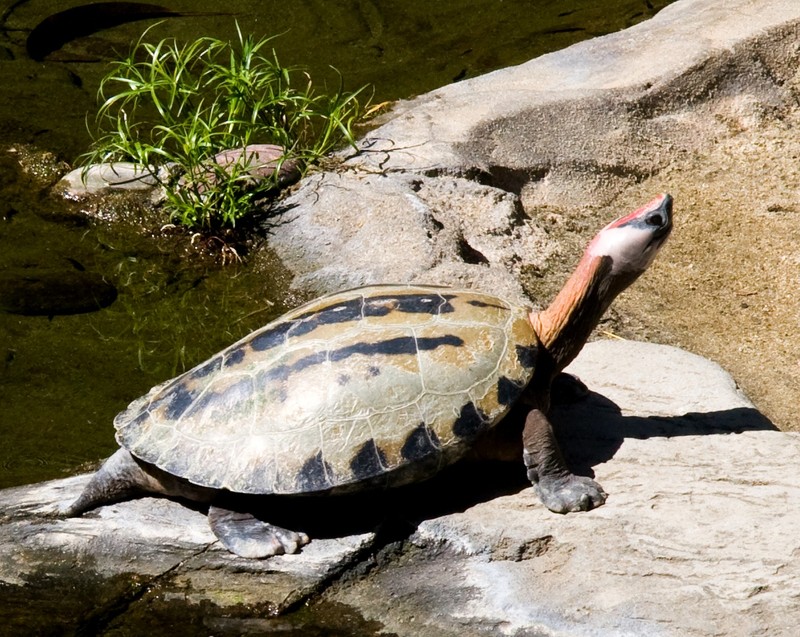
- The Condor Ridge is represented by aplomado falcons, bald eagles, ocelots, California condors, desert bighorn sheep, and desert turtles.
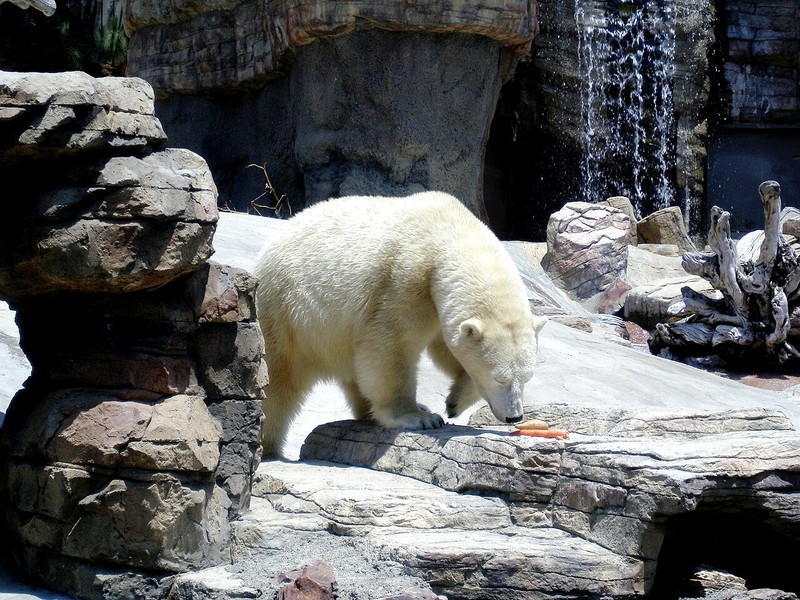
- Penguins, polar bears and polar foxes live in the Arctic.
Features
The main concept of the San Diego Zoo is considered to be the maximum proximity to the natural environment. The zoo Institute collects and processes information about animals, their care, diseases, and treatment. High school students can become volunteers, and after completing their training, they can tell guests about animals and plants. By the way, the botanical collection includes 700,000 exotic plants, among which are bamboo, used for feeding pandas, and almost 20 varieties of eucalyptus, which koalas need.
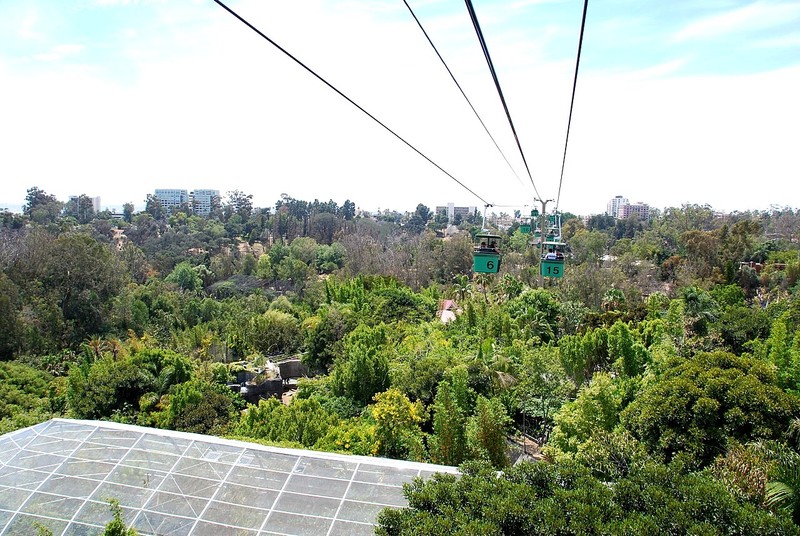
The staff of the San Diego Zoo made a 35-minute sightseeing tour on a 2-story bus, which affects most of the complex. You can also take a cable car ride, enjoying the views of the zoo and Balboa Park, where it is located. In addition to watching animals, shows, interactive events, meetings with trainers are organized, you can watch a movie in a 4D cinema, playgrounds are open for children.
How to get
Buses Rapid 215 and No7 stop near the entrance to the San Diego Zoo, you can take the tram on the blue or orange line, the nearest station is City College. Next, take bus No7, which will take you to the zoo gates. You can arrive by taxi or rented car. Free parking is available for visitors.
Gallery