Monument Valley is one of the most recognizable landscapes of the American West. Towering red-brown sandstone formations, flat-topped mesas and isolated rock towers rise above a vast desert plain. Located along the Arizona–Utah border on Navajo Nation land, the valley is known worldwide through photography and Western films.
The landscape of Monument Valley
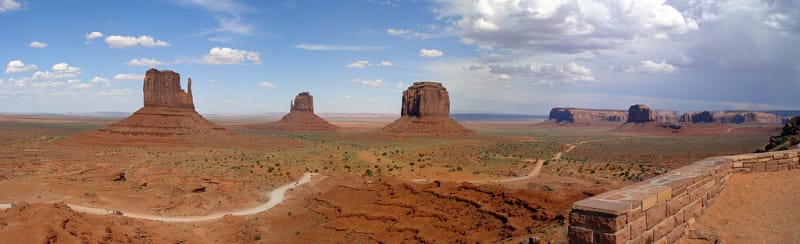
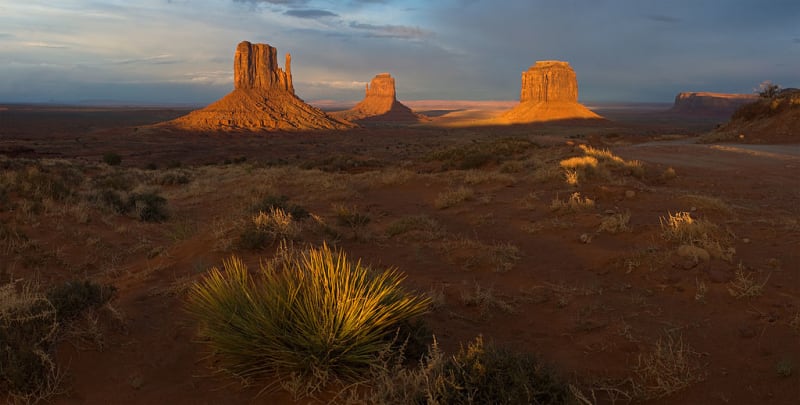
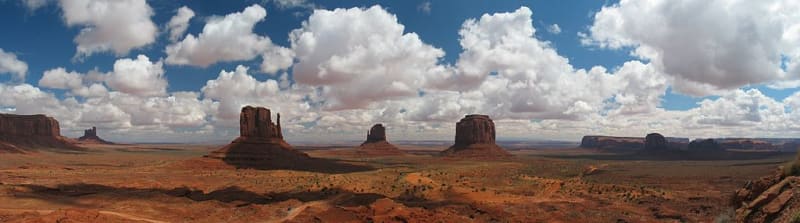
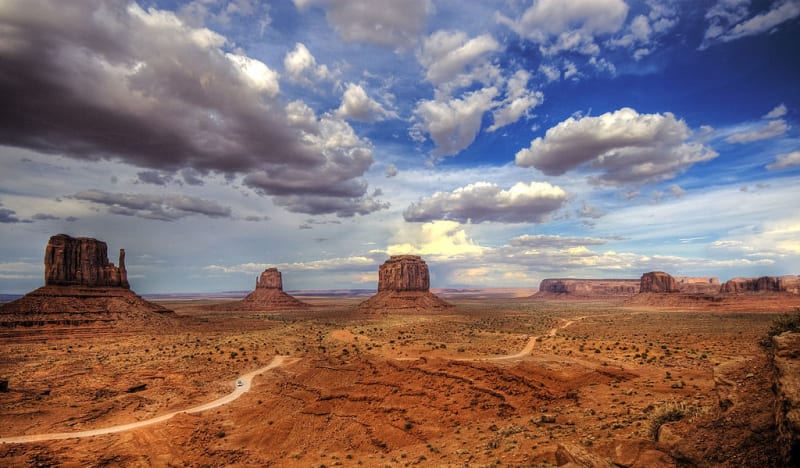
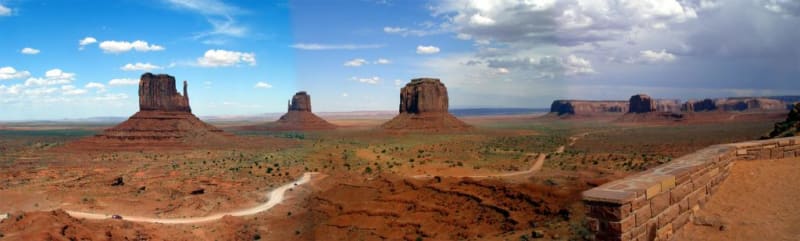
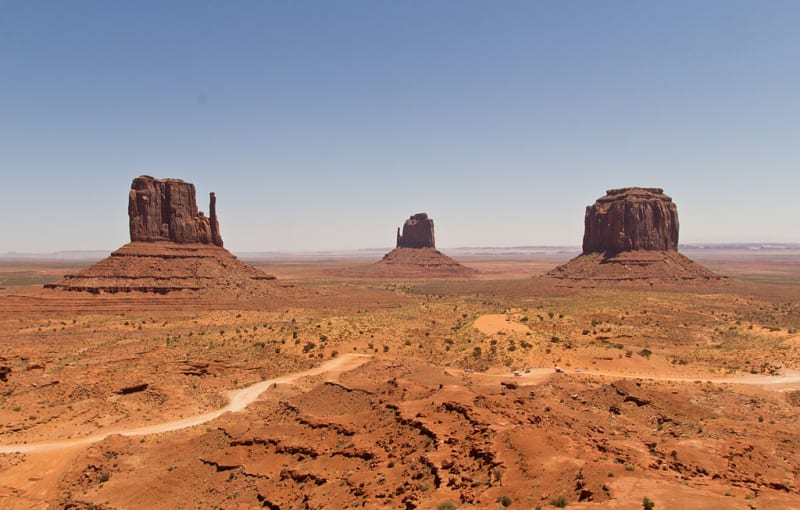
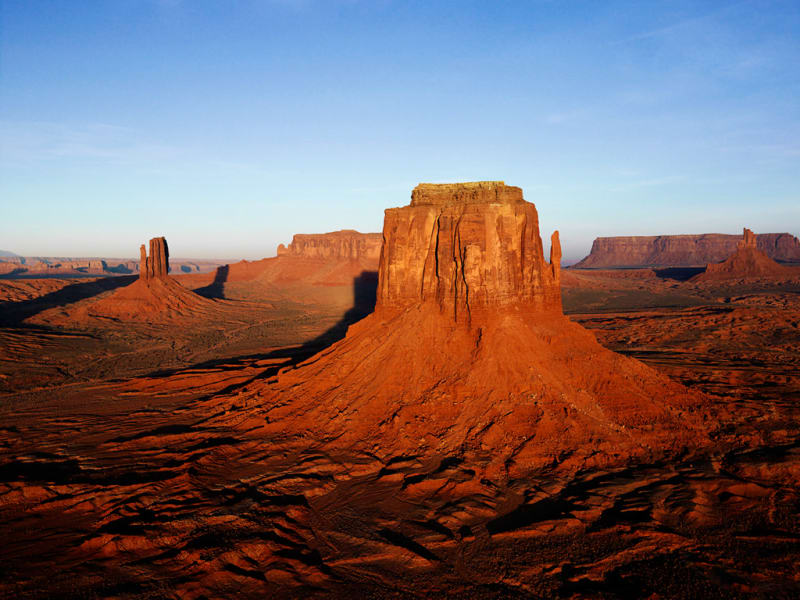
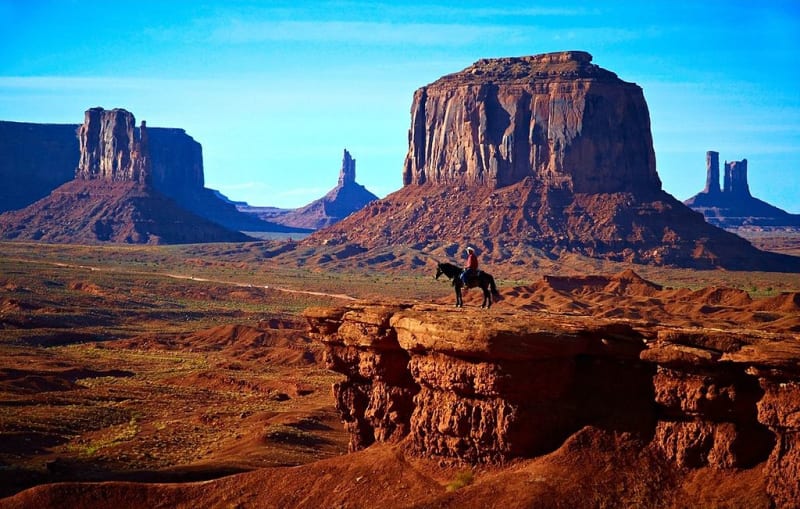
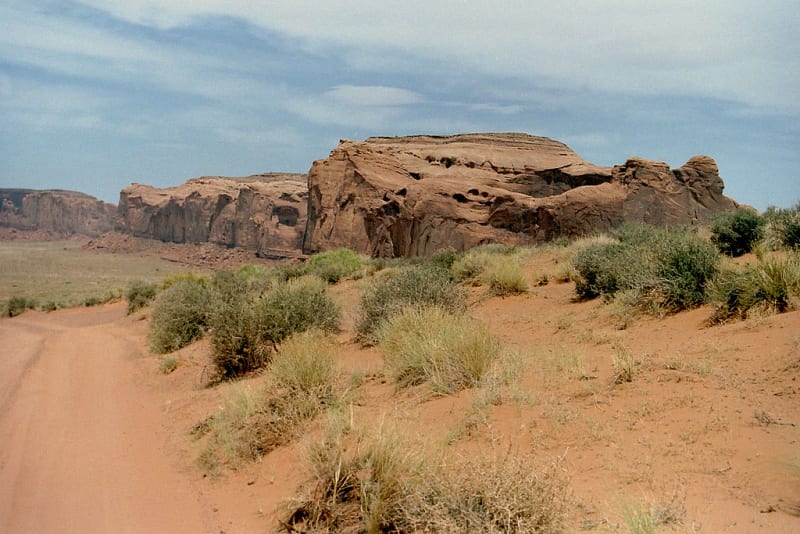
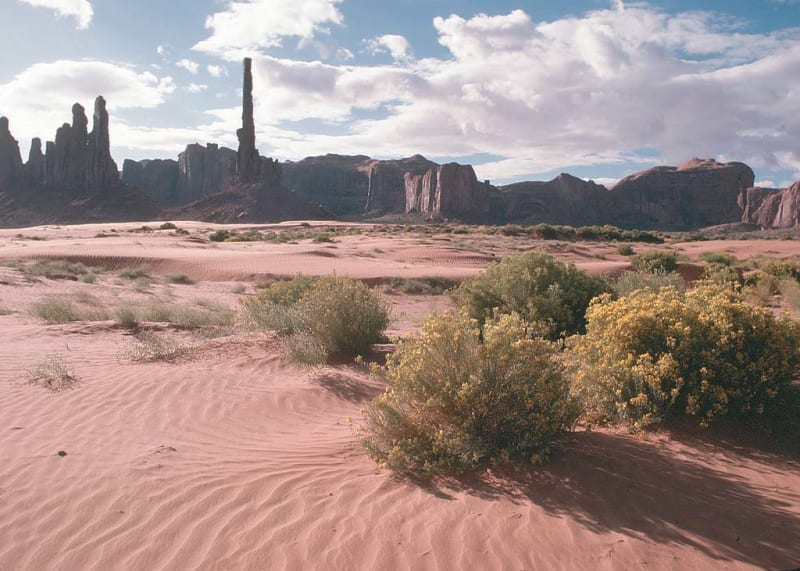
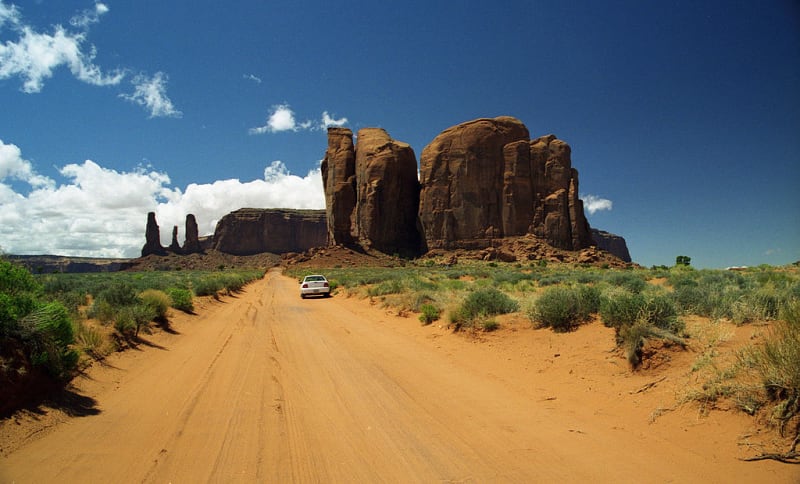
The valley is defined by enormous rock formations rising from an almost level desert floor. Some stand about 300 meters above the surrounding landscape. The best-known formations are West Mitten Butte and East Mitten Butte, whose outlines resemble hands wearing mittens. Nearby, Merrick Butte adds another distinctive shape to the famous panorama.
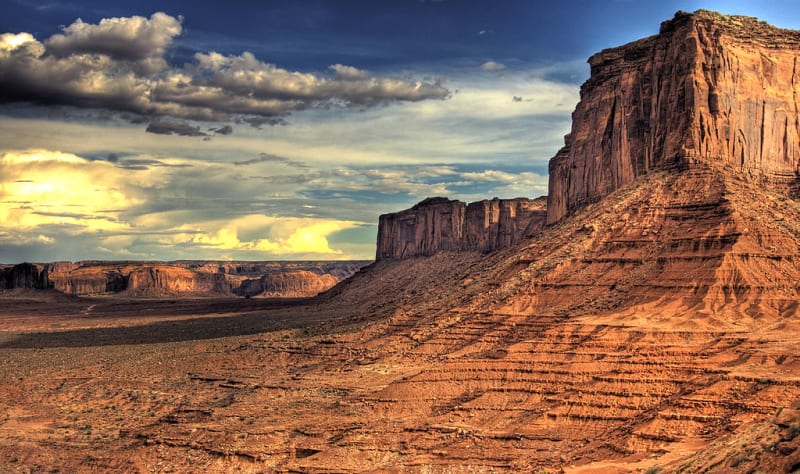
The colors change with the light. The rocks can appear pink in the early morning, deep red and ochre at midday, and copper-colored at sunset. Long shadows emphasize the sculpted surfaces and make the valley especially appealing to photographers.
How the rock formations developed
Over millions of years, layers of sediment accumulated across the region. The land later uplifted as part of the Colorado Plateau, while wind, water and temperature changes gradually wore away the softer rock. More resistant sections remained as isolated buttes, towers and mesas.
The reddish color of the sandstone is largely associated with iron compounds. Erosion continues today, slowly changing the shapes of the formations.
Navajo history and culture
Monument Valley lies on Navajo Nation land and has deep cultural significance for the Navajo people. It is not a federal U.S. national park but a tribal park managed by the Navajo Nation. In 1958, the Navajo Tribal Council established Monument Valley Tribal Park, creating a model for Indigenous management of protected landscapes.
During the twentieth century, the valley became internationally famous through Western films and other productions. Its towering rocks helped define the cinematic image of the American West, although the area's importance extends far beyond Hollywood.
What to see in Monument Valley
The visitor center overlook. This viewpoint offers the classic panorama of West Mitten Butte, East Mitten Butte and Merrick Butte. Early morning and late afternoon are particularly rewarding times to visit.
The Scenic Drive. A roughly 27-kilometer (17-mile) loop road passes through the valley and provides several places to stop for views. The road is unpaved, sandy and uneven in places, so check current conditions before driving it.
Wildcat Trail. This hiking route brings visitors closer to the famous rock formations. The walk, including the return, is about 6 kilometers and usually takes two to three hours. Sandy sections and limited shade make water, suitable footwear and sun protection essential.
Navajo-guided tours. Local guides offer trips to areas that are not open to independent visitors. Guided excursions also provide insight into the region's geology, history and cultural traditions.
When to visit and how to get there
Spring and autumn are generally comfortable seasons for exploring the valley. Summer temperatures can be extremely high, while winter weather may affect unpaved roads. For photography, early morning and the hours before sunset offer especially attractive light.
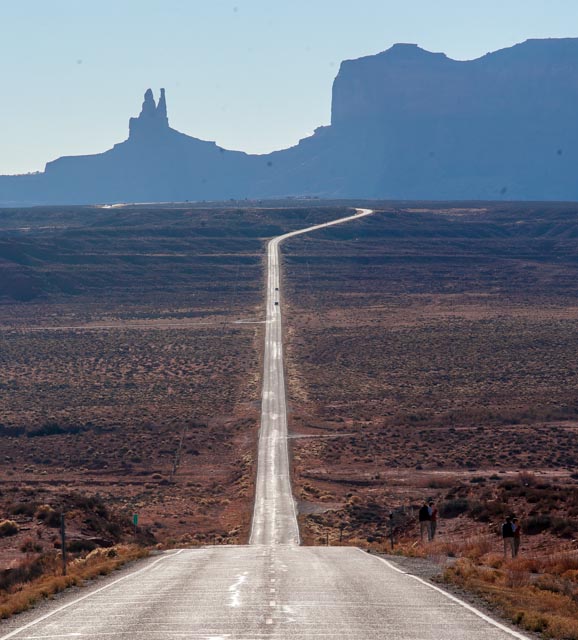
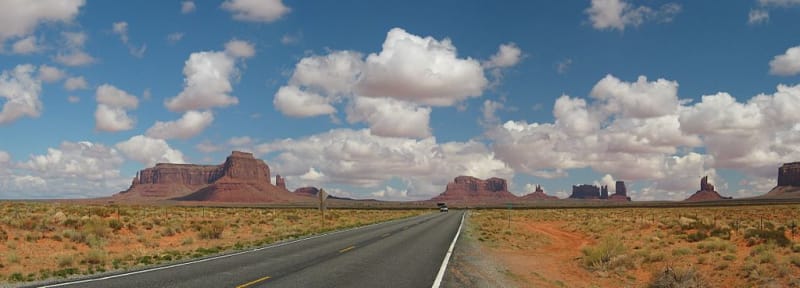
The park is near U.S. Route 163 on the Arizona–Utah border. Most visitors arrive by car, often travelling from Kayenta, Arizona, or Mexican Hat, Utah. Check road conditions, fuel availability and current visitor rules before setting out. Mobile coverage can be unreliable in parts of Navajo Nation.
Travel tips
Bring plenty of drinking water, a hat, sunscreen and sturdy footwear. Download maps in advance, stay on designated routes and never enter closed areas. Do not remove rocks or archaeological objects, and ask permission before photographing local residents. Remember that the valley is a living cultural landscape, not simply a scenic backdrop.
Why visit Monument Valley
Monument Valley impresses with its scale, sculptural rock formations and changing desert light. Visitors can enjoy the main viewpoint, hike the Wildcat Trail or explore the landscape with a Navajo guide. It is an unforgettable opportunity to experience one of the American West's most distinctive natural landscapes and learn about a place deeply connected to Navajo heritage.
Gallery