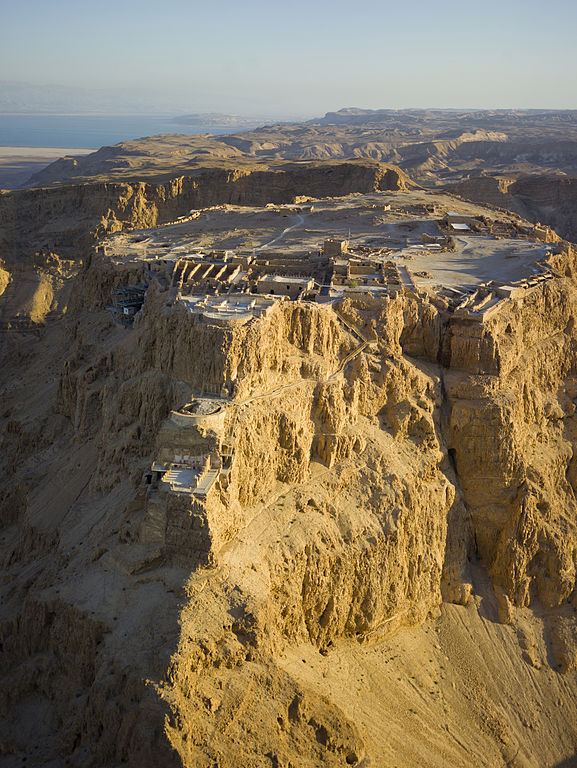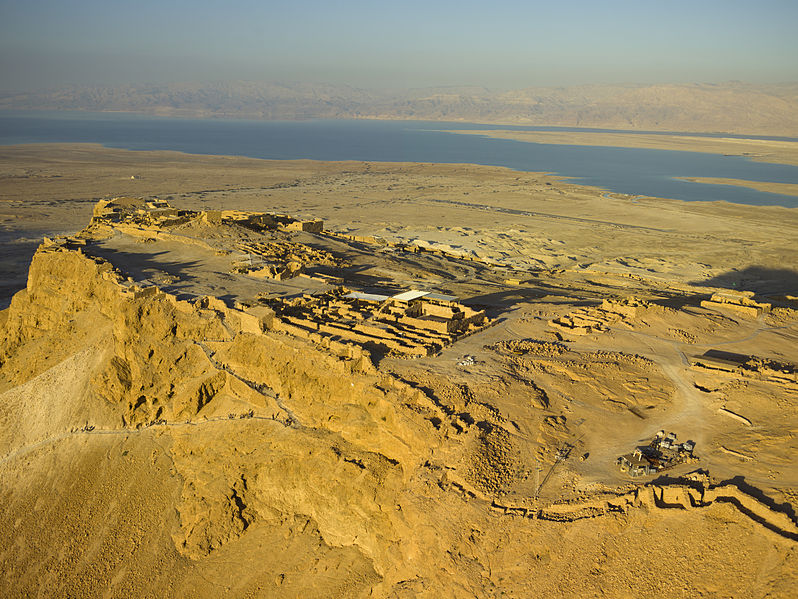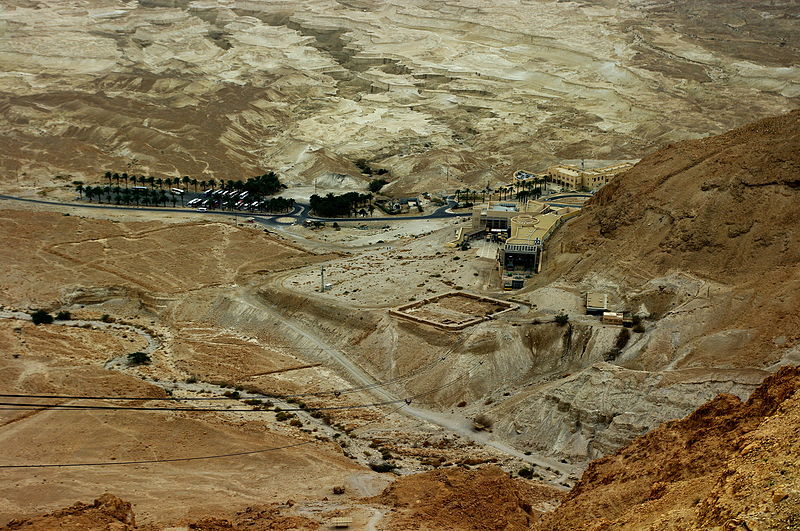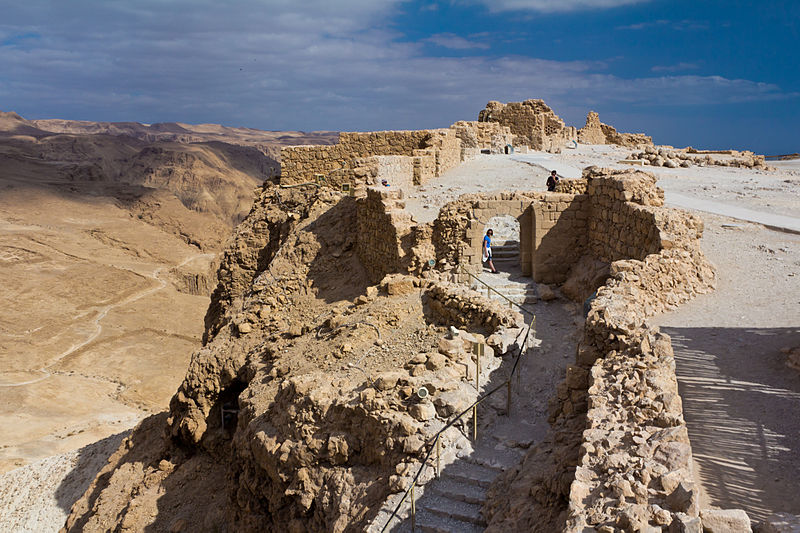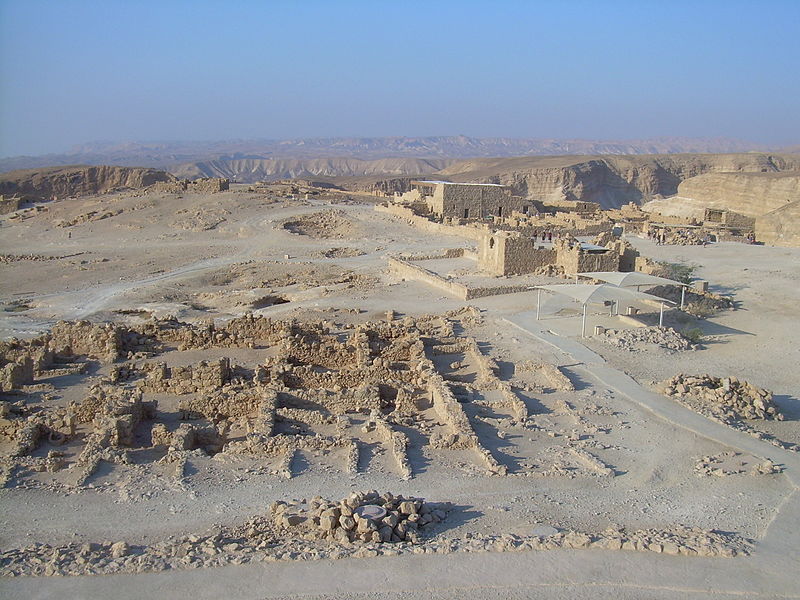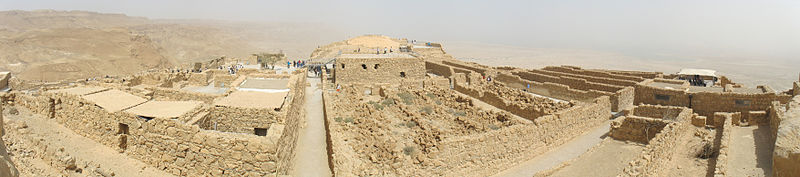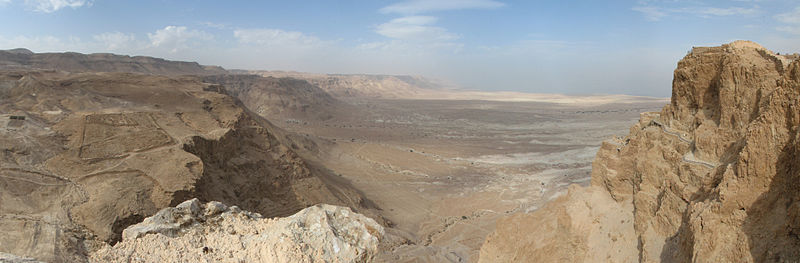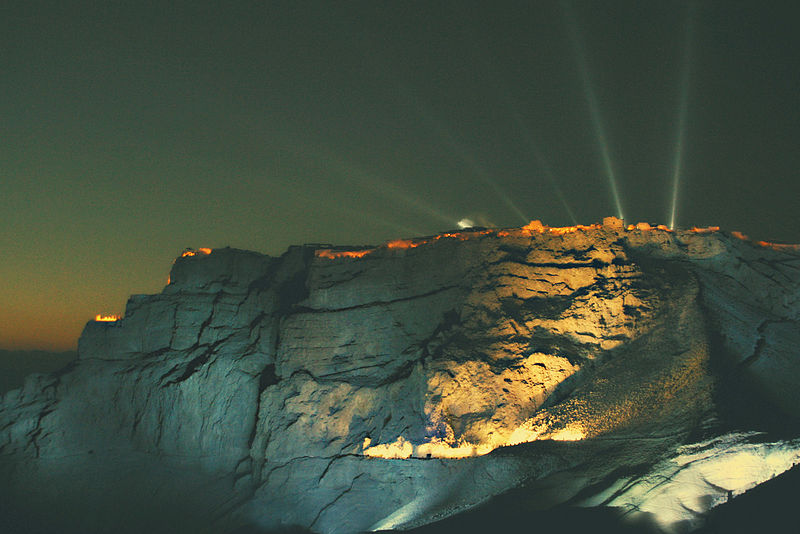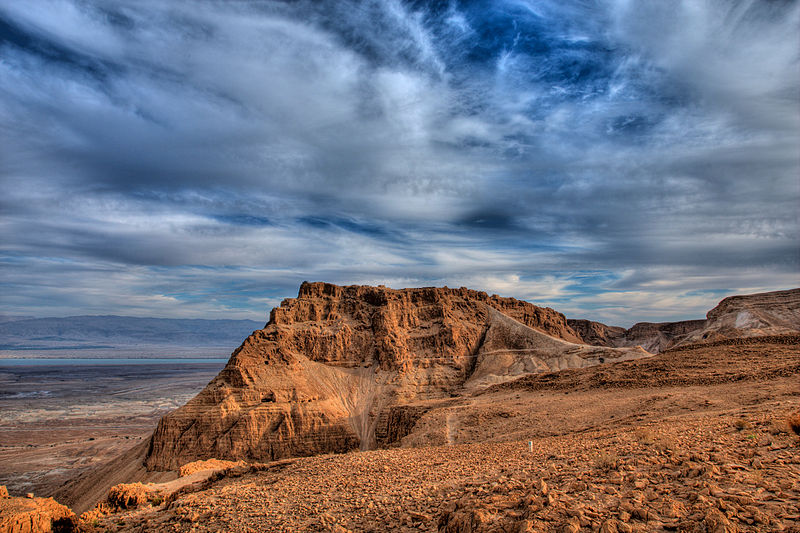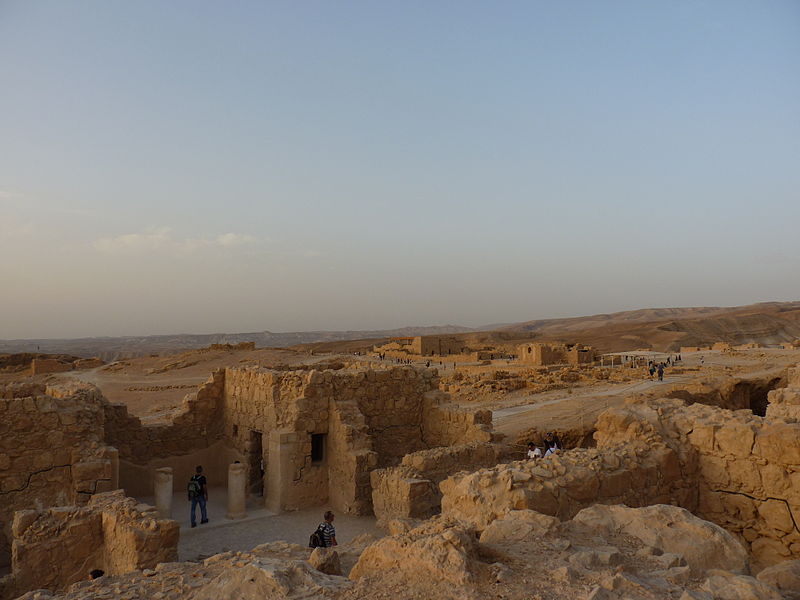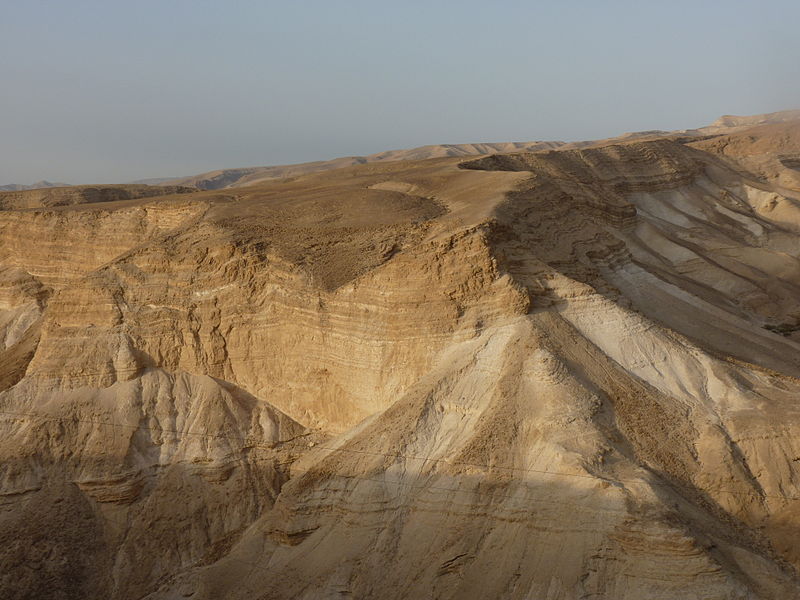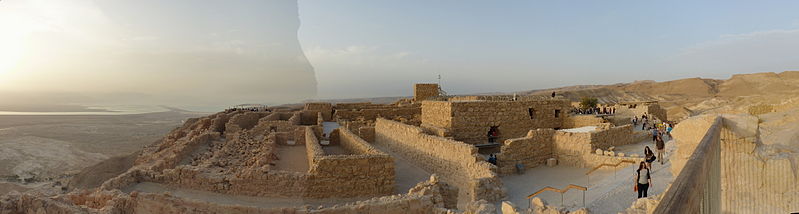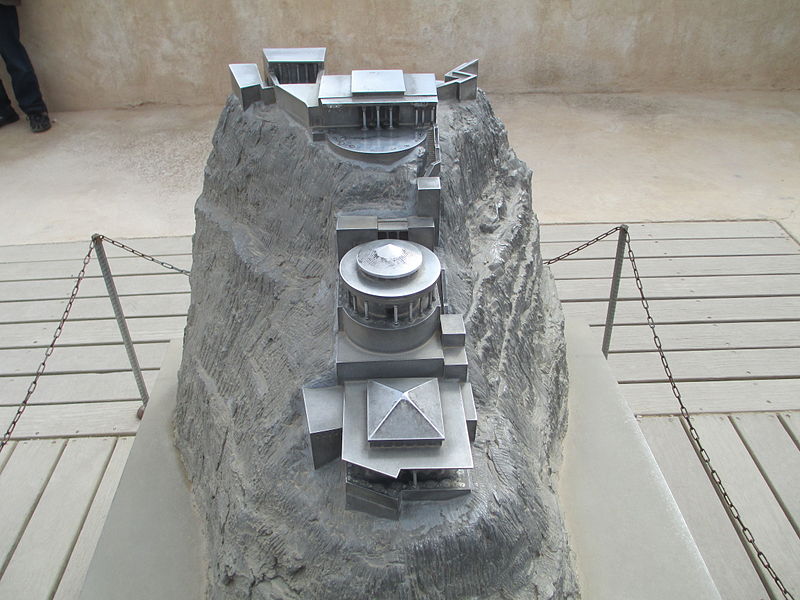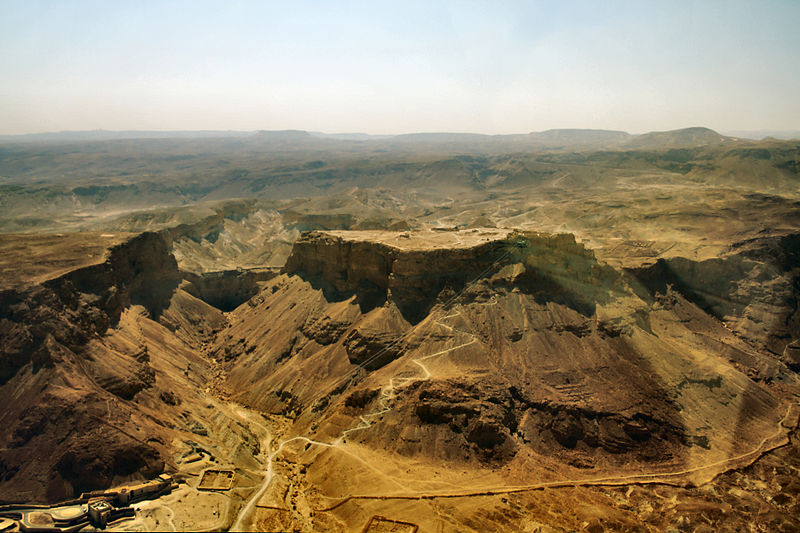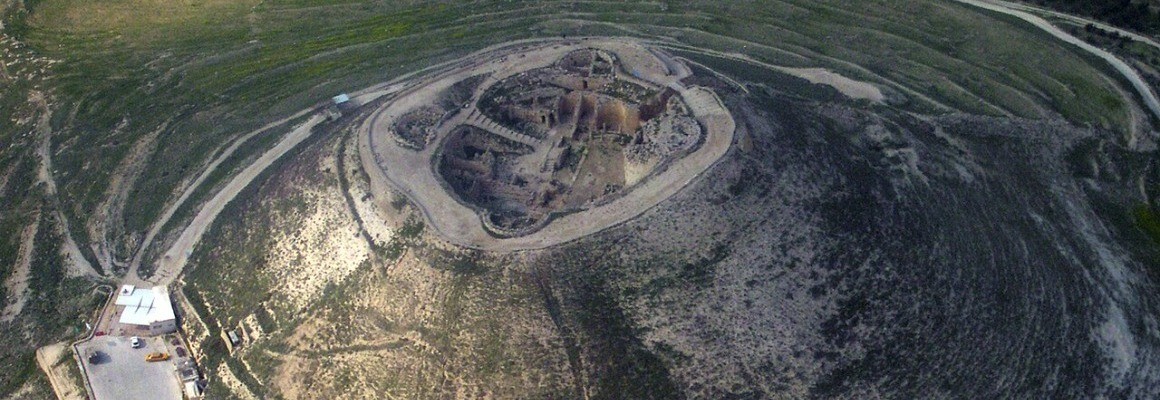

The ancient fortress of Masada towers over the shores of the Dead Sea. It is located in Israel on the territory of the desert, on top of a free-standing rock. The end of the cliff is a wide plateau, on which the fortress buildings are built.
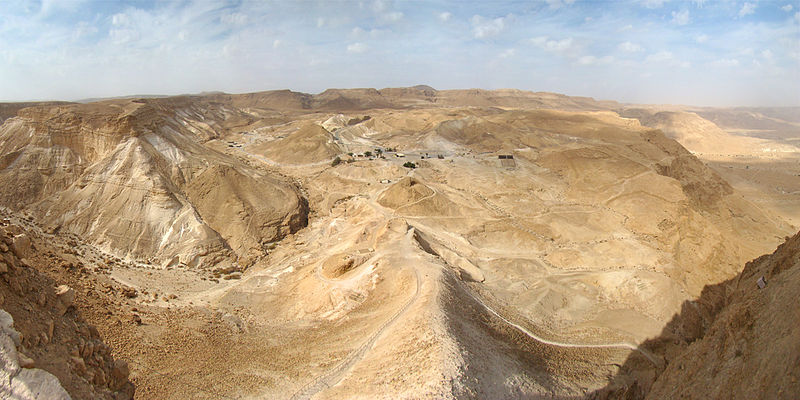
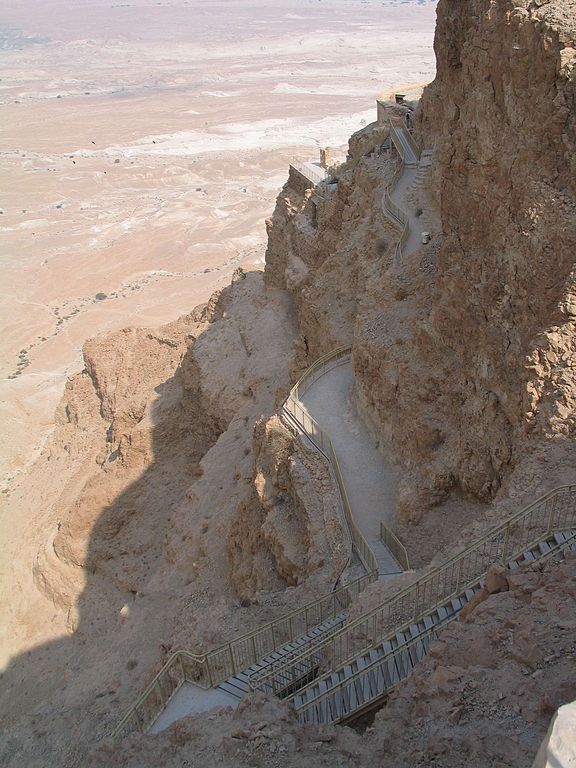
Masada is surrounded on three sides by cliffs, and there is a path leading up from the sea.
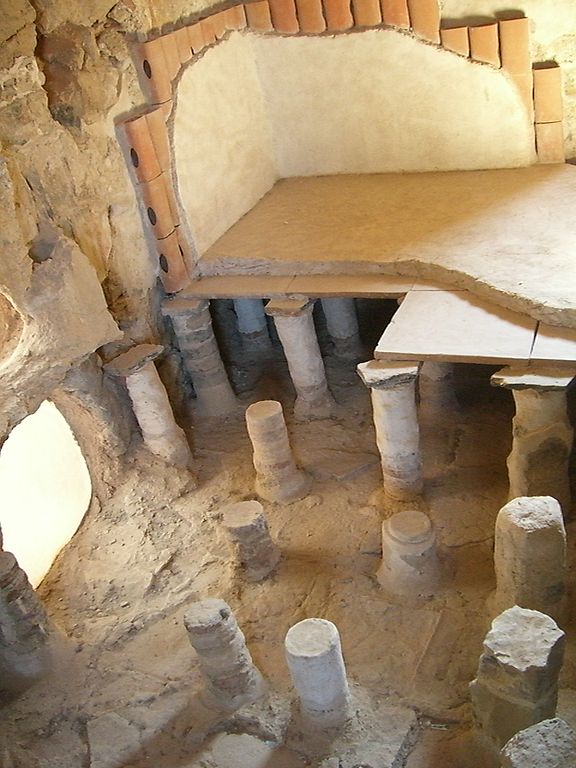
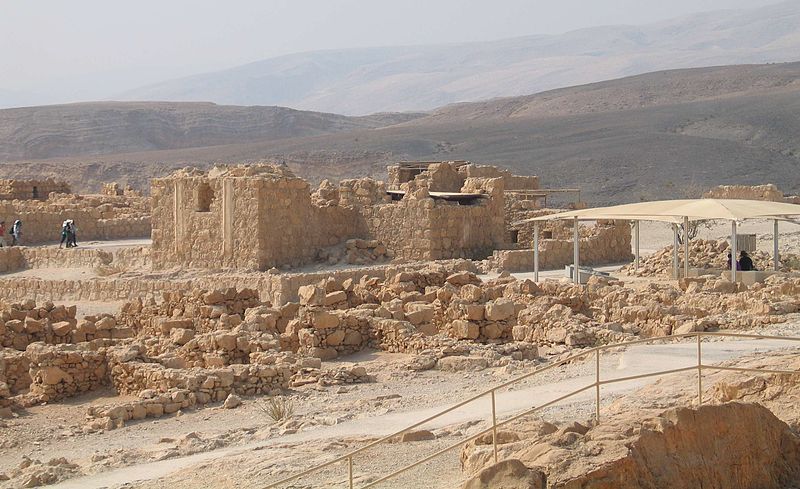
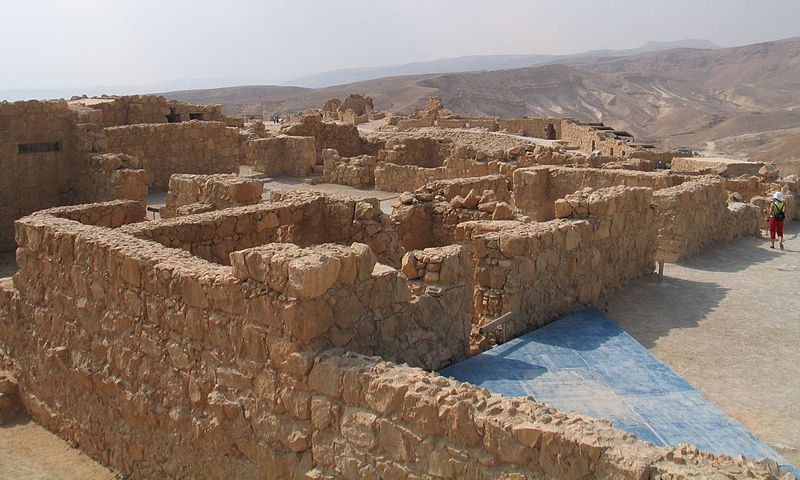
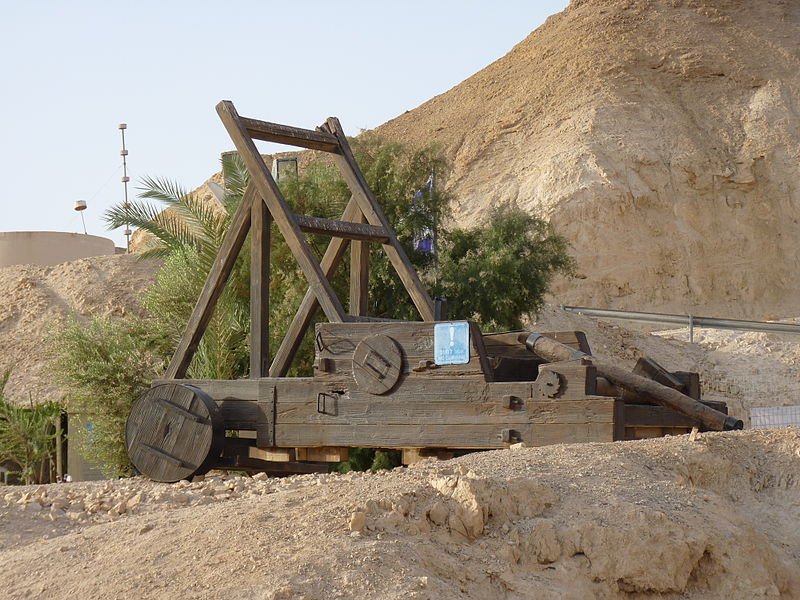
The fortress was built in the first century BC by the Hasmoneans, a little later it became the residence of King Herod the Great and served as a refuge for his family. During his government, he took care of strengthening the fortress – he surrounded the entire top with a stone wall, built 37 towers. And at the top he left a plot for cultivating the land in order to provide food. Depressions were carved into the stones to conserve water. Weapons and royal gold were stored here. The fortress had many warehouse, residential, and paramilitary buildings, and the infrastructure was well developed - palaces and baths were built.
At the end of the 1st century AD, the fortress was a haven for Jews who fought against Roman rule. Unwilling to surrender, 960 Jews committed suicide. The rebels built a synagogue here, which was the oldest in Israel.
After the fall of Masada, a Roman garrison was stationed here, and a hundred years later it was forgotten.
Until the 19th century, the Masada Fortress was empty, and in 1966 it was opened as a national historical and archaeological park. After the restoration work, Masada Fortress is a real city with the infrastructure of that time. The palace of King Herod with mosaic fragments has been preserved in the fortress.
Since 2001, Masada has been included in the UNESCO World Heritage List.
Due to historical events, Masada Fortress is today a symbol of Israel, embodying courage and heroism, freedom and independence.
At the top of the fortress, the military takes the oath with the words "Masada will not fall again." A museum has been opened at the base of the mountain, which displays household items found during excavations.
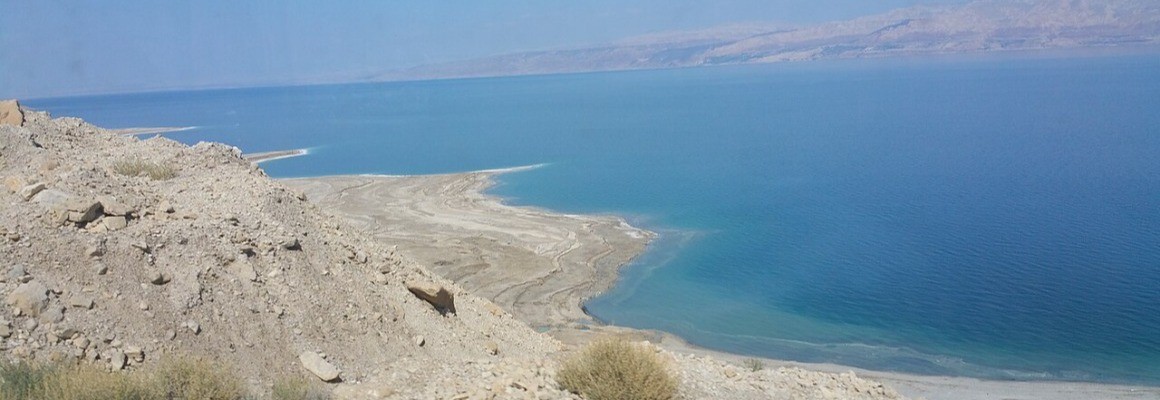
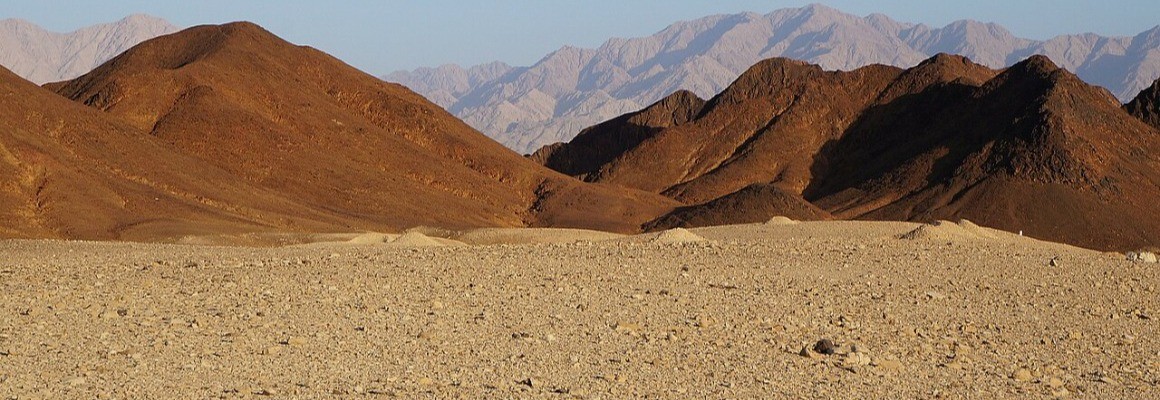
From the height of Masada, you can view the sights of the historical past, as well as admire the beauty of the sea and the desert. You can climb to the top of the fortress by walking along a narrow path or using a funicular.
Before visiting Masada Fortress, it is necessary to take into account the temperature regime, so it is better to go on an excursion in spring or autumn. It is necessary to take care of the water supply, as it is rare there.
Gallery