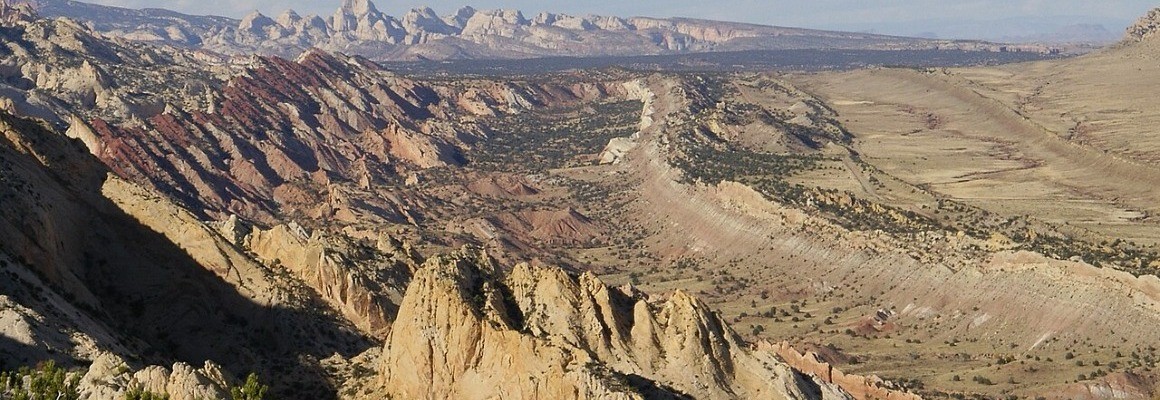
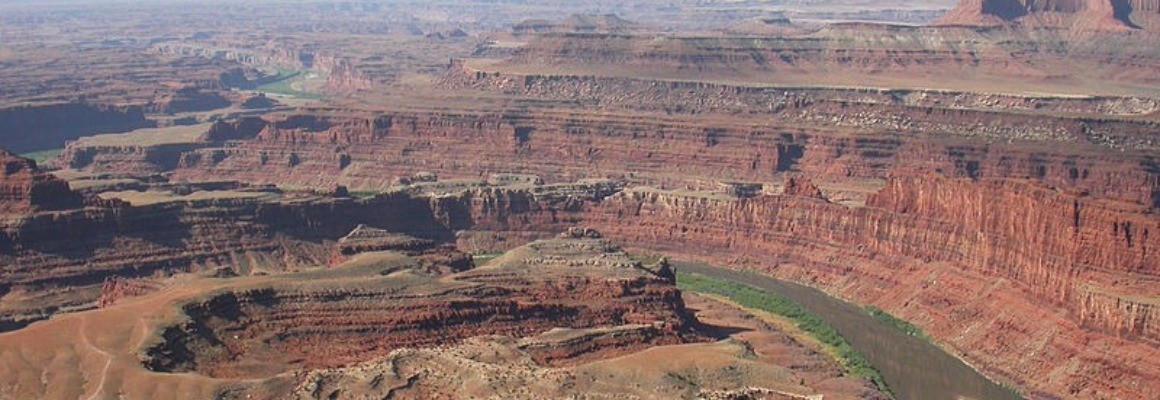
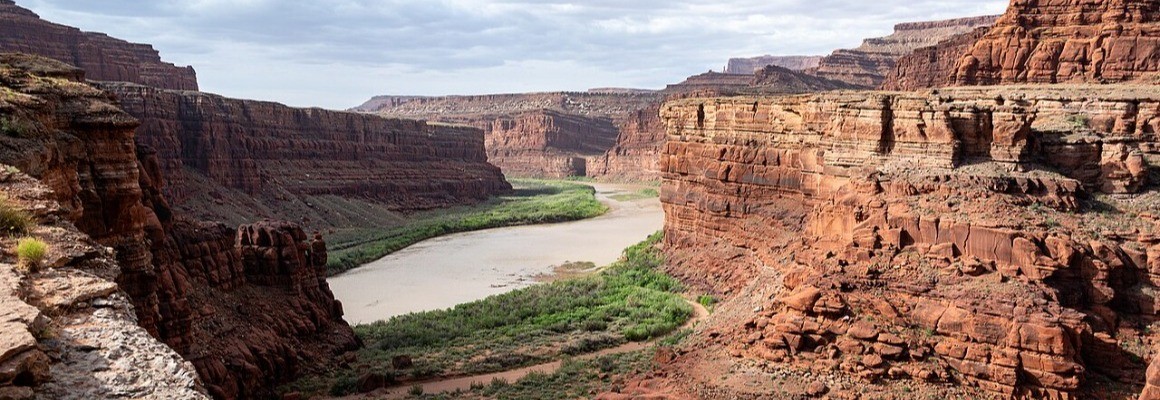
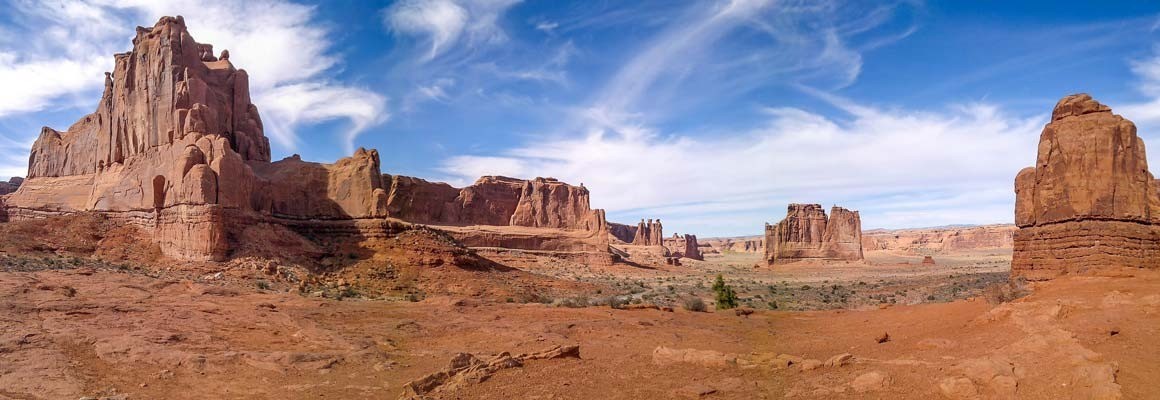
Goblin Valley is an unusual natural landscape in Utah, USA, where thousands of stone formations resemble fairytale goblins, mushrooms and fantastic creatures. The valley lies within Goblin Valley State Park, amid desert plateaus and rocky canyons in the San Rafael Swell region. The strange shapes of the sandstone make the landscape look like a gathering of petrified characters scattered across the desert.
How Goblin Valley formed
The geological story of this landscape began about 170–180 million years ago during the Jurassic Period. Ancient coastal plains, sand dunes and tidal flats covered parts of what is now Utah. Over time, deposits of sand and silt hardened into sandstone and other sedimentary rocks.
Wind, water and temperature changes gradually wore away the rock. Because the layers varied in hardness, some areas eroded faster than others. More resistant sections remained as rounded columns, broad caps and formations with narrow bases. These distinctive natural shapes became known as goblins.
Thousands of formations create clusters that visitors can explore on foot. Some resemble mushrooms balanced on thin stems, while others look like people, animals or imaginary creatures. Their appearance changes with the light, so a rock that looks one way in the morning may seem entirely different at sunset.
Discovery and the creation of the park
Local cowboys searching for cattle were among the first people to know about the unusual rocks. The site gained wider recognition through Arthur Chaffin, the owner and operator of Hite Ferry. In the late 1920s, he and two companions were looking for an alternative route between Green River and Caineville when they came across the valley’s remarkable formations.
Chaffin returned in 1949, explored the area and photographed the strange rock shapes. He called it Mushroom Valley. As interest grew, Utah authorities decided to protect the landscape. In 1964, the area was officially designated a state park.
What to see in the valley
The main attraction is an open valley filled with hundreds of clusters of stone goblins. Unlike many parks where visitors view rock formations only from designated overlooks, here they can descend into the valley and explore the spaces between the formations. Visitors should take care not to damage the fragile rocks and must follow park rules.
One of the best-known formations is Three Sisters, a group of three tall shapes that appear to stand together. They are frequently photographed from the road leading to the overlook.
The observation point offers broad views of the valley and the surrounding rock landscape. Early morning and late afternoon are especially rewarding, when low sunlight emphasizes the contours and creates long shadows. At midday, the light is harsher and the formations can appear flatter.
Trails and outdoor routes
The park has routes of varying difficulty. The main valley can be explored freely on foot, but beyond it, marked trails and careful planning are recommended for the desert environment.
The Curtis Bench Trail offers elevated views over the valley and surrounding plateaus. The Entrada Canyon Trail passes through a narrow rocky canyon, with some sections requiring careful scrambling over stones and through tight spaces. A more challenging route leads to Goblin’s Lair, a large natural cavity among the rocks. Rappelling into it requires a special permit and appropriate technical skills.
Remote parts of the valley contain areas without marked trails. Longer excursions there require navigation experience, a map or GPS, plenty of water and careful preparation. Check the weather before setting out, as sudden rain can cause dangerous flash floods in canyons and dry washes.
The night sky over the desert
Goblin Valley is known not only for its unusual rocks but also for its dark night sky. Its distance from large cities and limited artificial lighting create excellent conditions for stargazing. The park has received international recognition for protecting its dark skies.
On a clear night, visitors may see the Milky Way, constellations and stars that are difficult to distinguish in brightly lit cities. The park also hosts educational activities focused on astronomy and the protection of natural darkness. A tripod and a camera with manual settings are useful for night photography, but lights should be used carefully to avoid disturbing others.
When to visit
Spring and autumn are generally comfortable seasons for walking because temperatures are more moderate. Summer can be extremely hot, and shade is limited in exposed areas. It is best to start hikes early in the morning or later in the afternoon. Winter can bring cold weather, wind and snow.
Before travelling, check the forecast, road conditions and park notices. Avoid entering canyons when heavy rain is possible because flash floods can develop quickly. Bring water, a hat, sun protection and sturdy footwear even for a short walk.
How to reach Goblin Valley
The park is in southeastern Utah, roughly 12 miles south of Utah State Route 24. Visitors usually drive from the Hanksville or Green River area. Public transportation is limited, so a car is the most convenient way to reach the park.
Facilities include parking, a visitor centre, picnic areas and a campground. Visitors may camp in tents or stay in furnished yurts when available for their dates. Check the official website for opening hours, entrance fees and booking conditions before travelling, as these details may change.
Goblin Valley is a place where geological forces transformed ordinary sandstone into a fantastic stone landscape. Visitors can wander among strange formations, explore canyons, photograph desert scenery and enjoy a remarkably star-filled sky.
Gallery