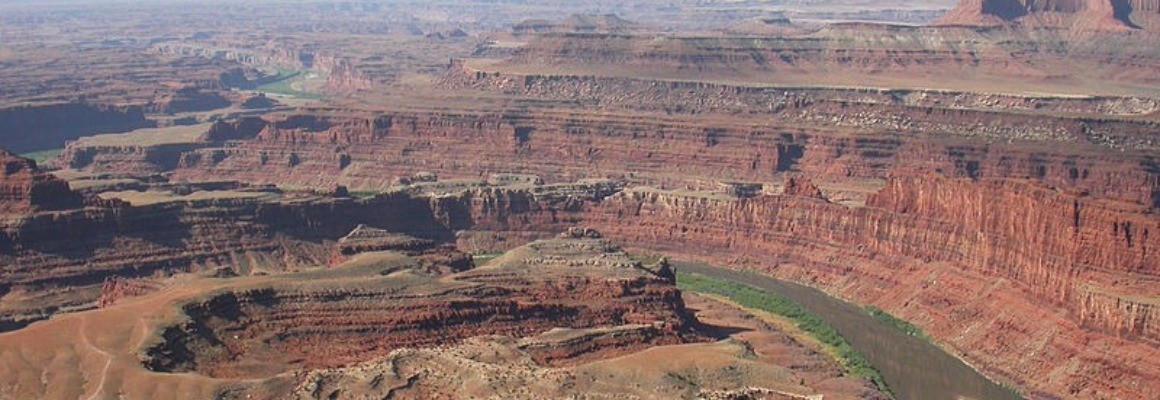
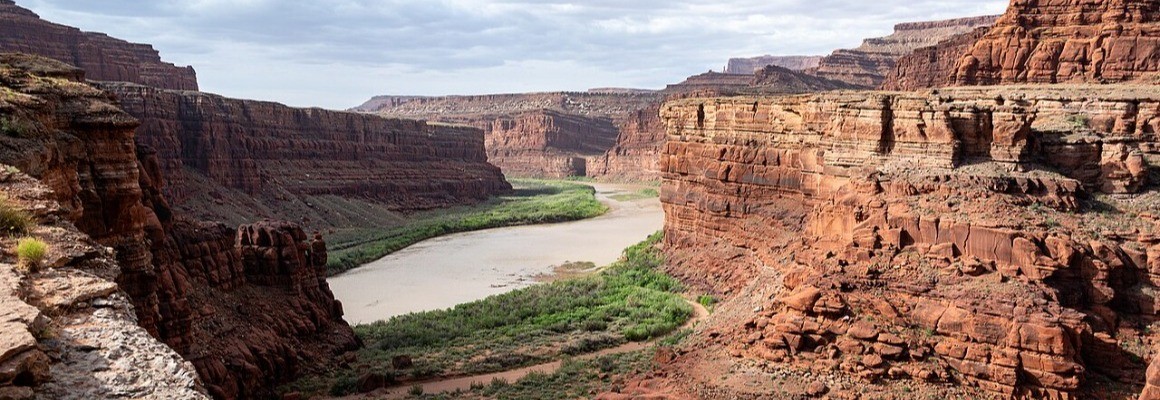
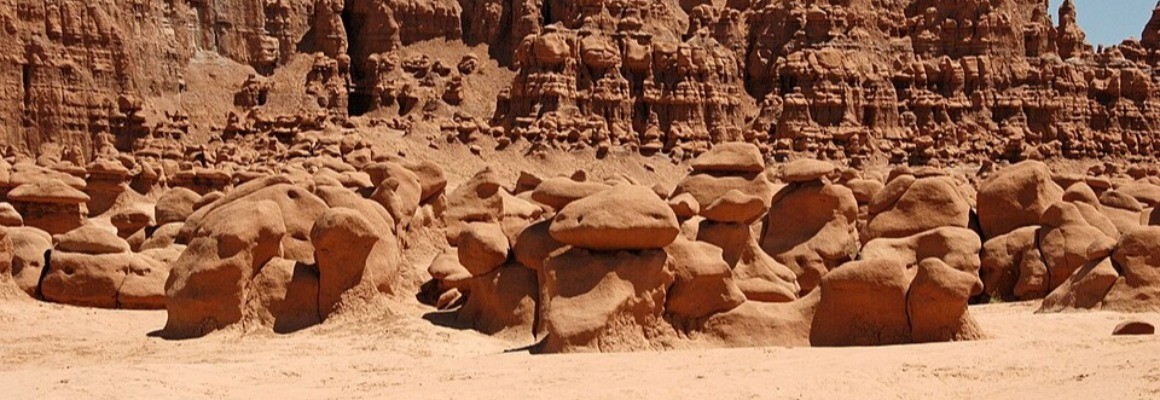
Arches National Park is a remarkable natural area in eastern Utah, United States, near the town of Moab. It is famous for its unusual red sandstone formations, including thousands of natural stone arches. The dry climate, open desert scenery and extraordinary rock shapes create landscapes that seem almost otherworldly.
The park covers about 310 km² and contains more than 2,000 documented natural arches, along with stone towers, narrow fins, sheer walls and enormous balanced boulders. Over millions of years, water, wind, temperature changes and geological movement have shaped these striking formations.
History of the national park
In 1929, the area was designated Arches National Monument to protect its exceptional geological features. The protected area was subsequently expanded, and in 1971 it officially became Arches National Park.
The region has a much older human history. Indigenous peoples lived here for thousands of years, hunting, gathering plants and creating rock art. Archaeological finds and petroglyphs demonstrate the long-standing presence of people in this arid landscape. Well-known rock carvings can be found near Wolfe Ranch along the route to Delicate Arch.
How the stone arches formed
The park's main natural feature is red sandstone formed from ancient deposits of sand. Over millions of years, geological forces folded and fractured the rocks. Water seeped into cracks, dissolved minerals, and gradually weakened the stone through freezing and thawing. Wind-blown sand also contributed to erosion.
Some sandstone walls eventually became narrow fins. Water and weathering widened openings in these formations, creating arches. The process continues today: new openings may form, existing arches may widen, and some structures eventually collapse. In 2008, the famous Wall Arch fell, demonstrating that even impressive natural formations are temporary.
Delicate Arch
Delicate Arch is the park's best-known landmark and one of the symbols of Utah. This freestanding red sandstone arch has an opening about 14 metres high and 9.8 metres wide. Its graceful outline stands against the open desert, while sunset light can turn the rock vivid orange and red.
To see the arch up close, visitors must hike a trail of about 4.8 km round trip. The path climbs gradually across exposed rocky terrain, making the walk challenging in hot weather. Easier alternatives are the Lower and Upper Delicate Arch viewpoints, which offer distant views of the formation.
Many visitors arrive before sunset, when the light emphasises the arch's shape. The trail and viewing area can become crowded at this time. During summer, carry plenty of water and avoid hiking during the hottest part of the day.
Landscape Arch
Landscape Arch lies in the Devils Garden area and is considered one of the longest natural stone arches in North America. Its span is about 93 metres. The thin, elongated structure appears almost weightless against the desert landscape.
A popular trail leads to the arch through sandstone walls and unusual rock formations. Other formations nearby make it possible to extend the walk into the Devils Garden trail network. Longer and more difficult routes require good fitness and caution on exposed rock.
In 1991, large pieces of sandstone broke away from Landscape Arch. Visitors are now prohibited from walking directly underneath it because further rockfall could happen without warning.
The Windows, Double Arch and Balanced Rock
The Windows Section is one of the park's most accessible areas and contains several large stone arches. North Window, South Window, Turret Arch and other formations can be visited on relatively short walks. Their openings frame the desert and distant mountain ranges.
Nearby, Double Arch consists of two large stone spans joined in a single formation. Unlike many other arches, its openings developed in the upper part of a rock mass. A short trail leads to its base, making it an excellent place to appreciate the park's geology.
Another famous landmark is Balanced Rock. A huge boulder appears to rest on a narrow base above the desert floor. Although it is not an arch, it illustrates how erosion gradually reshapes the landscape. A short walking trail circles the formation.
Devils Garden and Fiery Furnace
Devils Garden, in the northern part of the park, contains numerous arches, sandstone fins and narrow passages. Visitors can see formations such as Pine Tree Arch and explore longer routes that reach several arches during one hike.
Fiery Furnace is a maze of narrow sandstone corridors, tall walls and hidden spaces. Sunlight reflected from the red rocks creates striking colour effects. The complicated terrain makes it easy to lose direction, so access is regulated. Independent visits may require a permit, while ranger-led hikes offer an alternative.
Plants and wildlife
Despite the arid climate, Arches supports a variety of life. Junipers, pinyon pines, desert shrubs, grasses and plants adapted to scarce rainfall grow here. Biological soil crust is especially important: this thin living layer of microorganisms, lichens and mosses helps stabilise the soil and sustain the desert ecosystem.
Wildlife includes desert cottontails, kangaroo rats, foxes, coyotes, lizards and snakes. Birds include ravens, raptors and other species adapted to dry environments. Many animals are more active in the morning and evening, when temperatures are lower.
Visitors should stay on established trails and avoid stepping on biological soil crust. Damage to this fragile surface can remain visible for many years. Do not feed wildlife or leave food waste behind.
Hiking trails and scenic drives
The main park road passes many famous landmarks and connects viewpoints with trailhead parking areas. Even a short drive reveals stone towers, rock windows and broad desert panoramas. Popular stops include Park Avenue, Courthouse Towers, the Windows Section and viewpoints toward the La Sal Mountains.
Trails vary in difficulty. Some are short walks over relatively level ground, while others involve steep climbs, exposed rock and long stretches without shade. Before hiking, assess the distance, carry enough water, wear shoes with good traction and check the weather forecast.
Spring and autumn are generally comfortable seasons for longer walks, although parking areas at popular trailheads may fill early. Before travelling, check current entrance requirements, traffic restrictions and alerts from the US National Park Service.
Best time to visit
Spring and autumn are often the most comfortable seasons to explore Arches. Daytime temperatures are generally easier to manage than during summer heat, and the light brings out the contours of the red rock. Summer temperatures can be extremely high, so hikes are best planned for early morning or late afternoon.
Winter brings fewer visitors, but snow, ice and sudden weather changes are possible. In every season, shade is limited on many trails, making water and suitable clothing essential.
Visitor rules and conservation
Arches National Park protects a fragile desert ecosystem and geological formations created over millions of years. Visitors must not climb on the arches or walk across them. Stay on designated trails, avoid damaging plants and soil crust, take rubbish away and follow ranger instructions.
Desert weather can change quickly. During thunderstorms, avoid exposed summits and dangerous rock areas. In extreme heat, reduce physical exertion and carry sufficient water. Sudden water flows can occur in some areas after rain. Following park rules helps preserve the landscape and keeps visitors safe.
Arches National Park is one of the most extraordinary places in the American Southwest. Thousands of stone arches, red sandstone walls and desert valleys reveal how continuously the Earth's surface changes over time. The park is especially appealing to visitors interested in geology, photography, hiking and dramatic desert scenery.
Gallery