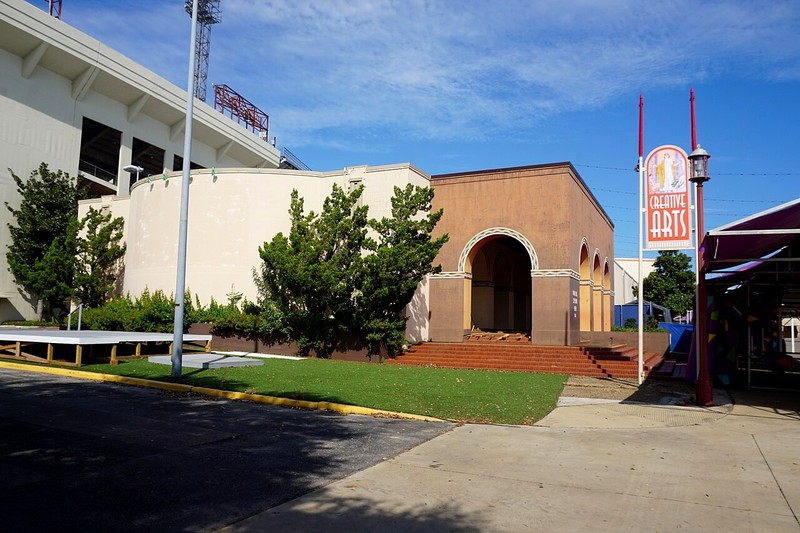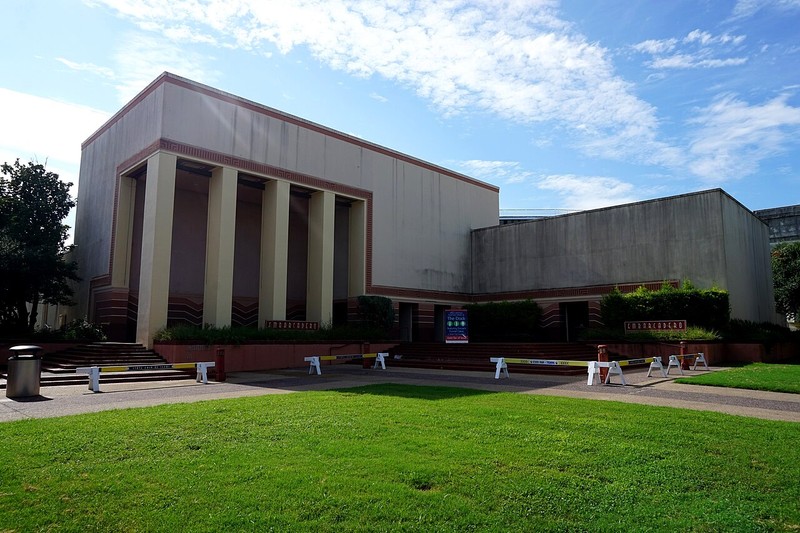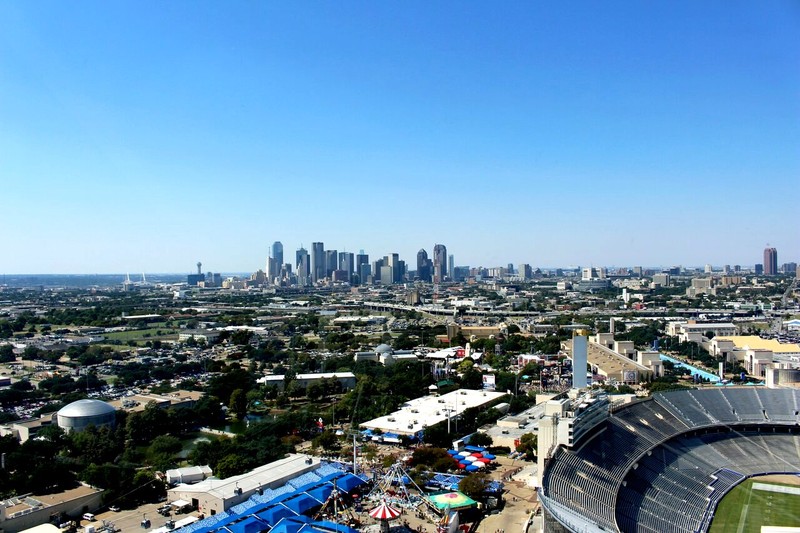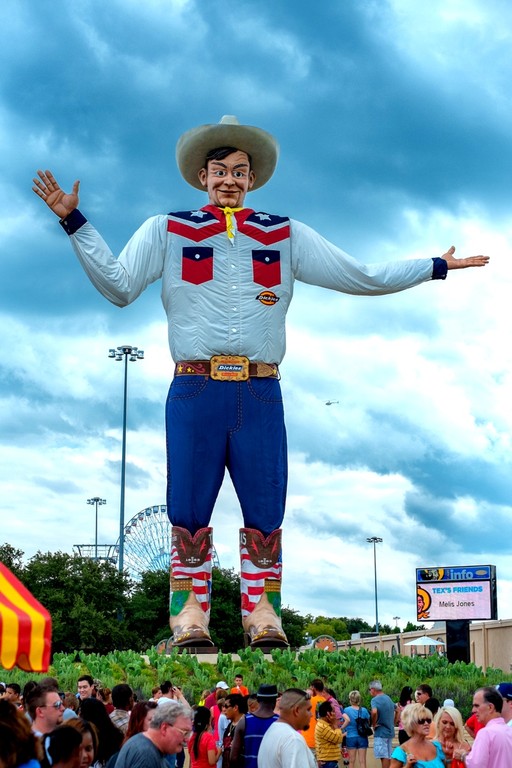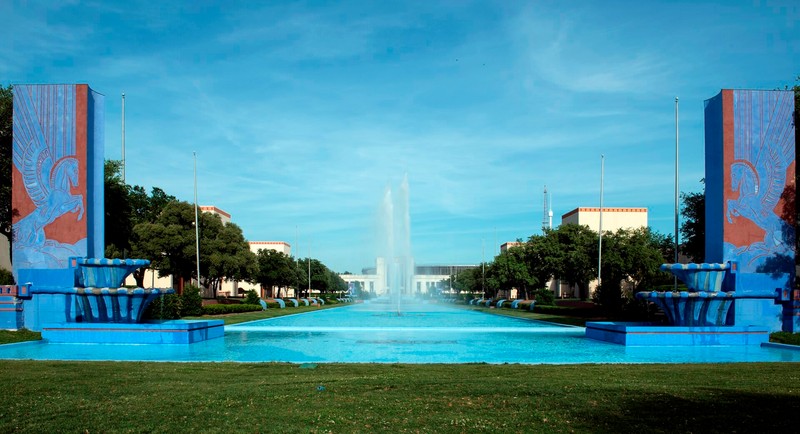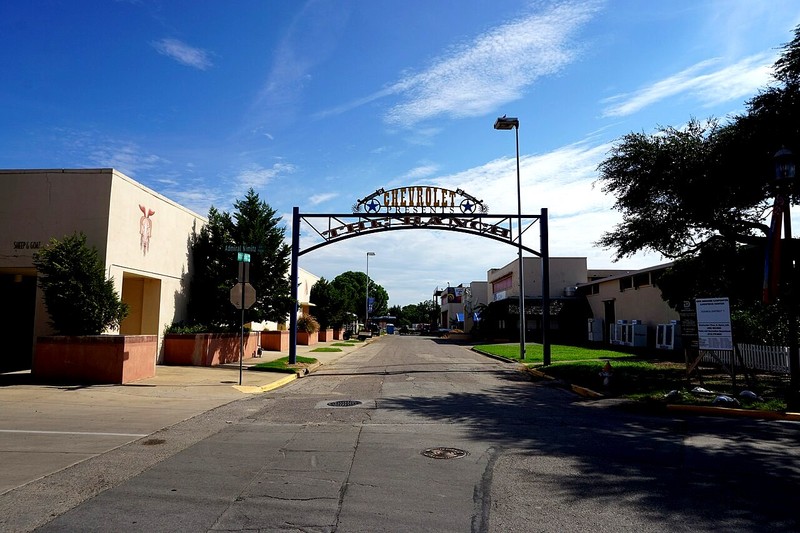

Fair Park is a popular entertainment and educational complex in Dallas with an area of more than 1 square kilometer. It is one of the iconic landmarks listed on the U.S. National Register of Historic Places. It has received the status of "America's Great Place" from the United States Planning Association.
History of creation
In 1886, a 32-hectare state fair site was set up on the outskirts of Dallas. She was working before the fire, as a result of which losses were recorded. It took time to come up with a plan to restore and tidy up the site for the Texas fair. In 1904, the "Reardon Plan" was approved by voters, which became the 2nd public park, better known as Fair Park.
Architect George Kessler played a major role in the development of the complex – in 1906 he presented the first official plan of the park, which was influenced by the "Garden City" movement. His supporters promoted the idea of creating carefully planned public spaces with landscaped boulevards, fountains, monuments and works of art.
Development of the complex
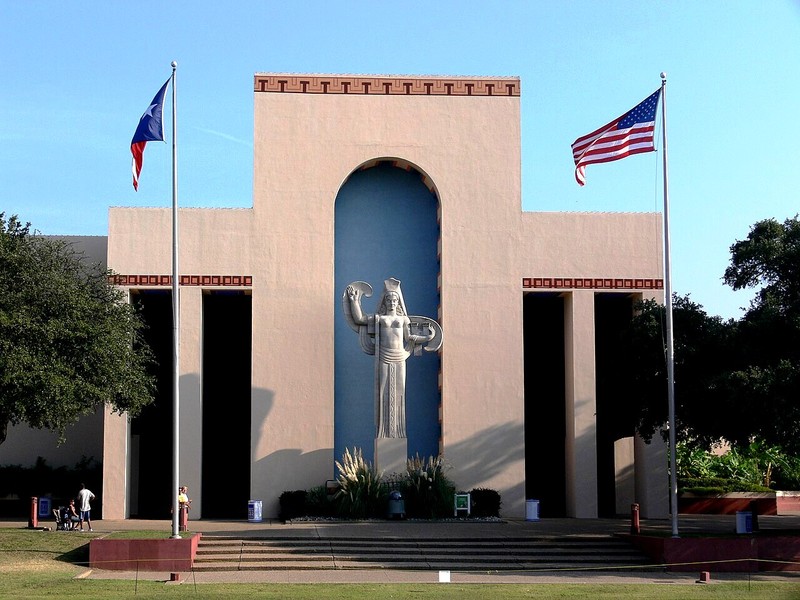
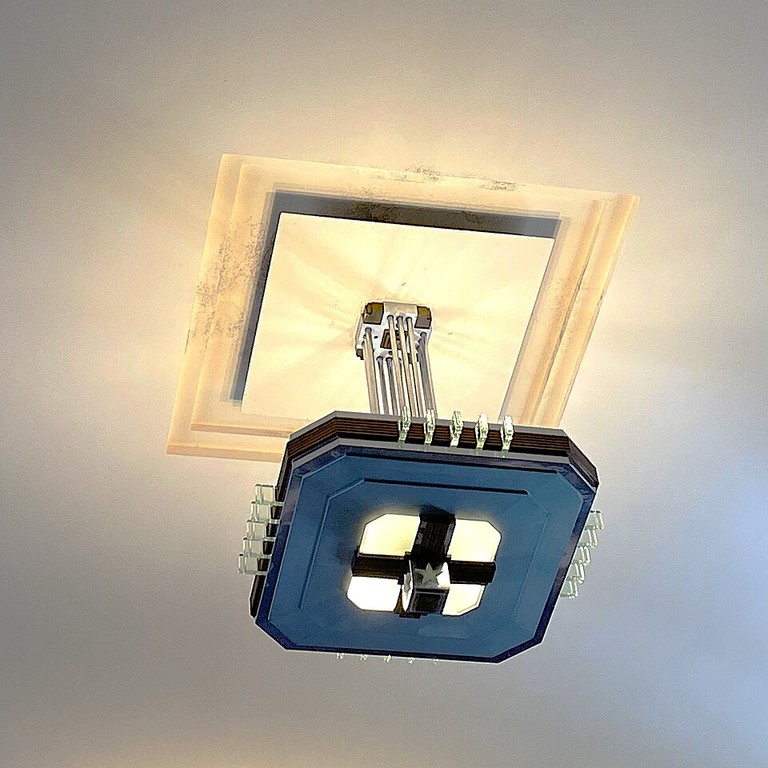
In 1936, the Texas Centennial Exposition was held in Fair Park. In preparation, architects George Dahl and Paul Cret worked on changing the appearance of the complex. At this time, the object turned from a typical fairground of the XX century into an Art Deco showcase. Since then, the park's territory has increased to 112 hectares. Many buildings were built: some of them turned out to be temporary, while others were renovated.
In 1986, the park area was declared a national historical monument. It is one of the largest collections of buildings in the country that are associated with exhibitions. Two years later, the Fair Park was managed by the Dallas Parks Department. It hosts social events with about 5 million visitors per year.
Short description
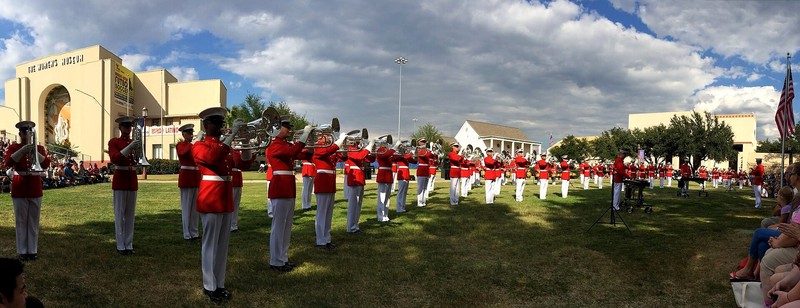
This is the only park in the United States that has retained its appearance since the 1950s. Locals are proud of this fact and call the site the hallmark of Dallas. Not only fairs and festivals are held on its territory, but also conferences, as well as sports competitions. People come to Fair Park to take a walk in the fresh air and visit:
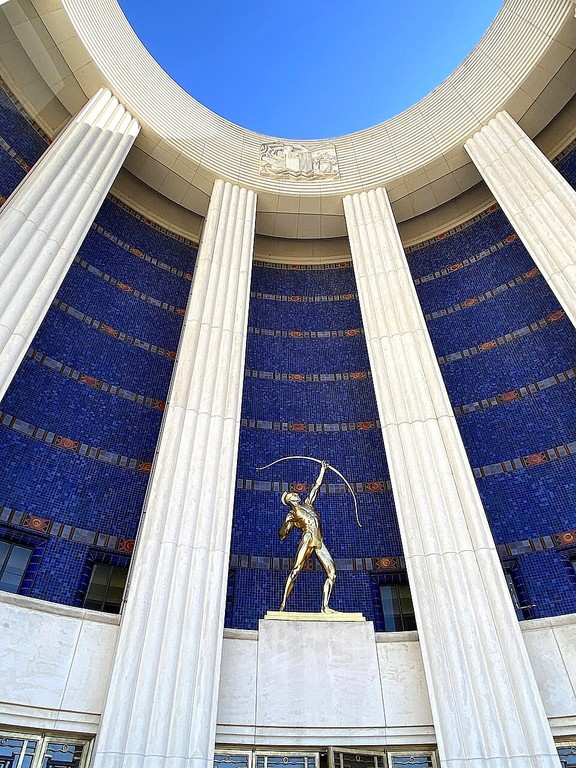
- The staff Hall is considered one of the reference examples of the Art Deco style. Its construction cost one and a half million dollars, it is decorated with ornamental metal elements. There is a monument of an archer above the entrance, covered with gold leaf.
- The "Old Mill" tavern is one of the rare buildings of the Texas Exposition, built not in the Art Deco style, and a restaurant was opened in this place.
- The Discovery Gardens were originally equipped as an agricultural pavilion of the exhibition. It was slightly redone, one of the changes is the addition of a minimalist glazed greenhouse.
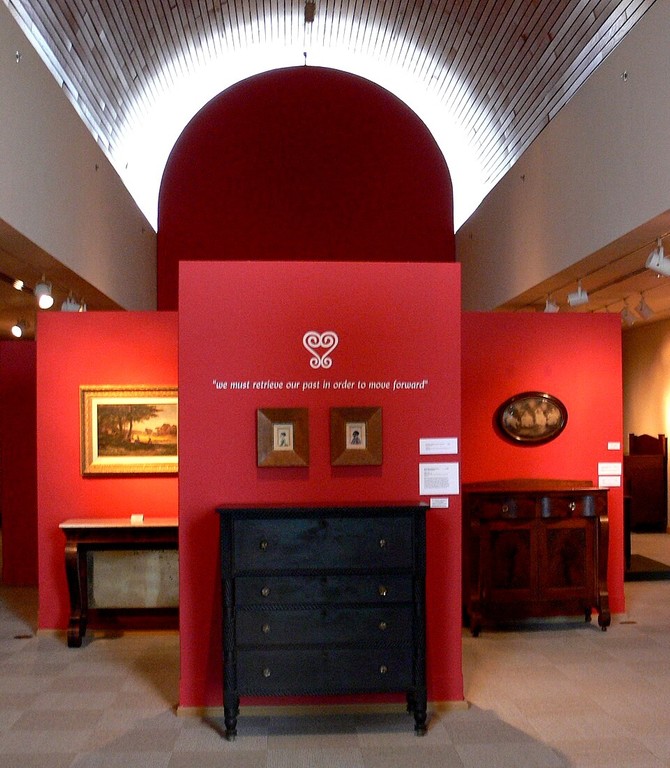
- The African American Museum introduces the works of Romar Burden, Clementine Hunter, Artello Beck, Jacob Lawrence and other artists.
- The "Top of Texas" tower, 150 meters high, was created to provide residents and visitors of Dallas with a viewing platform. At its base, you can get acquainted with the museum exhibitions.
- Lounge "Magnolia" is a former Religion Hall, it is a project of architect from New York William Lesquez. Now the artists of the "Theater '47" perform in this place.
- The lagoon of Leonhard is called one of the most romantic places in the natural landscape. In the mid-1980s, the sculpture of the Earth became a part of it. An object, nicknamed the "Palace of Science", was built near the landmark. A Science Museum was opened here, which was later moved to Victory Park.
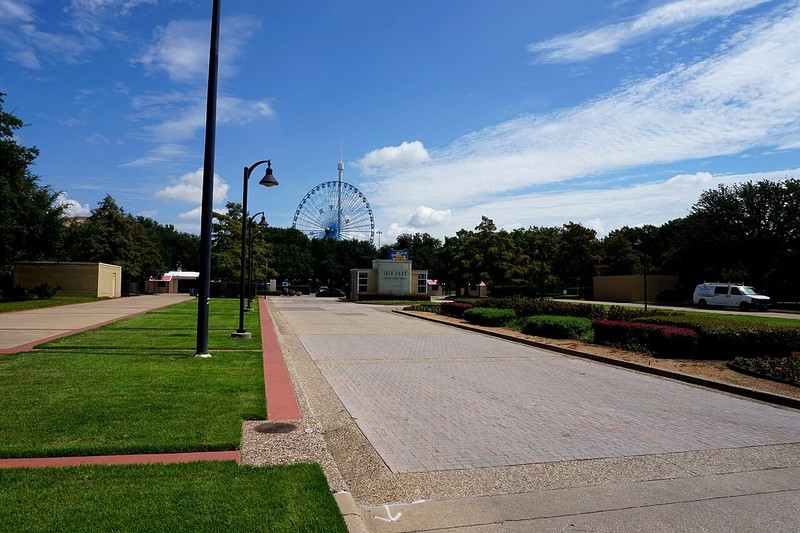
- "Texas Star", launched in the mid-1980s, remains the largest Ferris wheel in North America.
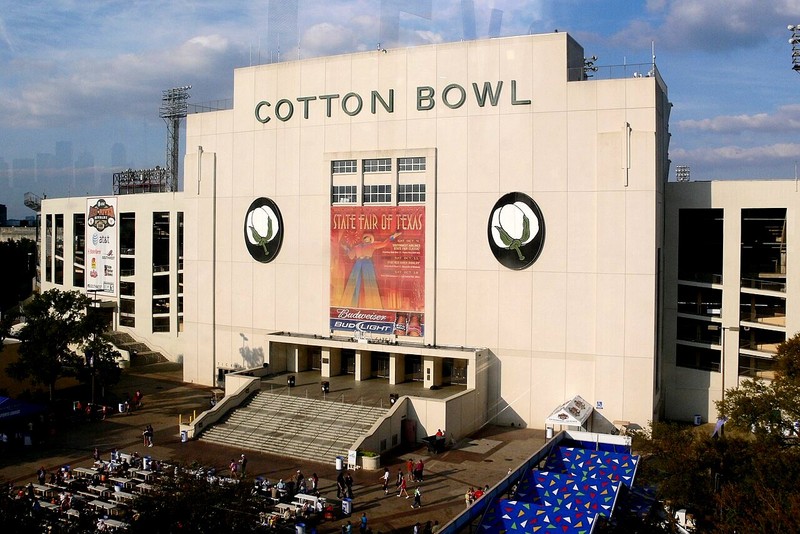
- Sports competitions are held at the Cotton Bowl Stadium, which has been operating since the 1930s. It has been improved several times, and now it accommodates more than 92,000 people. In 1994, the World Cup was held on the site.
- In 2007, the Texas Skyway gondola lift was installed in the park area, lifting visitors 20 meters above the ground. The path is half a kilometer.
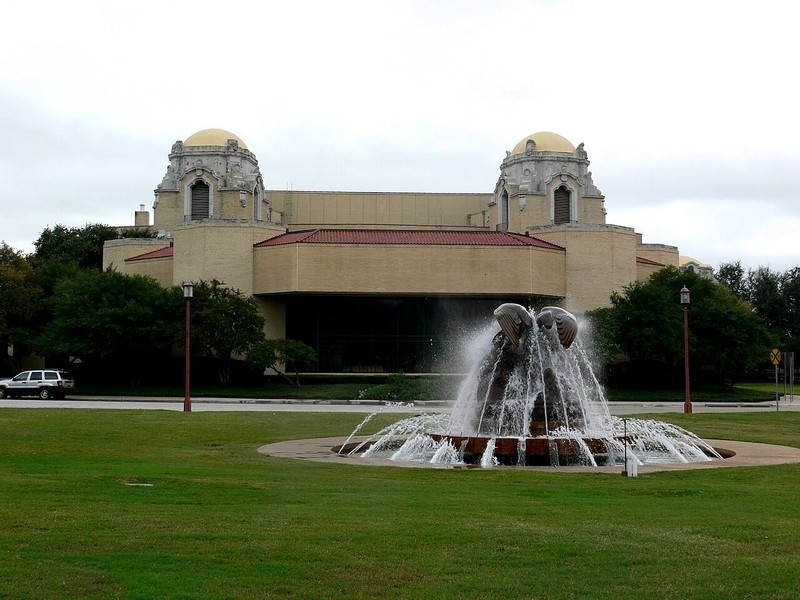
- The music hall was built in the Spanish colonial style. At first it was the "General Motors" pavilion. It differs from the others by 6 towers with cast semicircular domes. There used to be an opera house in this place, now it is a venue for music festivals.
How to get
Fair Park is located 5 kilometers east of the central part of Dallas. You can get here via the DART Rail green line, the nearest stations are Fair Park Station, MLK, Jr. Station. Parking is provided for visitors, you can rent a car or call a taxi.
Gallery