El Guacharo is a famous limestone cave in northeastern Venezuela, near the town of Caripe in Monagas State. It is one of the country's most impressive underground natural attractions. The cave is known for its spacious chambers, winding galleries, underground water and colonies of unusual nocturnal birds called oilbirds, or guácharos.
More than 10 kilometres of the cave system have been explored. Over millions of years, water gradually dissolved the limestone, creating underground passages, cavities and remarkable mineral formations. Today, El Guacharo attracts tourists, speleologists, biologists and researchers studying karst landscapes.
History and exploration
One of the most important events in the cave's history was the visit of German naturalist Alexander von Humboldt in 1799. During his travels in Venezuela, he explored the cave and described its unusual environment and the behaviour of its resident birds. His observations introduced this remarkable place to the European scientific community.
On 15 July 1949, the cave received natural monument status. This was an important step towards protecting its unique underground environment and wildlife. In 1975, the surrounding area was designated a national park, extending protection beyond the cave itself to the forests, mountain slopes and watersheds that sustain its ecosystem.
Size and structure of the cave
El Guacharo is a complex system of limestone galleries and underground chambers. Its entrance is imposing, and beyond it lies a world of dim light, humid air and unusual sounds. The known cave system extends for more than 10 kilometres, although not every section is open to visitors.
The tourist route follows a designated part of the cave. As visitors proceed, the width of passages, height of ceilings and appearance of the surrounding rock change. Some galleries open into spacious chambers, while others become narrow and winding. Underground streams and surfaces still being shaped by water can be found deeper inside.
The cave formed through the action of water entering cracks in limestone and gradually dissolving the rock. Cavities developed and eventually connected into a complex network. Such karst systems can take an extremely long time to form, and their present appearance reflects the continuing interaction of water, minerals and rock.
Stalactites, stalagmites and rock formations
One of El Guacharo's natural treasures is its mineral formations, created as water moves through limestone. Water dissolves small quantities of calcium carbonate and later deposits minerals on the cave ceiling, walls and floor. Over time, stalactites grow down from above while stalagmites rise from the ground.
As these formations grow and connect, they can create stone columns. Some areas contain elaborate shapes resembling curtains, waves or frozen streams. Their forms depend on water flow, mineral content, humidity and other conditions inside the cave.
These formations grow very slowly. Even minor damage can destroy structures that took a long time to develop. Visitors should therefore avoid touching the formations and remain on authorised routes.
The oilbird – the cave's best-known resident
The cave takes its name from the guácharo, an unusual nocturnal bird scientifically known as Steatornis caripensis. These birds spend daylight hours in the darkness of the cave, gathering on ledges and in sheltered recesses. At dusk, they leave their roosts to search for food.
Oilbirds feed mainly on fruit, particularly the fruits of oil palms and other plants. Unlike many birds that are active during the day, they are adapted to life in complete darkness. Their sense of smell and echolocation help them navigate underground passages where ordinary vision is insufficient.
For echolocation, the birds produce short clicking sounds and detect the returning echoes. This helps them avoid collisions with walls and other obstacles. Oilbirds are among the few bird species known to use echolocation, although their system differs from that of bats.
Oilbird colonies play an important ecological role. When the birds leave the cave, they disperse seeds from the fruits they eat over considerable distances. This helps plants spread and forests regenerate. Protecting their feeding grounds outside the cave is as important as safeguarding their nesting sites.
Underground life and the ecosystem
Although sunlight does not reach the deeper parts of the cave, a distinct ecological system exists there. It includes birds, bats, insects, other invertebrates and microorganisms. Organic material carried by animals or water provides food for different forms of life.
Bird droppings and food remains support many food-web relationships in areas where plants cannot grow because there is no light. Insects and other small organisms use these resources, influencing the lives of larger inhabitants of the underground environment.
Cave ecosystems are especially sensitive to external disturbance. Water pollution, changes in forest cover, excessive noise and human interference can disrupt a balance that developed over a long period. Access to certain sections is therefore restricted, and visits are organised with wildlife protection in mind.
El Guacharo National Park
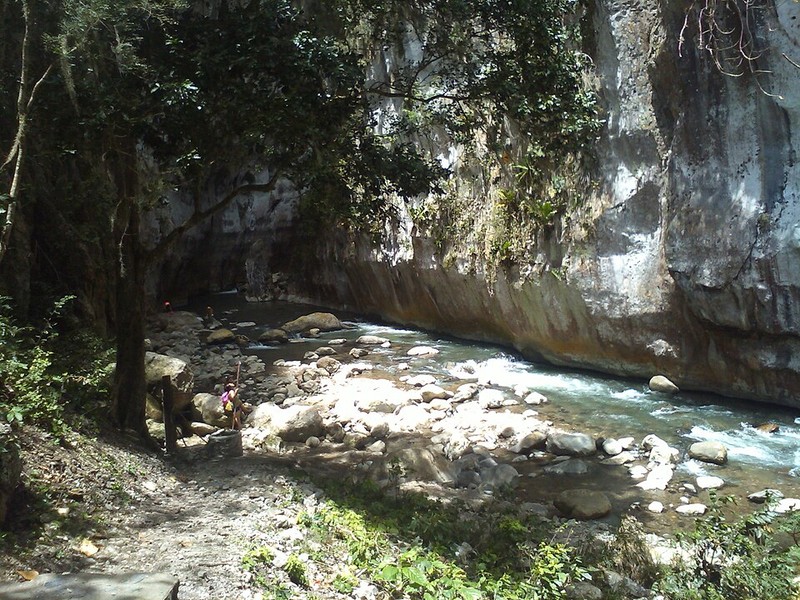
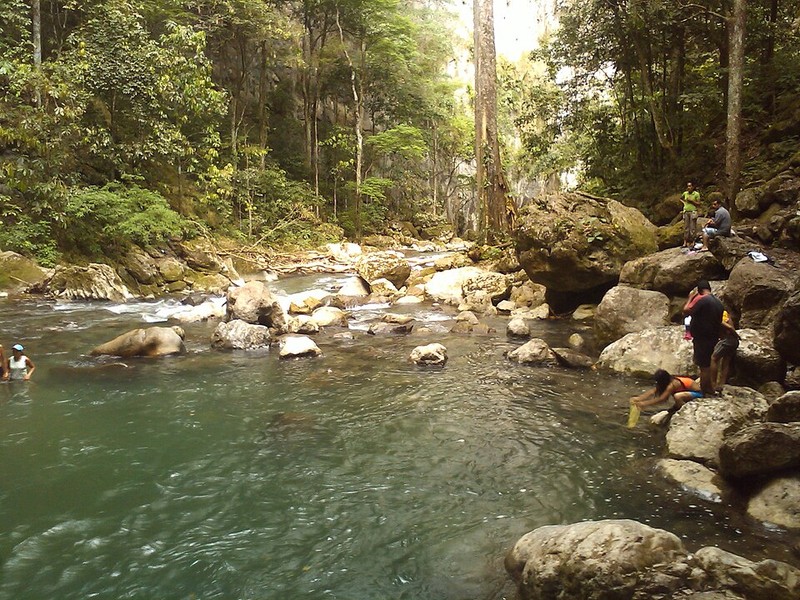
The cave lies in a mountainous region containing humid tropical forests, areas of cloud forest, valleys and numerous streams. The national park protects not only the underground galleries but also the surrounding natural areas that sustain water flows and provide food for the birds.
The mountain forests contain a variety of plants, including ferns, epiphytes, orchids and trees adapted to humid conditions. Birds, mammals, reptiles and invertebrates also live here. Differences in elevation and natural conditions create many ecological niches.
Forests around the cave help retain moisture, protect soil from erosion and regulate water entering underground systems. Deforestation and pollution in watersheds can affect the cave even in places where there is no direct human activity.
What visitors can see
The main impression of a visit is the transition from a bright tropical forest into a cool, dark underground world. Near the entrance, visitors hear the surrounding forest; inside, the sound of dripping water, bird calls and echoes from the rock ceilings gradually becomes more noticeable.
The tourist route passes through large chambers, limestone walls, stalactites and stalagmites. Some areas have unusual acoustics, while others are notable for the shapes of their rock surfaces. In the birds' roosting areas, colonies and signs of their long-term presence are particularly evident.
The experience depends on the time of the visit, the condition of the route and current conservation rules. Not every gallery is accessible to tourists, as parts of the cave system are reserved for research and the protection of sensitive wildlife.
Caripe and the surrounding area
The nearest town is Caripe, a mountain settlement often used as a base for trips to the cave. It is known for its cooler climate compared with many Venezuelan lowland areas, green surroundings and agricultural traditions.
Fruit, citrus and coffee are cultivated around Caripe. Local markets and small businesses offer a glimpse of regional produce and everyday life in mountain communities. A visit to the cave can be combined with walks in the surrounding area and exploration of the landscapes of Monagas State.
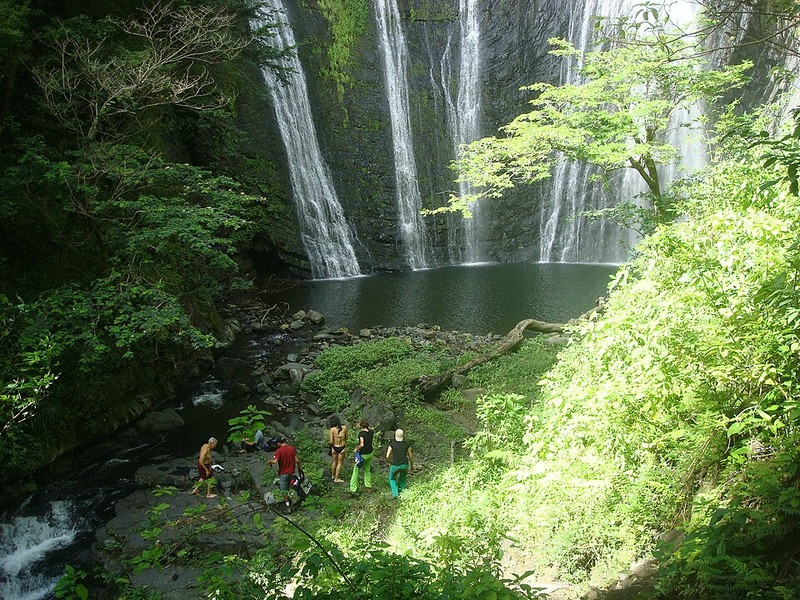
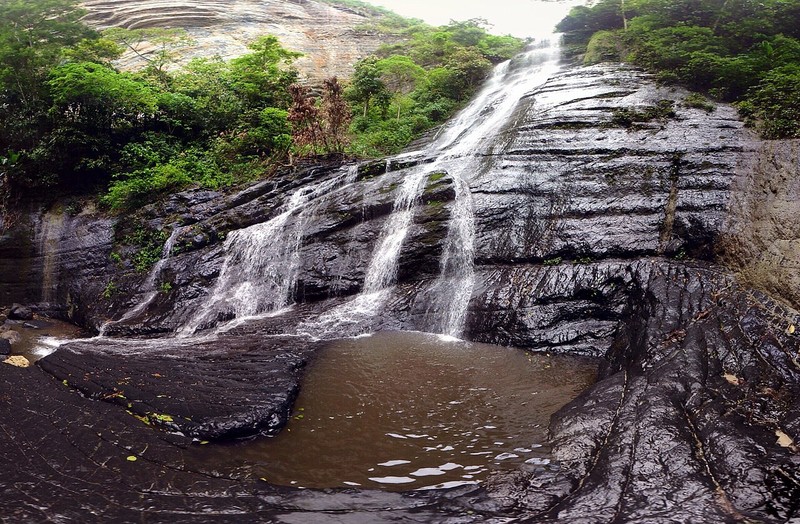
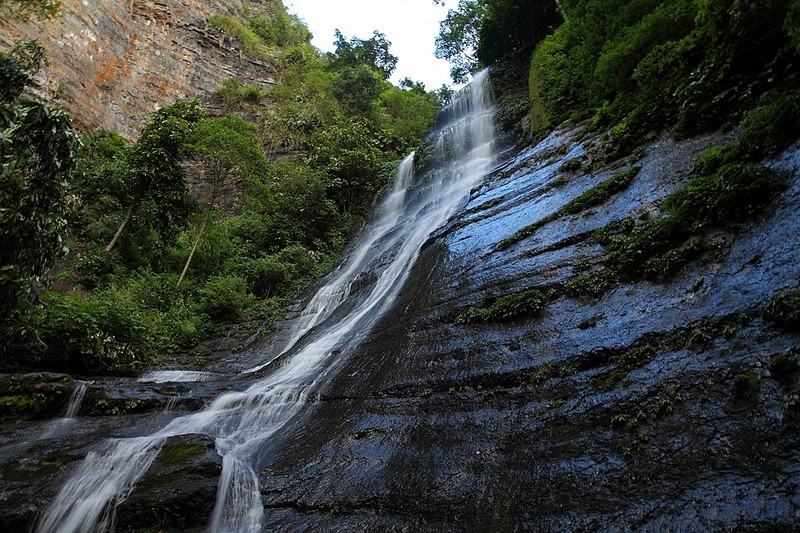
The national park also contains other natural attractions, including forest trails and waterfalls. Salto La Paila waterfall, for example, is known to visitors. Before travelling, check which trails are open and what visitor conditions currently apply.
Preparing for a visit
The cave is cool and humid, and some sections of the path may be wet and slippery. Comfortable footwear with good grip and clothing suitable for damp conditions are recommended. It is useful to check the tour duration, lighting conditions and visitor requirements in advance.
Visitors should stay on marked routes, avoid loud noise near bird colonies and refrain from using bright lights where prohibited. Animals must not be touched, minerals must not be collected, and litter must not be left behind. These rules help preserve the formations and minimise disturbance to the cave's inhabitants.
Access to individual sections, schedules and visiting rules may change. Before travelling, check current information with the national park administration and follow the instructions of authorised guides.
Protecting natural heritage
El Guacharo is important not only as a tourist attraction but also as a habitat for specialised wildlife. Protecting the cave requires safeguarding both its inner chambers and the surrounding forests. Damage to vegetation can affect the birds' food supply, water balance and slope stability.
Scientific research helps explain the cave's geological development, oilbird behaviour and the connections between underground and terrestrial ecosystems. Conservation work also includes environmental education, visitor management and rules designed to reduce human impact.
El Guacharo remains one of Venezuela's most unusual natural places. Its vast limestone galleries, ancient mineral formations and nocturnal birds create a remarkable underground world. Protecting this heritage allows future generations to study natural processes that have unfolded over millions of years.
Gallery