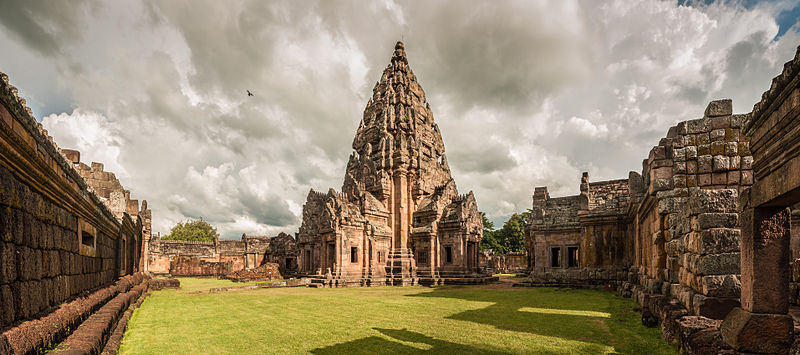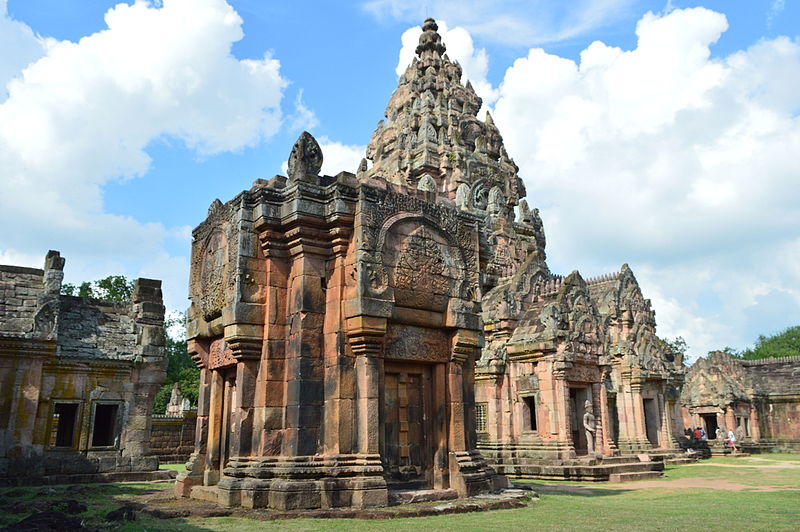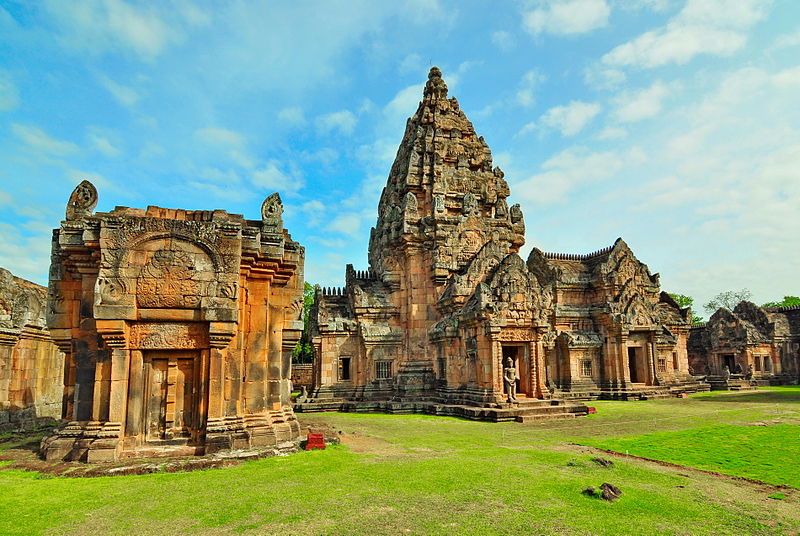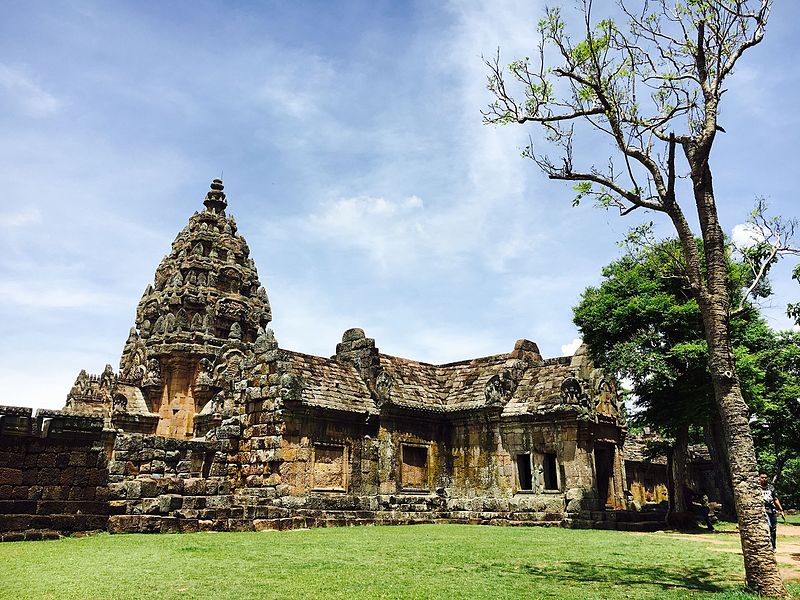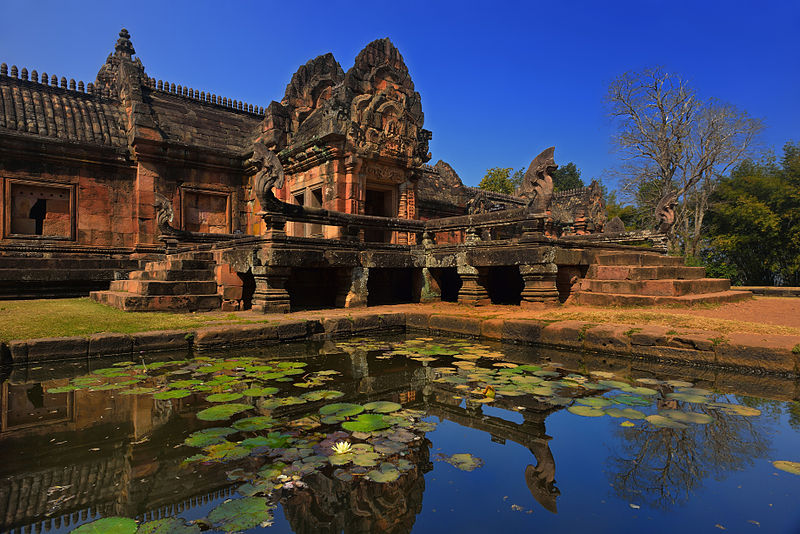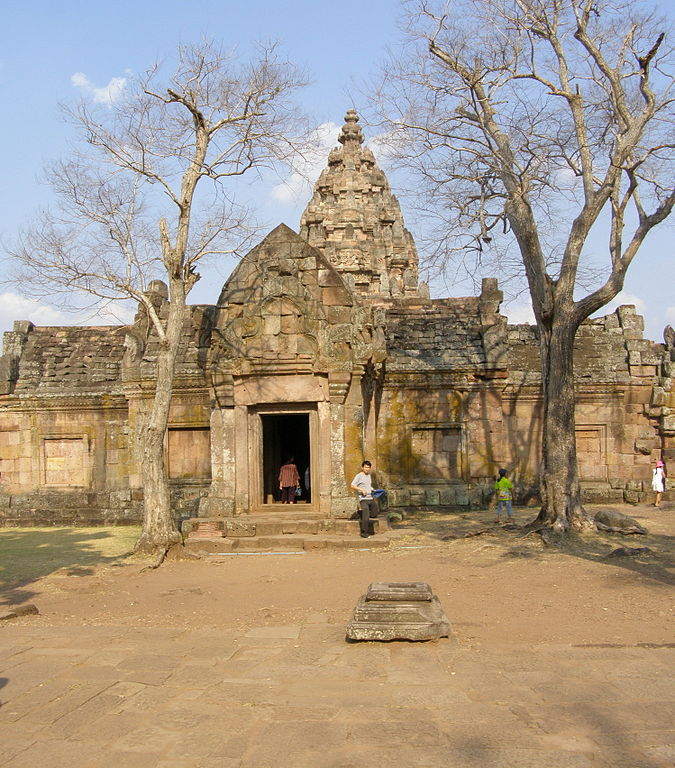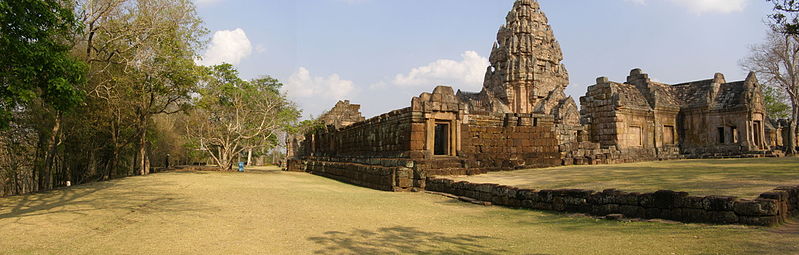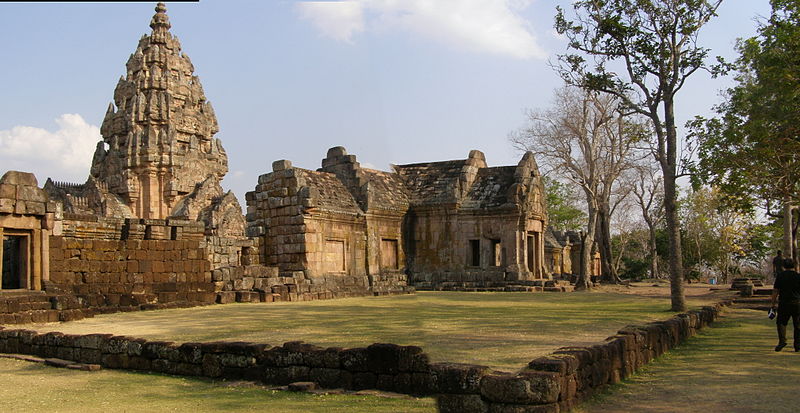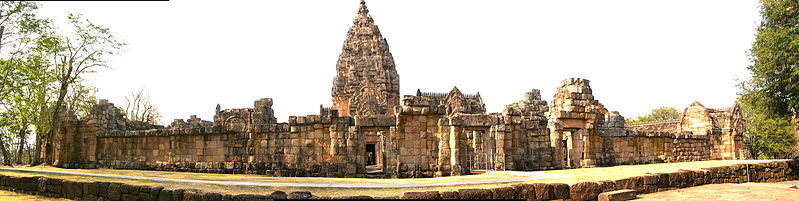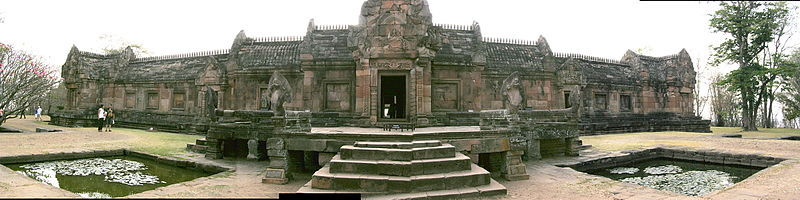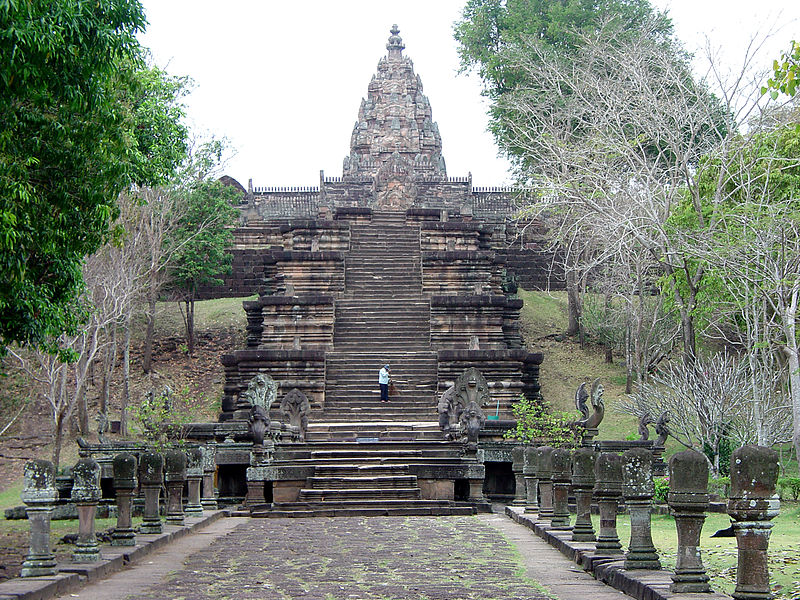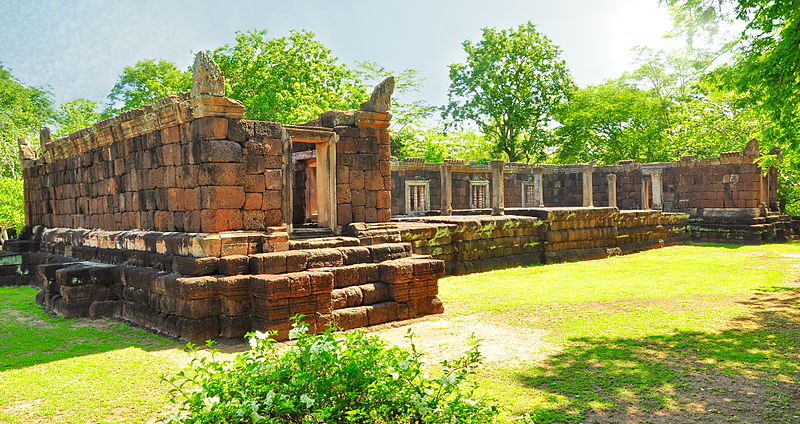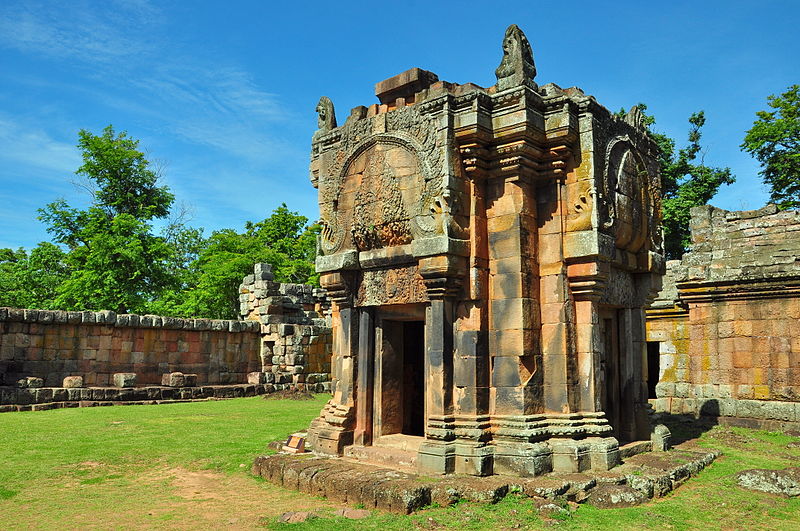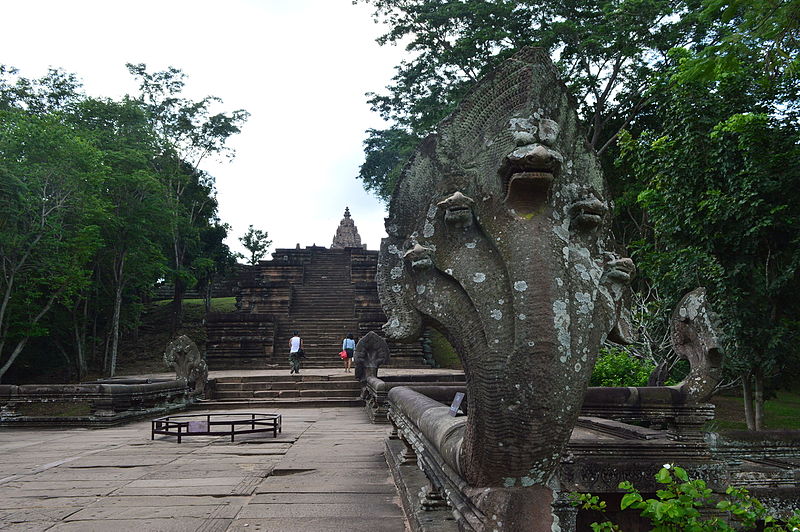

The beautiful Phanom Rung Historical Park is located in the Thai province of Buriram. In 2005, the Thai authorities applied for the temple to be included in the World Heritage List.
The temple stands at a height of 402 meters on top of an ancient volcano. Hence the name of the temple, which translates as "extinct volcano." Phanom Rung was built in the 10th-13th century and dedicated to the god Shiva. The temple itself has become like Mount Kailash for believers - the center of the universe and the dwelling place of Shiva and his wife Parvati.
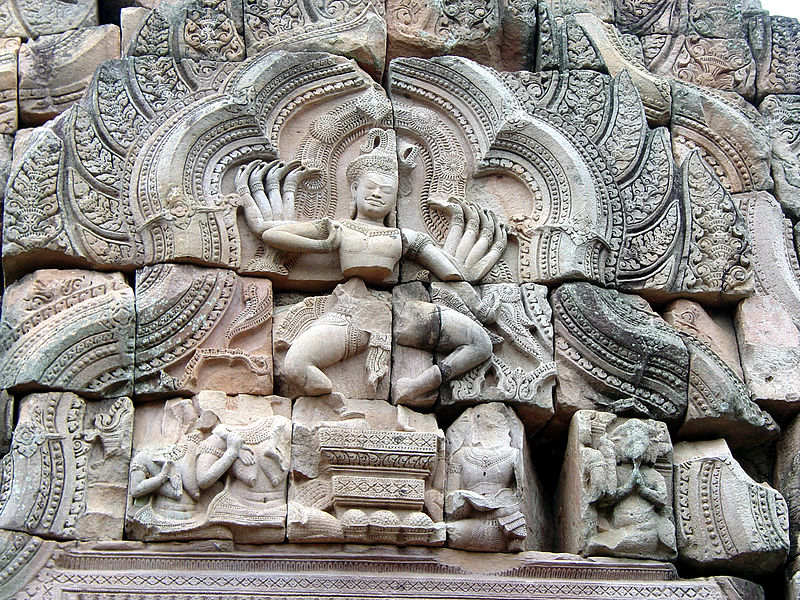
In 1971, reconstruction of the temple began, and 17 years later it was opened to the public by Princess Maha Chakri Sirindhorn. In the same year, one of the main attractions was returned to the temple - the lintel decorating the entrance to the central sanctuary. It was stolen in the 1960s, and in 1967 the jumper was bought by the Art Institute of Chicago, where it was put on public display. After the completion of the reconstruction of the temple, they called for the return of the landmark to the temple. Only after long negotiations and donations from the Elizabeth F. Foundation. The Cheney Museum agreed to give the exhibit away. On December 7, 1988, it was installed in its former place, completing the restoration of the Phanom Rung Temple.
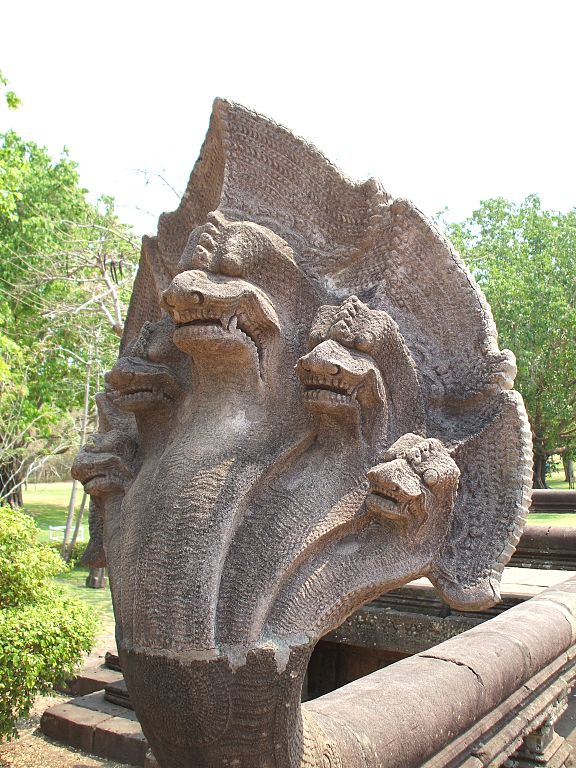
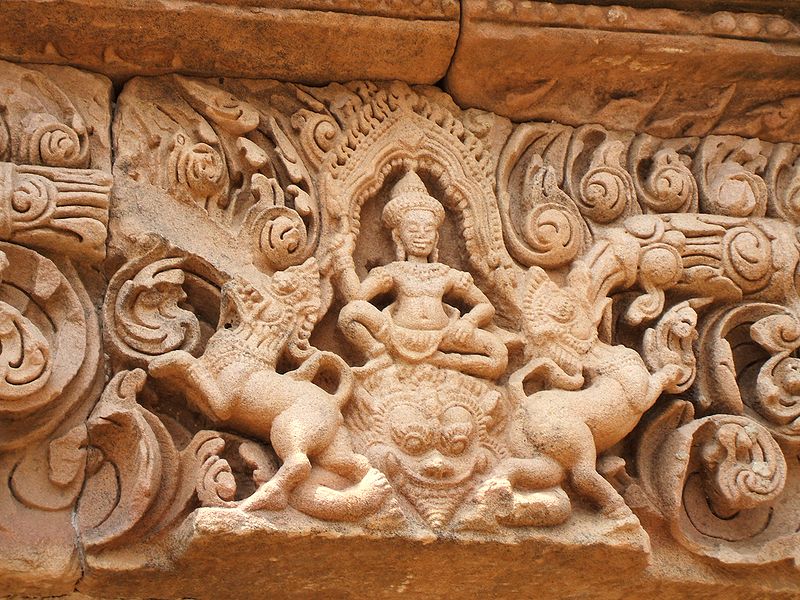
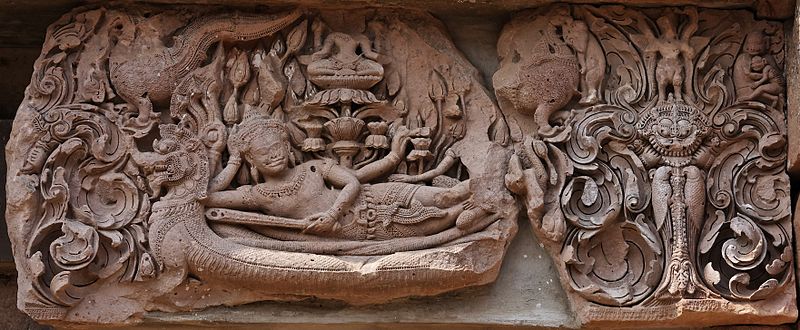
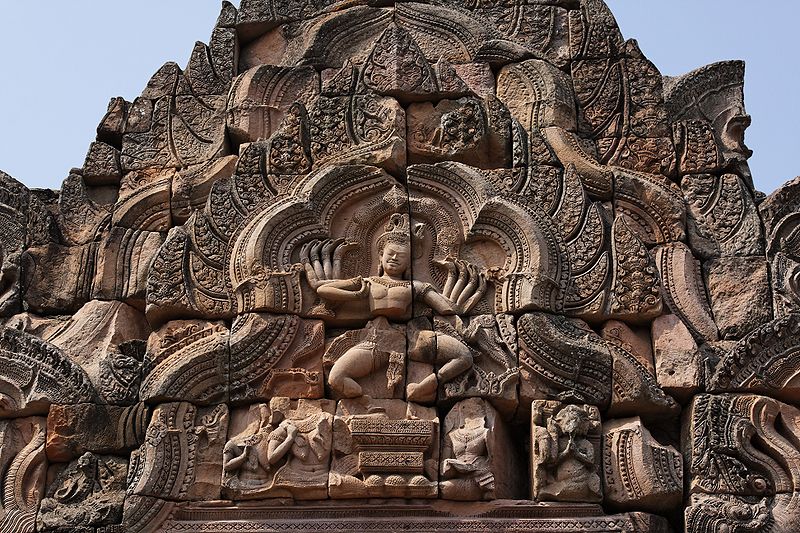
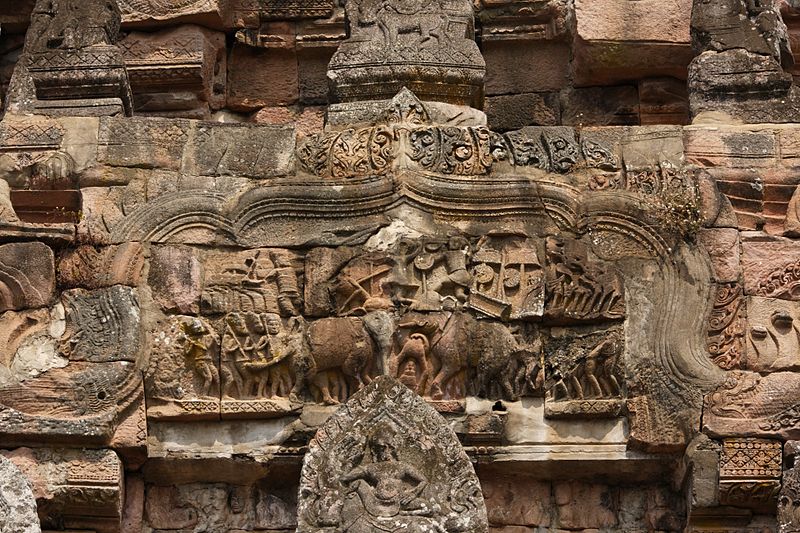
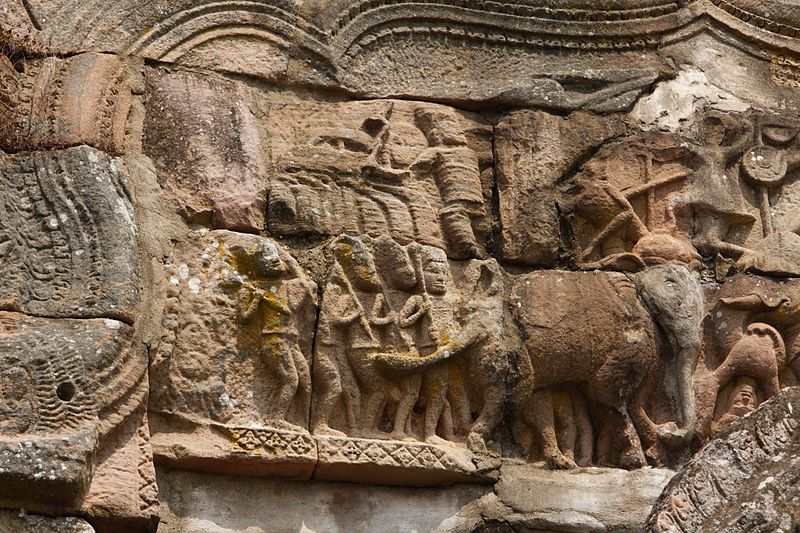
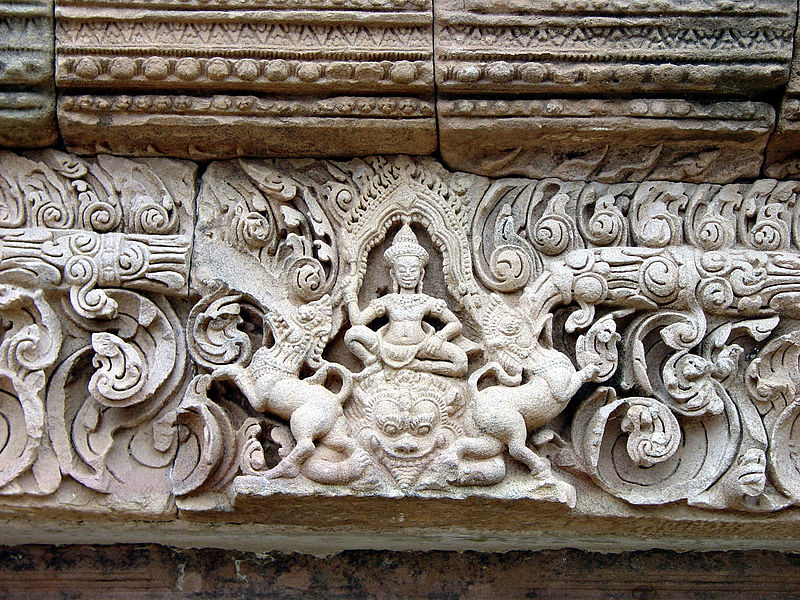
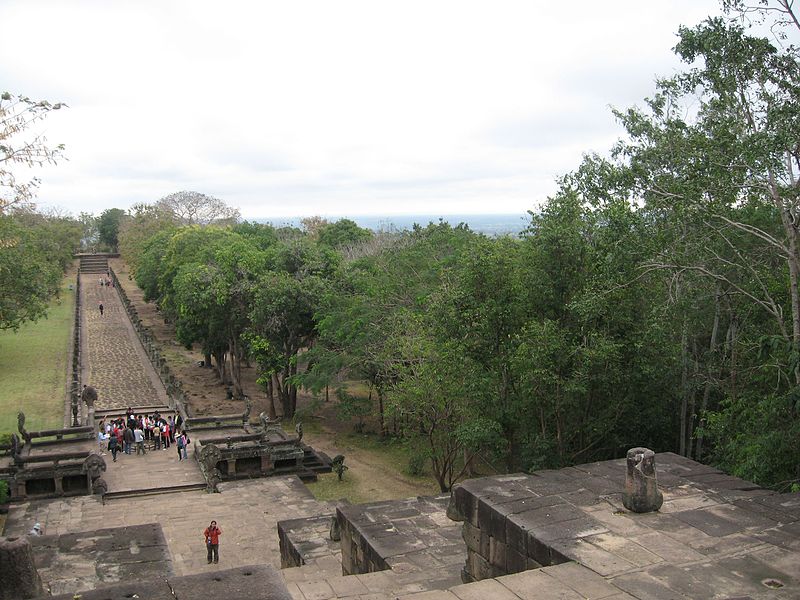
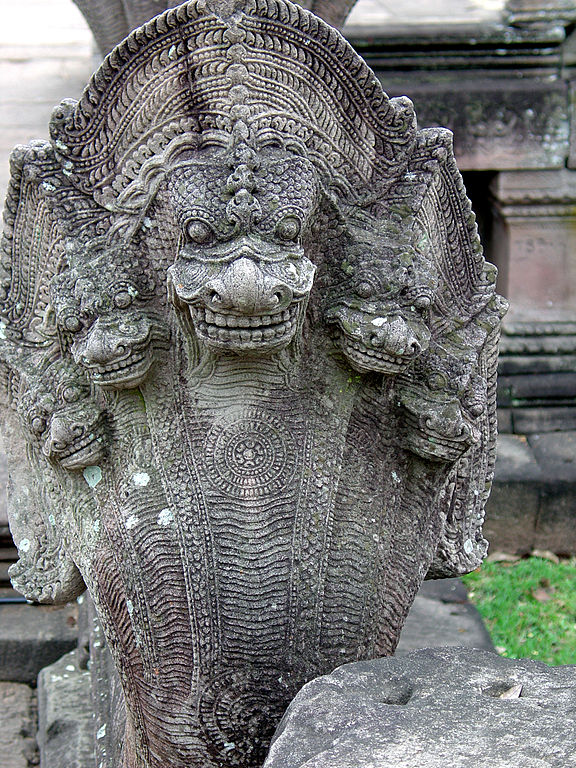
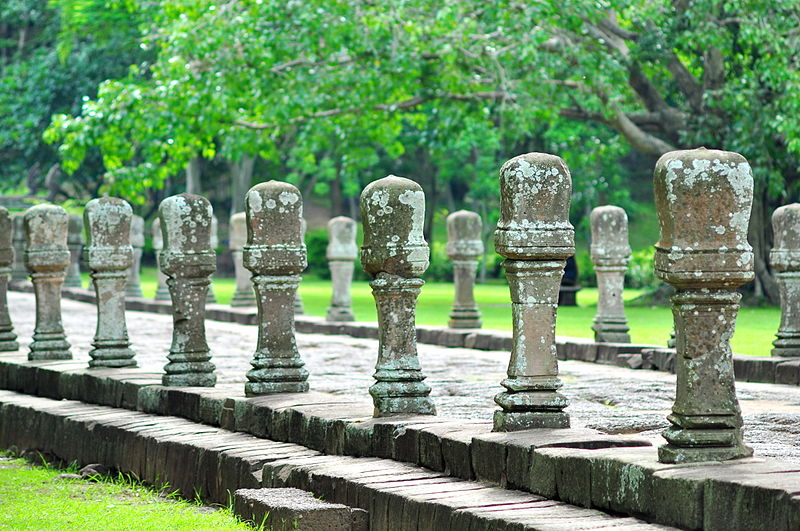
There is a cross-shaped platform in front of the entrance to the temple, and the White House of Elephants pavilion stands to the right of it. It is believed that the royal family changed their outfits for rituals in this pavilion. Then there is a 160-meter-long path, which is decorated with 70 sand pillars, with peaks in the form of lotus buds. The path leads to bridges with nagas (five-headed snakes). The bridge symbolizes the chasm between heaven and earth, and the heads of the snakes are directed in 4 directions of the world. Behind the last bridge is the main sanctuary, the entrances to which are decorated with various lintels. There is a dancing Shiva on the east gate, and a sleeping Cherry Tree on the lintel. According to legend, he is dreaming of a new universe at this moment. The lintels of the other entrances are less significant, they depict the plot of the king's accession to the throne and the head of the lion Kirtimukha, symbolizing that the gods see everything even when they are asleep.
Gallery