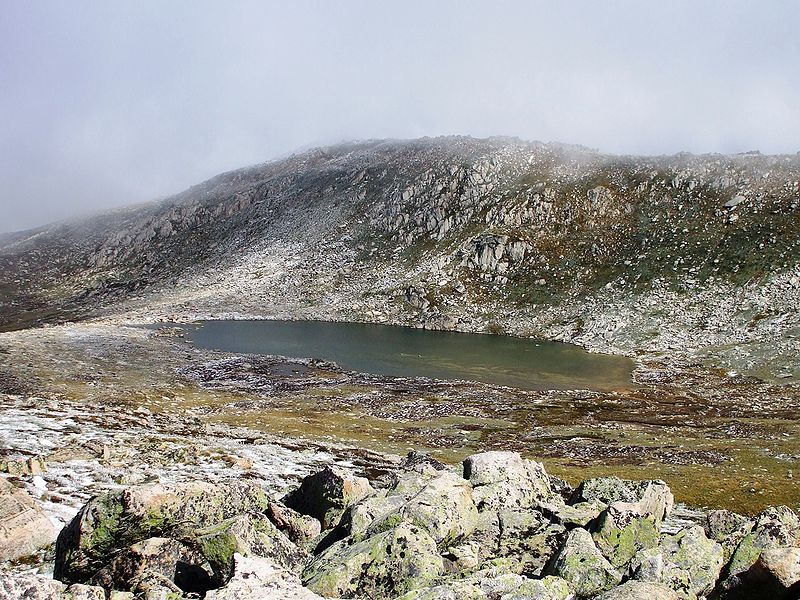
Kosciuszko National Park lies in southeastern Australia, in the state of New South Wales. It covers a large part of the Australian Alps and is known for its high mountains, alpine meadows, glacial lakes, forests and mountain rivers. It is one of the country's most important protected natural areas and attracts visitors throughout the year.
Mount Kosciuszko
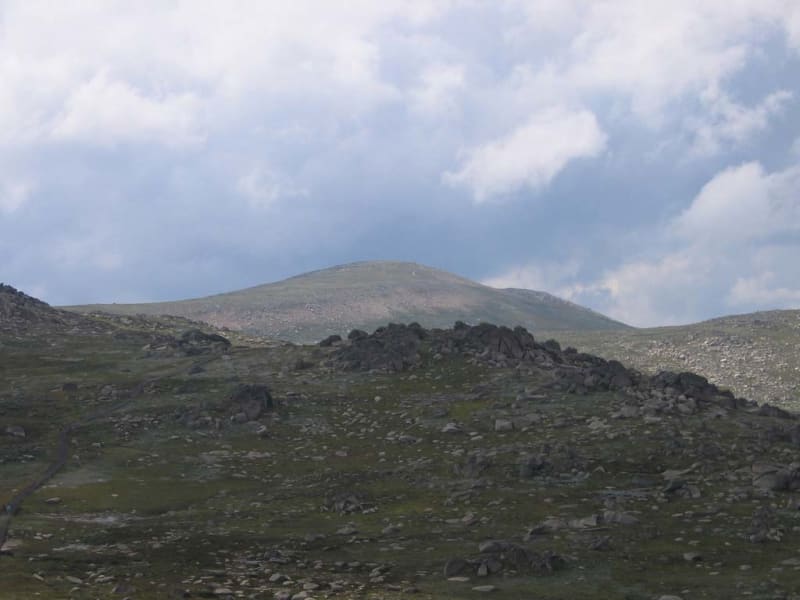
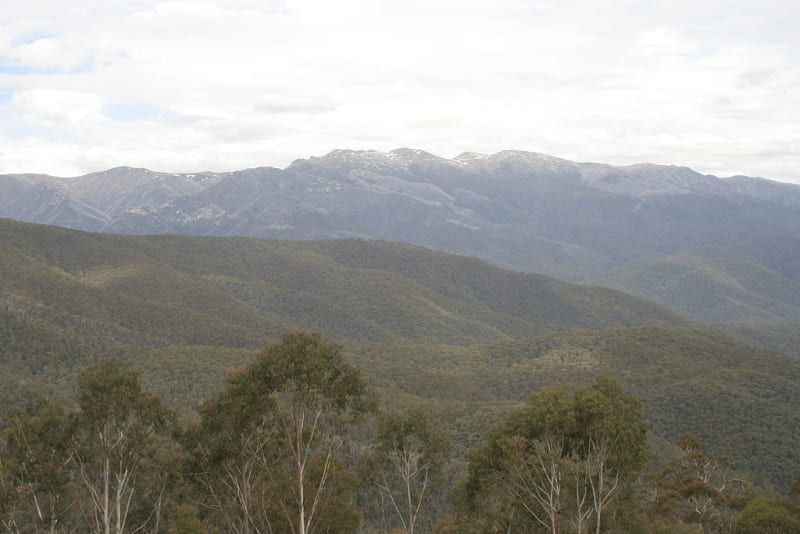
The park's best-known landmark is Mount Kosciuszko, which rises to approximately 2,228 metres above sea level. It is the highest peak on mainland Australia. Popular walking routes lead towards the summit from the Thredbo area and Charlotte Pass. On clear days, the high ground offers expansive views across surrounding ranges, valleys and alpine plateaus.
Alpine landscapes
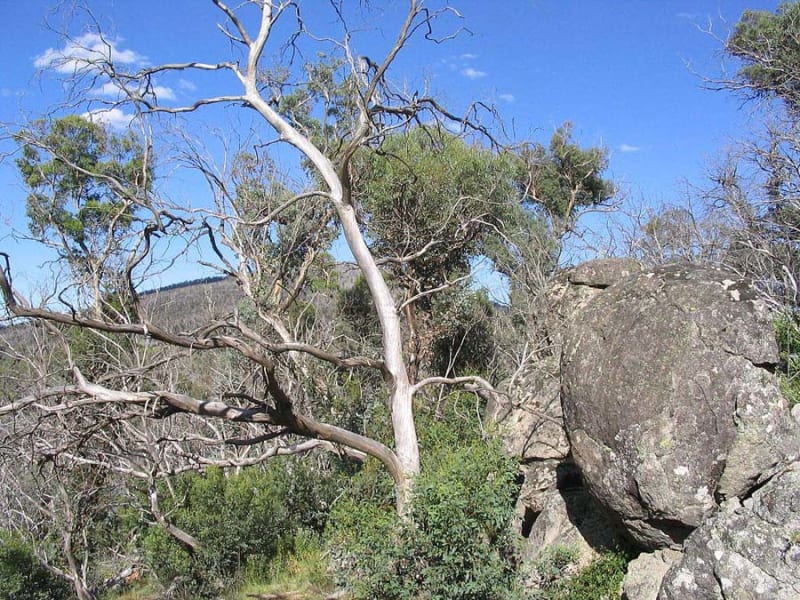
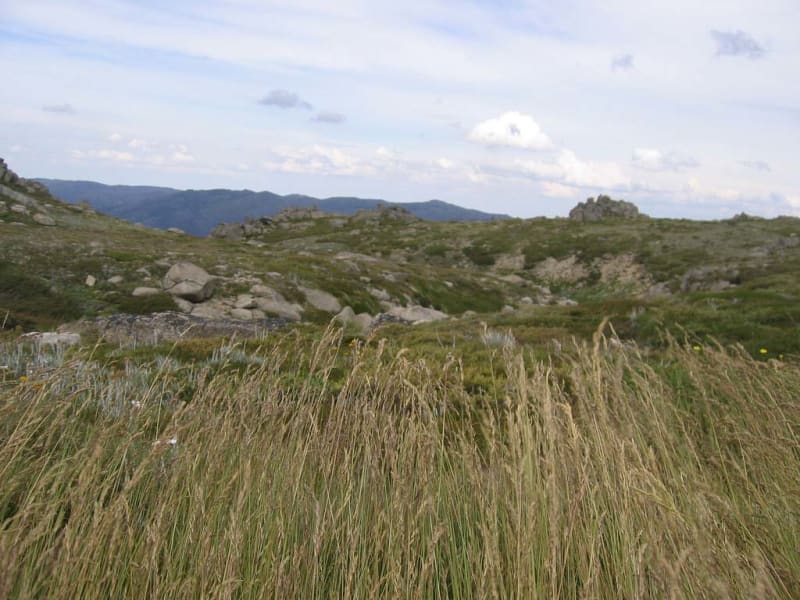
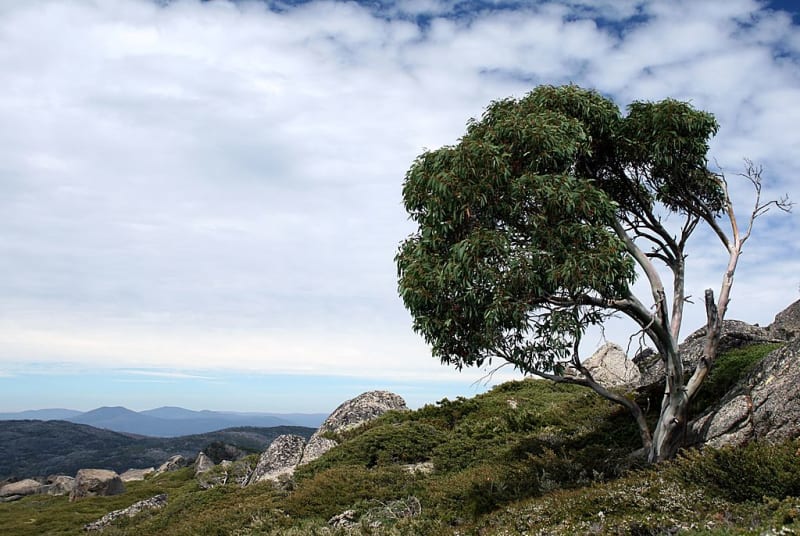
The park contains a wide variety of landscapes. Open alpine meadows, rocky slopes and plants adapted to cool conditions can be found at higher elevations. Evidence of ancient glaciation remains in some areas, including lake basins, moraines and distinctive landforms. Much of the high country receives snow in winter, while summer provides better conditions for exploring many walking trails.
Lakes and rivers
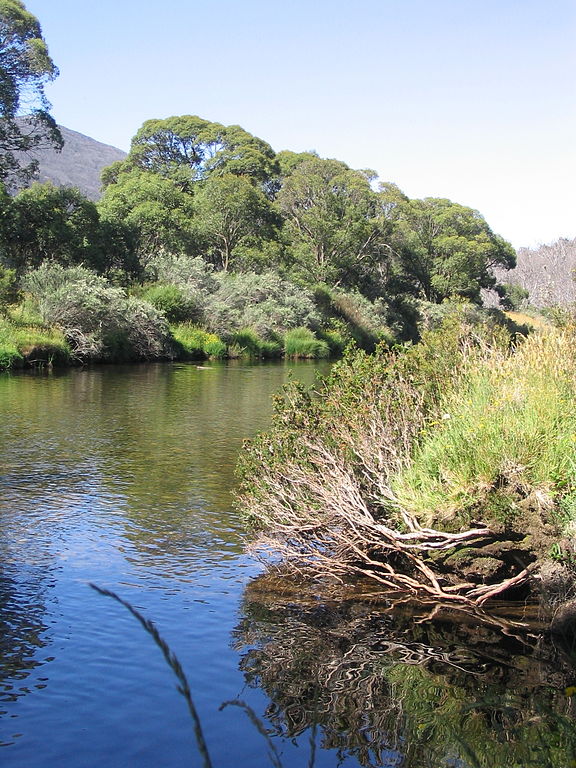
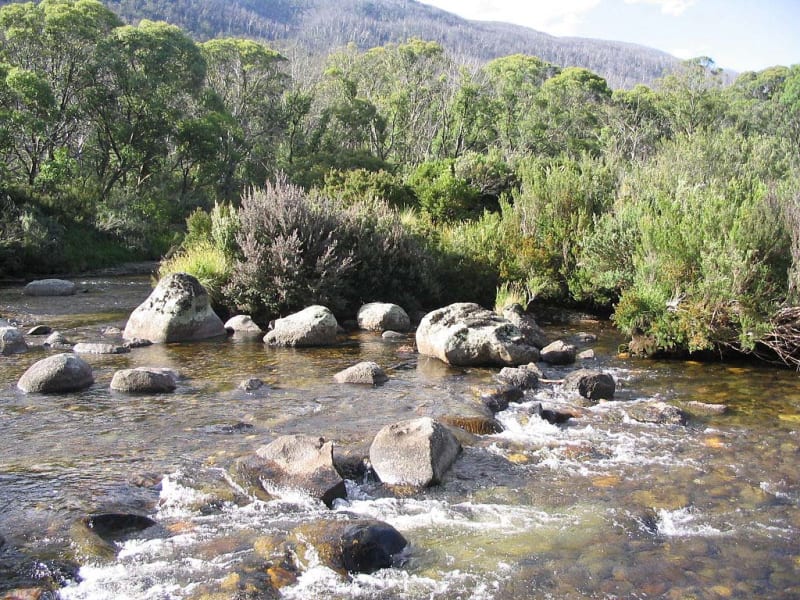
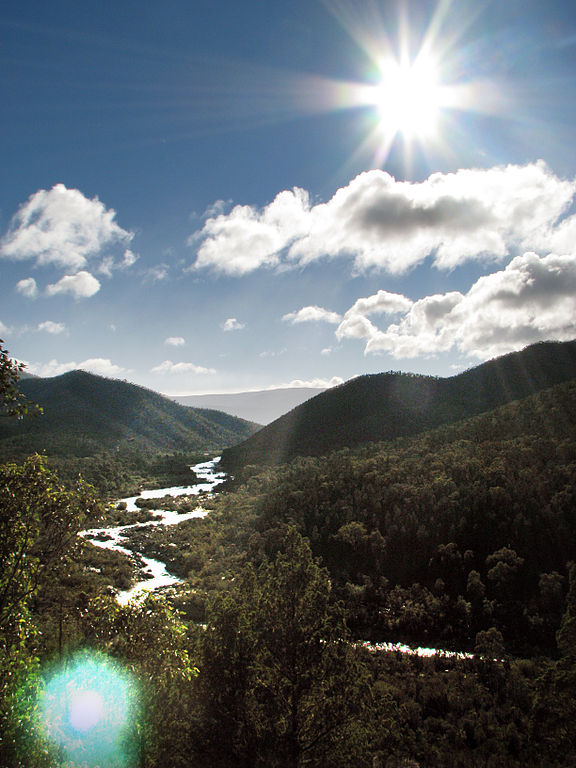
Mountain lakes, streams and the headwaters of important southeastern Australian river systems are found throughout the park. Blue Lake, a glacial lake surrounded by steep slopes and alpine vegetation, is a notable natural feature. Water flowing from the mountains feeds rivers and catchments that are important to the wider region.
Plants and wildlife
Kosciuszko National Park protects habitats ranging from mountain forests to alpine wetlands and meadows. Its flora includes rare plants adapted to the Australian Alps, while its animals cope with pronounced seasonal changes in temperature. One notable species is the mountain pygmy-possum, a small marsupial that is threatened with extinction. Kangaroos, wallabies and many bird species can also be seen in the park.
Walking and outdoor activities
The park offers walking routes of varying lengths and difficulty. Popular activities include climbing Mount Kosciuszko, exploring alpine plateaus and undertaking multi-day hikes through mountain valleys. During warmer months, visitors can also enjoy mountain biking, fishing and camping in designated areas. In winter, the region becomes one of Australia's main destinations for snow sports, especially around Thredbo and Perisher.
Yarrangobilly Caves
The park is also known for the limestone formations of Yarrangobilly Caves. Visitors can see stalactites, stalagmites and other mineral features created over long periods. Some caves can be explored on guided tours. A nearby natural thermal pool offers another reason to visit this part of the park.
When to visit
Summer is well suited to hiking and exploring the alpine scenery, although mountain weather can change quickly even during warmer months. Winter attracts visitors interested in snow and winter sports. Before travelling, check road and track conditions, as snow, strong winds and other weather events may restrict access to some areas.
Conservation
Kosciuszko National Park plays an important role in protecting Australia's distinctive alpine ecosystems. Its protected landscapes support threatened species, safeguard water resources and preserve landforms shaped by ancient geological processes. Visitors should stay on marked tracks, take rubbish away and follow all rules for protected natural areas.
Gallery