
In Brazil, you can plunge into the real jungle and admire the waterfalls, go down in a flimsy boat from the mountains or enjoy the enchanting beauty of the lakes hidden from prying eyes. Or you can visit the amazing Katimbau National Park. It is considered the second most important nature conservation site in the sunny country after Serra da Capivara.
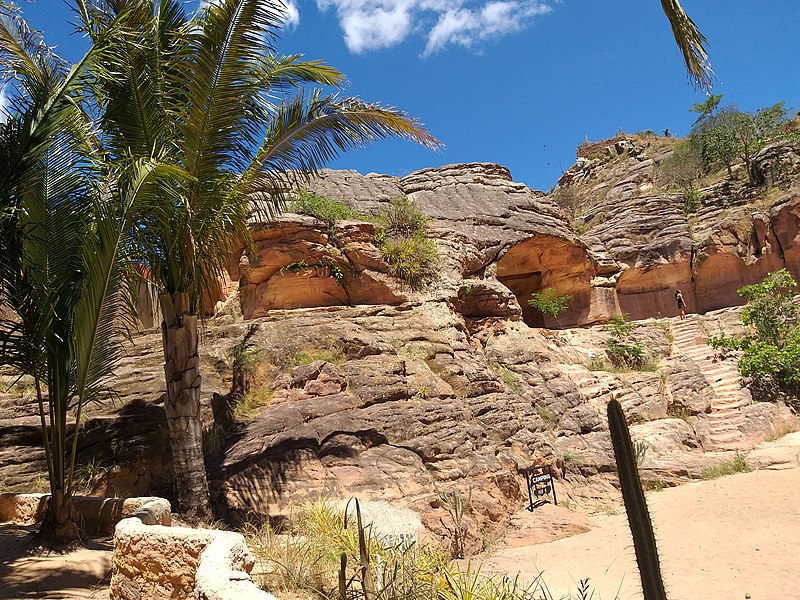
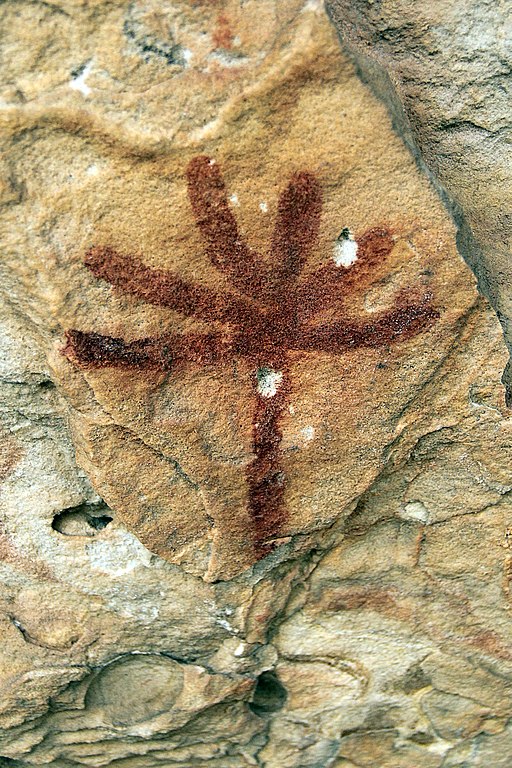
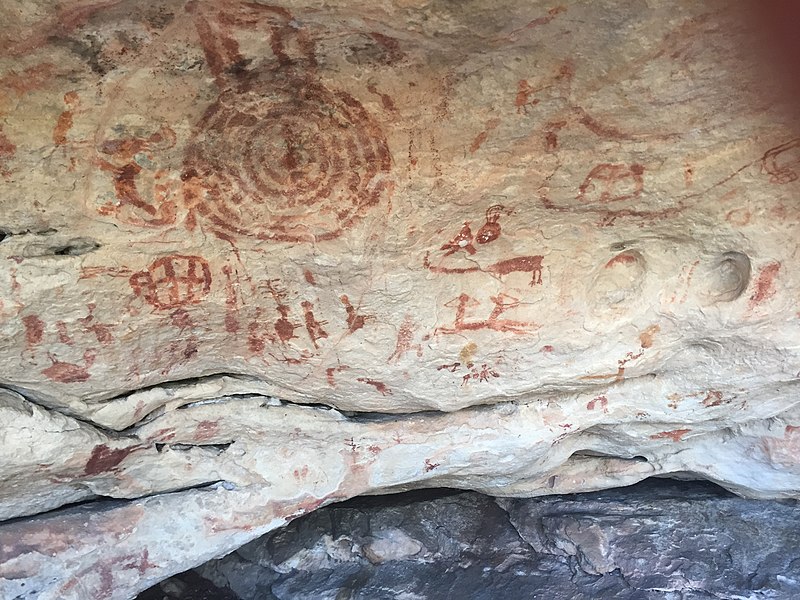
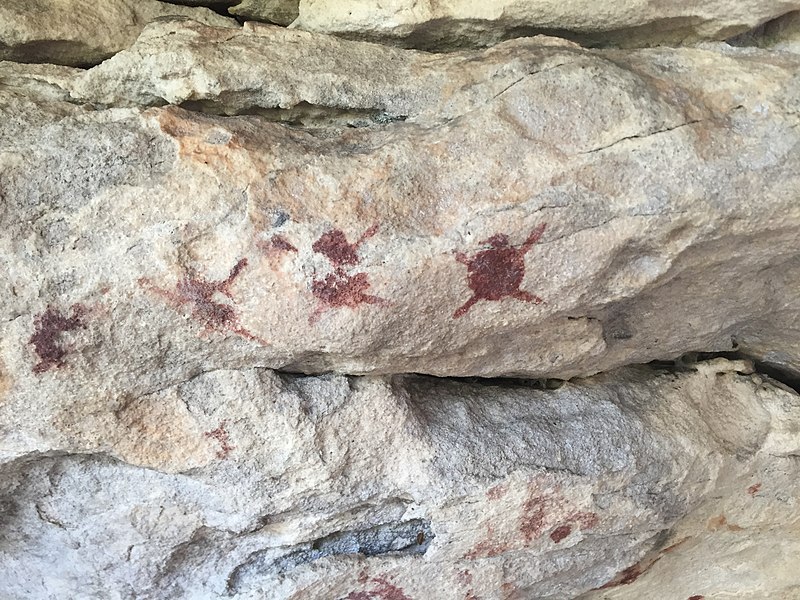
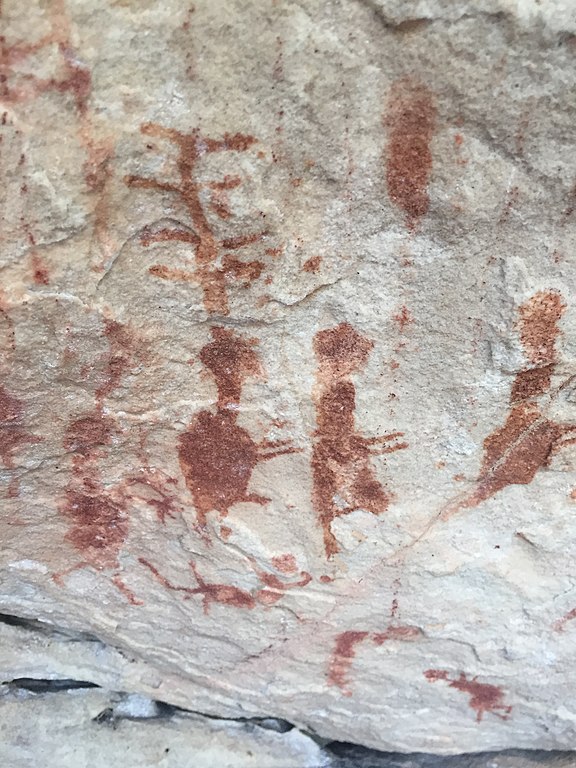
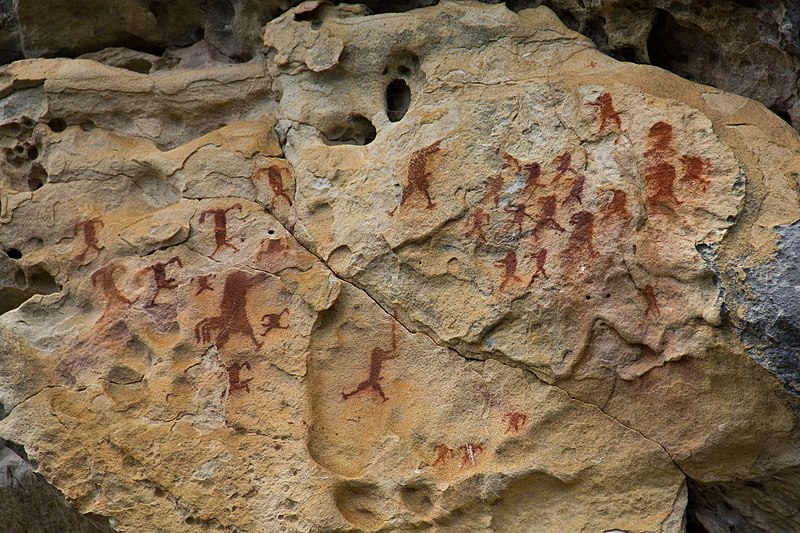
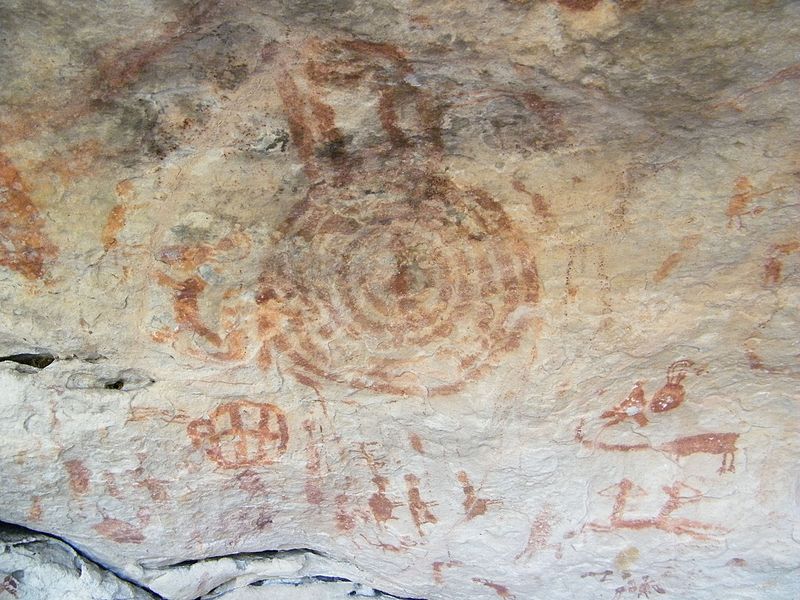
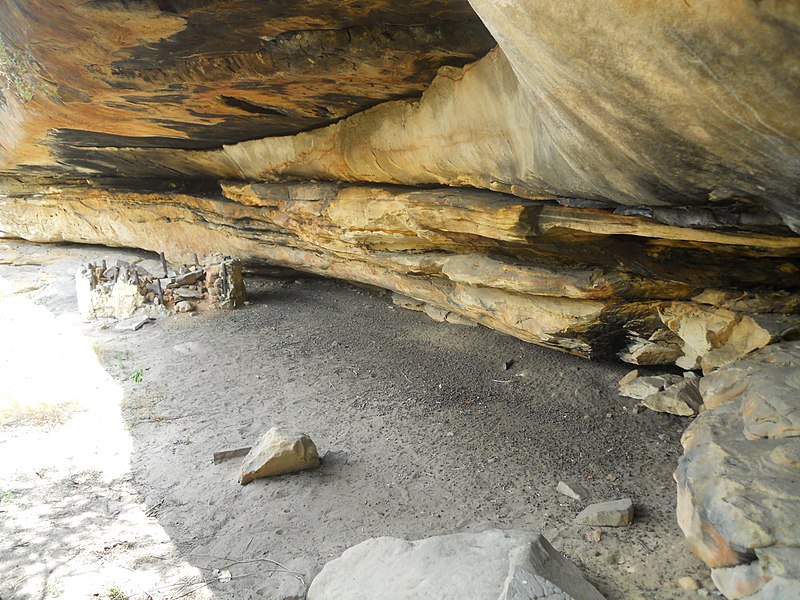
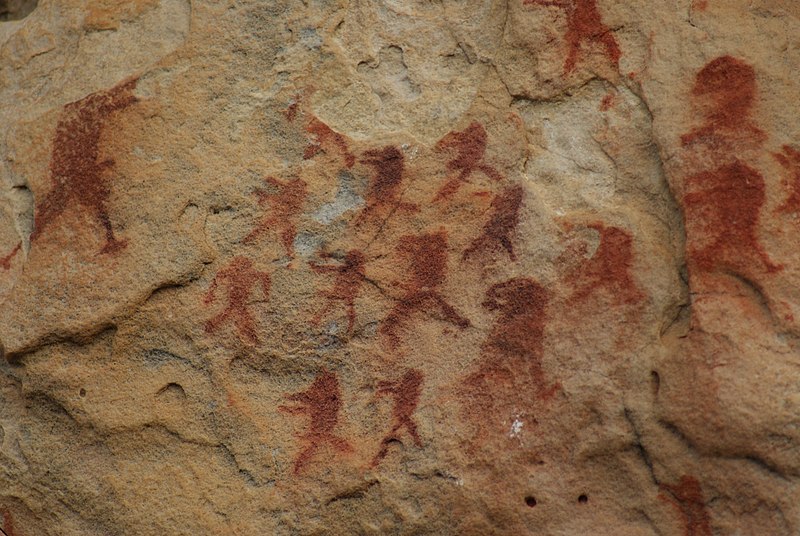
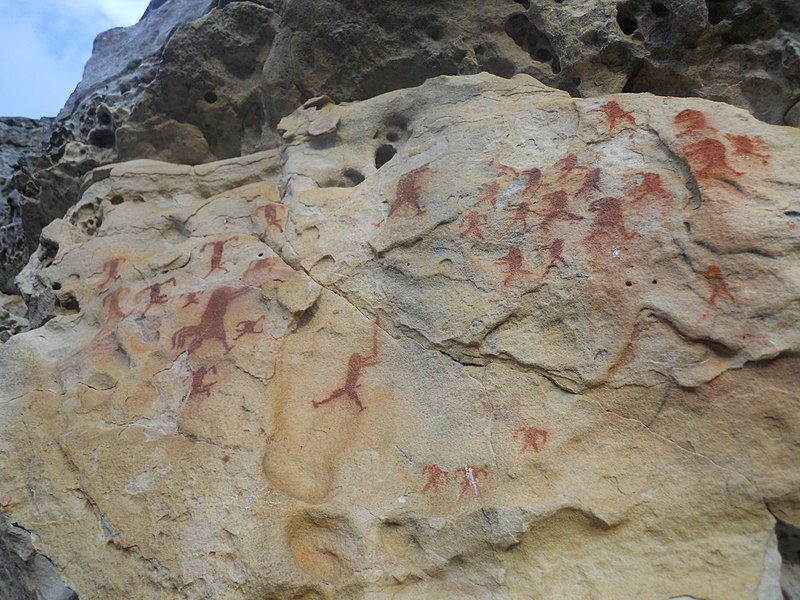
The Serra do Katimbau Park was established in 2002 and today occupies more than 62,000 hectares. Here you can admire the surviving drawings of the most ancient people, who can hardly be counted among the clan of Homo Sapiens, marvel at the artifacts, whose age exceeds 6000 years, visit the numerous caves where once lived the distant ancestors. There are more than 2,000 such caves in the park, however, you can only get into the fully explored habitats of ancient people.
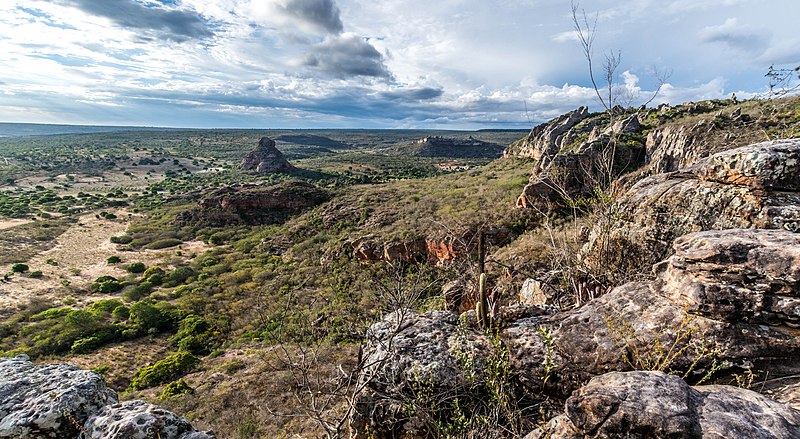
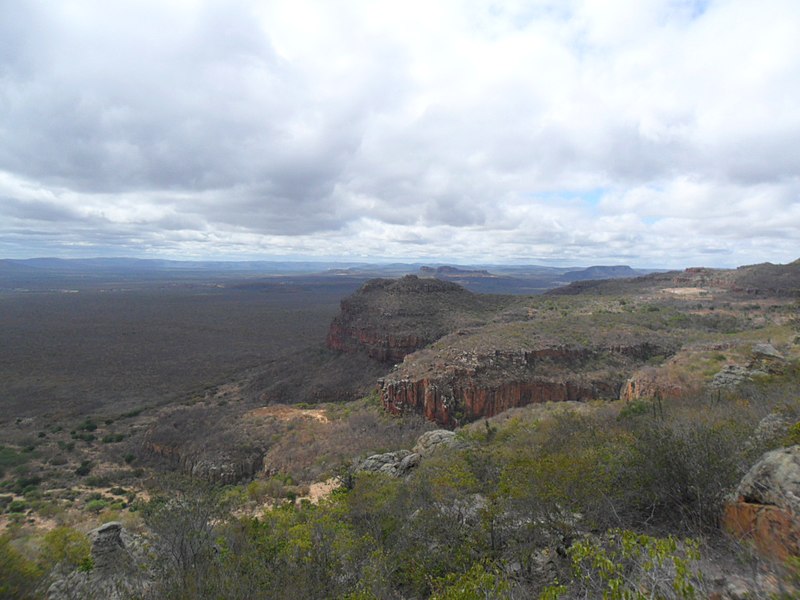
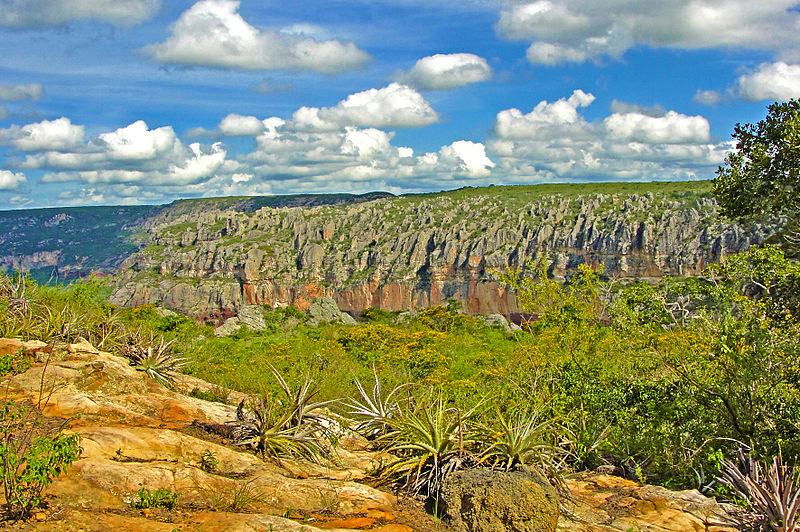
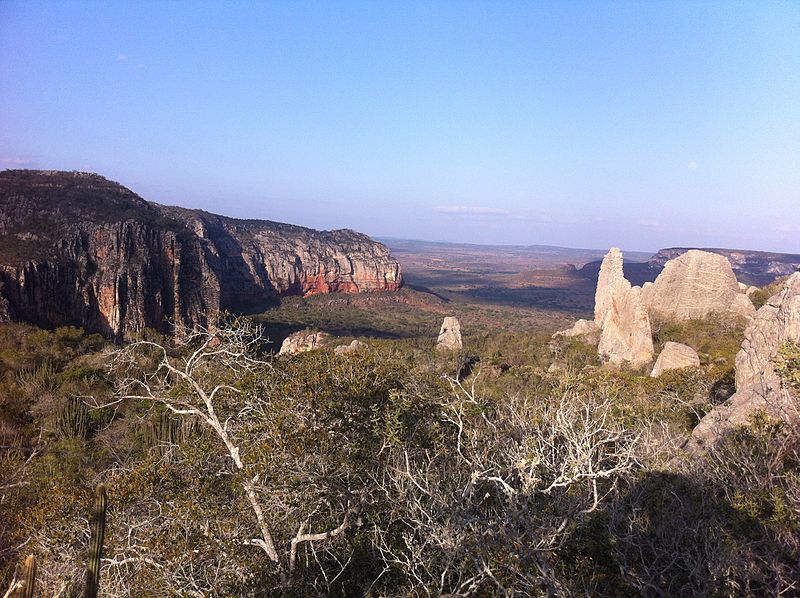
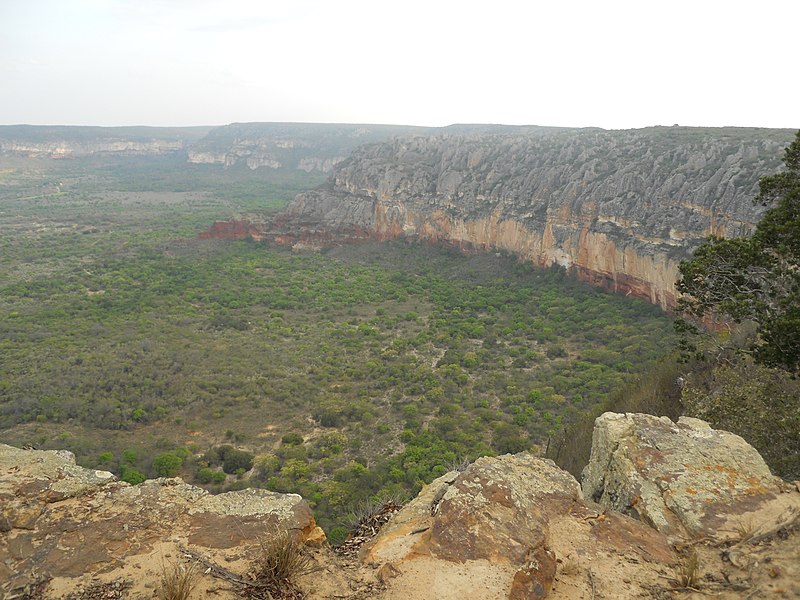
But most tourists are attracted to Katimbau Park not by archaeological excavations, but by an amazing piece of real African savannah, miraculously preserved among the humid forests. The "White Forest" or kaatinga, as scientists call it, appears to travelers as a relatively small area, most of all resembling the semi-desert of hot Africa familiar from school textbooks. There are small shrubs and trees that can shed their leaves in too dry a season, thus reducing the evaporation area of precious moisture. Special attention is drawn to the funny bottle trees, resembling real vessels with water, which they collect during heavy rains, hardy herbs and all kinds of succulents. And, of course, the tour will not be complete without the famous Brazilian cacti and lush agaves.
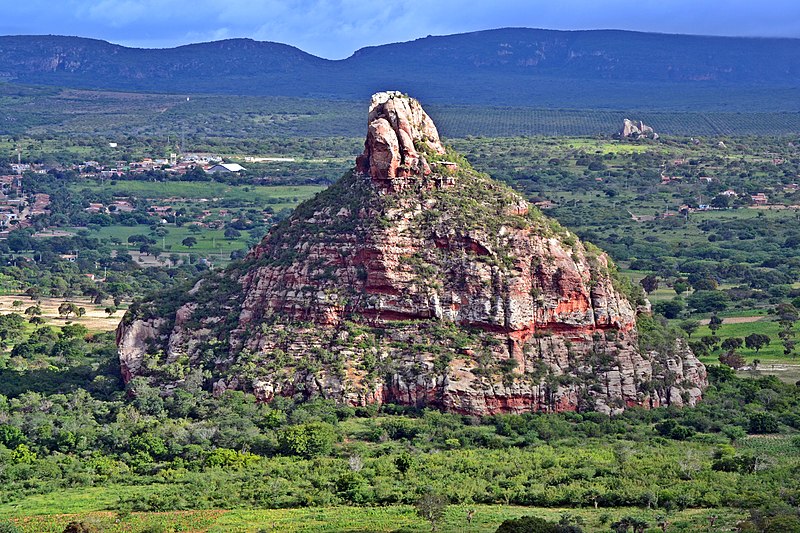
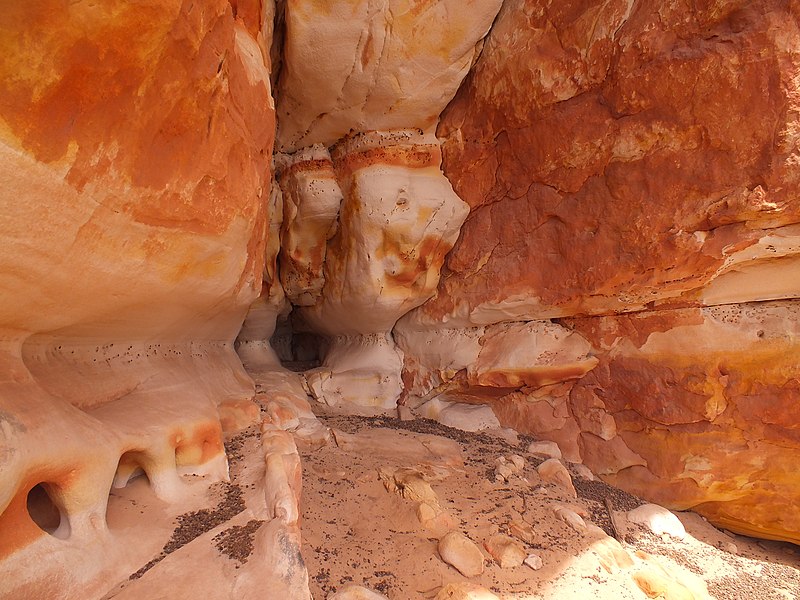
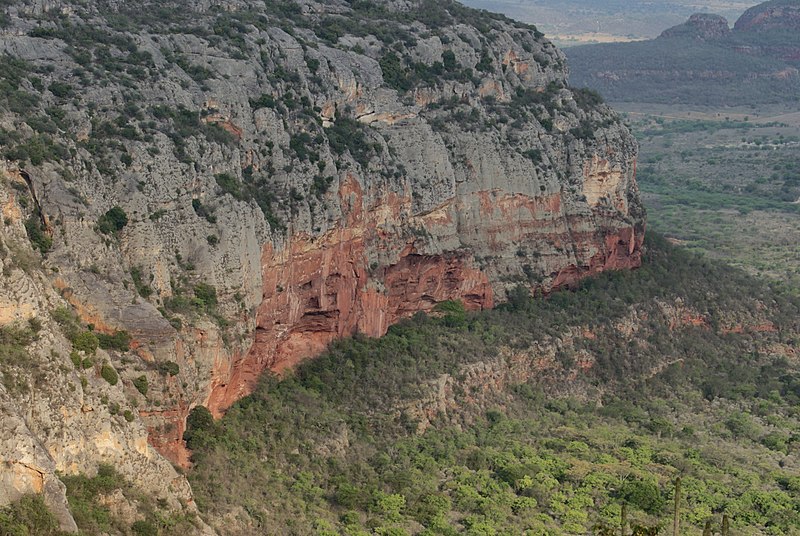
The climate of this territory is also noteworthy: for 9 months there has been a sultry summer, trying to burn out all life, for 3 months it rains, but precipitation falls completely irregularly. A small number of tourists add additional charm to the park: Katimbau is not one of the places to visit, so you can admire the charming views of deep canyons, steep cliffs weathered over millions of years, and sandstone caves almost in proud solitude, especially since admission to the park is free.
There are small Indian settlements in the west of the unique reserve, but they are too far from the paved hiking trails, so it will not be possible to assess the life of the locals.
You can get to Katimbau yourself by rented car or local bus, but most tourists prefer to explore the charming savannah and unique rock paintings as part of tour groups.
Gallery