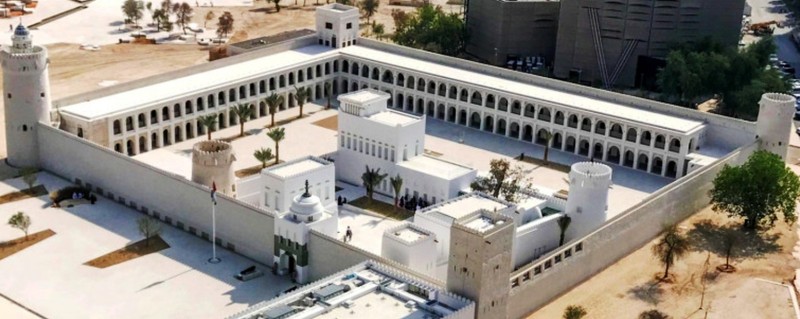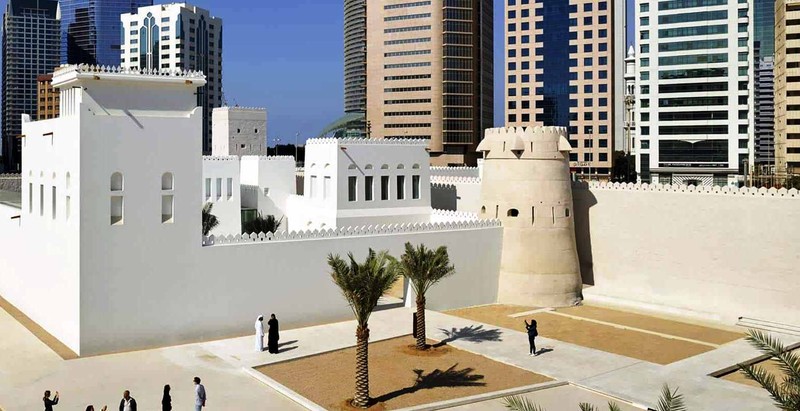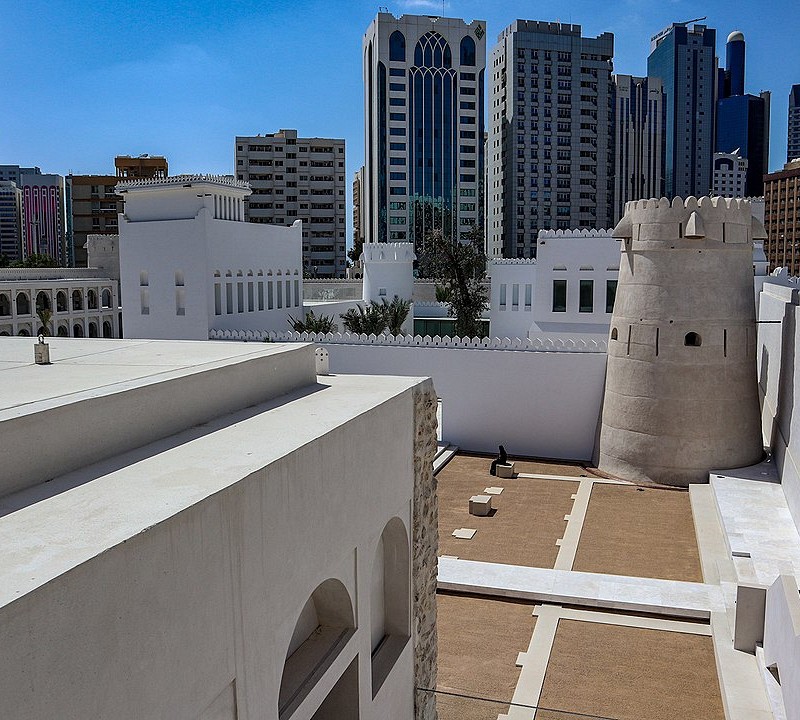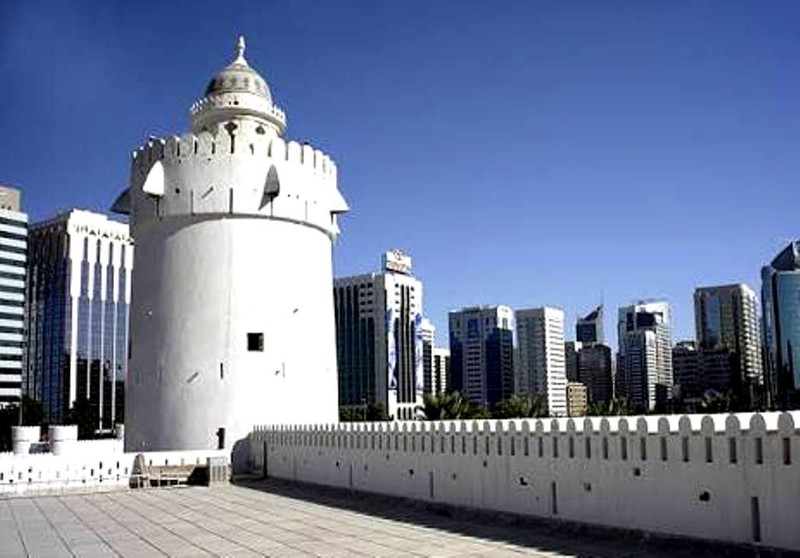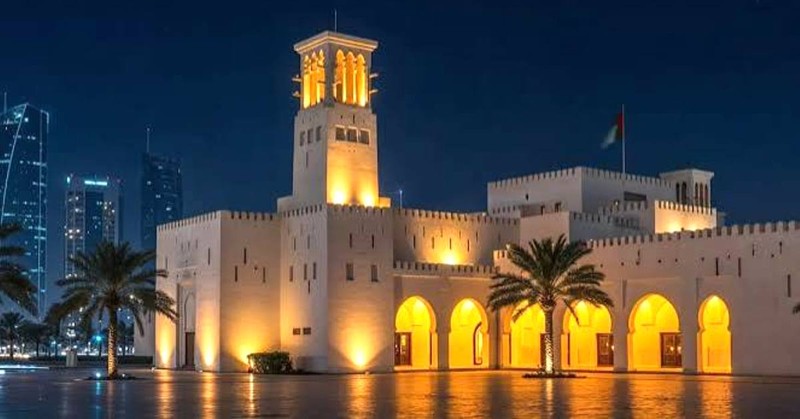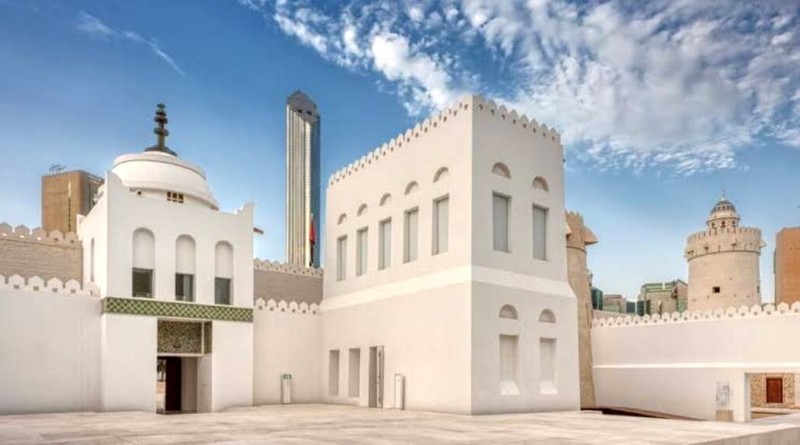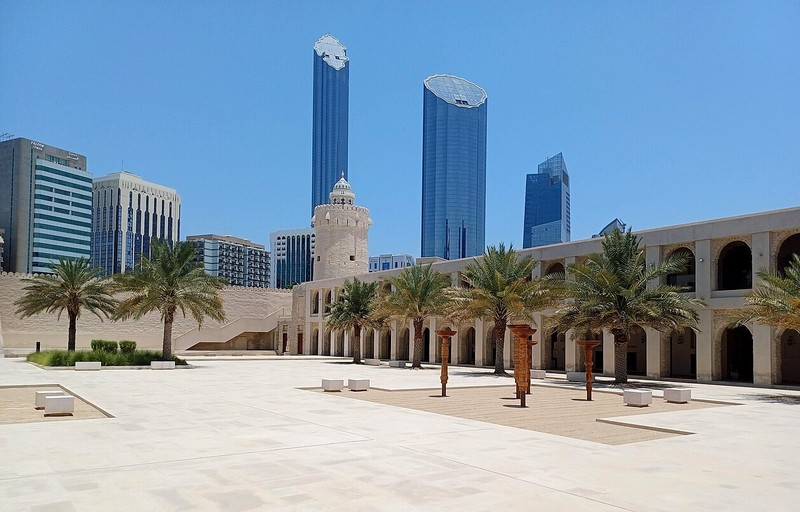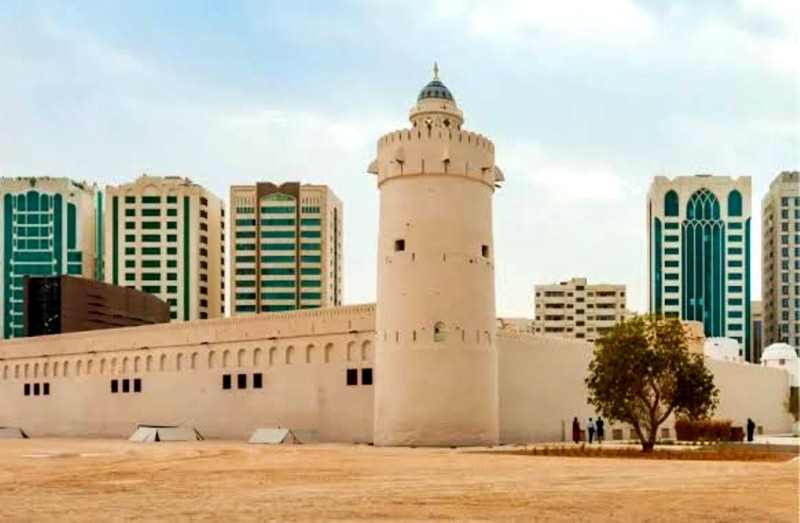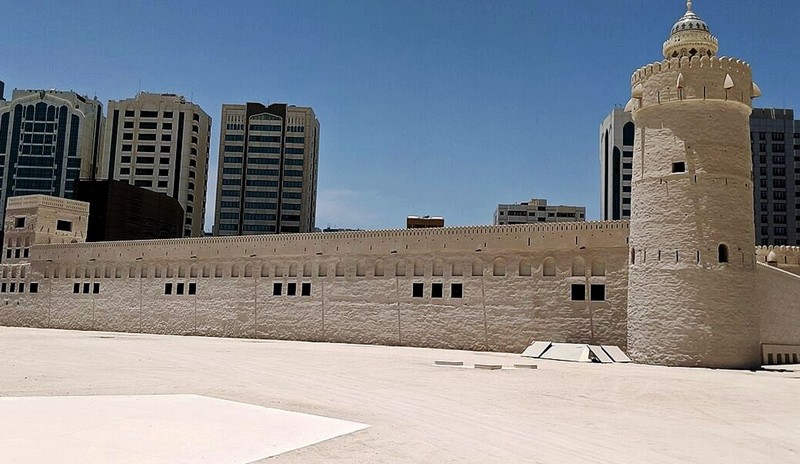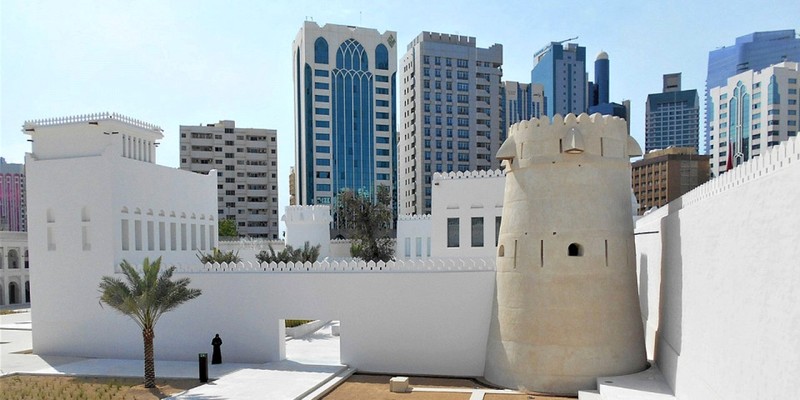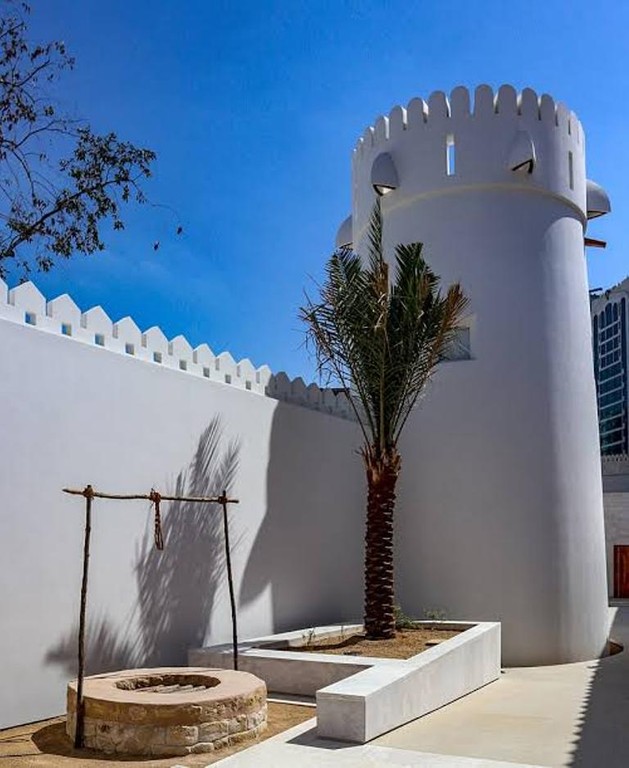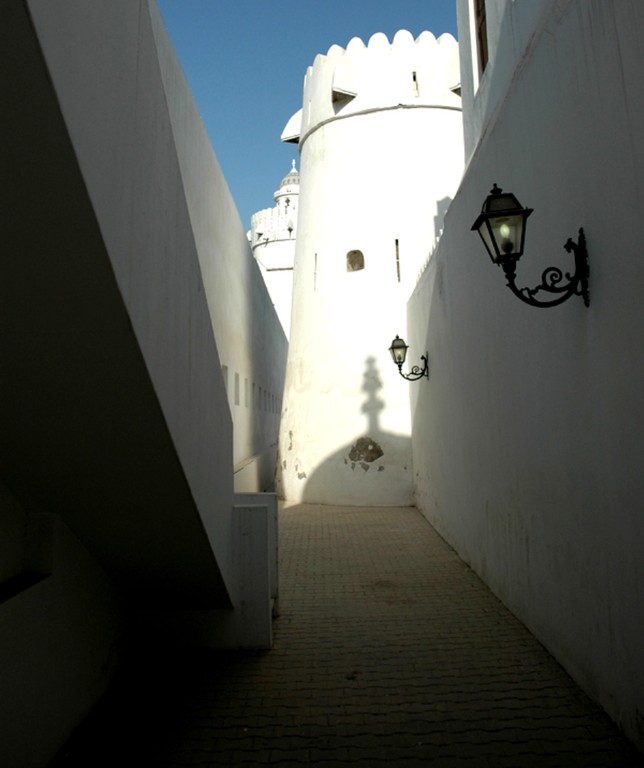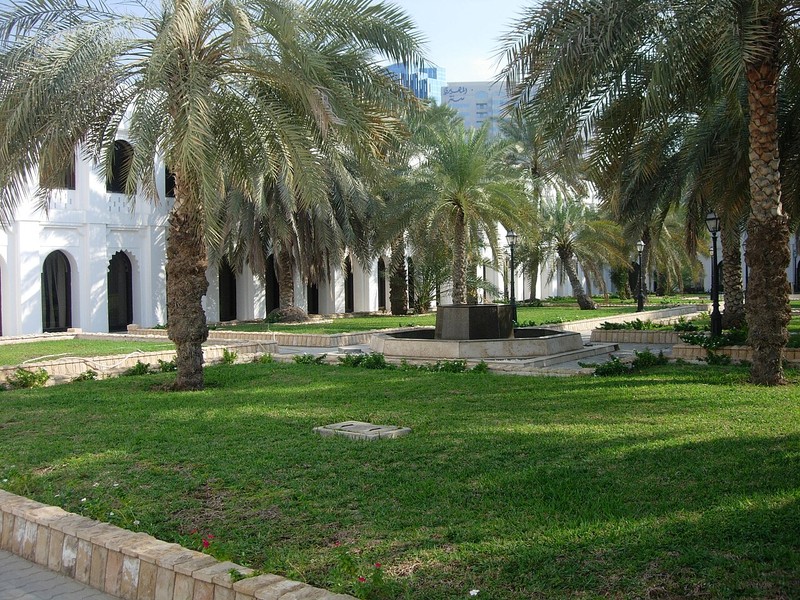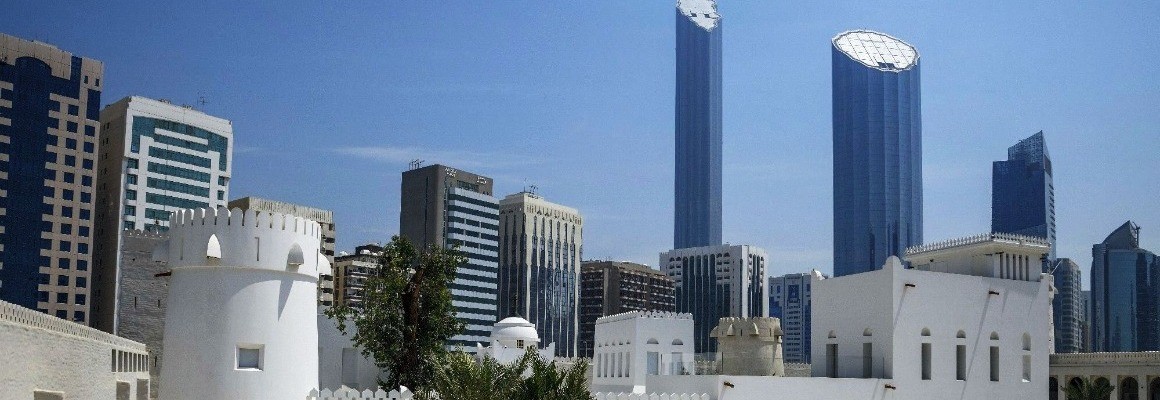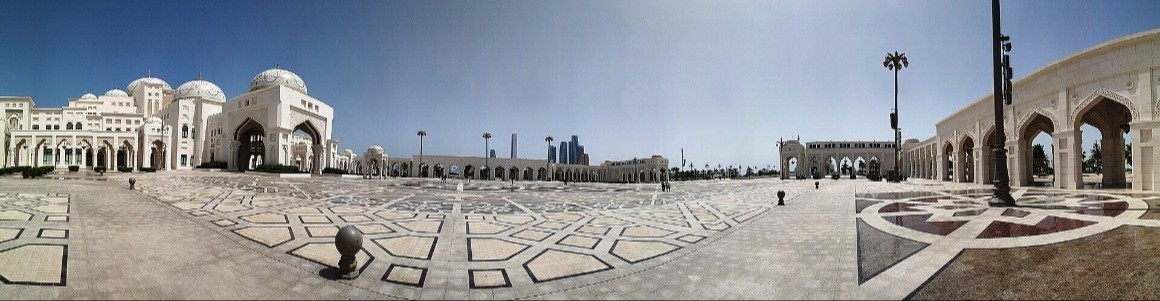

The Qasr Al Hosn Fortress is considered one of the most famous historical sites in Abu Dhabi. An alternative name for the cultural heritage site is the White or Old Fortress. Today it is a museum of the capital of the United Arab Emirates, open to the public every day. The building stands out against the background of modern skyscrapers.
History of creation
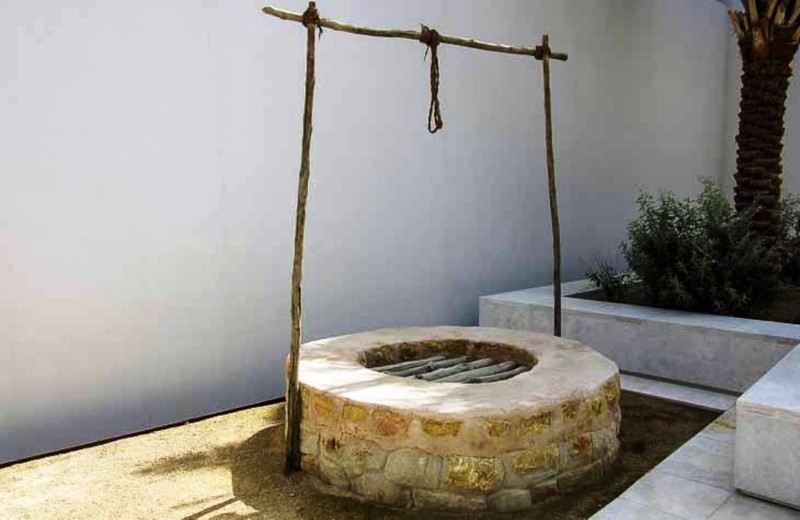
The fortress of Qasr al-Hosn was first mentioned in the 16th century. According to one version, a source of freshwater was found on the site of the fort, and this was a very important resource. They began to build a reliable fortification around it, which could protect the well and coastal trade routes, because due to its proximity to the sea, merchants' shops were full of fish and pearls. The facility has always been of great importance, so over time it began to be strengthened and expanded, and the tower turned into a real impregnable fort.
The Qasr al-Hosn Fortress acquired its current appearance after reconstruction in the late 1930s. The work was carried out with funds received from the issuance of the first oil license in the city. The name Qasr al-Hosn means the palace fort, it was the seat of government until 1966, the fortress was rebuilt several times. During the reconstruction from 1976 to 1983, it was painted white, then it became known in society as the White Fortress.
Object Value
The Qasr al-Hosn fortress has gone from a defensive structure, the residence of the ruling family, an administrative and political center to a museum. At first, visitors were allowed only on the observation tower and the protective walls. It was only in 2007 that the entire territory of the complex became open. You can come here almost every day except for religious holidays.
Locals consider it very important to preserve the history. They are proud that Qasr al-Hosn played the role of a maritime center, and when Sheikh Zayed the Great ruled, it was a political center. The legacy of the Al Nahyan family is preserved in this place. It is a symbol of how Abu Dhabi has changed over time.
Short description
The Fortress of Qasr al-Hosn has battlements, and this is in stark contrast to the high-rise buildings that have transformed from a fabulous oasis into a commonplace developing metropolis. The complex is divided into 2 parts: the inner part is an ancient structural element, the outer palace was built as the importance of the object grew.
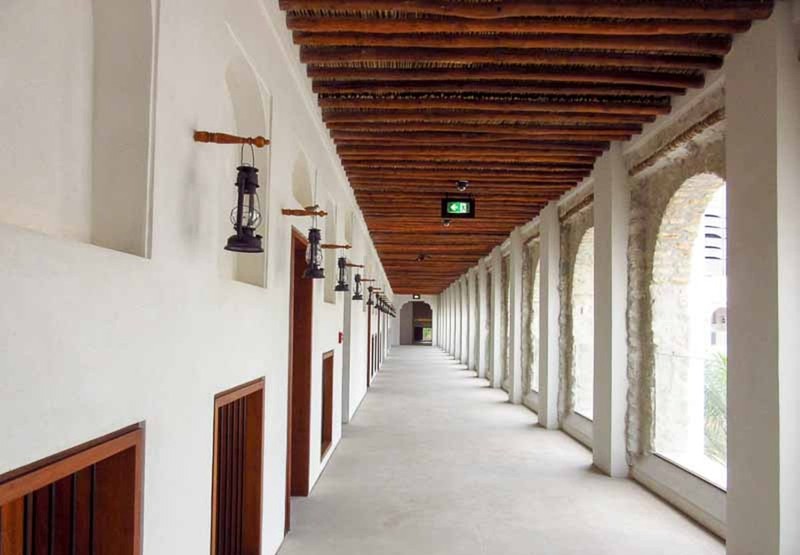
Inside the building there are exhibition halls with artifacts, documents, archives, household items, weapons and jewelry. Here you can learn about the history of the ruling Al Nahyan family, learn about pearl mining as a key industry in the region, which flourished until the 20th century. The profession was both challenging and lucrative, with hunters having to dive to depths of up to 20 meters.
The best time to visit
It is generally accepted that the most favorable period for a trip is from October to April. The weather in Abu Dhabi is not as hot as in summer, the average temperature ranges from +25 to +33 degrees. This allows you to move comfortably around the capital. The museum is usually not as crowded on weekdays in the morning as it is on weekends. Qasr Al Hosn is open daily except Fridays from 9 a.m. to 8 p.m. On Friday, visiting hours start at 2 p.m. Visiting hours change during the holidays, and it is better to check the information by phone on the museum's website.
How to get
The Qasr Al Hosn Fortress is located in the north of Abu Dhabi. The nearest bus stop is Al Ittihad Square, which is about 500 meters from the fort. Buses no. 032, 034, 040 are suitable. You can call a taxi or use car rental services.
Gallery