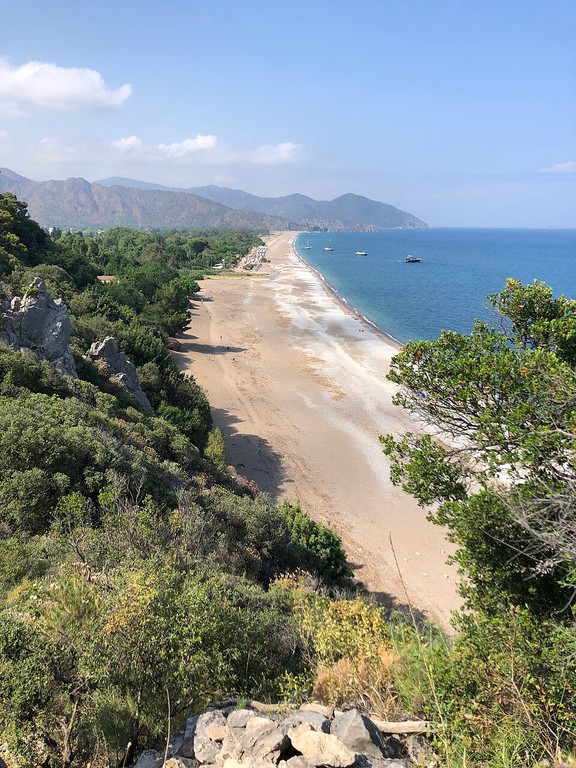
Olympos Beydağları, officially known as Beydağları Coastal National Park, lies along the Mediterranean coast of southwestern Türkiye in Antalya Province. Established in 1972, the park covers about 311.66 square kilometres, or 31,166 hectares. Its landscapes combine the western Taurus Mountains, pine forests, rocky shores, secluded bays and ancient Lycian settlements.
Mountains and Mediterranean nature
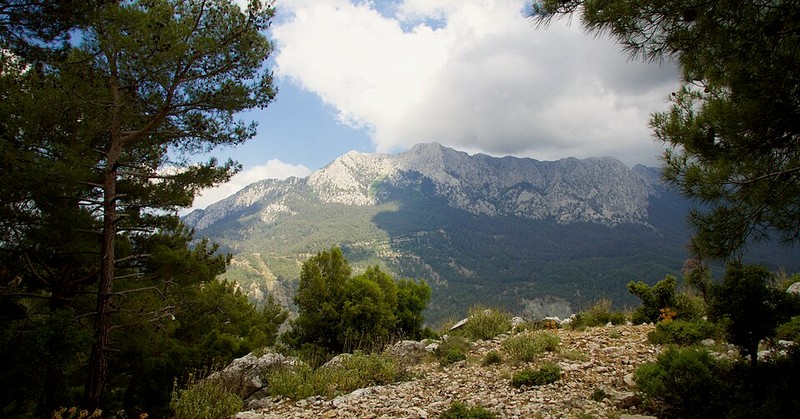
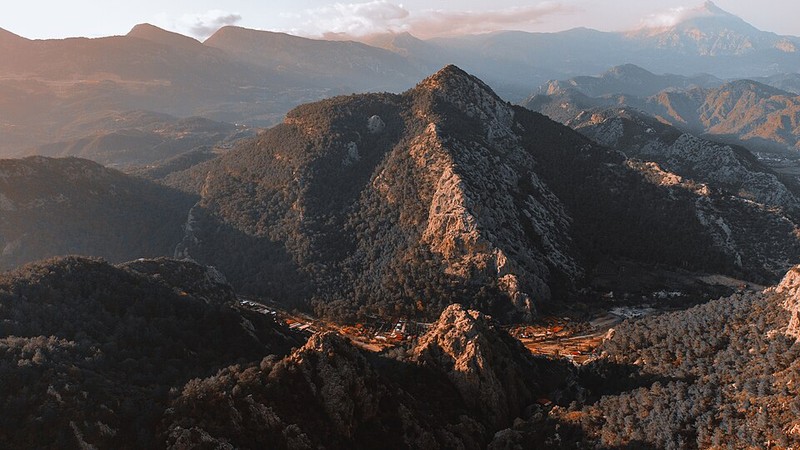
The park stretches along the coast from the outskirts of Antalya towards Cape Gelidonya. In many places, mountain slopes descend almost directly to the sea, creating rugged headlands, narrow valleys and picturesque coves. The region’s geology includes limestone and serpentine rocks.
Vegetation changes with elevation. Mediterranean pines and maquis grow near the coast, while Turkish pine and black pine occur farther uphill. Cedar trees can be found above roughly 1,000 metres. Regional sources report around a thousand plant species. Wildlife includes wild goats, wild boar, foxes, jackals and wolves, while the coastal environment supports important marine habitats and nesting sea turtles.
Ancient Olympos
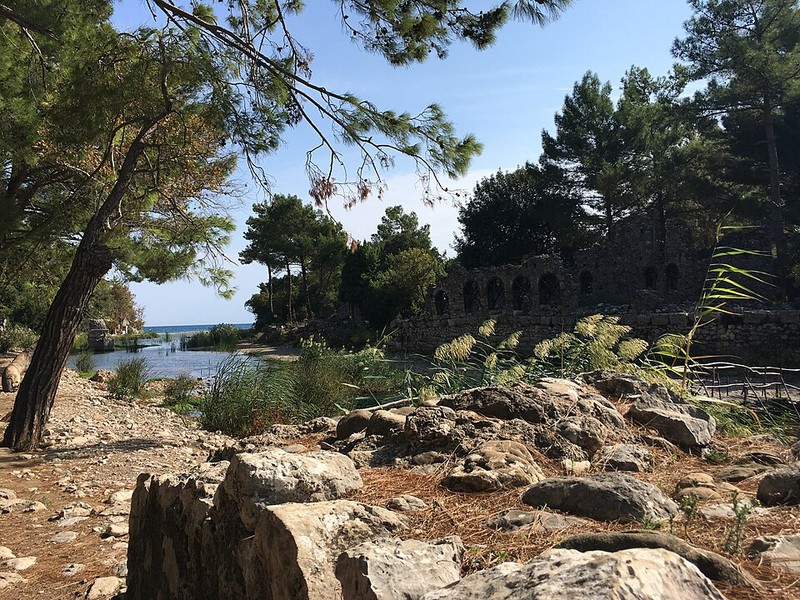
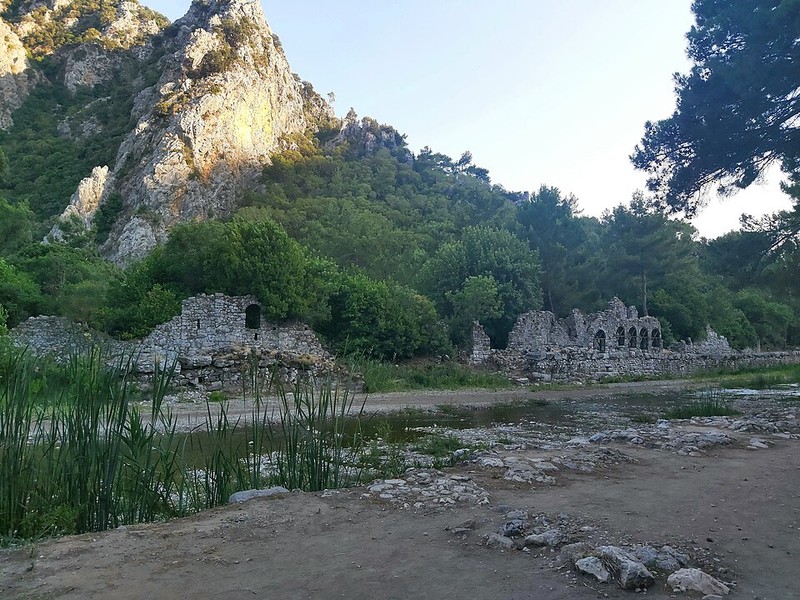
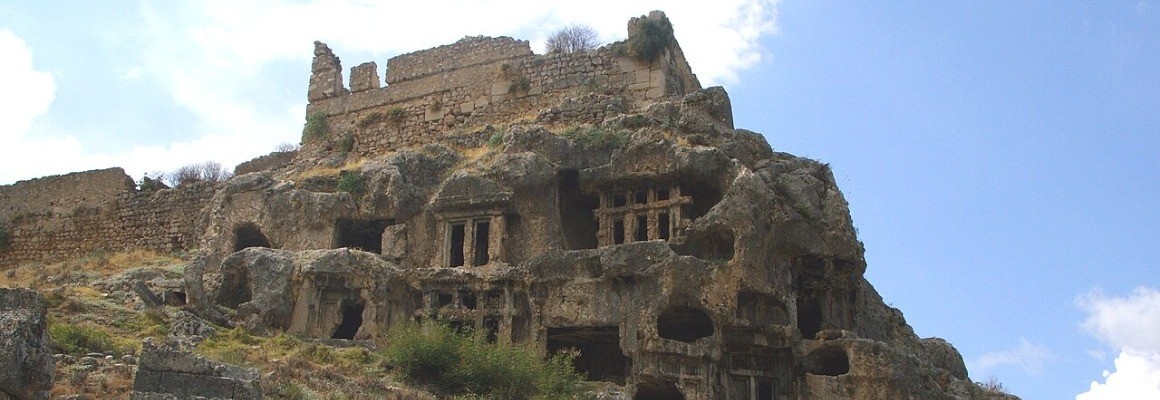
One of the park’s best-known cultural sites is ancient Olympos, an important port city of Lycia. Its name appears on coins associated with the Lycian League in the second century BC. The ruins include sections of walls, bridges, tombs, sarcophagi and other structures dating from the Hellenistic, Roman and Byzantine periods.
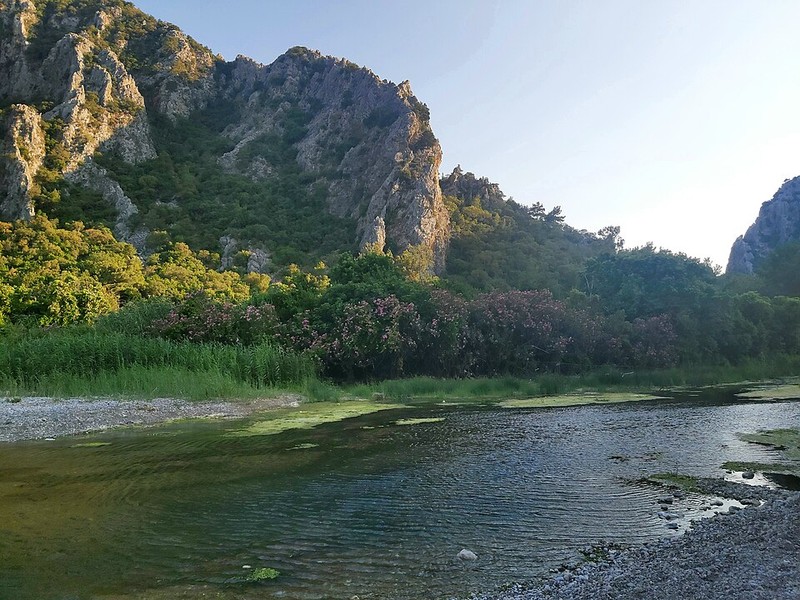
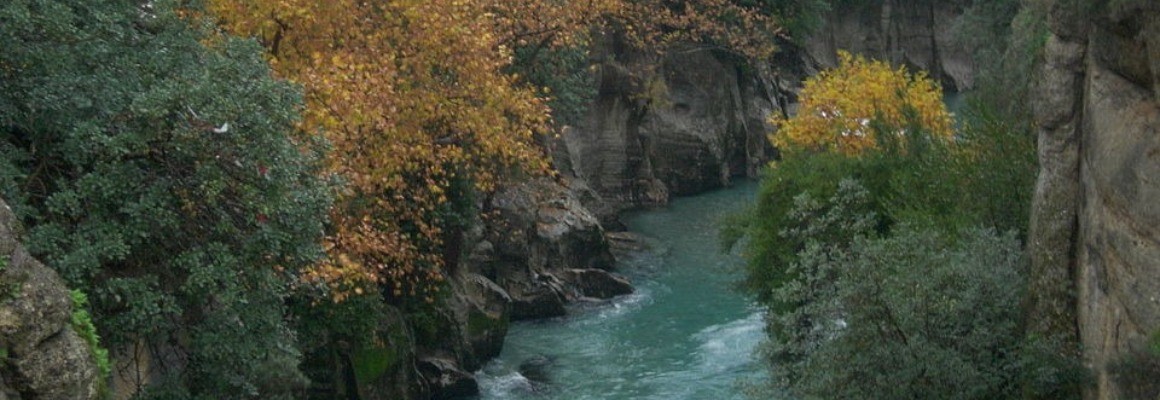
The remains lie in a green valley crossed by a river that flows towards the sea. Walking through the archaeological area reveals how the settlement was connected to its river and harbour. The route continues towards Olympos Beach, where ancient masonry meets forest, riverbanks and the Mediterranean shoreline.
Phaselis and other historical sites
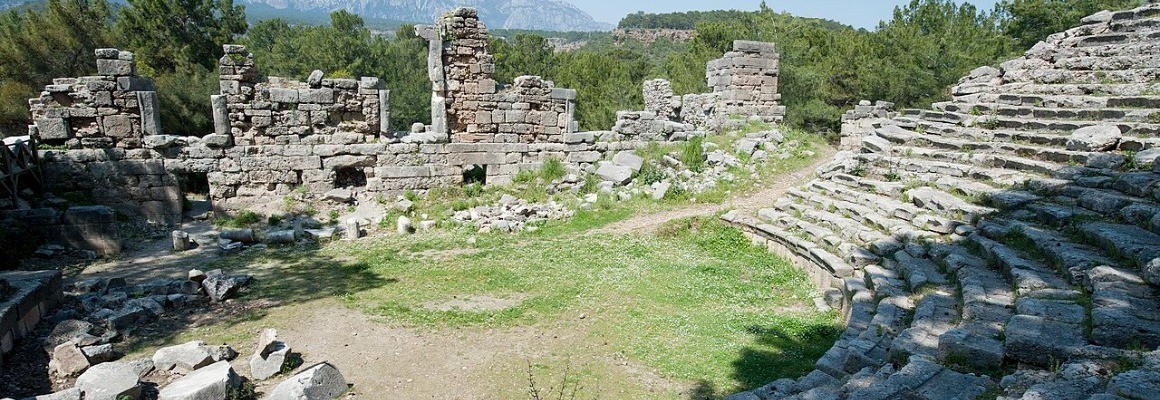
Phaselis, located within the park region, was traditionally founded by settlers from Rhodes in the seventh century BC. It became known for its harbours and trading connections. Visitors can see remains of streets, public buildings and an ancient theatre. Other historical sites in the wider area include Idyros near Kemer and ancient settlements around Adrasan.
Yanartaş and the flames of Chimaera
Yanartaş, also called Chimaera, is a natural phenomenon in which gas escapes through cracks in the rocks and ignites when it meets the air. Small flames burn among the stones and are particularly visible after dark. The site is linked to the Greek myth of the Chimaera, a fire-breathing monster defeated by the hero Bellerophon.
A walking trail climbs to the flames, so sturdy footwear is recommended. The rocky ground can be uneven, especially at night, and visitors should take care along the path.
Mount Tahtalı and outdoor activities
Mount Tahtalı rises above the coast near Kemer. Views from its upper slopes and summit extend across the Mediterranean Sea and the surrounding mountain ranges. A cable car operates in the area, and hiking routes are also available. Sections of the Lycian Way, a well-known long-distance trail, pass through the wider region.
Activities in the park include hiking, cycling, wildlife watching, camping and water sports in suitable locations. Spring and autumn are generally comfortable for walking, while summer is popular for swimming and coastal recreation. Check weather conditions, road access and archaeological-site opening information before travelling.
Olympos Beydağları offers more than beaches and mountain scenery. Its pine forests, ancient Lycian cities, secluded bays and natural flames create a varied introduction to the cultural and natural heritage of Türkiye’s southern coast.
Gallery