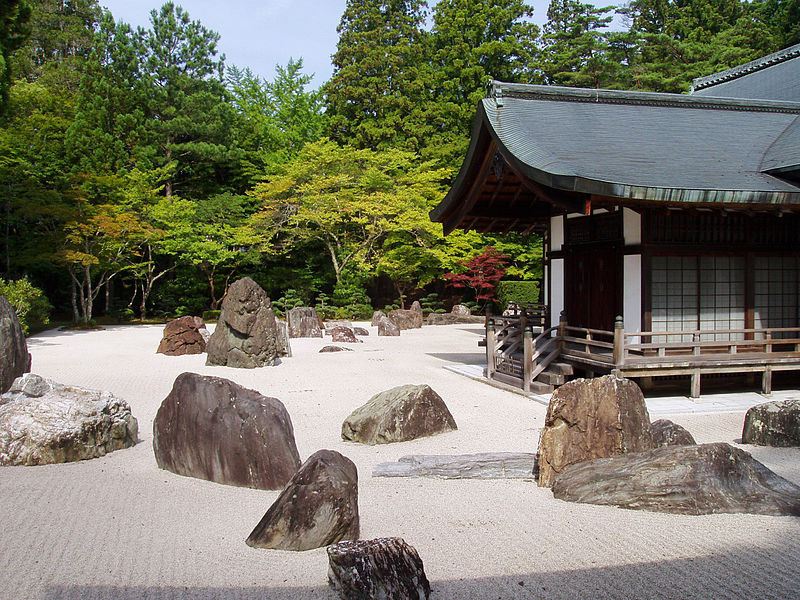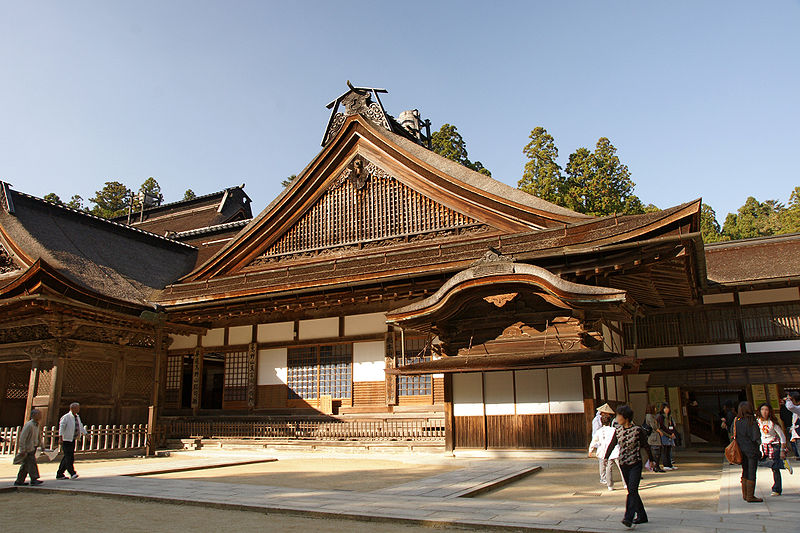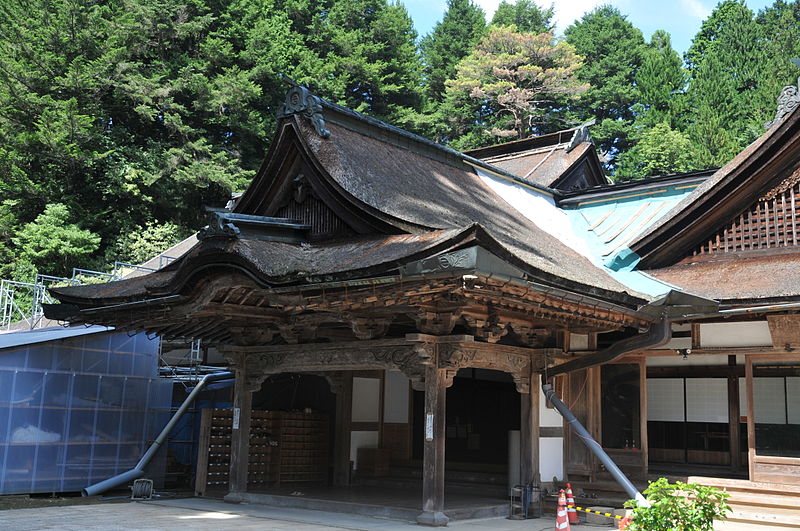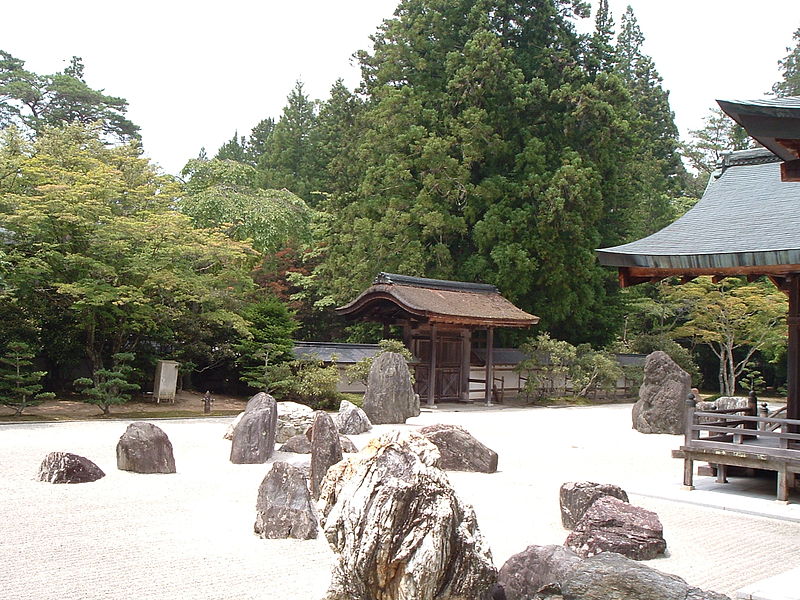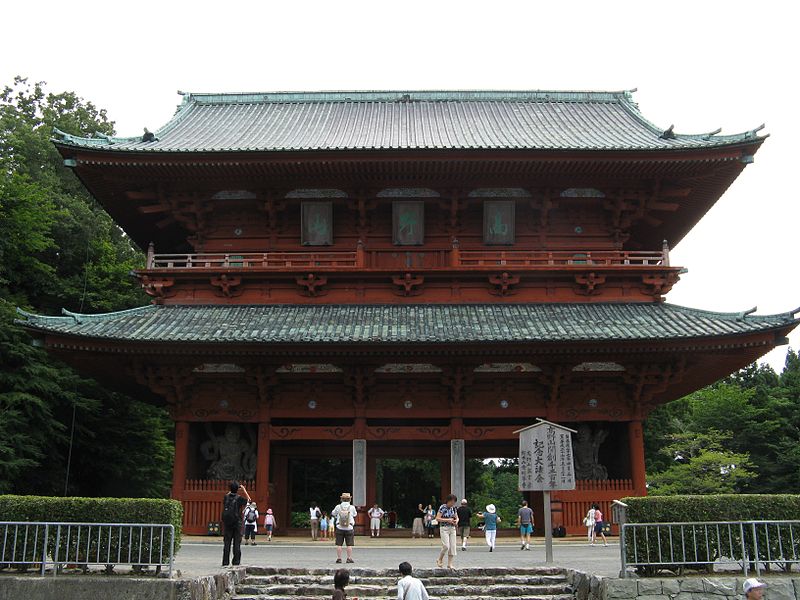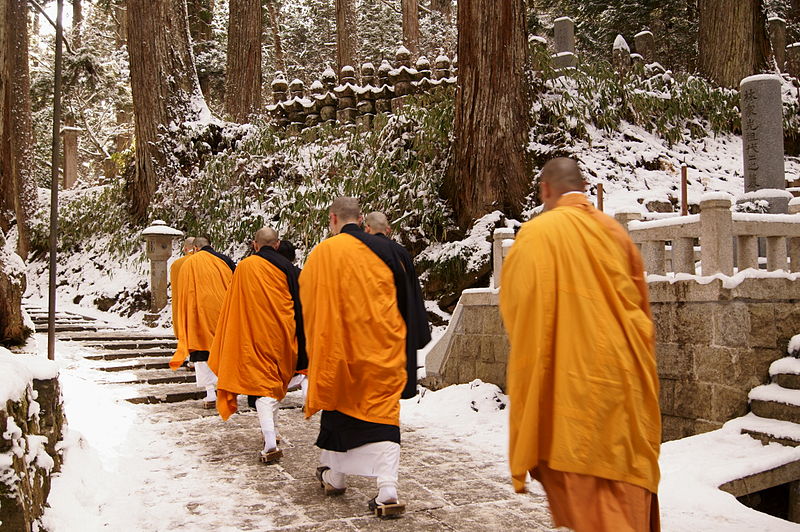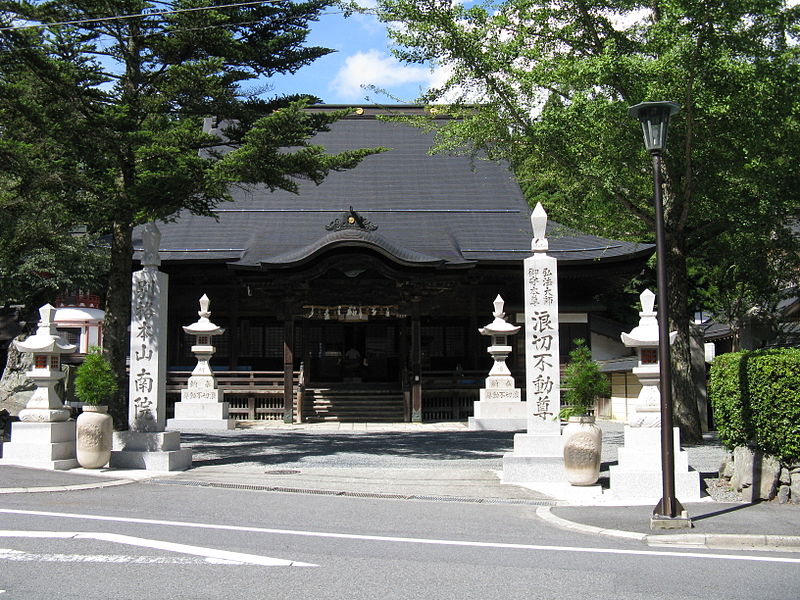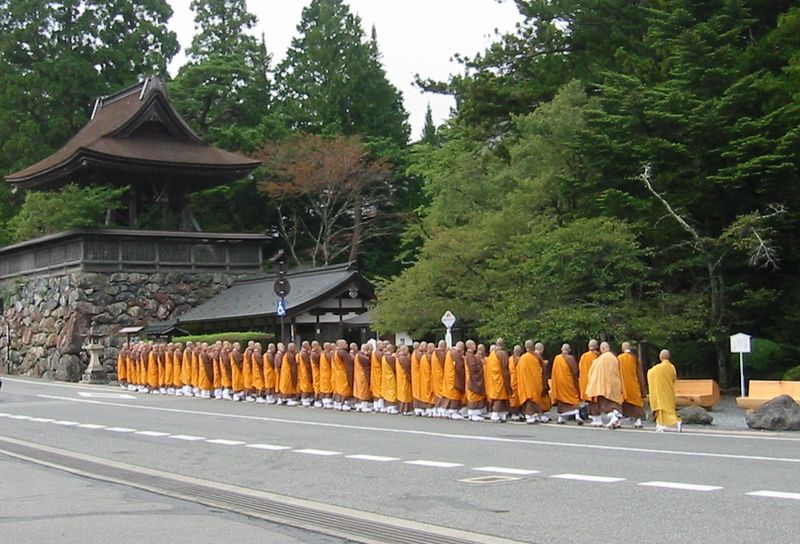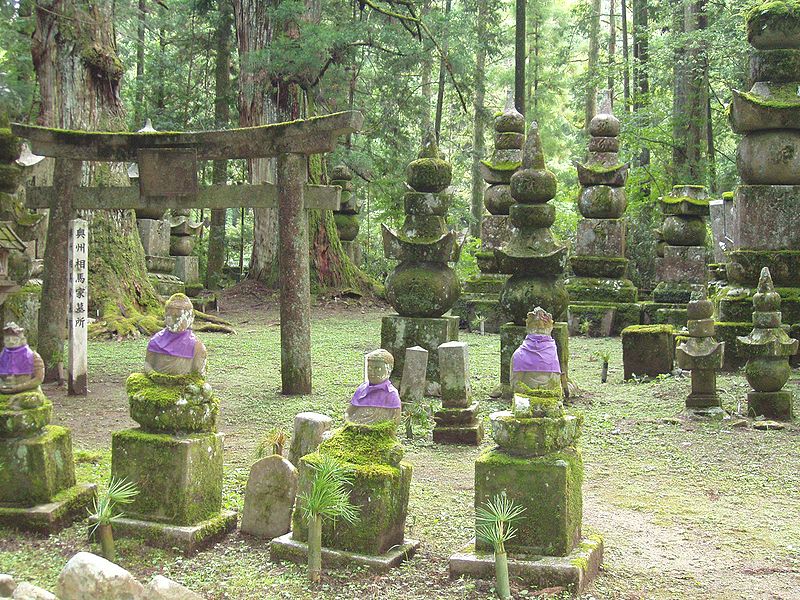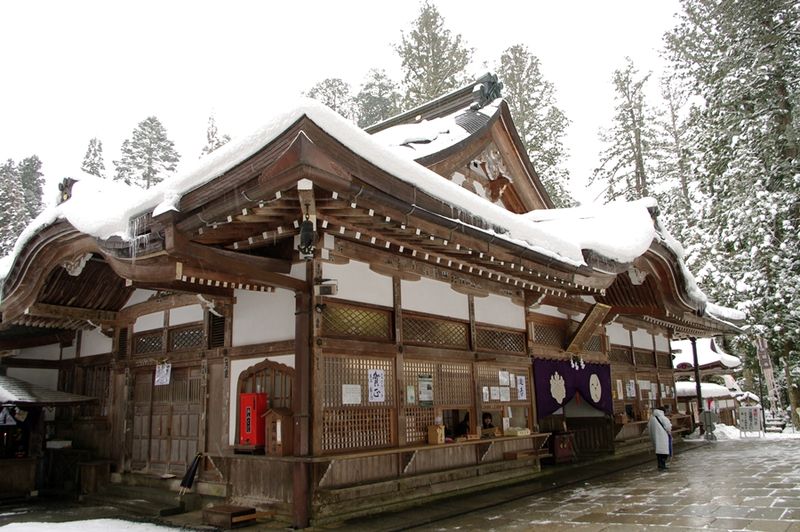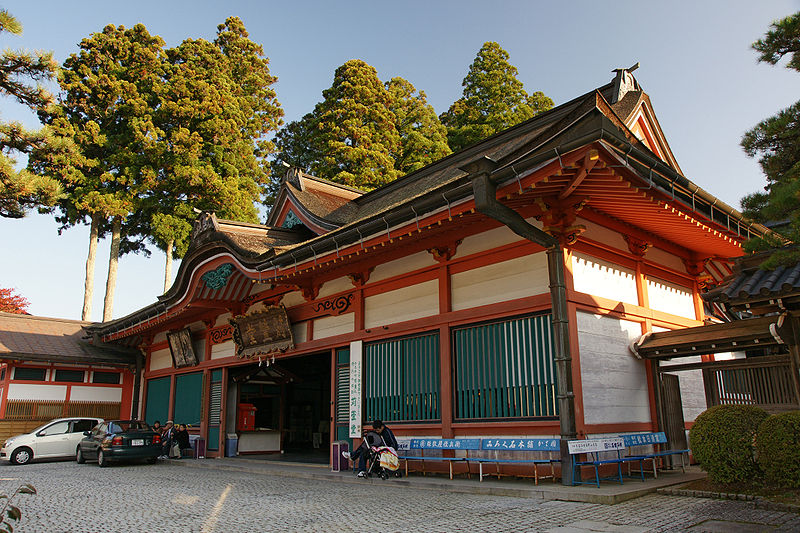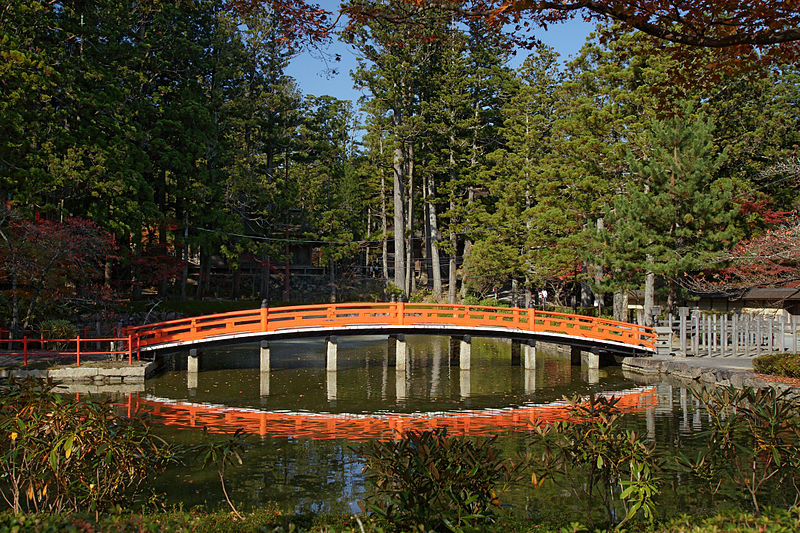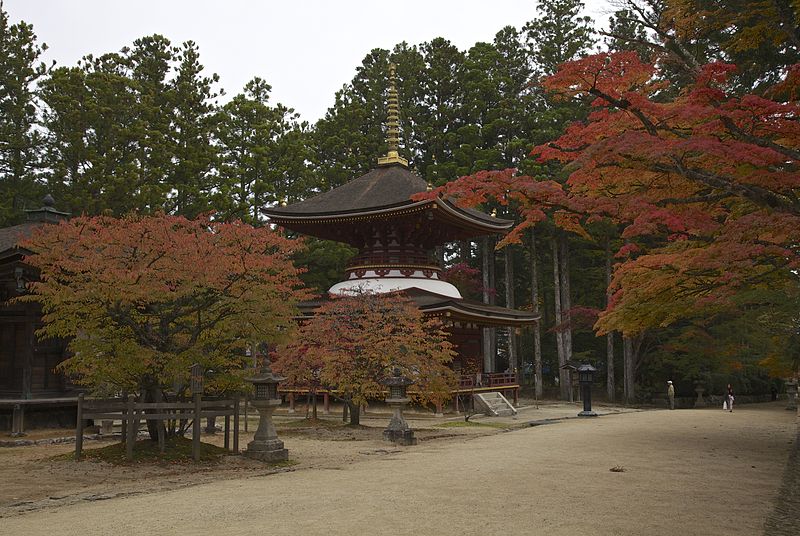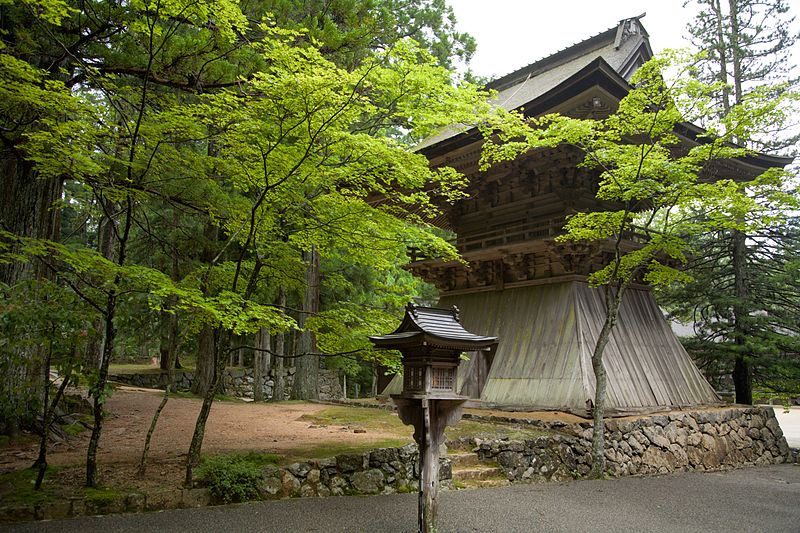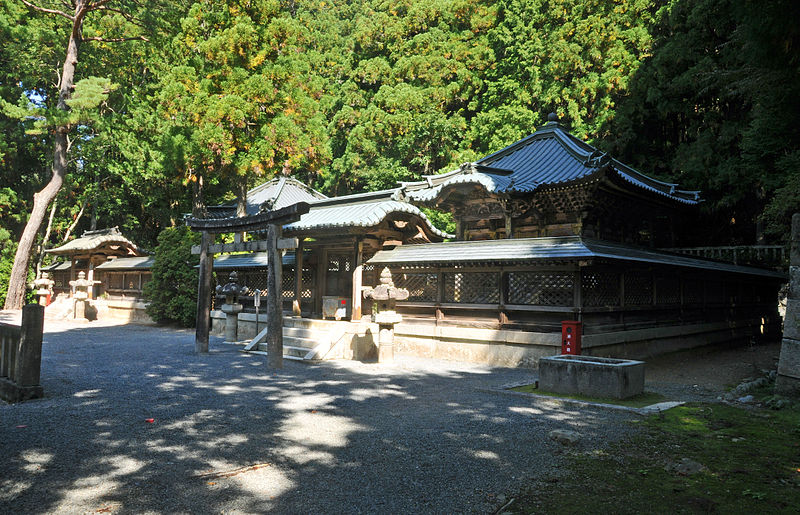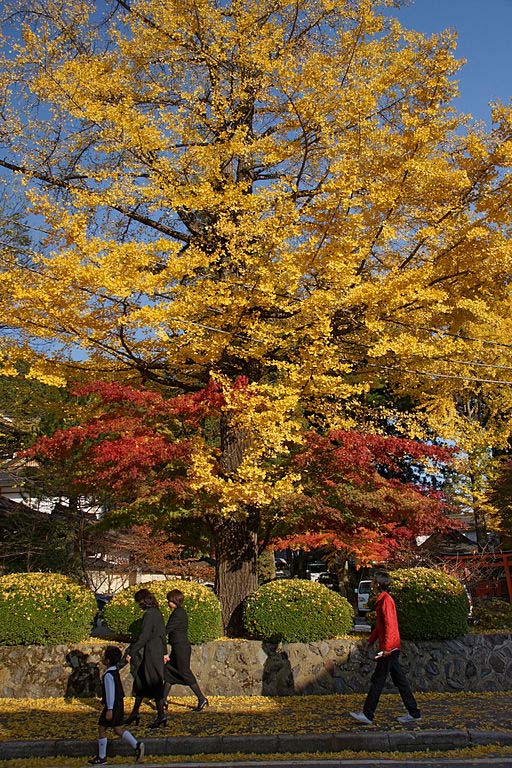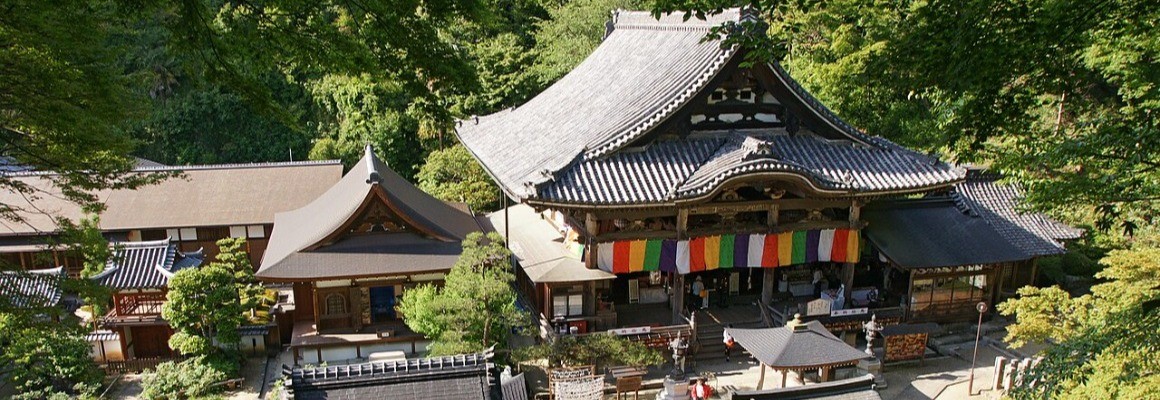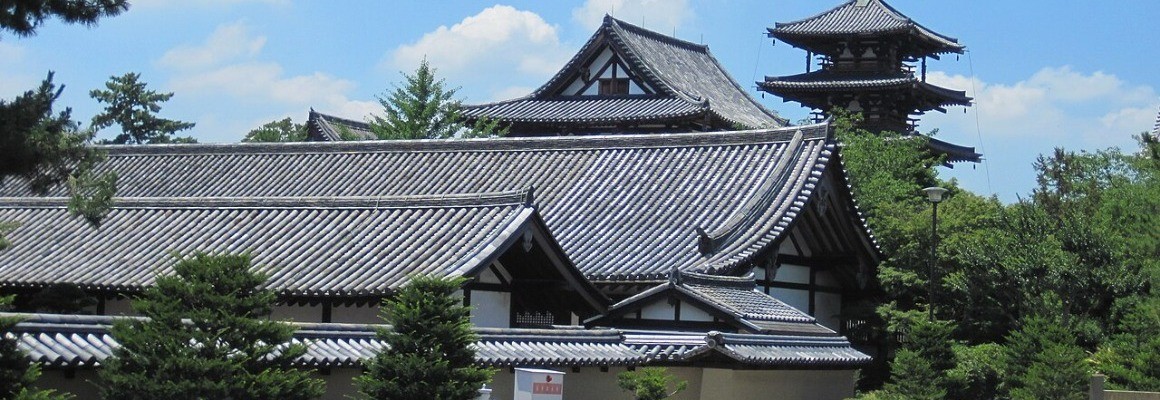

Koya-san is a famous mountain in Japan, located in Wakayama Prefecture. The mountain is famous for the fact that temple buildings are located here, as well as numerous monasteries that are directly related to Buddhism.
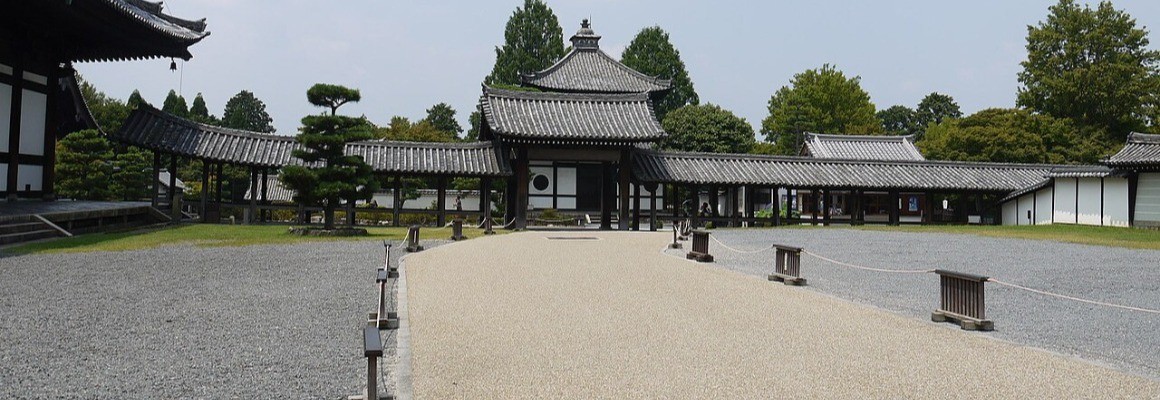
The very first temple that appeared on Mount Koya-san is a temple built by the monk Kukai back in 819. This structure was located among eight rocky peaks. Nowadays, there are about a hundred different monasteries located there, which also have places for overnight pilgrims.
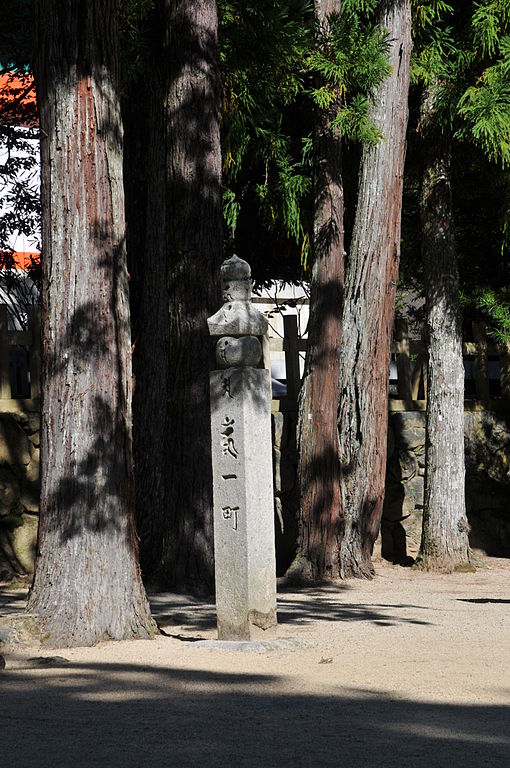
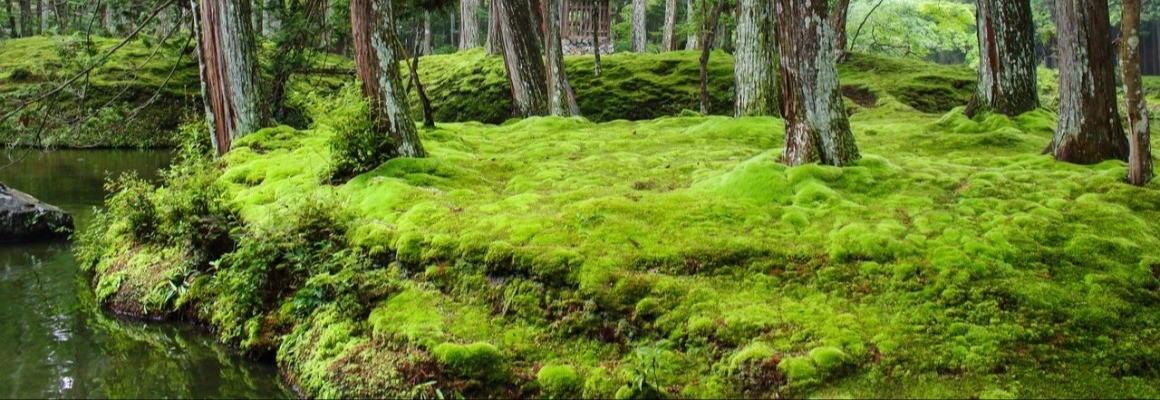
To get to the temple complexes on Mount Koya-san, it is necessary to overcome a narrow serpentine, which can boost adrenaline when entering the steepest turns. After such a trip, tourists can enjoy magnificent mountain landscapes, which are complemented by fresh, clean air and a particularly calm atmosphere. The trees here are simply countless years old, because they look like real giants. Some scientists claim that they are at least 3,000 years old.
Sometimes you can hear Koya-san being called the mountain of a thousand temples. But under the influence of repeated fires, as well as time, there are about a hundred of them here.
There is a legend that justifies the appearance of so many temples in a remote mountainous area. In 774, Shikoku Kukai was born, who decided to become a monk at a young age. He studied in China for ten long years, as a result of which he became the first student of a spiritual mentor among all students. It was then that the young Shikoku Kukai got the idea to build a temple. Kukai threw the vajra up and it flew across the seas in the wind. When he returned to Japan, he found her on Mount Koyu-san, where a huge cedar tree grew. It was in this quiet, peaceful place high in the mountains that Kukai built his temple. That's how the history of the temple complex began, because soon more and more sacred buildings began to appear here.
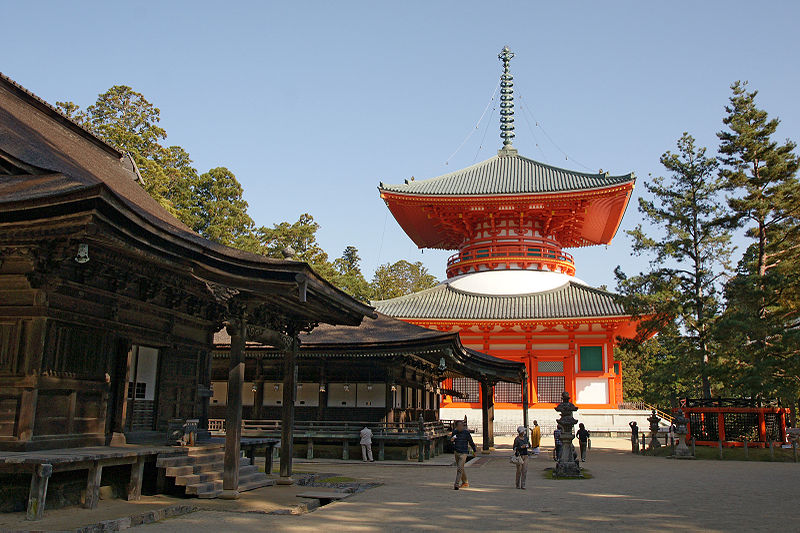
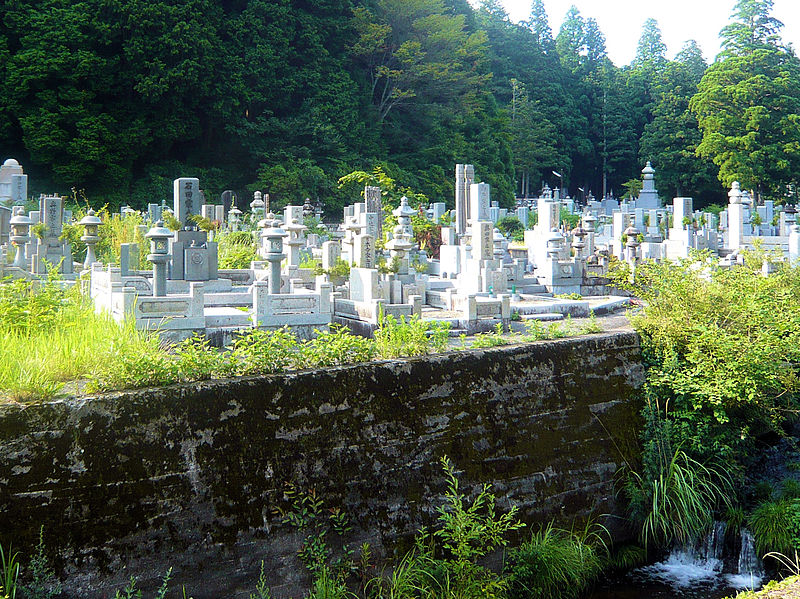
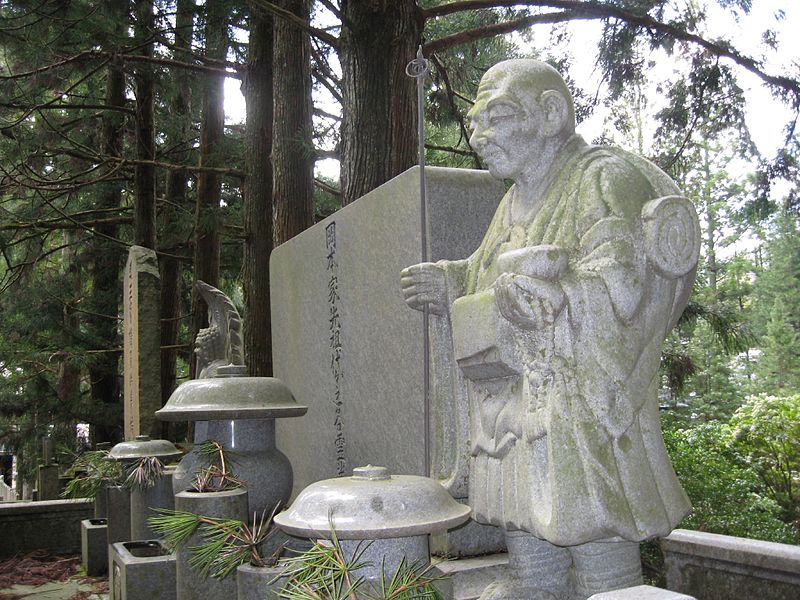
There are many other temple structures on Mount Koya-san, including Okuno-in, Kompon-daito, Kongobu-ji.
It also houses the Reihokan Museum, which at first glance may seem quite small, but preserves about 8 percent of the national wealth of the entire vast country. Almost all the exhibits in this museum were collected from the Koya-san temples, which were destroyed. Museum exhibits include various statues, paintings, and many other items.
A railway leads to the mountain itself, which stretches from Namba Station, which is located in Osakada. The cable railway takes visitors to the very peak of the mountain in just five minutes.
Gallery