The Cancun Underwater Museum, known as MUSA (Museo Subacuático de Arte), is one of the most unusual attractions on Mexico’s Caribbean coast. Instead of conventional exhibition halls, it occupies the seabed, where works of art stand beneath the sea. The sculptures are surrounded by clear turquoise water, corals and tropical fish, creating the impression of a sunken world in which art gradually becomes part of nature.
History of the Museum
MUSA emerged in the late 2000s as an attempt to bring contemporary art and marine conservation together. The idea was supported by Jaime González Cano, director of the national marine park, Roberto Díaz Abraham of the Cancún Nautical Association, and British sculptor Jason deCaires Taylor. The museum officially opened in 2009, and additional sculptures were installed in the years that followed.
One of the project’s main aims was to reduce pressure on natural coral reefs that attracted large numbers of visitors. Underwater displays were created near popular tourist routes, offering another place to observe marine life while providing an unusual setting for artistic experimentation.
Sculptures on the Seabed
The museum’s collection contains more than 500 life-sized sculptures. Many depict ordinary people–men, women and children standing, sitting or engaged in everyday activities. Together, the figures resemble a society frozen beneath the water. Other works explore consumerism, memory, humanity’s impact on the environment and the relationship between people and the ocean.
One of the best-known works is The Silent Evolution, a large installation composed of numerous human figures. Arranged in groups, the sculptures make visitors feel as though they are moving through an underwater city. Other notable works include Man on Fire, The Dream Collector and installations resembling houses or fragments of an urban landscape.
Art That Supports Nature
MUSA’s underwater sculptures were designed for more than visual impact. They were made from materials suitable for the marine environment and capable of providing surfaces for marine organisms to settle on. Textured surfaces and openings offer shelter to small sea creatures, while corals and other organisms can gradually colonize parts of the installations.
As marine life develops, the exhibition continually changes. New growth appears on the sculptures, fish gather nearby, and changing light and water clarity alter the appearance of the figures. MUSA is therefore not a static gallery: natural processes gradually transform its landscape. Artificial reefs do not replace the protection of natural coral ecosystems, but they can complement broader conservation efforts.
Where Is the Museum?
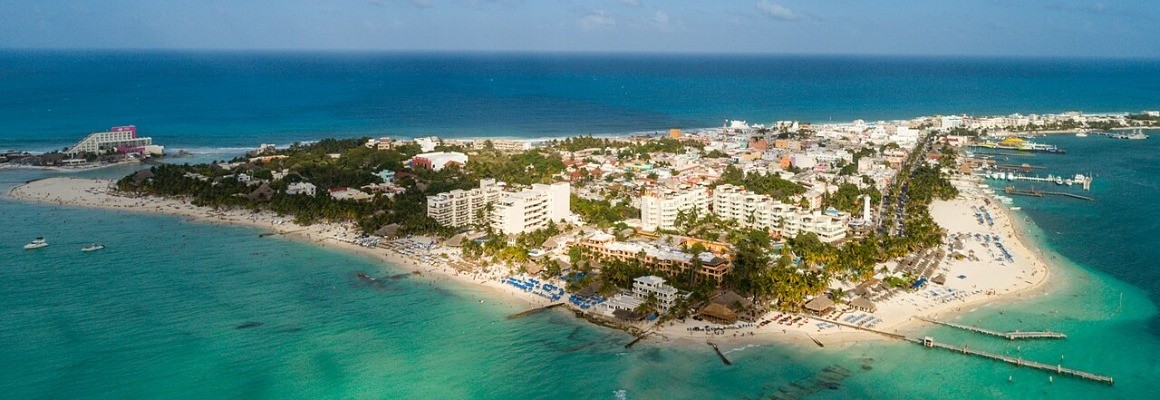
MUSA lies within the waters of the national marine park near Cancún, Isla Mujeres and Punta Nizuc. Its collection is divided among several underwater galleries. The Manchones gallery, near Isla Mujeres, lies at a depth of approximately 8–10 metres and is primarily suited to scuba diving. The Punta Nizuc gallery is near the southern end of Cancún’s hotel zone. Its sculptures lie at depths of about 2–4 metres and can be viewed while snorkelling.
How to Visit
The best way to visit depends on the gallery and the excursion offered. A mask, snorkel and fins are generally enough to explore the shallow Punta Nizuc display. The deeper Manchones gallery is popular with scuba divers. Visitors who prefer to stay dry may be able to join a glass-bottom boat tour, depending on the routes available on their chosen date.
Excursions are usually arranged through tour operators or specialist marine activity centres. Before booking, check the departure point, duration, included equipment, participant requirements and weather conditions. Access to particular sites can change according to sea conditions and national park regulations.
Responsible Visiting
To protect the underwater environment, follow your guide’s instructions, avoid touching sculptures or corals, do not stand on the seabed, and never feed the fish. Use sun protection that is appropriate for marine environments and take all rubbish with you. Even small disturbances can harm fragile organisms that are gradually colonizing the artificial reef.
Why Visit MUSA?
The Cancun Underwater Museum offers a rare opportunity to see an artistic idea become a living underwater landscape. Visitors can explore remarkable sculptures surrounded by marine life while reflecting on humanity’s impact on the ocean. MUSA is particularly appealing to divers, underwater photographers, contemporary art enthusiasts and ecotourists. It is a place where the boundary between the artificial and the natural becomes increasingly difficult to distinguish.
Gallery