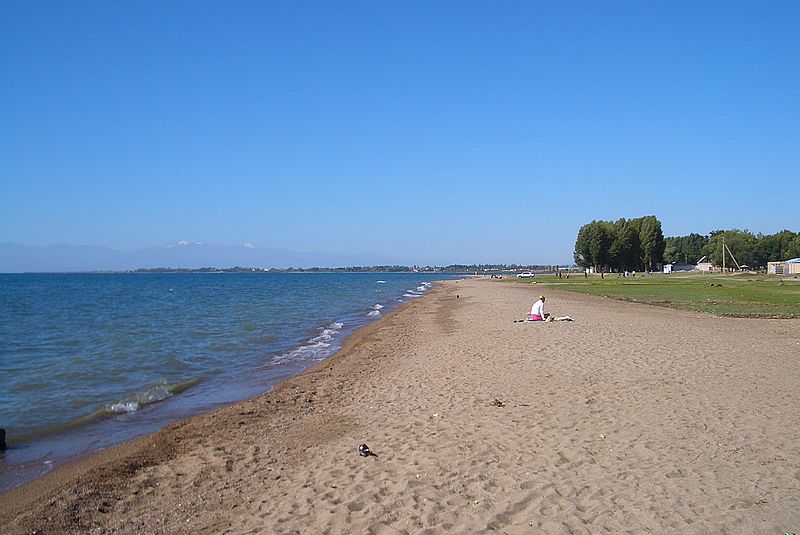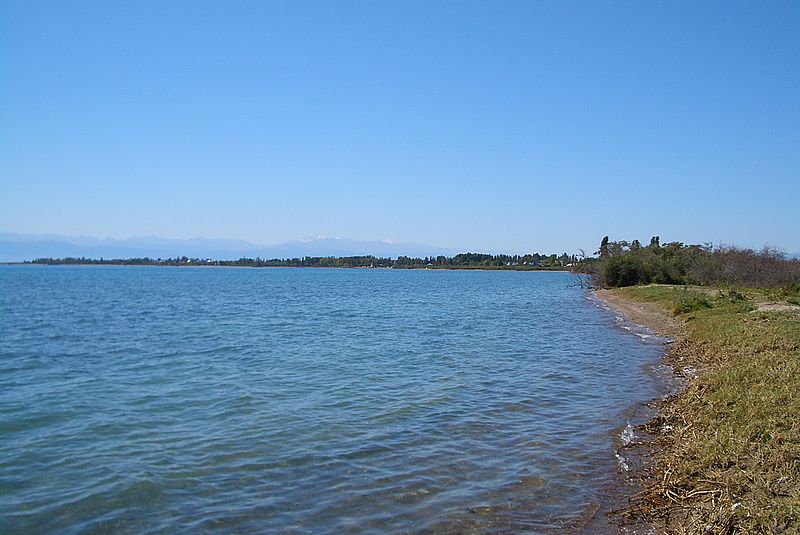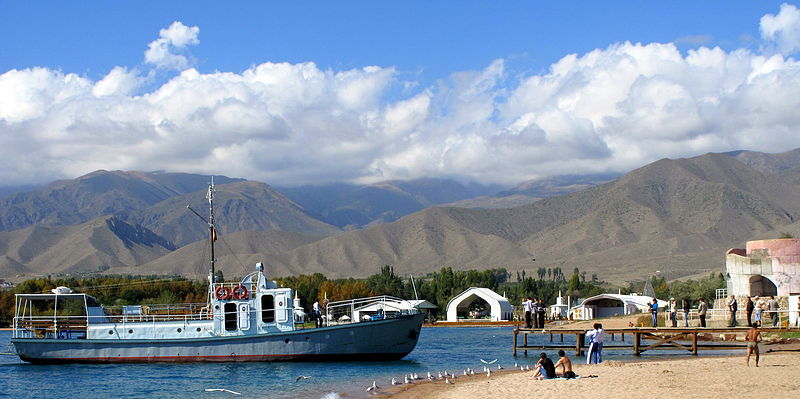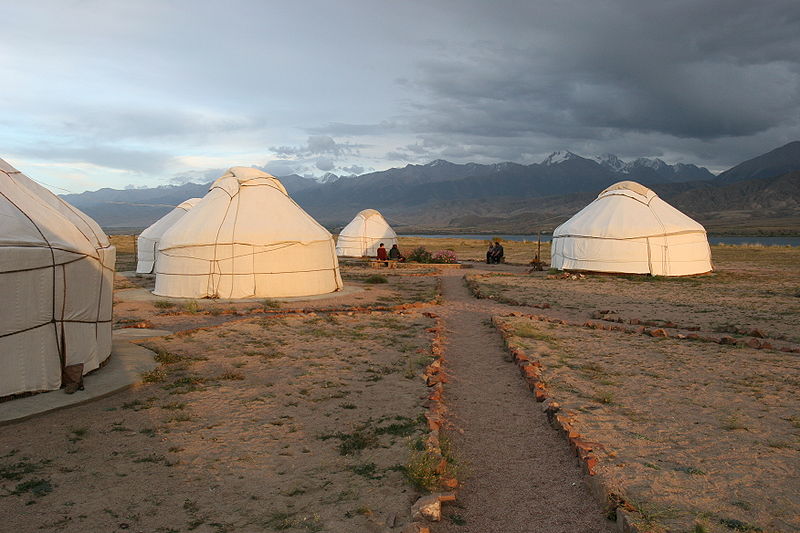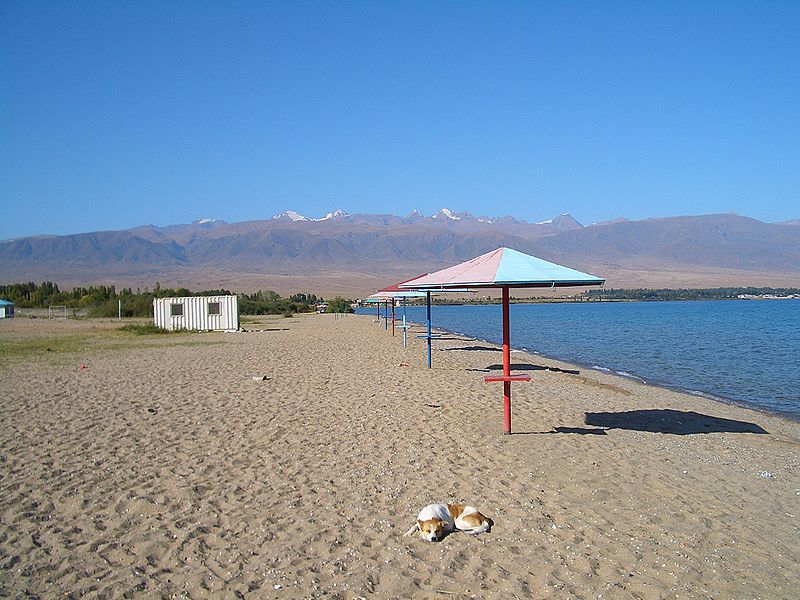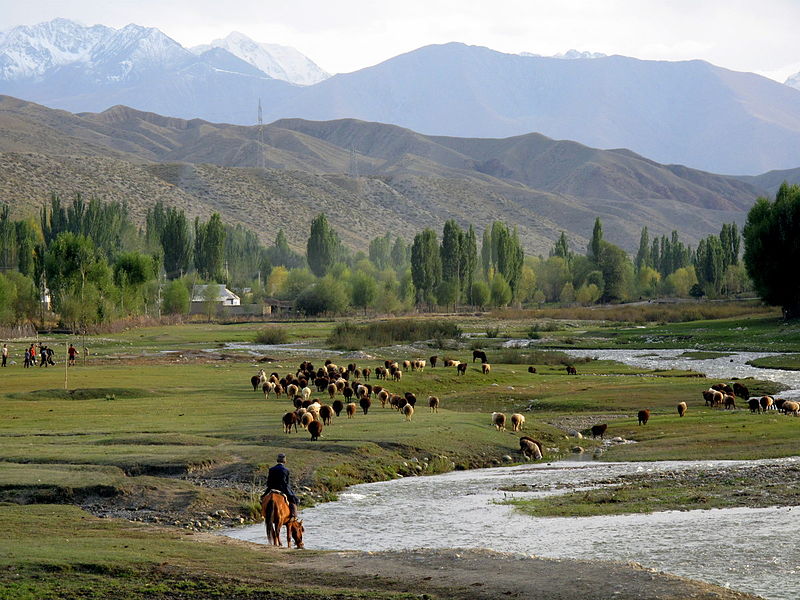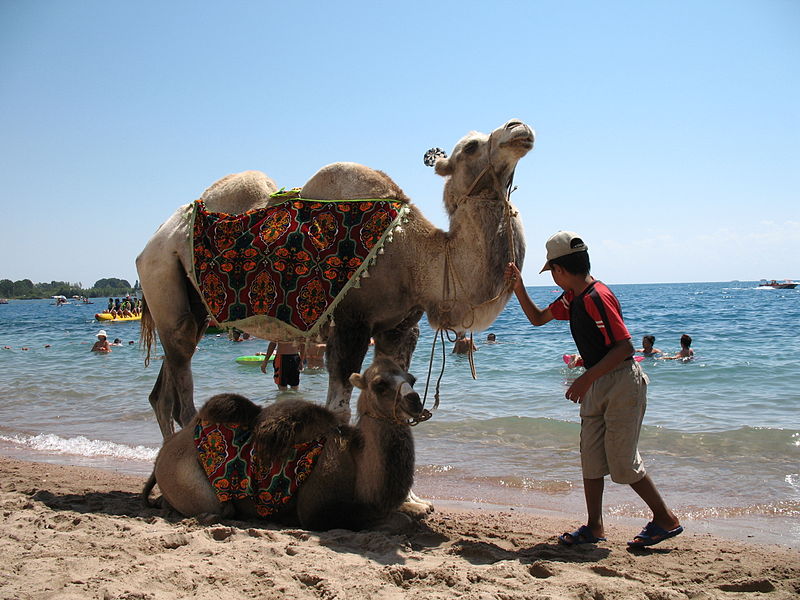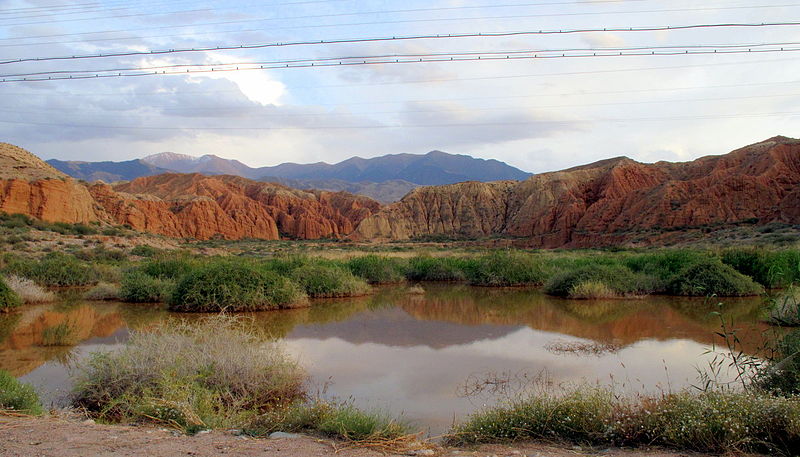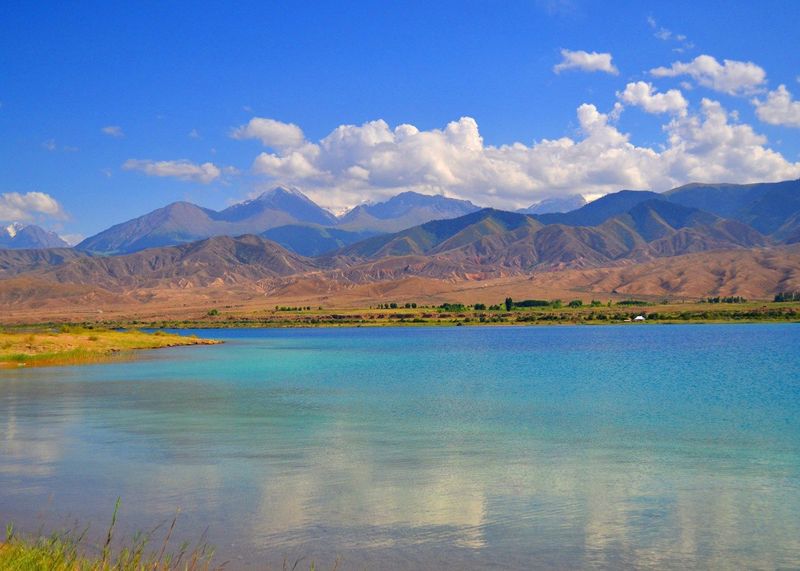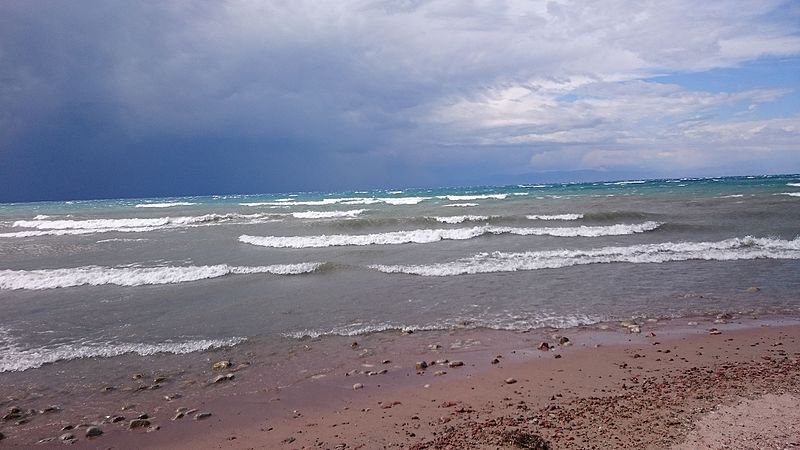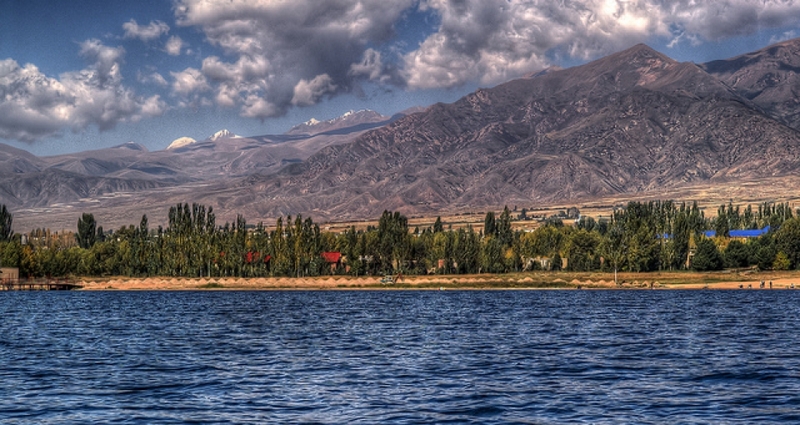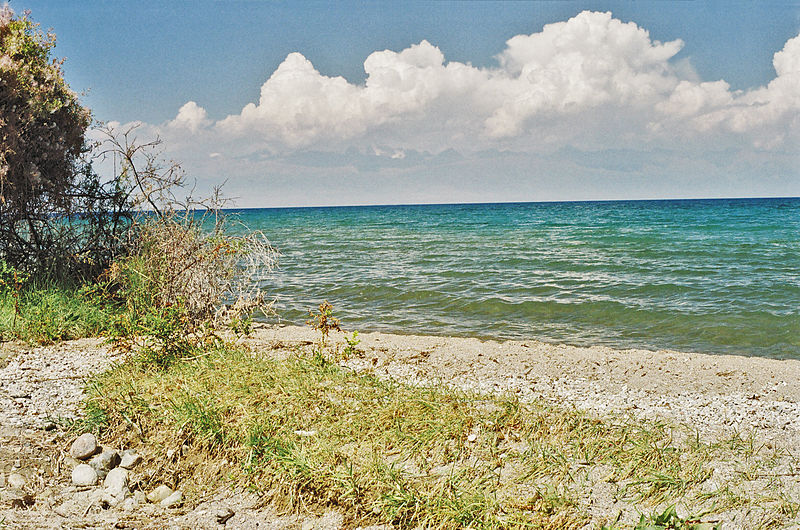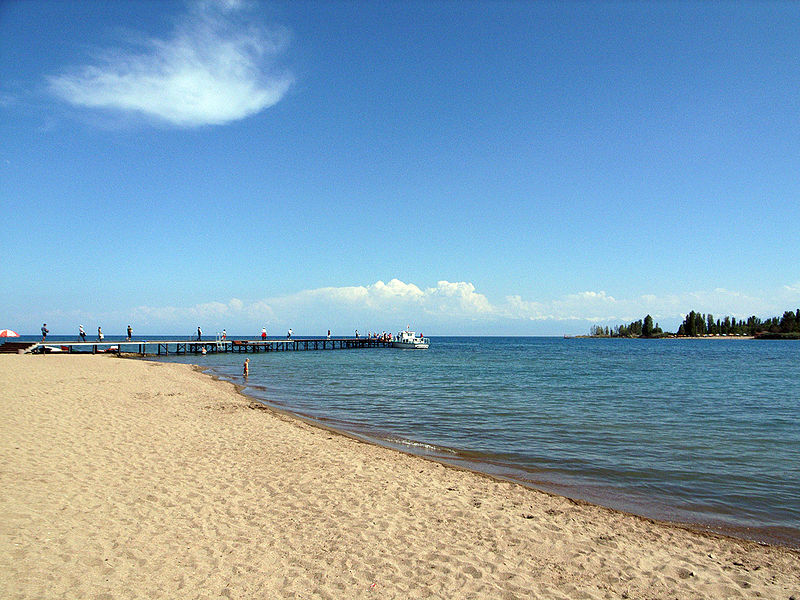

Issyk-Kul is the largest and most amazing lake in Kyrgyzstan, located in the northeast of the country. The maximum depth of the lake is 702 meters, which puts it on the 6th line among the deepest lakes on the planet.
Issyk-Kul is located between the picturesque ridges of the Tien Shan mountain system. The name of the lake most likely originated from the Turkic "Issy-Kul", there is also a Kyrgyz spelling "issyk kel", which translates as "hot lake", since the water in it does not freeze all year round. Several factors contribute to this: firstly, the lake is salty, and secondly, the winters in the basin are quite mild. The lake was first mentioned in the 2nd century AD by Chinese chroniclers, who named it "Zhe-Hai" (warm sea). A more detailed study of Lake Issyk-Kul in the 19th century was made by the traveler and researcher Przhevalsky Nikolai Mikhailovich, who in his will indicated to bury him on the shore of this lake.
There are quite a lot of fish in the lake, there are 21 species in total, 14 of which are found nowhere else. Vegetation, on the contrary, is sparse, small forests with birch, poplars, and willow can be found only on flowing rivers. Sea buckthorn grows mainly around the lake. On the slopes of the mountains, you can find large thickets with barberry, currant, rose hip, mountain ash.
Over the years, there have been many legends about the lake. Among them is the legend of the great conqueror Tamerlane, who came to the shores of Lake Issyk-Kul three times to take control of local nomadic tribes. But as soon as he approached with an army, all the tribes left the country at once, and when the army left, they returned. During one of these, he ordered his soldiers to take a stone each and put them in one place. As a result, a large mountain grew. On the next march, he ordered each soldier to take one stone from the mountain and put them in another pile. Tamerlane was very sad when he saw that the first mountain was much larger than the second. These piles of stones were called Santash, which translates as counting stones. It is also called the nearby pass. According to other legends, many rich cities were flooded in the lake. These legends are based on real facts, and traces of ancient cities and civilizations have been found during archaeological excavations.
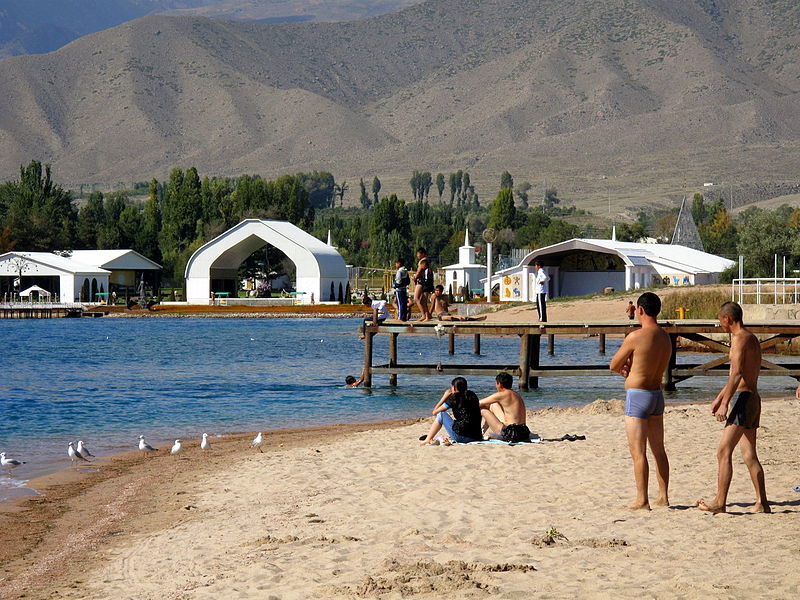
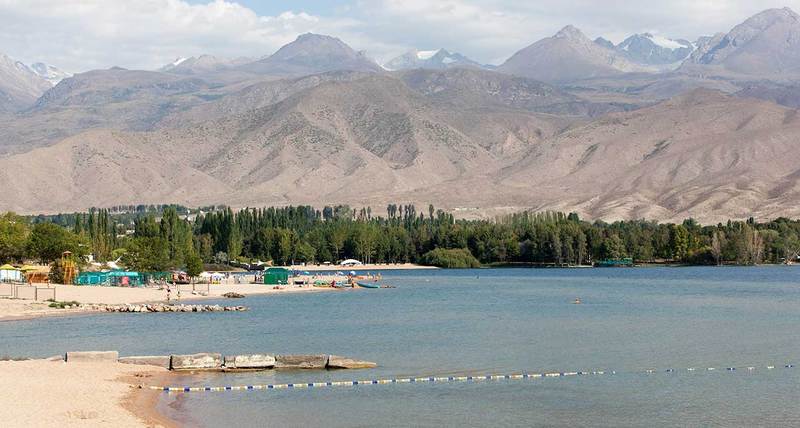
Tourism is very well developed here, and holidays in Issyk-Kul will bring a lot of impressions, because the mountain and marine climate combine here, attracting a lot of tourists from neighboring countries. It is the lake that brings most of the country's income from tourism. There are many recreation centers and boarding houses built on the lake, but, nevertheless, there are also remote places, because the territory of Issyk-Kul is huge - 182 kilometers long and 58 wide. The main season takes place in June and August, when you can get a good tan on the equipped beaches and swim in the warm water. Another advantage of tourism is the absence of industrial enterprises polluting the water.
Gallery