Hell's Gate National Park is one of Kenya's most unusual natural areas, located in the Great Rift Valley south of Lake Naivasha. It is known for towering cliffs, deep gorges, volcanic formations, and geothermal steam vents. Unlike many African reserves, visitors can explore its landscapes on foot or by bicycle as well as observe wildlife from a vehicle.
Geography and Park Features
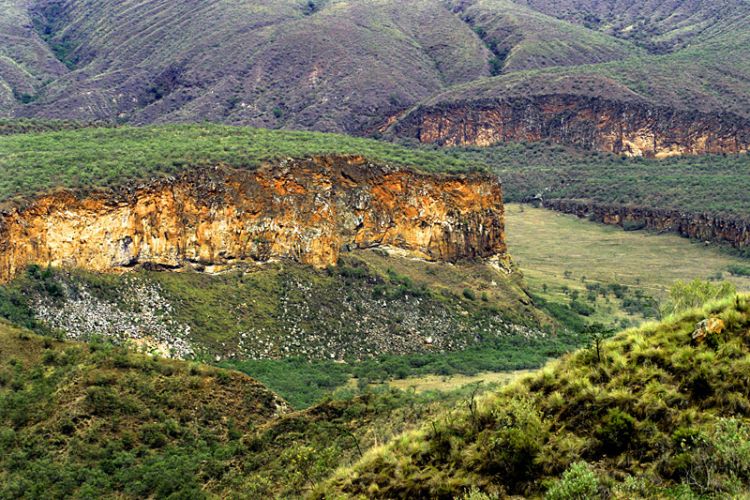
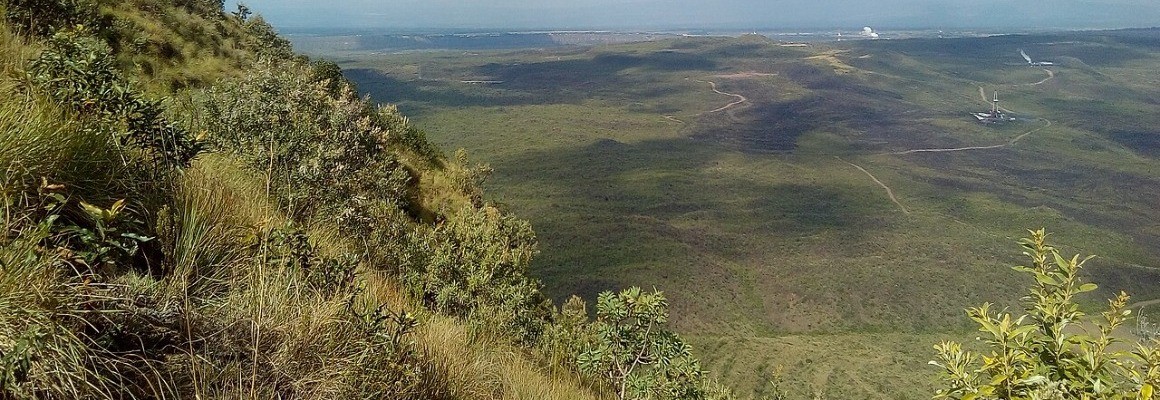
The park covers approximately 68 square kilometres in Nakuru County. Its landscape was shaped by ancient volcanic activity and geological processes associated with the Great Rift Valley. Dry plains, rocky outcrops, steep escarpments, and winding gorges create scenery that differs from the familiar image of the African savannah.
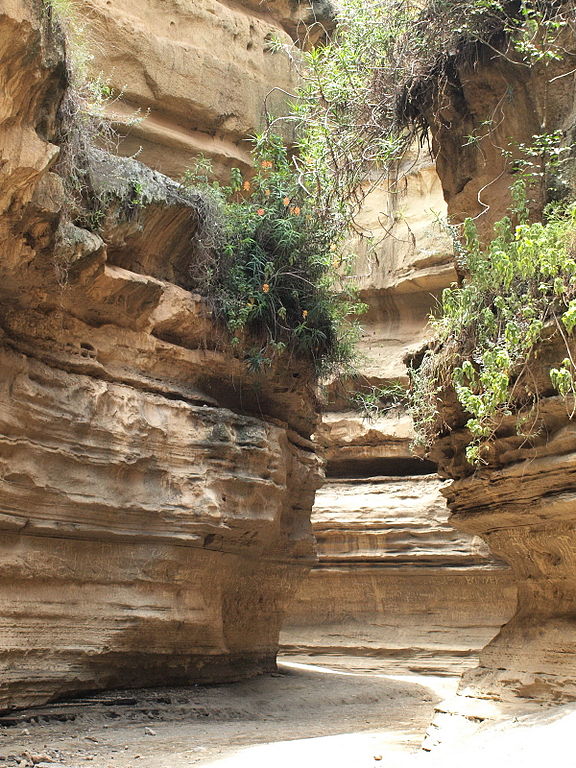
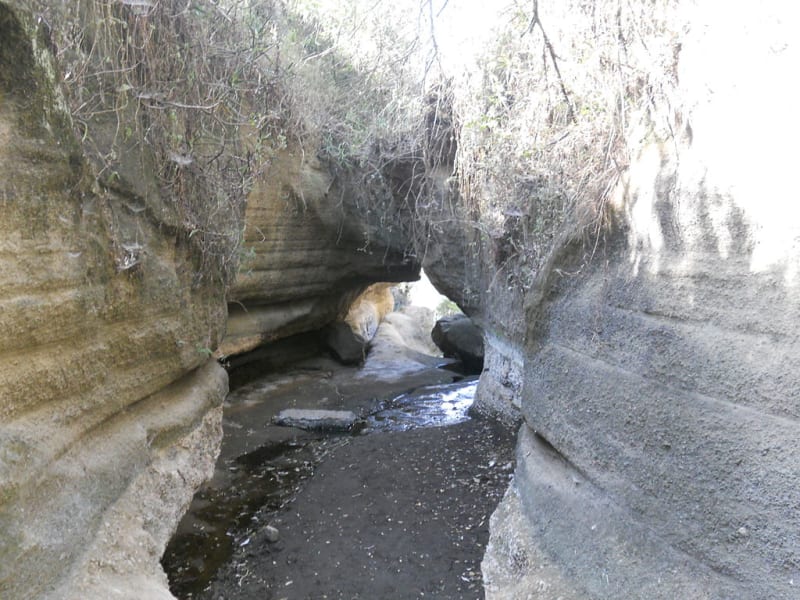
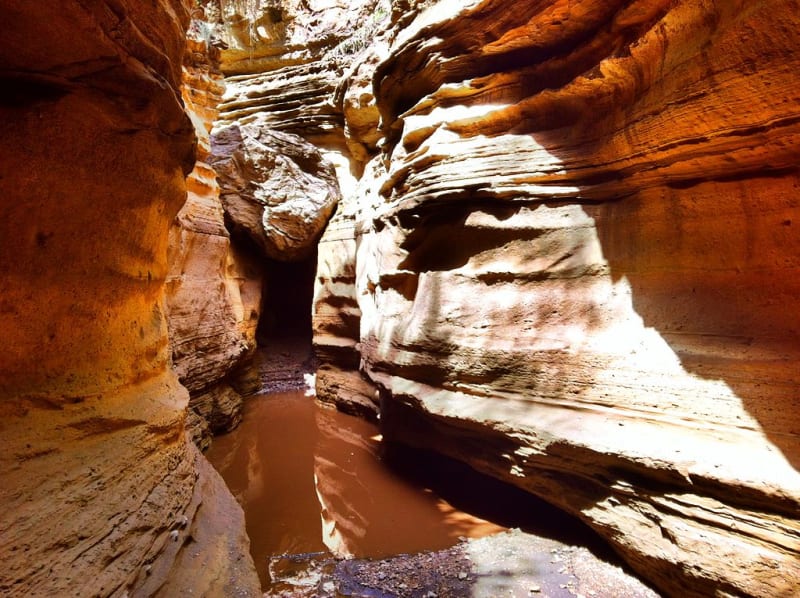
The park's name is associated with the impressive Ol Jorowa Gorge, which cuts through the surrounding rock. In some places, cliffs form narrow passages, while open areas reveal volcanic hills and traces of ancient eruptions. Geothermal activity can be observed around Olkaria, where hot steam rises from the ground, reflecting processes continuing deep beneath the surface.
Gorges and Rock Formations
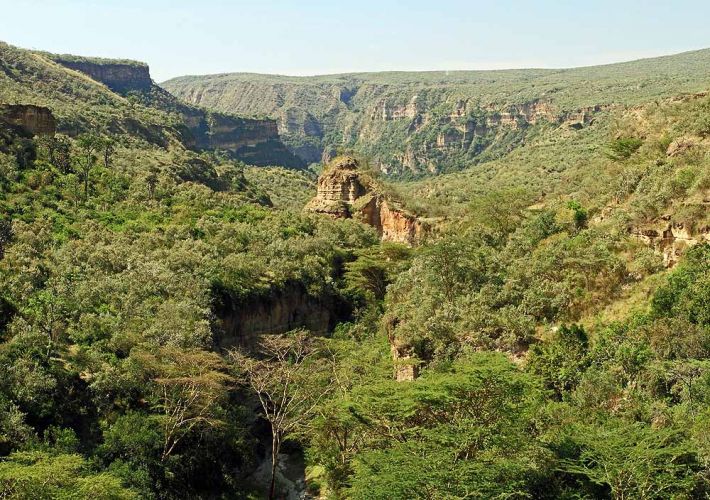
One of the main places to explore is Hell's Gate Gorge, where water and erosion have shaped steep walls and winding passages over long periods. Its appearance changes with the light and season, making it particularly interesting for nature photographers. Visitors should check access conditions before entering: after heavy rain, some sections may become dangerous because of sudden rises in water levels or rockfalls.
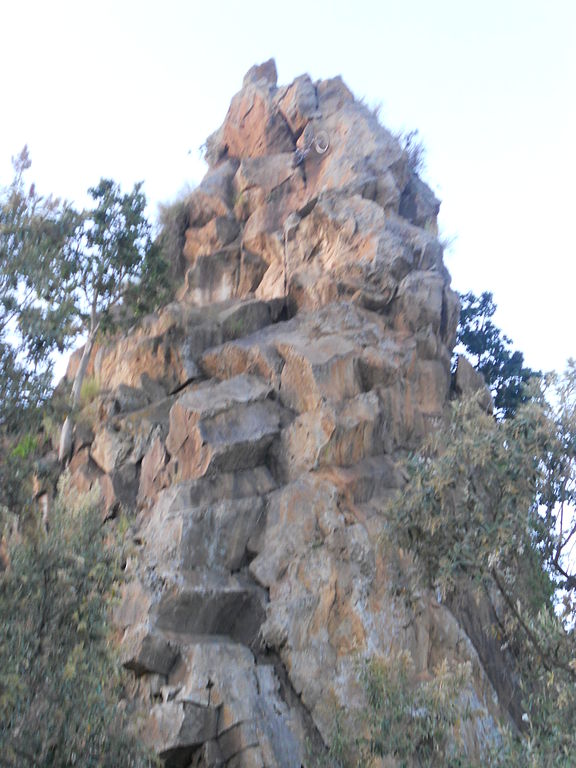
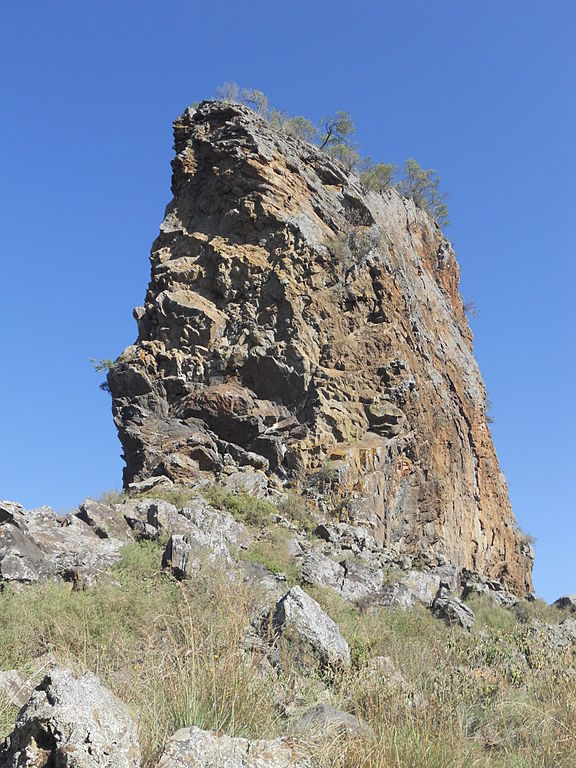
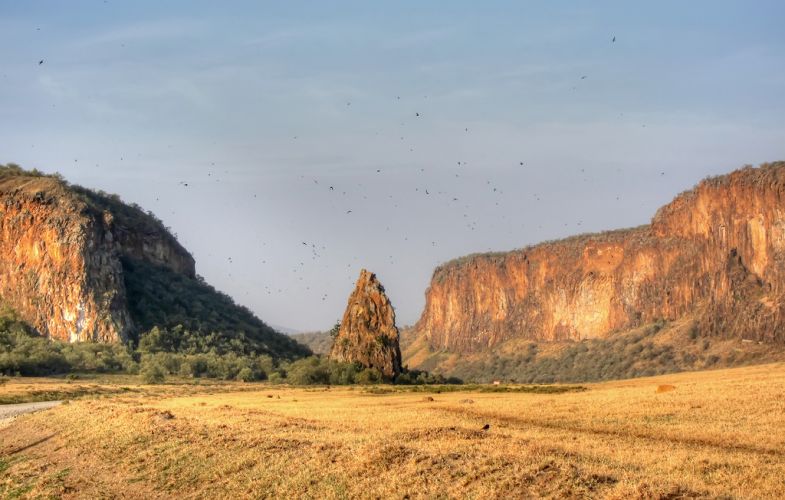
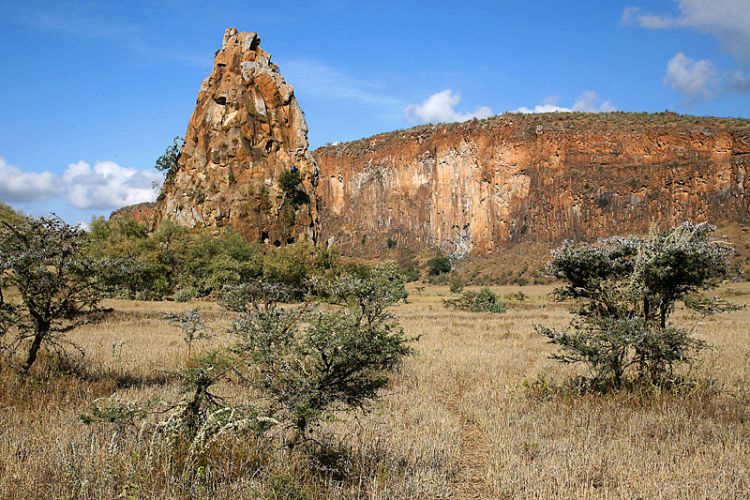
A distinctive landmark is Fischer's Tower, a tall volcanic rock formation popular with rock climbers and clearly visible against the open plains. Other outcrops, including Central Tower, are found nearby. The park also contains obsidian formations, a dark volcanic glass created when lava cools rapidly.
Wildlife
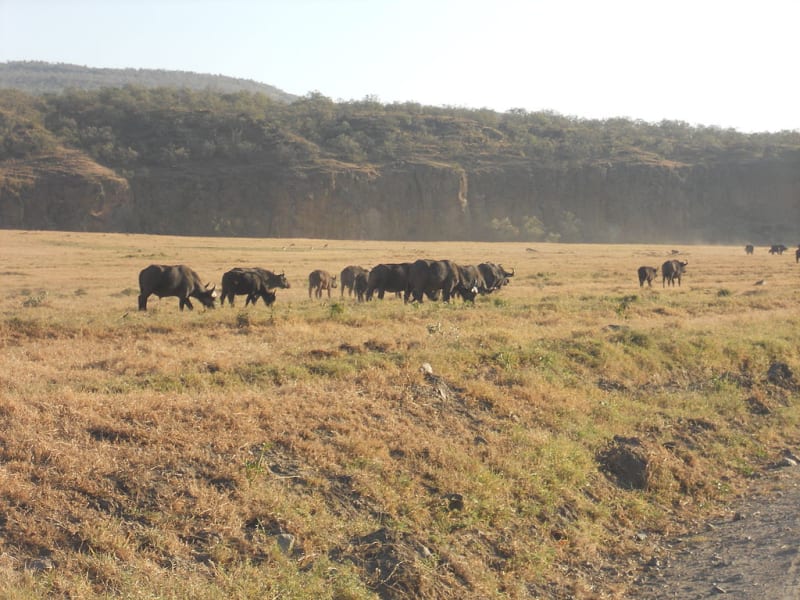
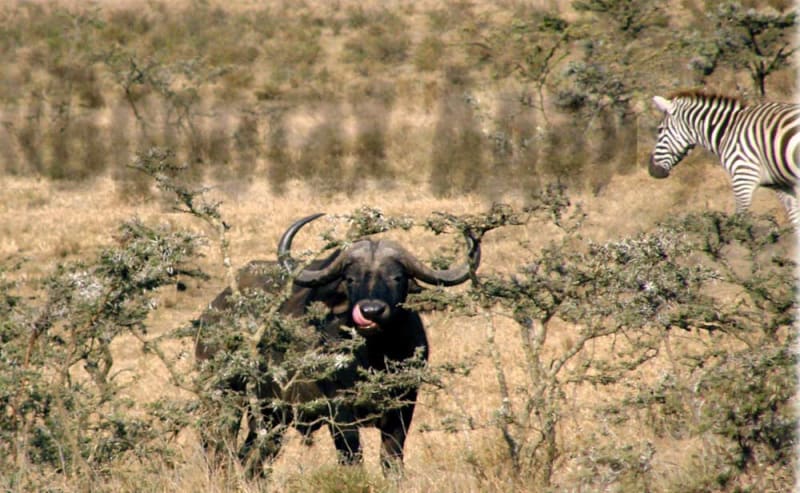
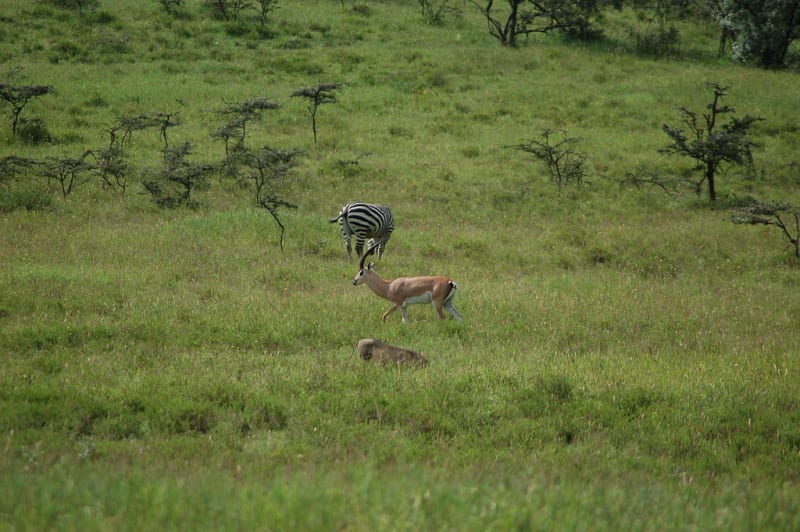
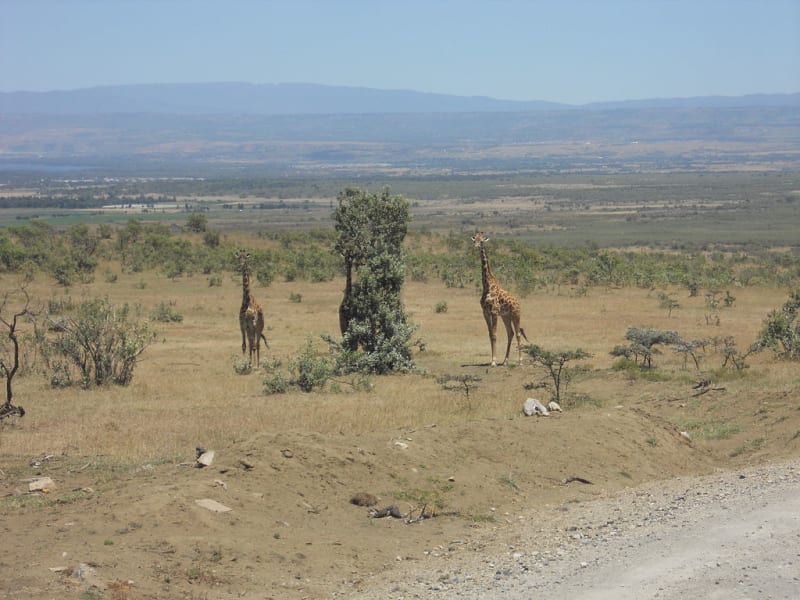
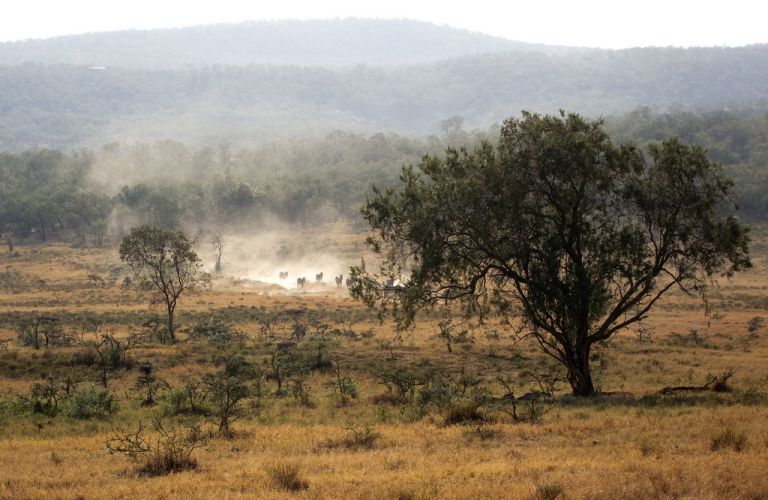
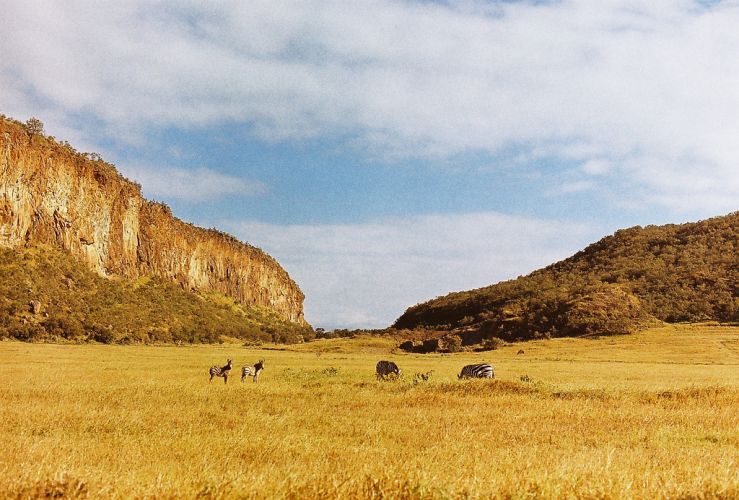
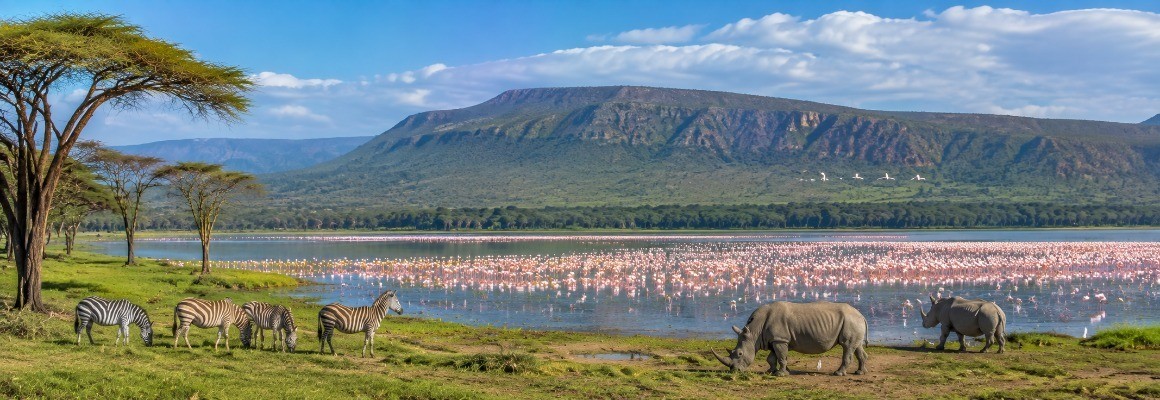
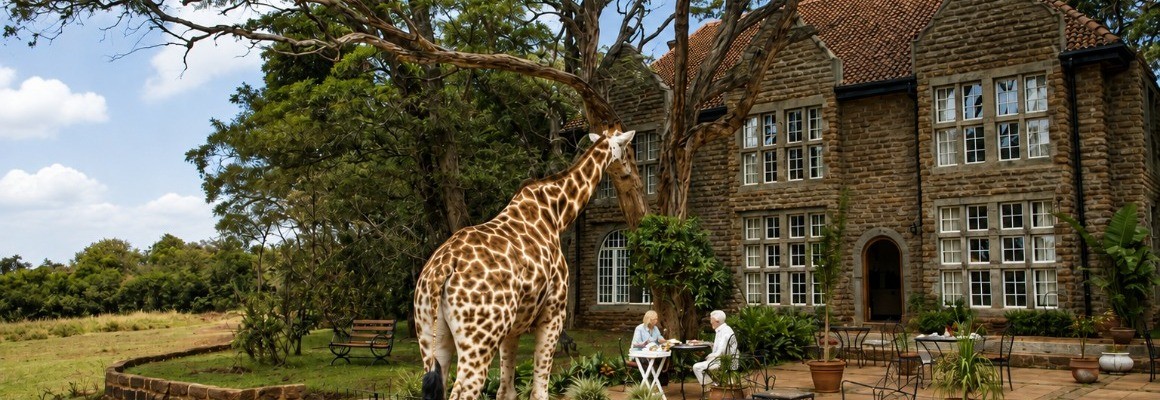
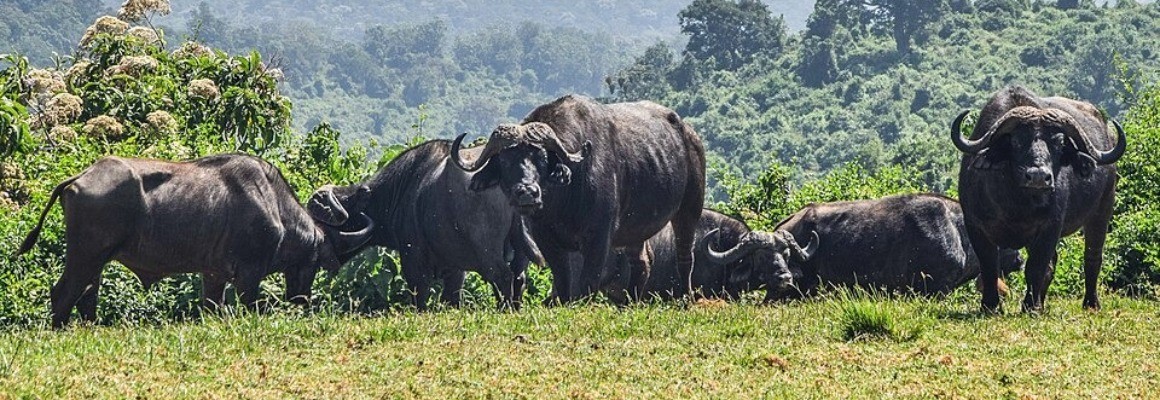
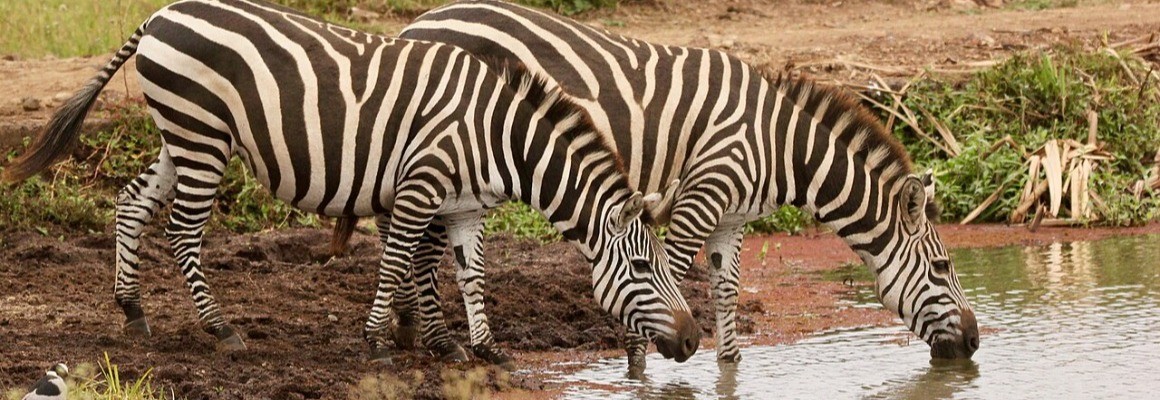
Despite its relatively small area, the park supports a varied range of wildlife. Zebras, giraffes, buffaloes, elands, Thomson's gazelles, and warthogs may be seen across the open terrain. Baboons, servals, and other mammals also live here. Leopards and some more elusive species are encountered much less frequently, so sightings are never guaranteed.
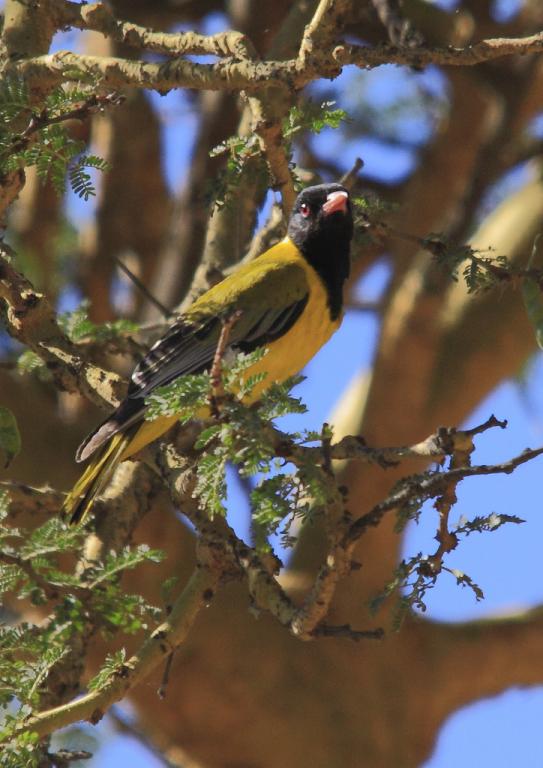
Hell's Gate is also a rewarding destination for birdwatchers. Its cliffs provide habitat and nesting sites for birds of prey, including eagles and vultures. Special viewing locations include the Mervyns Carnelley Raptor Hide. Wildlife is best observed quietly, from a respectful distance, without disturbing the animals' natural behaviour.
Walking, Cycling, and Geothermal Attractions
Hell's Gate is a popular destination for outdoor activities. Visitors can walk or cycle along permitted roads and trails, stopping at viewpoints and rock landmarks. Bicycles are available for hire near some park entrances. Those planning more demanding routes should check in advance whether an escort from a ranger or local guide is required.
The park contains the Olkaria geothermal complex, where underground heat is used to generate electricity. A geothermal spa is located nearby and offers visitors a place to relax after exploring the landscape. The contrast between natural cliffs, steam vents, and modern energy infrastructure makes this part of the park especially distinctive.
How to Reach Hell's Gate National Park
The park lies about 100 kilometres northwest of Nairobi, near Naivasha town and Lake Naivasha. Travellers commonly take the A104 road towards Naivasha and then turn onto Moi South Lake Road. Elsa Gate is one of the main entrances. Before travelling, check the latest entry requirements, opening hours, and road conditions.
Best Time to Visit
The park can be visited during much of the year, although conditions vary by season. During drier months, dirt roads and walking trails are generally more convenient for hiking and cycling. In the rainy season, the landscape becomes greener, but some roads and gorges may be slippery or temporarily closed. Bring drinking water, sun protection, closed-toe shoes, and clothing suitable for changing weather.
Visitor Guidelines
Hell's Gate is a natural area with wild animals and geothermal zones. Do not approach or feed wildlife, leave permitted routes, or get close to dangerous hot-steam vents. When walking through gorges, follow park staff instructions and pay attention to weather conditions. Responsible behaviour helps protect the natural features of this remarkable part of Kenya.
Gallery