Shukkeien Garden is a historic Japanese landscape garden in central Hiroshima, created in the early 17th century. It is known for miniature scenery, winding paths, ponds, small islands, stone bridges, and traditional tea pavilions. Its name is commonly translated as “shrunken-scenery garden”: within a relatively small area, the garden recreates the appearance of mountains, valleys, forests, and bodies of water.
History of the Garden
Shukkeien was established in 1620 on the orders of Asano Nagaakira, the feudal lord of Hiroshima. The work was overseen by Ueda Soko, a senior retainer, renowned tea master, and garden designer. Originally, the garden formed part of the Asano family’s villa and was intended for relaxation, strolls, and traditional tea ceremonies.
A major fire in 1758 destroyed much of Hiroshima and damaged the garden. Extensive restoration work took place in the late 18th century, establishing much of the layout that can still be seen today. In 1940, the Asano family donated the garden to Hiroshima Prefecture, and it was opened to the public.
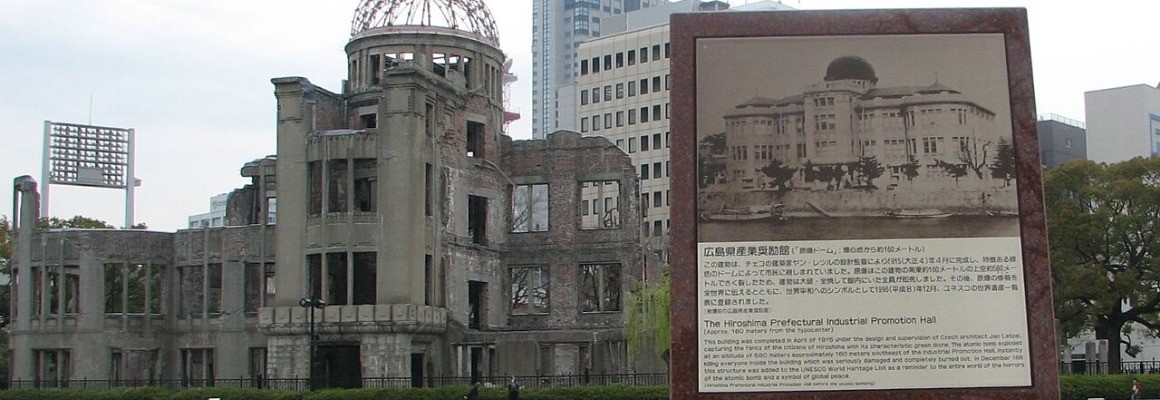
On August 6, 1945, Shukkeien suffered severe damage from the atomic bombing of Hiroshima. Many structures were destroyed, and the garden became connected with the tragedy and the experiences of local survivors; injured people came here seeking assistance. After the war, a long restoration project began, lasting from 1949 to 1974. Today, the garden is both a landmark of Japanese landscape design and a place for remembrance and reflection on peace.
Takueichi Pond and Its Islands
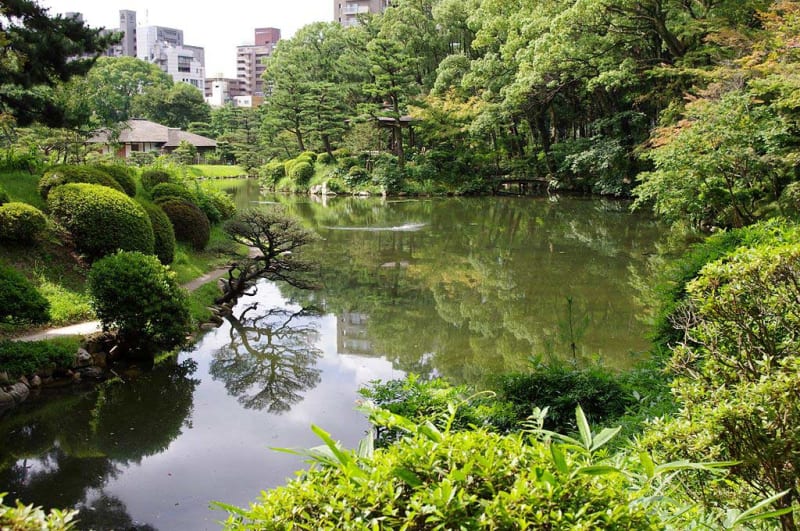
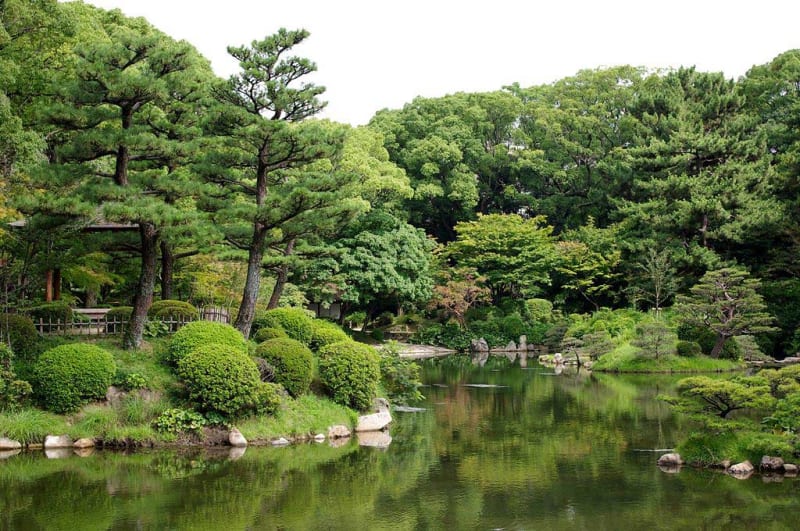
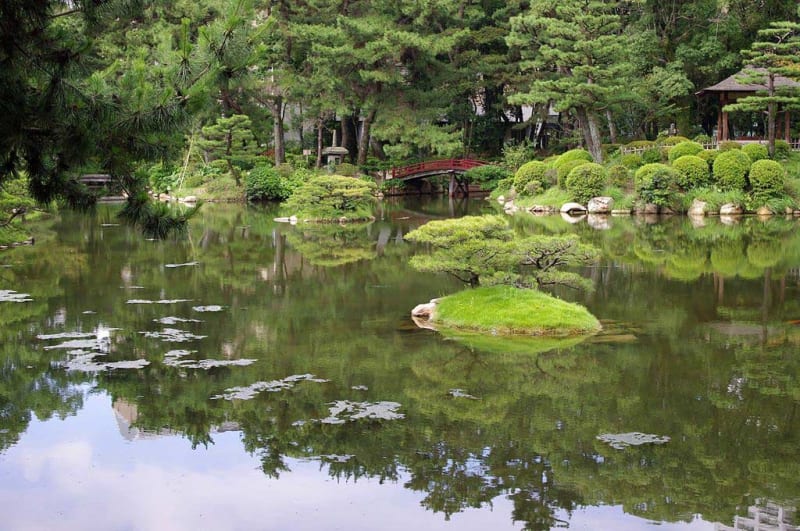
Takueichi Pond lies at the center of the garden, with a walking route winding around it. Islands of different sizes dot the water and are symbolically associated with natural landscapes and ideas of longevity. Bridges connect the banks, while surrounding hills, trees, and carefully arranged views create the impression of traveling through several different landscapes.
The design of Shukkeien is traditionally associated with the scenery of West Lake in Hangzhou, China. However, the garden is not an exact copy of a single location. Instead, it combines a variety of landscape motifs into an independent miniature world.
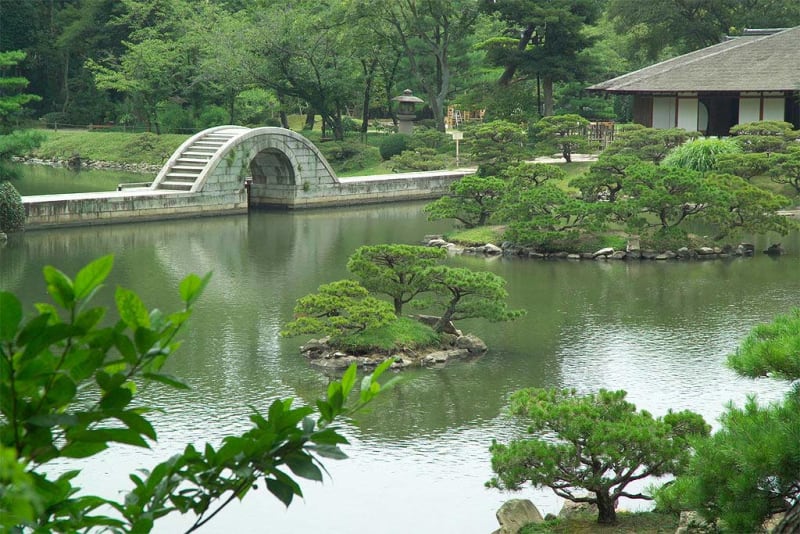
The stone arch bridge Kokokyo is one of the garden’s most recognizable features. Spanning the pond, it stands out against the water, islands, and vegetation. As visitors follow the paths, the scenery changes continuously, revealing new perspectives, small valleys, and quiet places to rest.
Tea Pavilions and Traditional Aesthetics
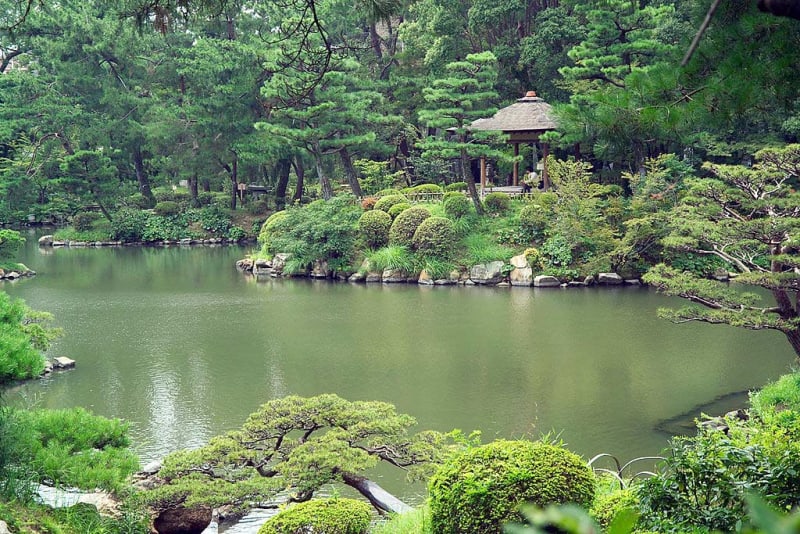
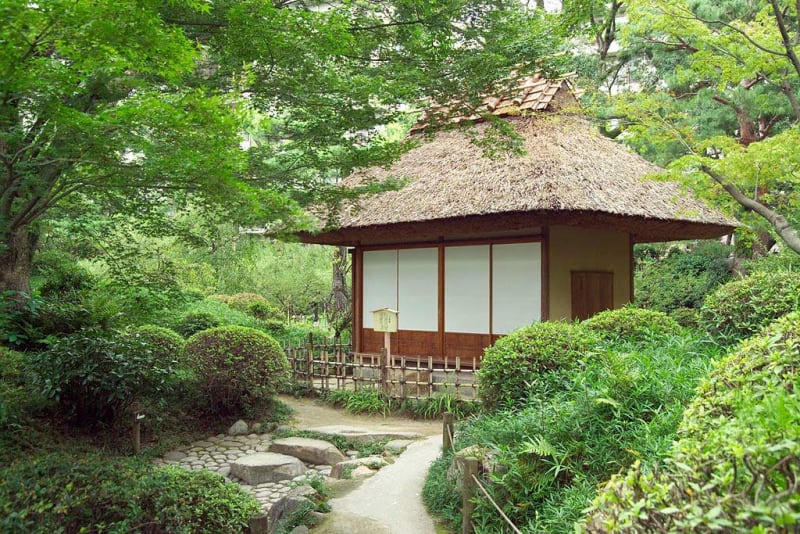
Pavilions and gazebos are scattered throughout the garden, offering places to enjoy views of the pond and surrounding plants. One notable building is Seifukan, associated with the tradition of the Japanese tea ceremony. Such structures provide peaceful places for contemplation and highlight the garden’s connection with hospitality and a careful appreciation of nature.
Shukkeien is a stroll-style Japanese garden whose beauty unfolds gradually as visitors move along its paths. The experience depends not only on individual landmarks but also on the interplay of water, stone, plants, architecture, and perspective. Artificial hills, bamboo groves, bridges, and carefully selected trees create a varied landscape within a limited space.
Seasonal Scenery
The garden is worth visiting throughout the year. In spring, plum blossoms and cherry blossoms brighten the paths and pond banks. In summer, lush vegetation and reflections of trees in the water become especially prominent. In autumn, maple leaves turn red and gold, while winter reveals the shapes of trees, stones, and bridges against a quieter background.
Cultural events and tea ceremonies take place in Shukkeien at different times of the year. Special events may affect visiting arrangements, so it is useful to check the latest information before arriving.
Nearby Attractions
The Hiroshima Prefectural Art Museum is located next to Shukkeien. The two attractions can easily be combined in one visit: after exploring the garden, visitors can discover Japanese and international art in the museum galleries. Its central location makes Shukkeien a convenient stop on a sightseeing route through Hiroshima.
How to Get There
The garden is located at 2-11 Kaminobori-cho, Naka Ward, Hiroshima, Japan. It takes approximately 10–15 minutes to walk from Hiroshima Station. Visitors can also take the city tram and get off at Shukkeien-mae, a short distance from the entrance.
Usual opening hours are 9:00 a.m. to 6:00 p.m. from March 16 to September 15 and 9:00 a.m. to 5:00 p.m. from September 16 to March 15. Admission ends 30 minutes before closing. The garden is generally closed from December 29 to 31. Opening hours, ticket prices, and special events may change, so check the official Shukkeien website before visiting.
Gallery