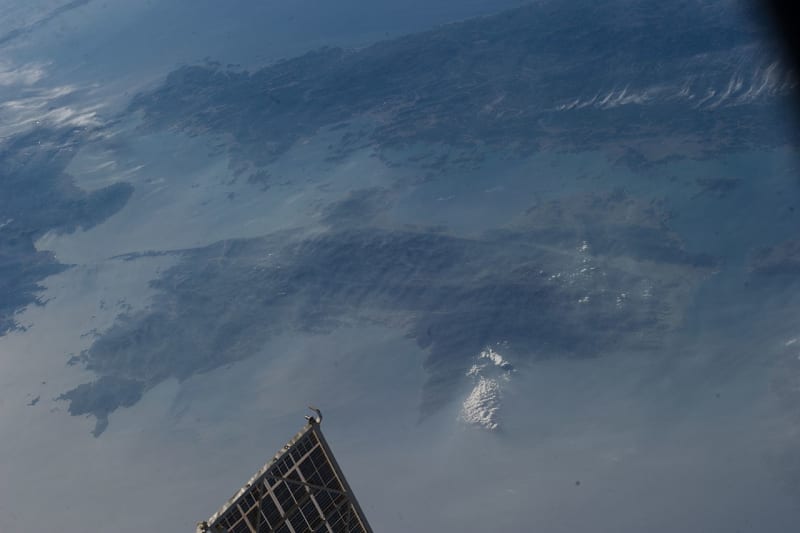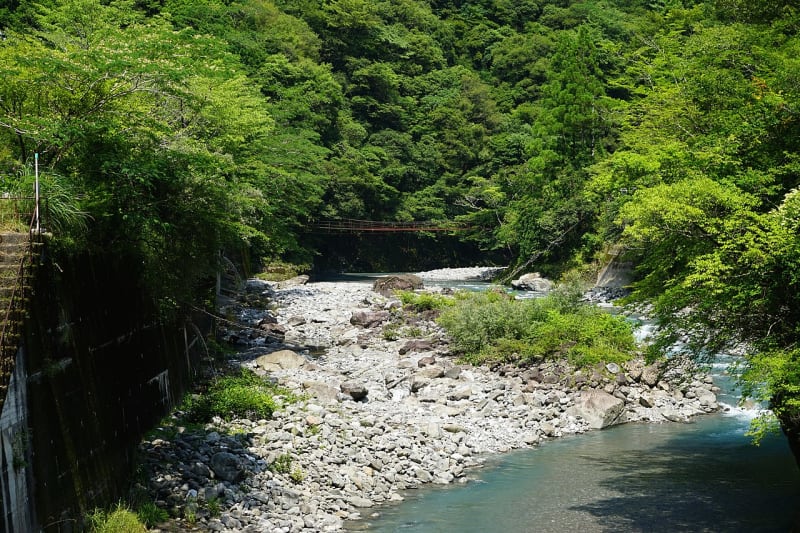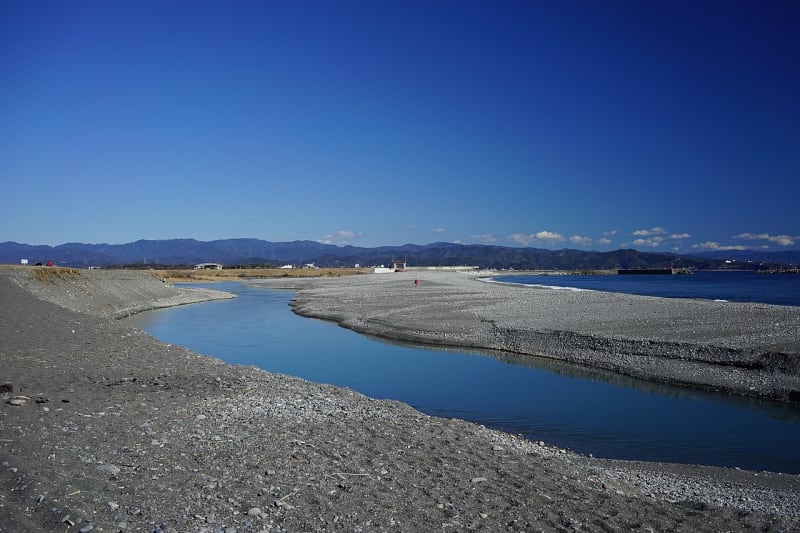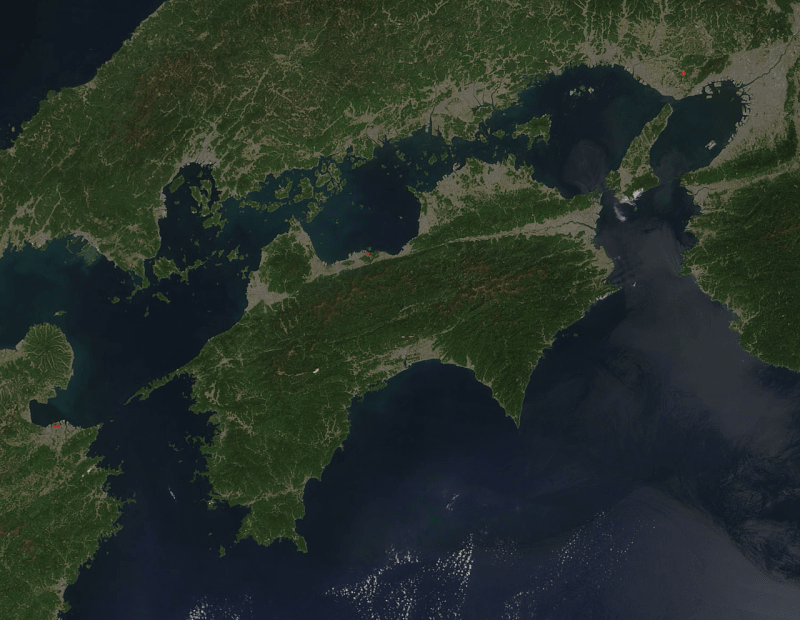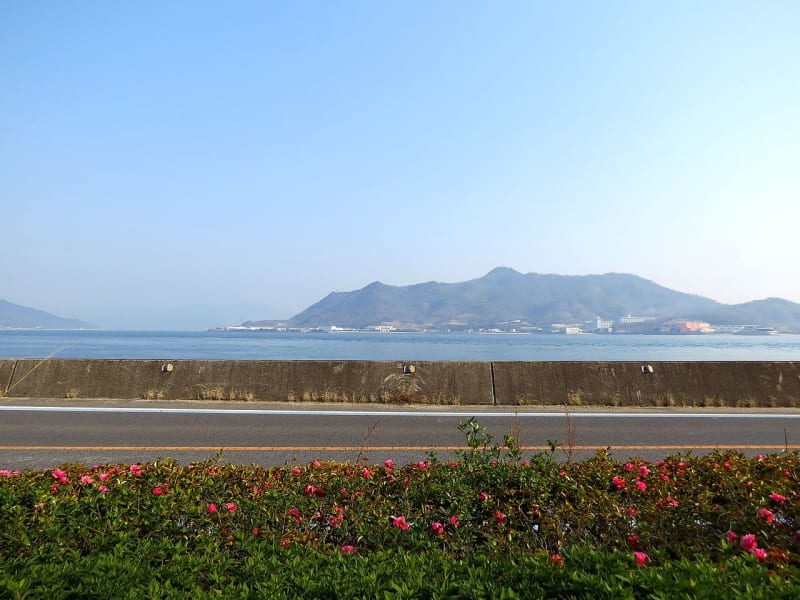

Shikoku Island is the smallest of the four main islands of Japan. It is ranked 50th in the world ranking of islands. There are many mountains and rivers, forests and valleys. Shikoku differs from other Japanese islands in that it is considered abandoned in terms of economic and industrial development. Instead, it is an important destination for the country's many Buddhists, with a pilgrimage route that includes visits to 88 temples.
General information
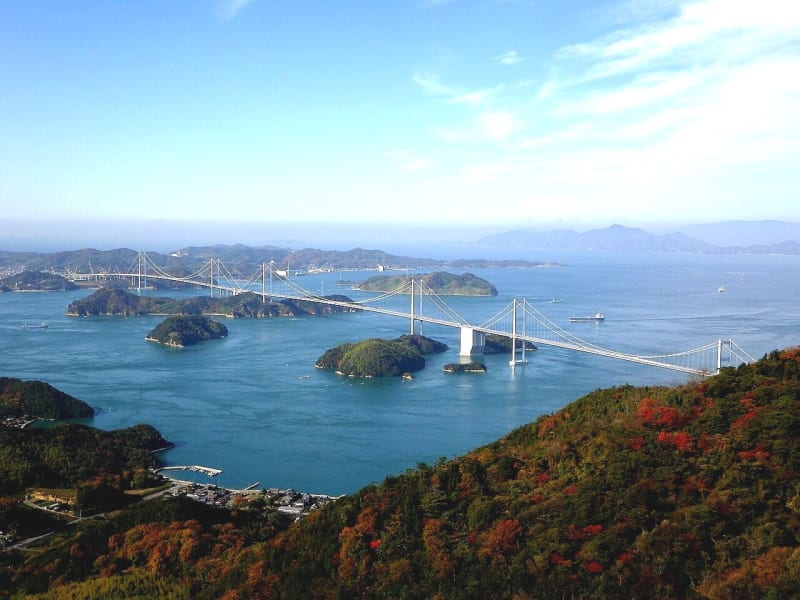
The word "Shikoku" has several meanings, one of them is an island, the second is connected with the history of the island, and translates as "four lands", previously there were 4 independent regions in this place, a little later they were renamed. In 1988, a network of bridges was connected to the island of Shikoku, this event helped to strengthen and accelerate the economic development of the island, which for a long time was considered lagging behind others in many areas. The bridges connect Shikoku with Hanshu Island by a wide 12-kilometer-long highway and railway tracks.
The local population is about 4 million people, most of them citizens over the age of 50, young people traditionally leave here in search of prospects. But the elderly remain, some of them are engaged in agriculture, because there are large citrus plantations on the island of Shikoku, especially tangerines. Persimmons and grapes, peaches and plums are also grown. Marine industries are also developed here - fishing, shipbuilding, pearl mining.
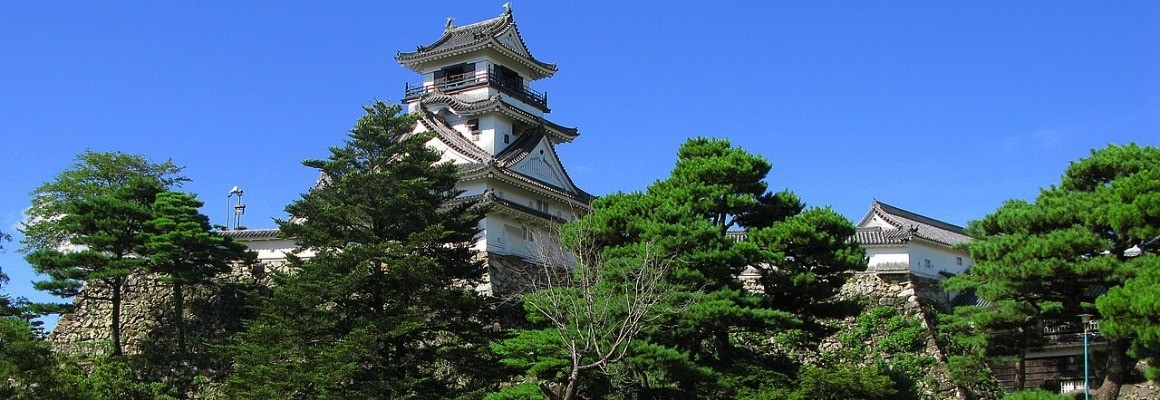
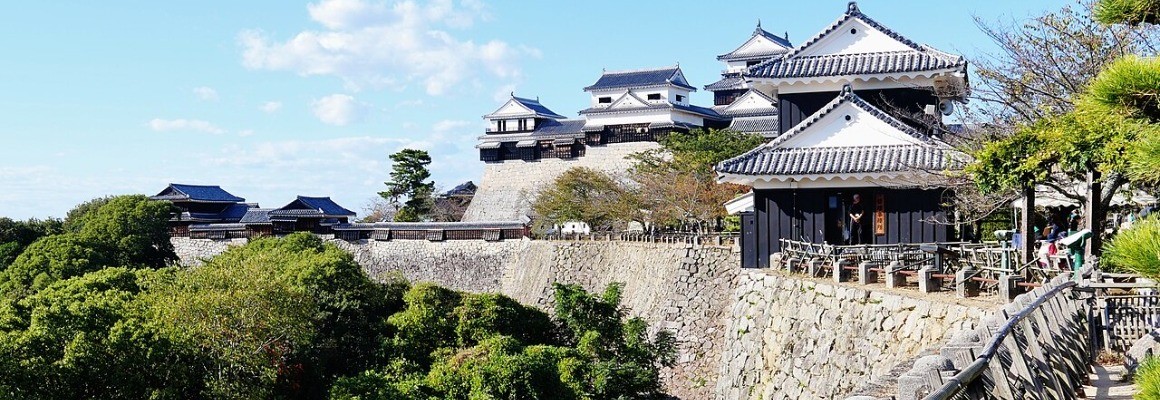
There are 4 large cities on the island of Shikoku, they were formed around the castles of local rulers and today they bear their names.:
- Coty;
- Matsuyama;
- Marugame;
- Uvajima.
Attractions
The main attraction of Shikoku Island is the Buddhist pilgrimage trail, which stretches for more than 1,100 kilometers, and many believers annually conquer this distance in 40 days. The number of temples is not accidental, it is equal to the number of human sins. Those who have greatly offended the universe, make their journey, starting from the last temple on the list, the rest go from the first. In the first temple, it is proposed to purchase a special book and, as you walk along your route, fill it with special hieroglyphs drawn by monks living at temples.
The castles of the island of Shikoku also deserve special attention, today they are cultural centers that preserve the history of the country and the island. And in the middle of the century, they served as residences for rulers and protected their inhabitants from ill-wishers. The nature of the island makes a very vivid impression on tourists, maple forests grow in large numbers, there are many rivers and mountain ranges. Large tangerine groves attract people with their blooming no less than traditional sakura trees. Many people also like the mineral thermal baths that are located in the island's spa centers.
Gallery