Mini Israel is an open-air miniature park in Latrun, in the Ayalon Valley between Tel Aviv and Jerusalem. It features scaled-down replicas of famous buildings, historic monuments, religious sites, and other landmarks from across the country. Visitors can explore Israel's architectural and cultural diversity in a single walk rather than travelling between distant regions.
The park opened in November 2002 and features hundreds of models, most built at a scale of 1:25. The displays reproduce architectural facades, streets, landscapes, and surrounding environments in considerable detail. Miniature roads, vehicles, and human figures help bring the scenes to life.
History of the Park
The idea for Mini Israel came to Israeli entrepreneur Eiran Gazit after he visited miniature parks in Europe. He envisioned bringing the country's most significant landmarks together in one place. Architects, artists, engineers, and model makers worked on the project, studying real buildings and monuments to reproduce their distinctive features.
Opening in 2002, the park became an unusual way to discover Israel's history, architecture, religious traditions, and geography. Its collection spans different periods, from ancient structures and sacred sites to modern public buildings and transport infrastructure.
Landmarks in Miniature
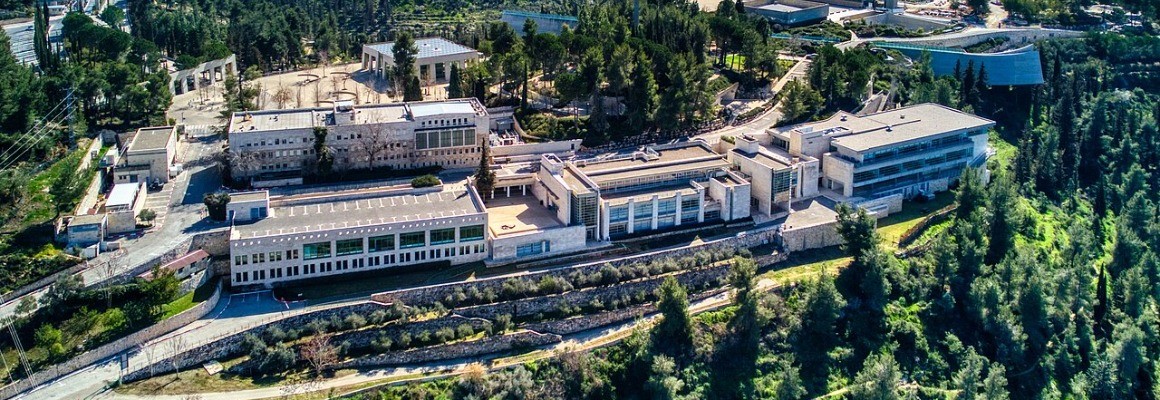
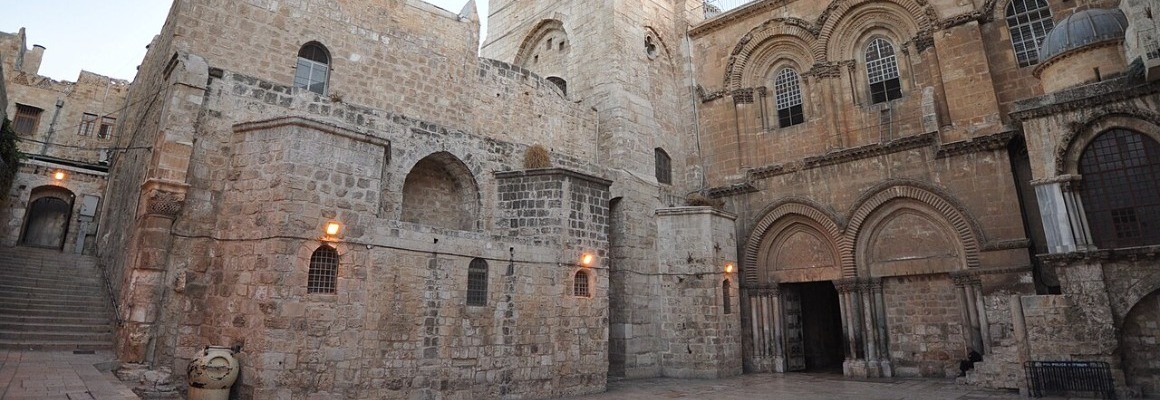
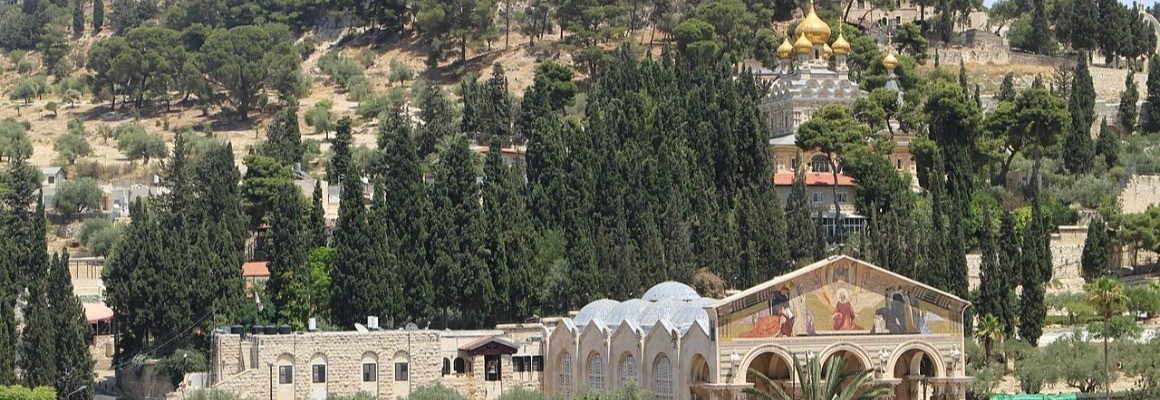
The collection includes historic quarters of Jerusalem, sections of the Old City's walls, sacred places, notable buildings in Tel Aviv, and architectural landmarks from other Israeli cities. It presents sites of importance to Judaism, Christianity, and Islam.
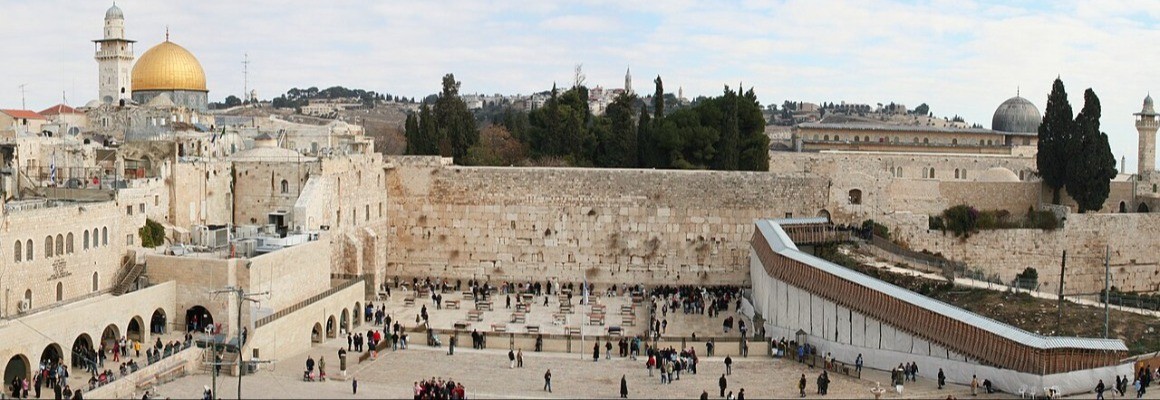
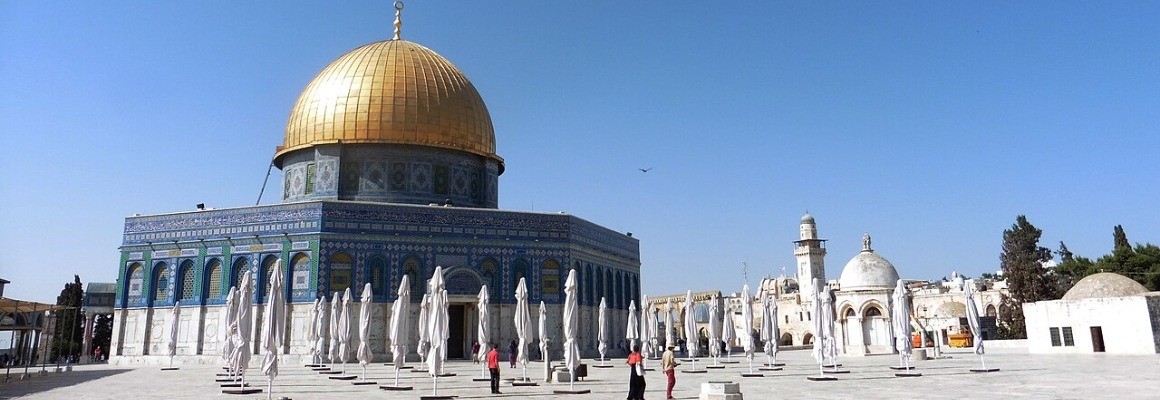
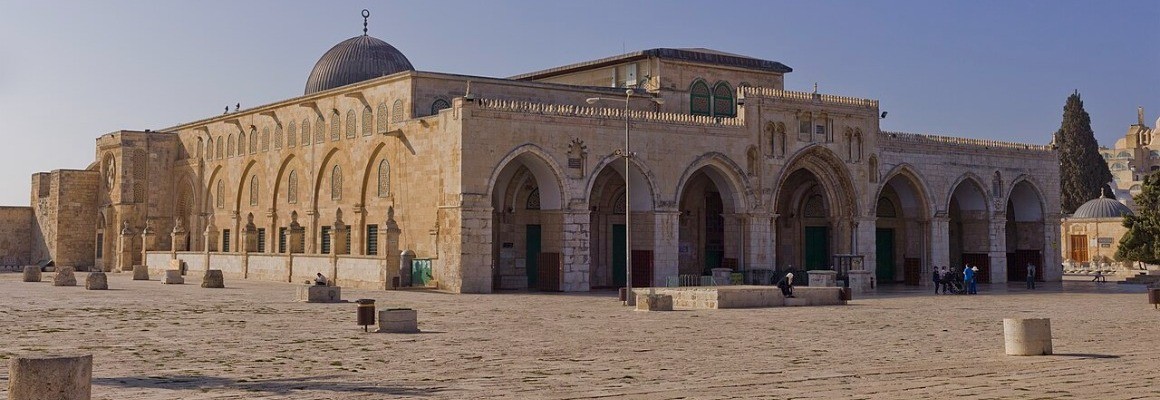
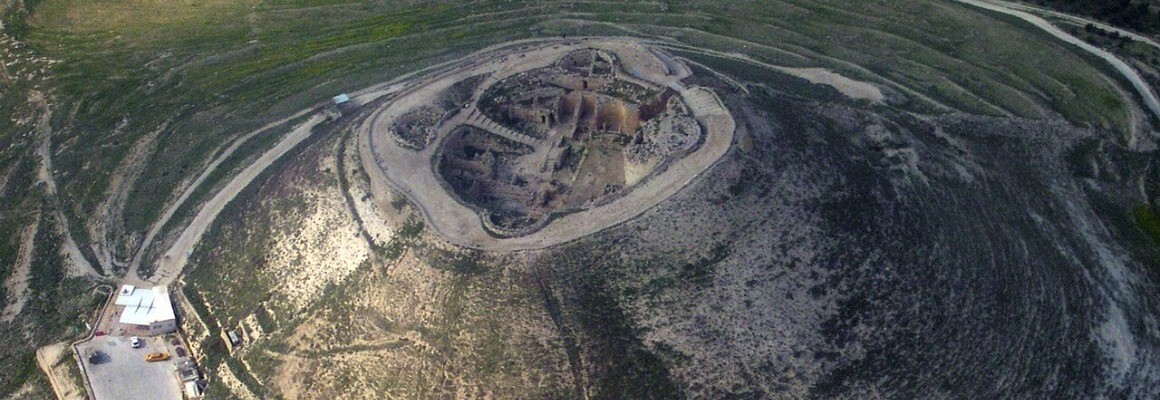
Highlights include models of the Western Wall, the Dome of the Rock, religious buildings in Jerusalem, and the Baháʼí Gardens in Haifa. Visitors can also see miniature ancient fortresses, archaeological sites, and historic settlements. The models make it easier to examine architectural details and compare styles from different periods.
Modern Israel
The park is not limited to ancient history. It also depicts modern urban districts, high-rise buildings, public institutions, and infrastructure. These displays reveal the contrast between historic city centres and contemporary development, illustrating the country's varied architecture.
Miniature airports, railway lines, roads, bridges, and vehicles add another dimension to the exhibition. Some displays were designed with moving components, although their operation may vary as installations require maintenance and repairs.
Landscapes and Design
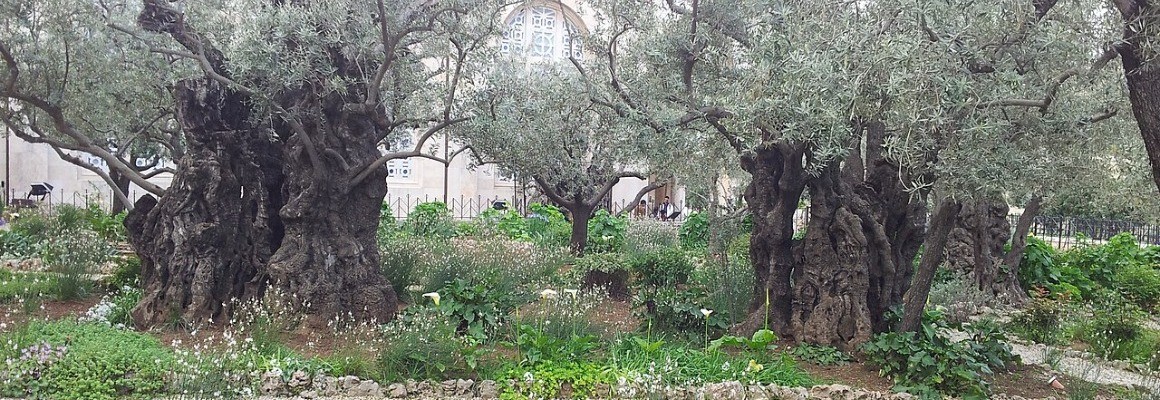
Mini Israel recreates not only buildings but also their surroundings. Miniature trees, shrubs, paths, water features, and urban landscaping help create convincing scenes. Living miniature trees represent gardens and parks, while tiny figures of people and vehicles add scale and detail.
The park's layout resembles a six-pointed star, referencing one of Israel's best-known symbols. The exhibition is divided into thematic and geographical areas, allowing visitors to move between different regions and observe how architecture and landscapes change.
What to See
A good place to begin is the Jerusalem section, which features monuments associated with the city's long history and religious traditions. Visitors can then explore modern Tel Aviv, transport facilities, ancient fortresses, and historic settlements.
The Haifa displays, including architectural landmarks and the Baháʼí Gardens, are also worth seeing. Places familiar from photographs take on a different perspective when viewed as parts of a single miniature architectural and natural landscape.
Who Will Enjoy the Park
Mini Israel appeals to families with children, architecture enthusiasts, history lovers, and visitors interested in unusual museum experiences. Children can search for tiny buildings, people, and vehicles, while adults can gain a broader understanding of Israel's geography and discover landmarks they have not yet visited in person.
For first-time visitors to Israel, the park offers an overview of the country. Those who have already travelled around Israel can revisit familiar places from a fresh perspective and notice architectural details they may have missed.
Location
The park is located near Latrun in the Ayalon Valley, between Tel Aviv and Jerusalem. Travelling by car is generally the most convenient option. Before visiting, check opening hours, access to individual areas, and the operating status of interactive displays.
Gallery