Herodium Fortress is a remarkable archaeological complex on the edge of the Judean Desert, about 12 kilometers southeast of Jerusalem. It was built on the orders of Herod the Great, king of Judea in the late first century BCE. The site combined a fortified palace on a hilltop, residential and administrative buildings below, leisure facilities, and a royal burial monument.
History of construction
Herod the Great ruled Judea with Roman support and became known for ambitious building projects. Herodium held a special place among them: it was connected with the king’s personal history and was intended to serve as his burial place. Construction began in the final decades of the first century BCE. The ancient historian Josephus associated the site with an important event in Herod’s life and described it as the place chosen for his burial.
The artificial hill and palace-fortress
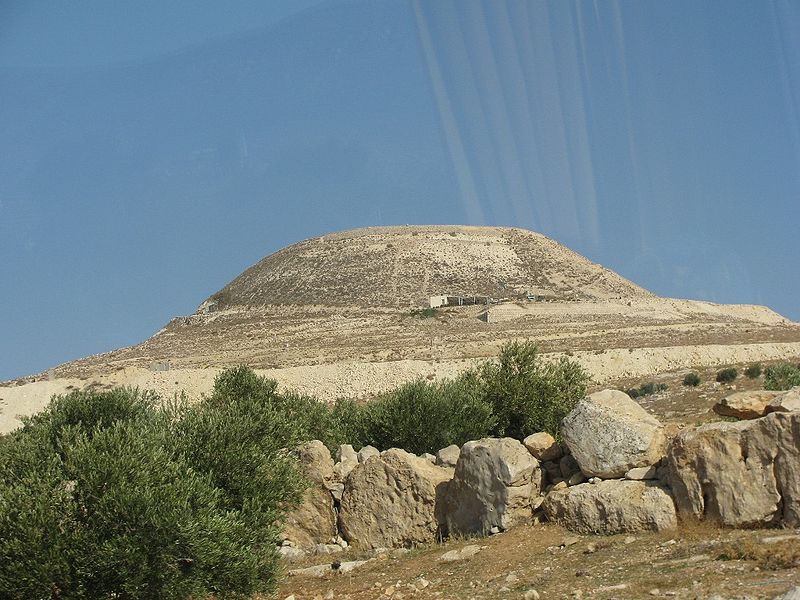
The most distinctive feature of Herodium is its high, rounded hill, which stands out against the surrounding landscape. Its shape is partly artificial: builders reshaped and reinforced the existing hill and used an enormous mound to envelop parts of the summit complex. The result was a monumental landmark visible from a considerable distance.
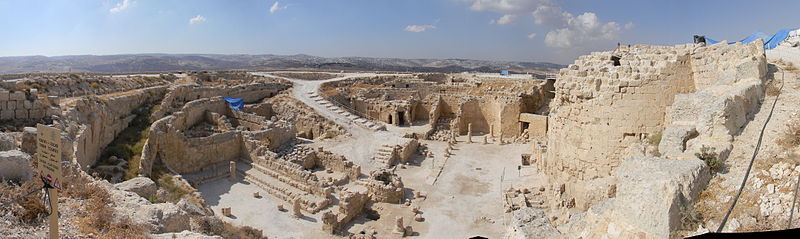
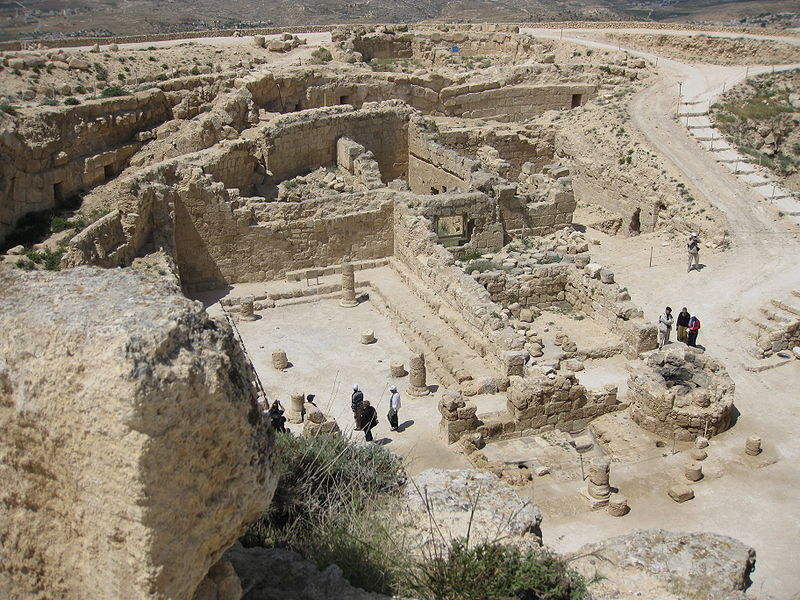
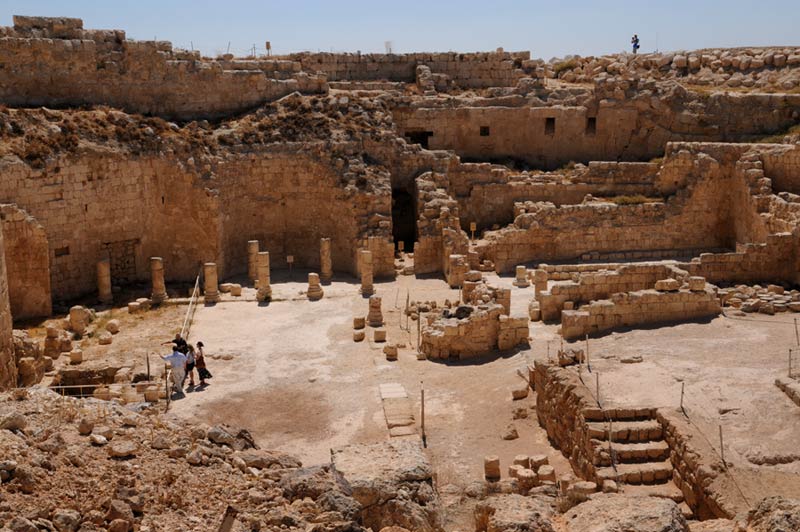
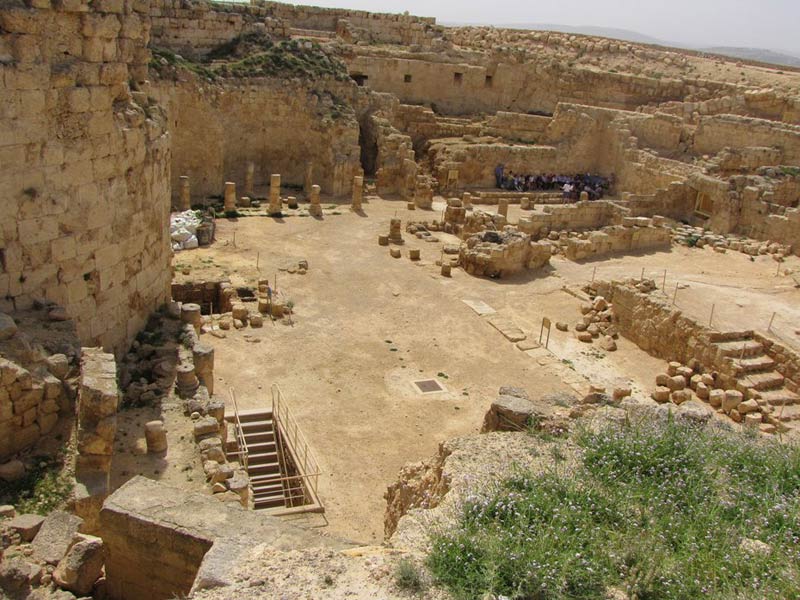
A palace-fortress stood at the top, protected by defensive walls and circular towers. Inside were residential rooms and spaces for receiving guests. Its architecture combined local building traditions with Hellenistic and Roman influences. The summit also offers wide views across the Judean Desert and toward the Jerusalem and Bethlehem areas on clear days.
Lower Herodium
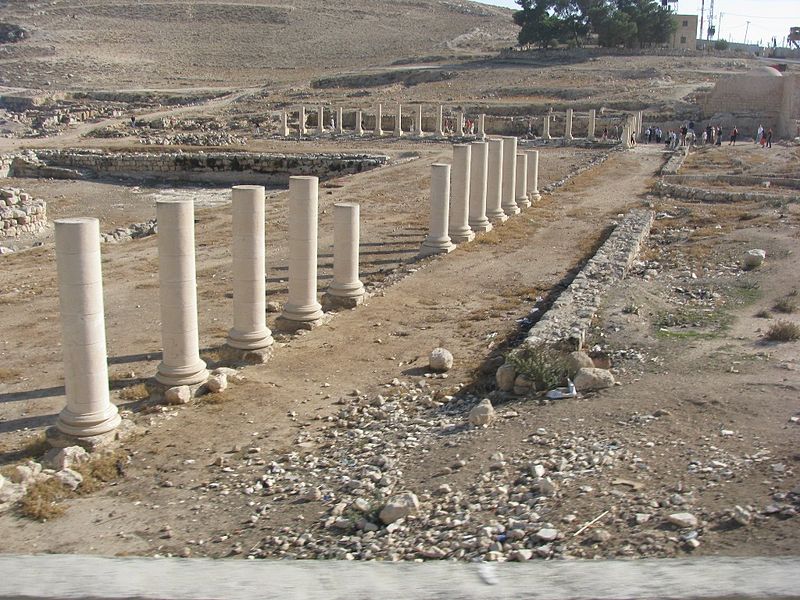
The complex extended far beyond the summit. At the foot of the hill stood Lower Herodium, an extensive area with palace and administrative buildings, gardens, a pool, and other facilities associated with a royal residence. Water management was particularly important in the dry climate, so storage and supply systems formed a significant part of the development.
The scale of the site shows that Herodium was more than a military refuge. It was also a center of court life, administration, and recreation, combining carefully planned architecture with the stark desert landscape.
The tomb of Herod the Great
One of the site’s most significant discoveries was made in 2007, when archaeologists uncovered the remains of a monumental structure on the hillside. The excavation team led by archaeologist Ehud Netzer identified it as the mausoleum of Herod the Great. Architectural fragments helped researchers reconstruct the monument’s original appearance.
The proposed mausoleum was a free-standing structure about 25 meters high, with several levels and elaborate decorative elements. Fragments of sarcophagi were found among the ruins. The identification of the burial place rests on the combined evidence of archaeological discoveries and historical accounts.
Herodium during the revolts
After Herod’s death in 4 BCE, the complex continued to be used, though its role changed over time. During the First Jewish Revolt against Rome, which began in 66 CE, Jewish rebels occupied Herodium. Roman forces regained control around 71 CE.
During the Bar Kokhba Revolt of 132–135/136 CE, the site was used again by rebels. Archaeologists found underground passages, caves, and other evidence that the complex had been adapted for wartime use. These discoveries show how a royal residence later became a defensive stronghold.
Later history and archaeological research
During the Byzantine period, a settlement with Christian buildings developed at the foot of the hill. Some spaces on the summit were also used for religious purposes. The site later fell into ruin, attracting the attention of travelers and scholars because of its unusual silhouette and the scale of its remains.
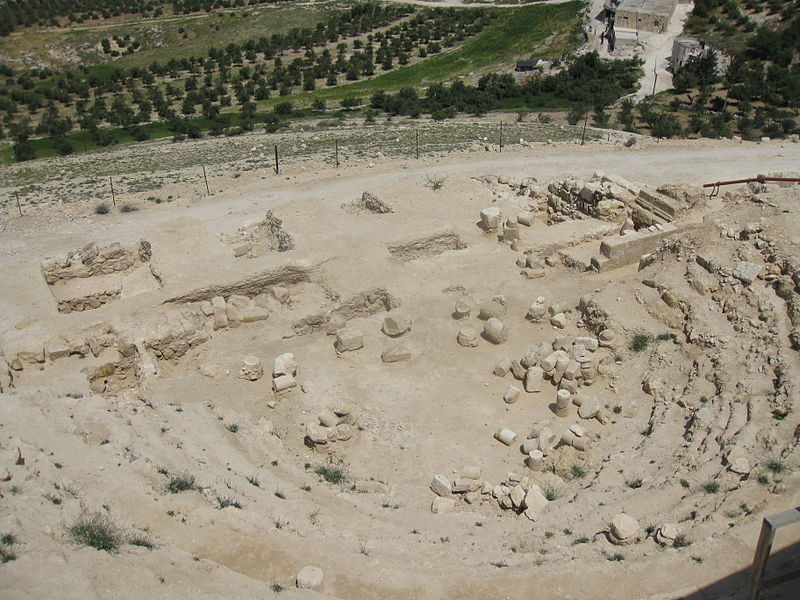
Systematic excavations took place during the twentieth century. The research led by Ehud Netzer and his team, which began in the 1970s, was especially important. Archaeologists investigated the palace-fortress, Lower Herodium, water installations, underground spaces, theater, and the presumed royal tomb.
What to see at Herodium
Visitors can explore the remains of the summit palace-fortress, defensive walls and towers, the hillside archaeological area associated with the mausoleum, and underground passages and caves. Lower Herodium helps visitors understand the scale of the wider palace complex. The hilltop views across the desert are another highlight.
Visitor information
Herodium lies in the Judean Desert southeast of Jerusalem and can be included in a trip to the region’s historical sites. Summers can be extremely hot, with little shade in exposed areas, so morning visits are often preferable. Bring water, sun protection, and sturdy walking shoes. Spring and autumn are generally more comfortable seasons for exploring.
Before traveling, check current opening hours, entry arrangements, access to underground areas, and any restrictions. Some special tours may require advance registration. Paths include slopes and uneven surfaces, so allow enough time for the visit.
Why Herodium matters
Herodium is an unusual example of ancient architecture that combined defense, royal life, and political symbolism. The artificial hill, palace at the summit, extensive lower complex, and presumed mausoleum form an ensemble associated with Herod the Great. Archaeological evidence reveals several chapters of the region’s history, from royal residence to rebel stronghold and later settlement.
Gallery