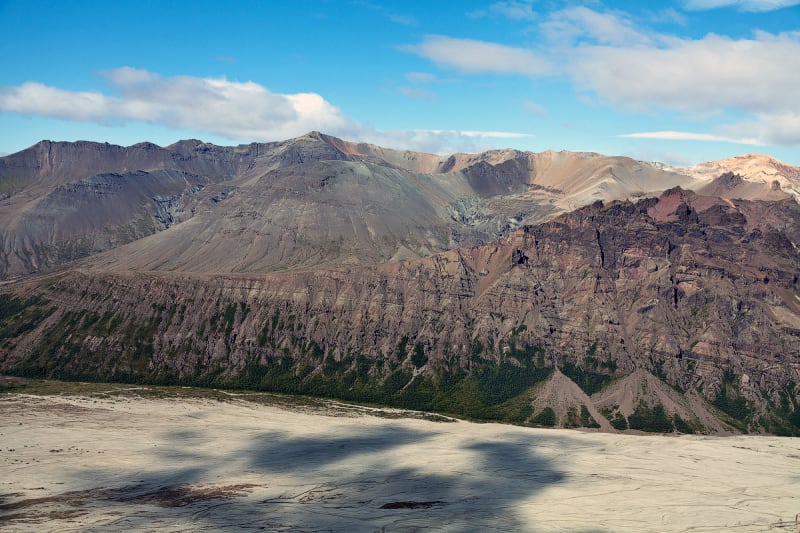
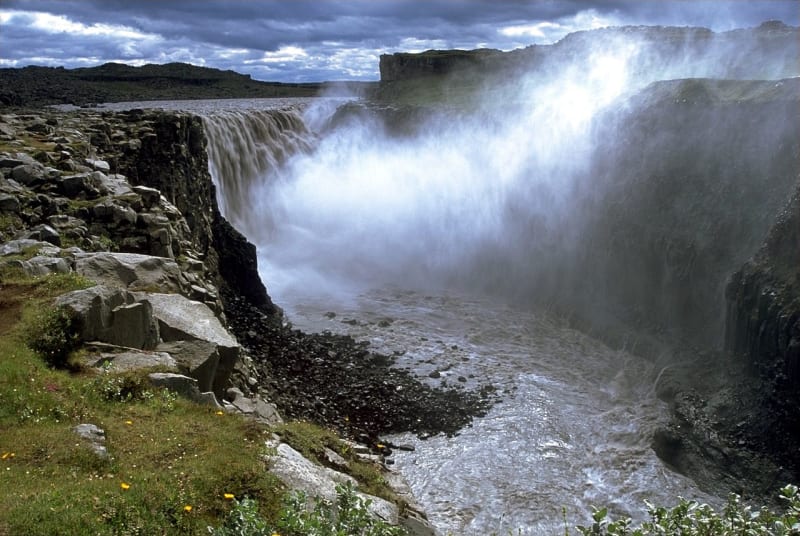
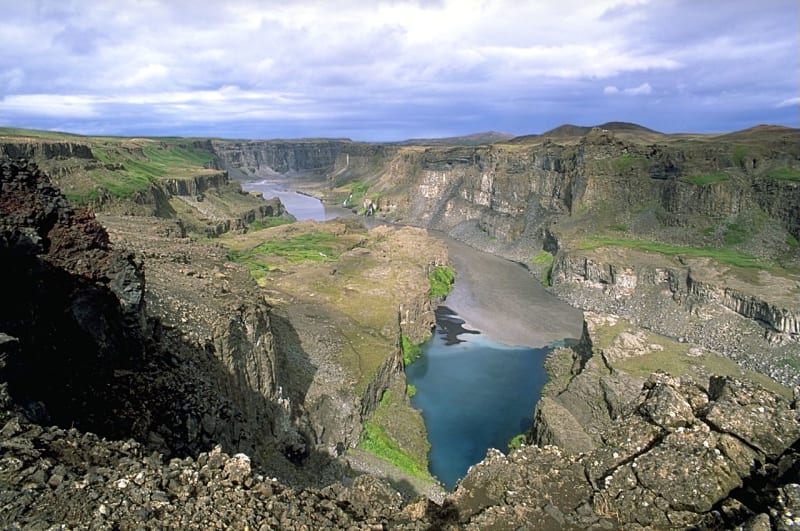
Vatnajökull National Park is one of Iceland’s largest protected natural areas, known for its vast glaciers, volcanoes, canyons and waterfalls. Located mainly in the southeast of the country, it takes its name from the Vatnajökull ice cap. The park illustrates the interaction of fire and ice, as volcanic activity and moving glaciers have shaped its landscapes over thousands of years.
Vatnajökull Glacier
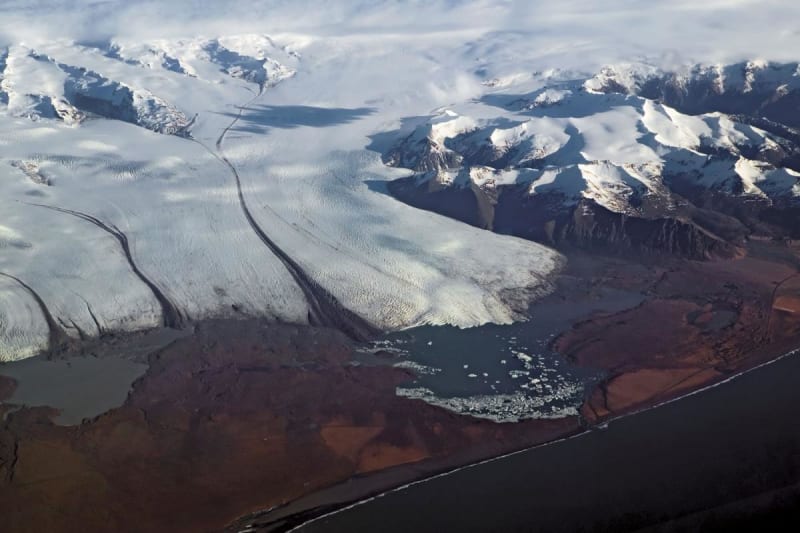
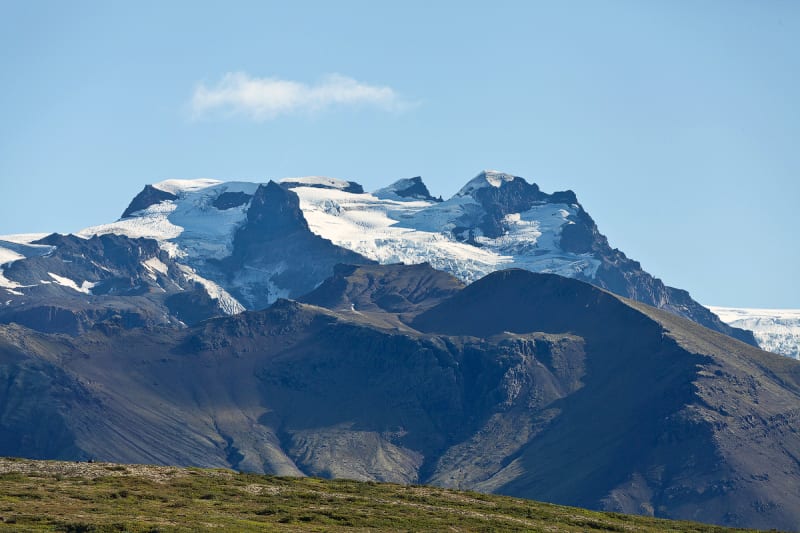
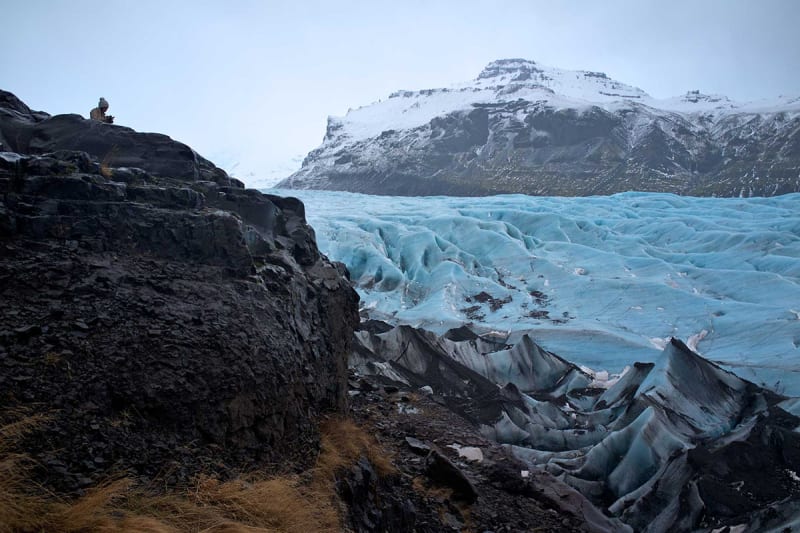
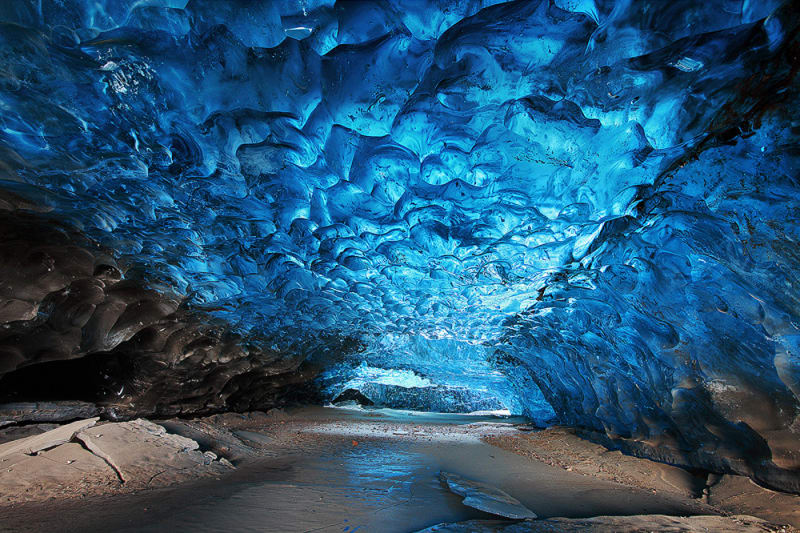
Vatnajökull is Iceland’s largest ice cap and one of the largest in Europe. Mountains, volcanic craters and geothermal areas lie beneath the ice. Numerous outlet glaciers extend from the ice cap into valleys, gradually reshaping the surrounding terrain. Along its southern edge, ice meets black sands, rocky slopes and green moss-covered ground.
Volcanoes and the forces of nature
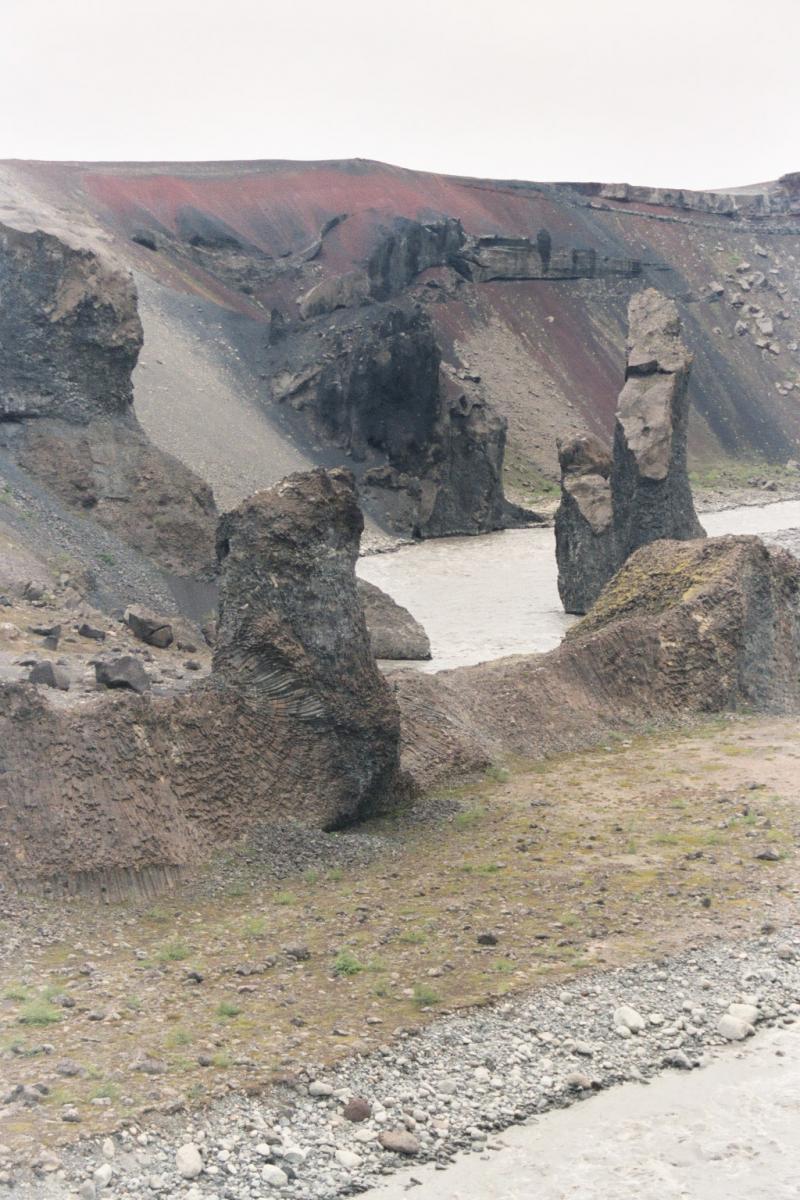
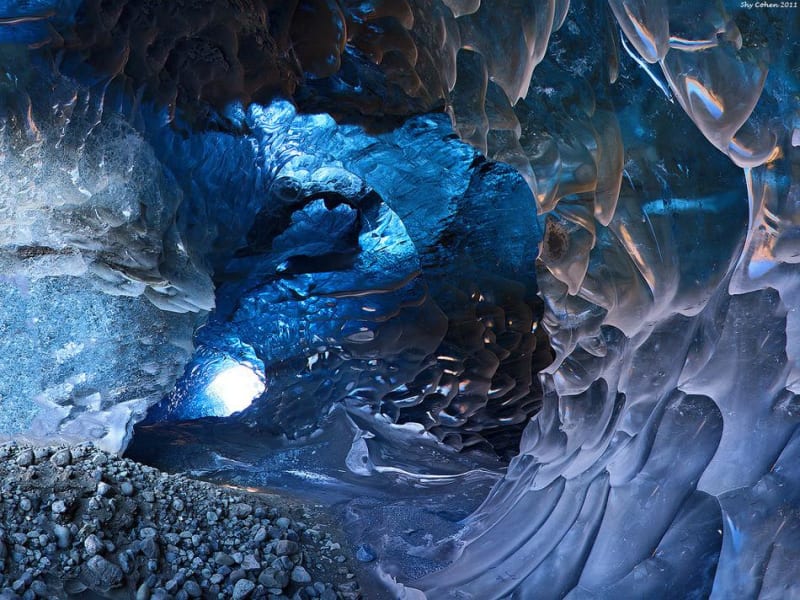
The park is geologically active and contains numerous volcanic systems, some hidden beneath the ice. Geothermal heat melts glacial ice, while subglacial eruptions can trigger powerful glacial outburst floods known in Icelandic as jökulhlaups. These events shape glacial plains, river valleys and deep canyons. The interaction of volcanoes, glaciers and water makes the park exceptional.
Skaftafell and Svartifoss
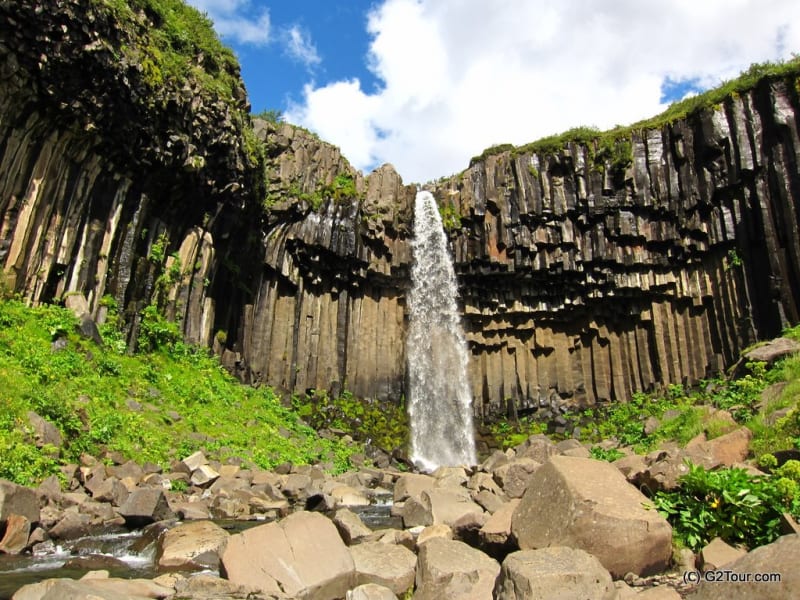
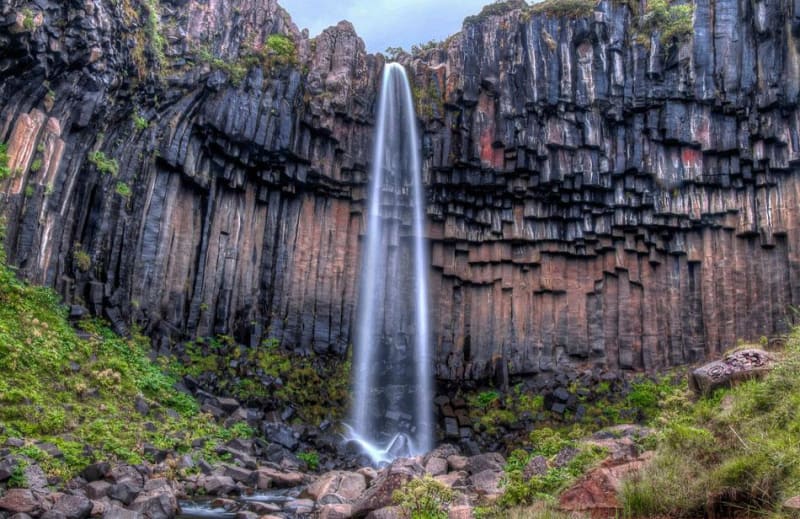
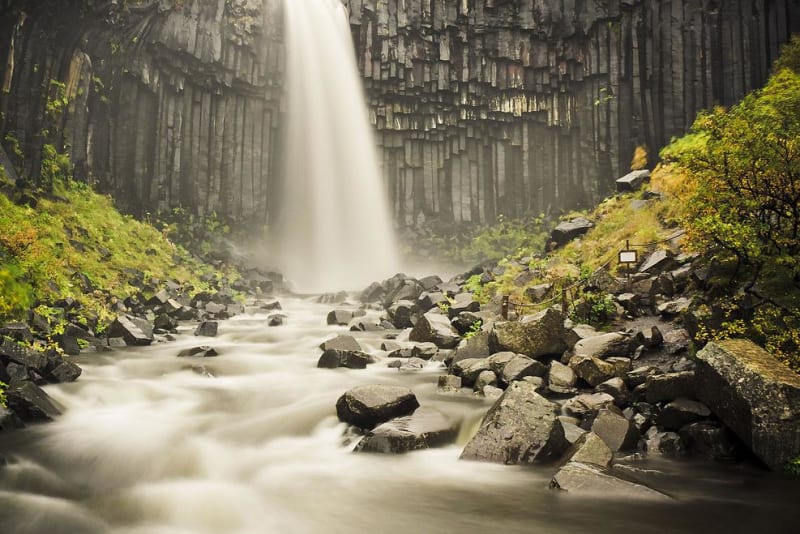
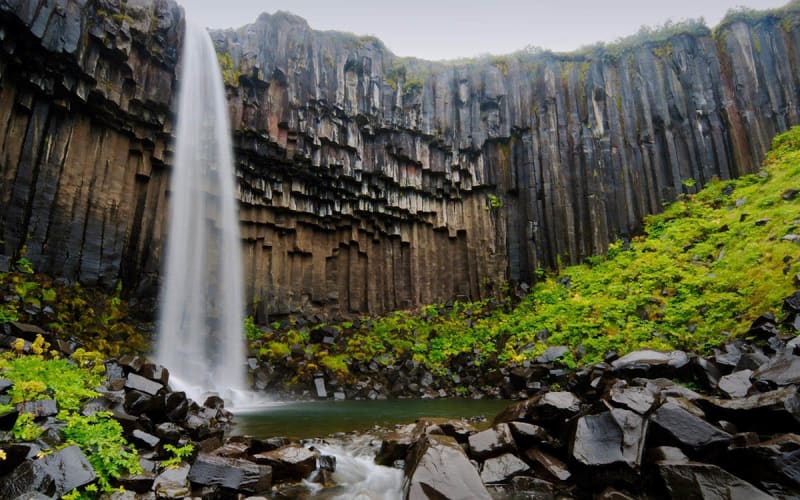
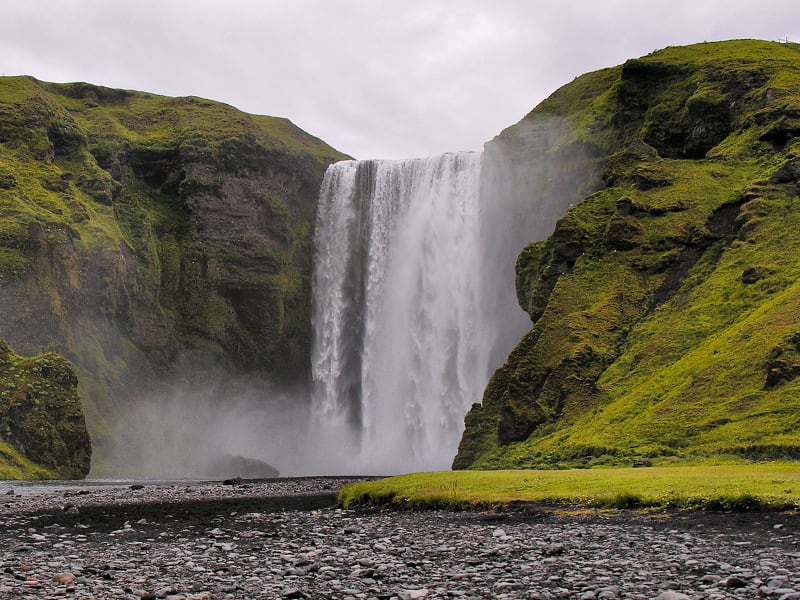
Skaftafell is one of the park’s most popular areas. Hiking trails offer views of glaciers, mountains and broad valleys. One of its best-known attractions is Svartifoss, a waterfall framed by dark basalt columns. The contrast between black rock, white water and green vegetation gives the site its distinctive appearance.
Glacial lagoons and canyons
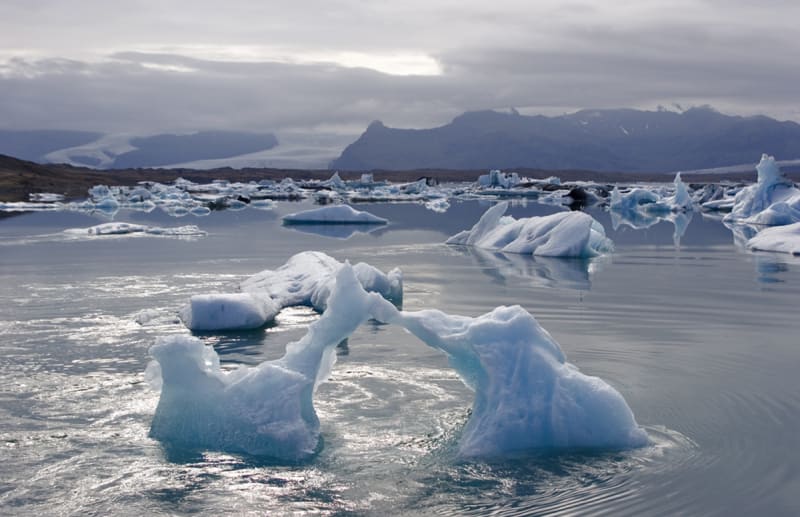
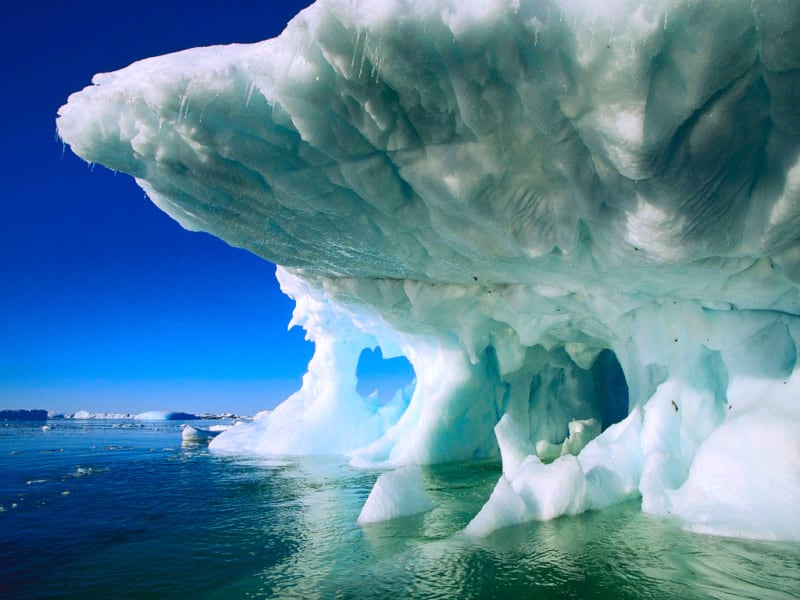
In the southern part of the park, Jökulsárlón glacial lagoon contains icebergs that break away from Breiðamerkurjökull Glacier. Their colours range from white to blue, and their shapes change under the influence of water and wind. Nearby, black-sand beaches create a striking contrast with the ice. Other parts of the park feature deep canyons, glacial rivers and extensive lava fields.
Plants and wildlife
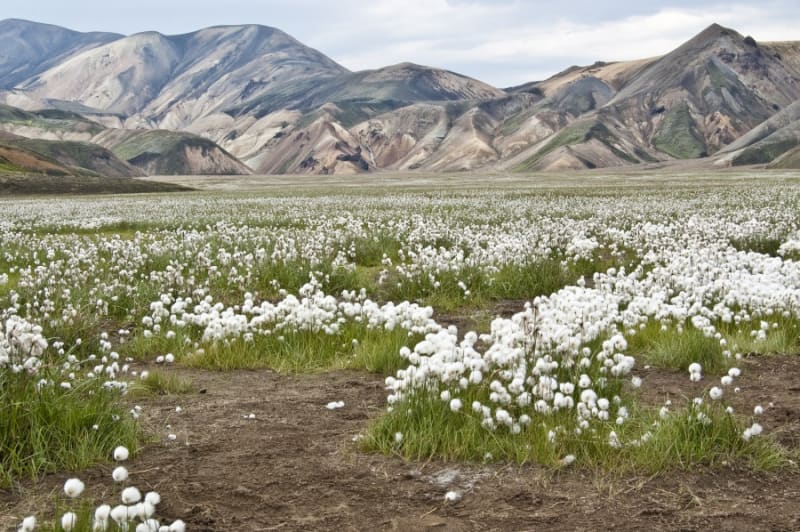
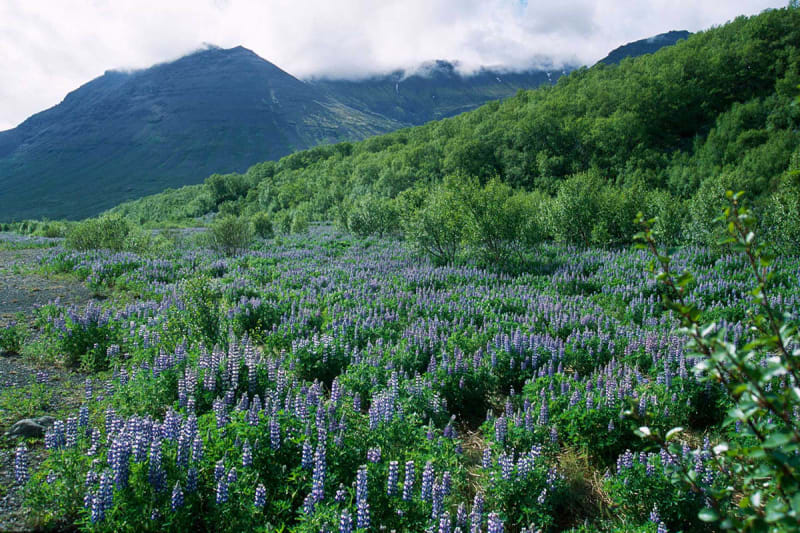
The park’s natural environment varies with elevation, climate and distance from the ice. Mosses, grasses and shrubs gradually colonise land exposed by retreating glaciers. Birch forests grow in some of the warmer valleys, while open areas provide habitats for a variety of birds. Vegetation develops in a landscape continually affected by glaciers, water, wind and volcanic activity.
Visiting the national park
Vatnajökull offers opportunities for hiking, viewing waterfalls and glaciers, and learning about Iceland’s geology. Visitor centres, including the one in Skaftafell, provide information about trails and current conditions. Access can vary with the season and weather. For glacier excursions, choose organised trips with qualified guides, as crevasses, unstable ice and rapidly changing conditions can be dangerous.
In 2019, Vatnajökull National Park was added to the UNESCO World Heritage List because of its exceptional geological features. It offers a remarkable opportunity to see how glaciers and volcanoes continue to reshape the Earth, creating some of Iceland’s most diverse natural landscapes.
Gallery