Haukadalur Valley is one of Iceland's best-known geothermal areas, located in the southwest of the country, about 100 kilometres from Reykjavík. It is famous for its geysers, hot springs, clouds of steam, and unusual mineral formations. The valley's main attractions are the Great Geysir, which gave the phenomenon its name in many languages, and the active Strokkur geyser, which regularly shoots hot water into the air.
The geysers of Haukadalur
Geothermal activity in Haukadalur is connected with volcanic processes beneath Iceland's surface. Underground water is heated by hot rocks, pressure builds, and water and steam periodically erupt at the surface. Numerous hot springs, steam vents, and bubbling mud pools occupy this relatively compact area.
The valley allows visitors to observe geothermal processes at close range. Water in some springs reaches extremely high temperatures, while minerals colour the ground in white, yellow, reddish, and bluish shades. Marked paths and viewing areas help visitors explore the landscape safely.
The Great Geysir
The Great Geysir, also known simply as Geysir, is the valley's most historically famous geyser. Its name comes from an Icelandic verb associated with erupting or rushing forth and became the basis for the international word “geyser.” This remarkable spring helped make Haukadalur famous among travellers and naturalists around the world.
In the past, the Great Geysir could throw boiling water dozens of metres into the air. Its activity has varied over time, with periods of powerful eruptions followed by long spells of dormancy. Today it erupts only rarely, so visitors should not expect regular displays from this particular spring. Nearby Strokkur, however, offers a much more frequent spectacle.
Strokkur geyser
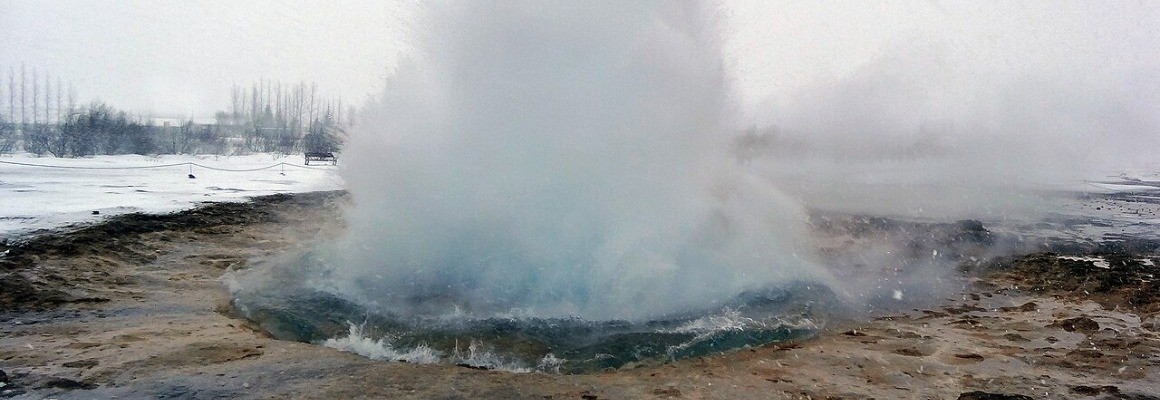
Strokkur is the main active attraction in the geothermal valley. It usually erupts every 5–10 minutes, sending a column of hot water about 15–20 metres into the air. Particularly powerful eruptions can reach greater heights. Its frequent activity has made Strokkur one of Iceland's most popular natural sights.
Before an eruption, the water begins to churn and a bluish dome sometimes forms on the surface. Moments later, the dome rises and bursts into a fountain that falls back in countless droplets. Watch from a safe distance and be aware that the wind can carry hot spray towards the viewing area.
Hot springs and mineral formations
Beyond the famous geysers, Haukadalur contains numerous hot springs, fumaroles, and small mud pools. Some pools have striking colours. The Blesi springs, for example, are known for two adjacent basins with bluish and milky-white water. Their different colours reflect variations in dissolved minerals and water properties.
Deposits of silica, sulphur, and iron compounds can be seen on the ground. They create unusual patterns and colourful patches around the springs. The geothermal landscape is constantly changing: water temperature, flow, and steam output can vary with natural conditions and seismic activity.
The history of the geothermal valley
The hot springs of Haukadalur have been known for centuries. Some of the earliest reliable written records about the area date to the thirteenth century. Historical accounts describe changes in spring activity following earthquakes, which can open new pathways for hot water or alter existing underground channels.
During the nineteenth and twentieth centuries, geyser activity changed repeatedly. Earthquakes sometimes intensified eruptions and at other times were followed by long quiet periods. Today, Haukadalur interests not only visitors but also researchers studying volcanism, geothermal systems, and the interaction between groundwater and hot rocks.
Haukadalur and the Golden Circle
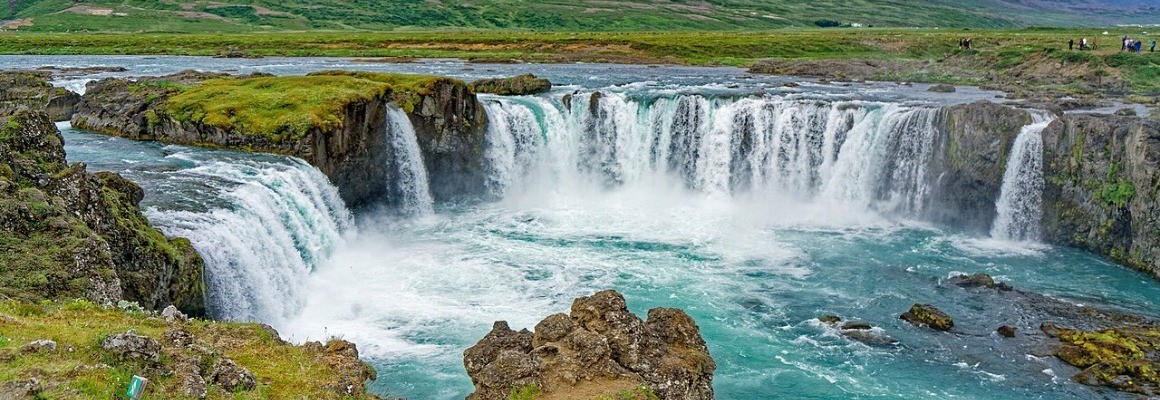
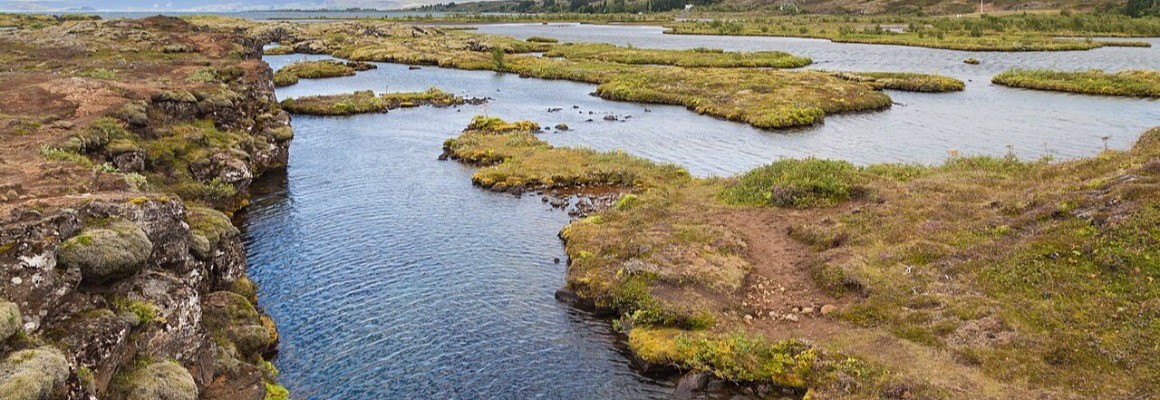
Haukadalur is one of the main stops on Iceland's popular Golden Circle sightseeing route. Visitors often combine it with Þingvellir National Park and Gullfoss waterfall. This journey offers a varied introduction to Iceland's natural and historical landmarks, from tectonic rifts and places associated with the country's parliamentary history to powerful waterfalls and geothermal springs.
A visitor centre near the geothermal area offers exhibitions, a café, a restaurant, shops, and other facilities. Around 45–60 minutes is usually enough to walk through the main area, although visitors may wish to stay longer to watch several Strokkur eruptions and explore the other springs.
How to get to Haukadalur
The valley is about 100 kilometres from Reykjavík. Driving usually takes around an hour and a half, depending on weather and road conditions. Travellers from the capital follow the Golden Circle route using Route 1 and Route 35. Organised excursions that include several major attractions in southwestern Iceland are also available.
The geothermal area can be visited in different seasons. Summer offers longer daylight hours, while in winter steam rising from hot springs is particularly visible against the cold air. However, paths can become slippery in cold weather and conditions may change quickly. Check the forecast and road conditions before setting out.
Safety guidelines
Water in geysers and hot springs can be close to boiling. The ground around them may be thin and unstable, making it dangerous to leave marked paths. Do not touch the water, cross barriers, or approach a geyser vent for a photograph. Eruptions can happen suddenly, and hot spray can cause serious burns.
Wear comfortable shoes and clothing that protects against the wind. When watching Strokkur, pay attention to wind direction and keep a safe distance. Children should be supervised carefully and never left alone near hot springs.
Why visit Haukadalur Valley
Haukadalur offers an accessible and vivid view of an active geothermal system. Visitors can watch Strokkur erupt regularly, learn about the history of the Great Geysir, examine colourful mineral deposits, and experience the natural forces shaping Iceland's landscape. Its convenient location on the Golden Circle makes the valley one of the most important stops for travellers exploring the country.
Gallery