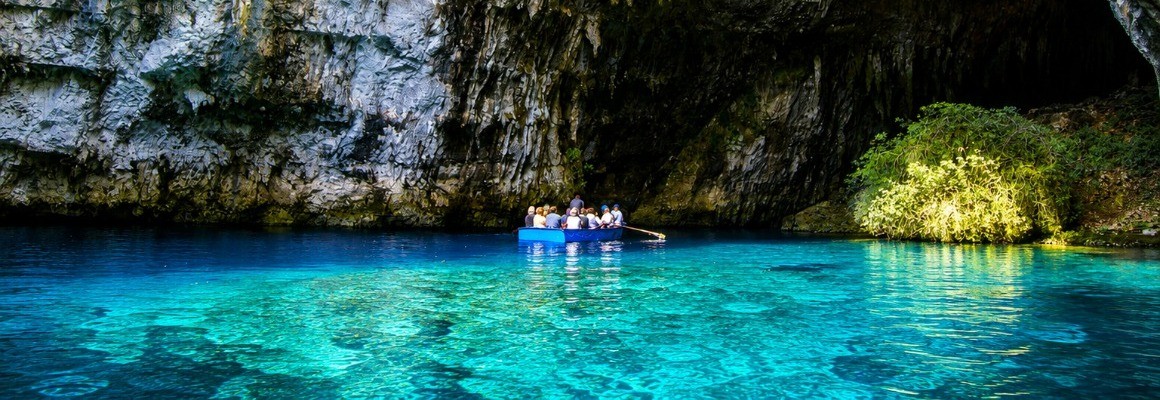
Zakynthos is a Greek island in the Ionian Sea, west of mainland Greece. It is known for turquoise water, sandy beaches, limestone cliffs, sea caves and green valleys filled with olive groves. The island is also called Zante or Zakynthos. Visitors can combine beach holidays and boat trips with walks through traditional villages and an exploration of the history of the Ionian Islands.
Geography and natural landscape
Zakynthos is the third-largest island in the Ionian group after Kefalonia and Corfu. Its western coast features tall cliffs and secluded coves, while the east has more sandy beaches and gently sloping shores. Inland, olive groves, vineyards, pine forests and Mediterranean vegetation cover the hills and valleys. The contrast between mountains, fertile countryside and coastal scenery has made the island a popular destination in Greece.
Navagio Bay
The island’s best-known landmark is Navagio, often called Shipwreck Beach. It lies on the northwestern coast, enclosed by high pale limestone cliffs. The remains of a ship lie on the sand and have become part of the modern story of the bay. White cliffs, light sand and vivid blue water create one of Greece’s most recognisable landscapes. Visitors often view the bay from lookout points above the cliffs. Access to the beach and boat approaches may be restricted for safety reasons, so current conditions should be checked before visiting.
The Blue Caves
Near Cape Skinari on the northern coast, the Blue Caves form a series of sea grottoes and natural arches in the limestone cliffs. Sunlight reflects off the water and rock surfaces, creating striking blue tones. The caves are usually explored by boat. How closely boats can approach the formations depends on sea conditions and the decisions of tour operators.
Zakynthos Marine National Park
The island’s southern coast and Laganas Bay are especially important for nature conservation. Established in 1999, the Zakynthos Marine National Park protects coastal and marine ecosystems. The area is one of the Mediterranean’s important breeding grounds for the loggerhead sea turtle, Caretta caretta. Turtles lay their eggs on sandy beaches, including areas near Gerakas, Dafni and Laganas. The islets of Marathonisi and Pelouzo are also part of the protected natural area. Visitors should follow park guidance, keep away from nests and avoid disturbing wildlife. Some beaches have seasonal rules governing visiting hours and access to particular sections.
Marathonisi and the beaches
Marathonisi is a small island off the southern coast of Zakynthos, known for pale sand and clear water. It is often called Turtle Island because of its proximity to important nesting areas. Popular beaches on Zakynthos include Gerakas, Dafni, Banana, Kalamaki, Tsilivi and Alykes. They differ in shoreline, water depth and facilities: some are suited to quiet relaxation, while others offer water sports, cafés and equipment rental. Visitors should take local conservation rules and seasonal restrictions into account when choosing a beach.
Zakynthos Town
The island’s main town is also called Zakynthos. It stands on the eastern coast near Bohali Hill. Its architecture reflects Venetian influence, as the island spent a long period under the rule of the Republic of Venice. The 1953 earthquake and subsequent fires damaged much of the town, which was later rebuilt. The centre features Solomos Square, the Church of Saint Dionysios, museums and a waterfront lined with cafés and shops. The remains of a Venetian fortress on Bohali Hill offer views over the town and the sea.
History and culture
Zakynthos has a history shaped by ancient Greek settlements, Roman rule, Byzantium and Venetian administration. The Venetians called it the “Flower of the East”, referring to its rich plant life. In the nineteenth century, the island became part of independent Greece. Zakynthos is known for its musical traditions, folk songs and serenades. It was the birthplace of Dionysios Solomos, who wrote the lyrics of the Greek national anthem. Local cuisine features olive oil, cheeses, seafood, meat dishes and traditional sweets.
When to visit
The main beach season runs from late spring to early autumn. June and September often appeal to travellers seeking warm weather with fewer peak-season crowds. Popular beaches and excursions can be busy in July and August. Spring is attractive for its flowering landscapes and walking opportunities, while autumn is a good time to explore villages and cultural sites. Boat trips depend on the weather, and seasonal rules may apply to protected beaches.
Getting there and getting around
Zakynthos can be reached by air through the island’s airport or by ferry from Kyllini on the Peloponnese. Seasonal international flights operate during the tourist season. Renting a car is convenient for reaching remote beaches, villages and viewpoints, although buses and organised tours serve some destinations. Boat trips provide access to sea caves, coves and nearby islets. Check current access restrictions before travelling to Navagio or other protected areas.
Gallery