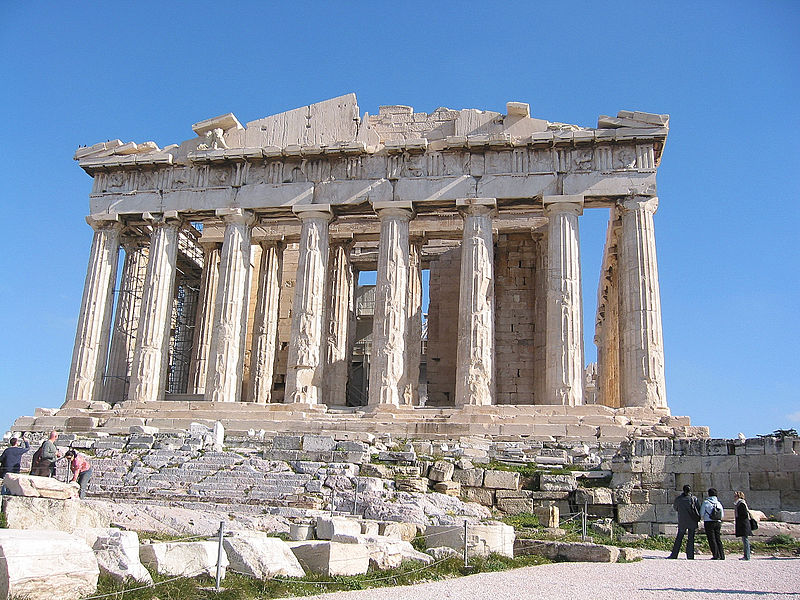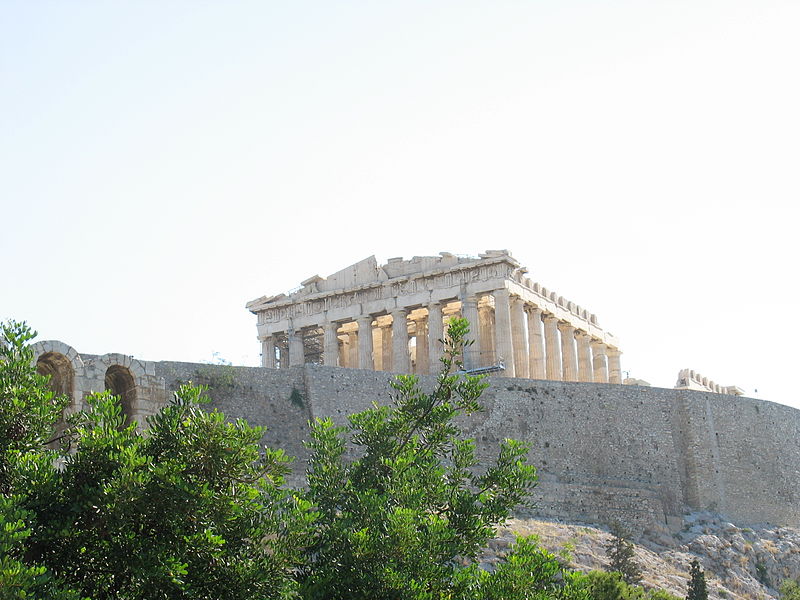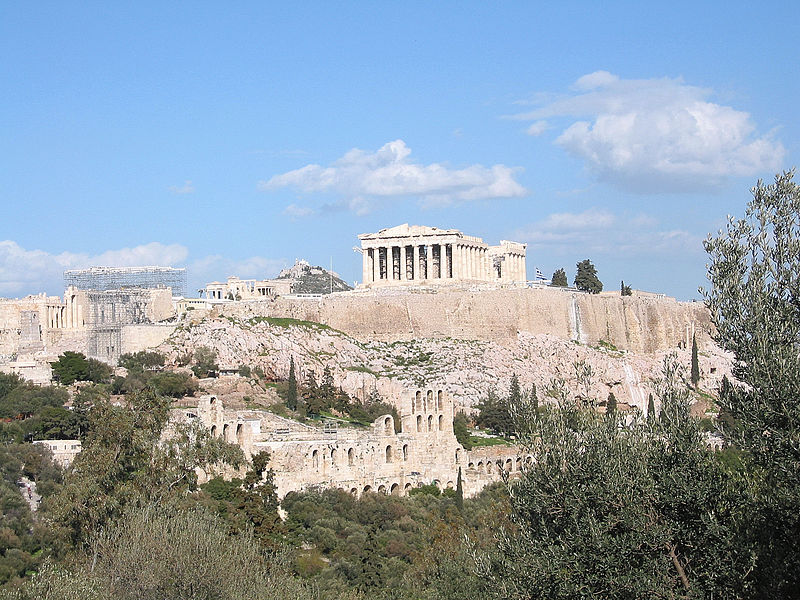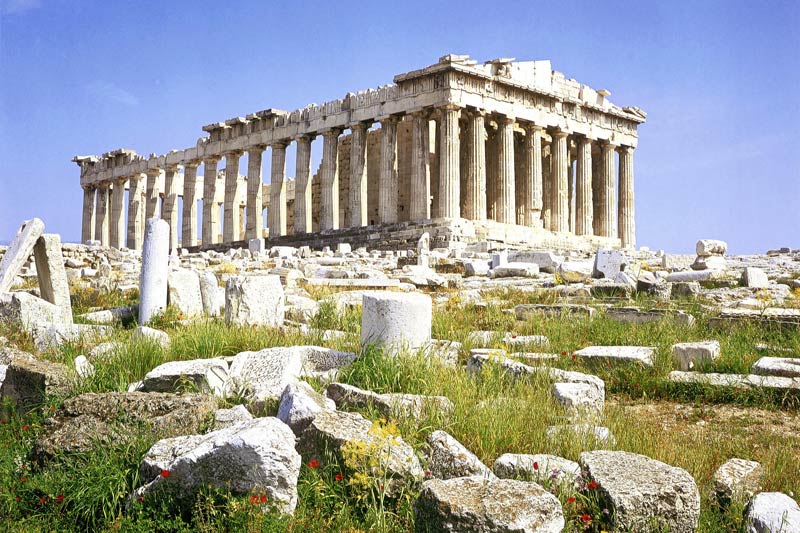

The Parthenon is a celebrated ancient Greek temple standing on the summit of the Acropolis in Athens. Dedicated to Athena Parthenos, the goddess of wisdom and the city's patron deity, it is renowned for its majestic columns, balanced proportions, and marble construction. The building has become one of the most recognizable symbols of classical Greece.
History of Construction
The Parthenon was built in the fifth century BC, during the flourishing of Athens under the leadership of Pericles. Construction began around 447 BC and was completed in 432 BC. The temple formed part of an ambitious programme to rebuild and embellish the Acropolis after the destruction caused by the Persian Wars.
The architects Ictinus and Callicrates directed the project, while the sculptor Phidias supervised its artistic decoration. Inside stood a monumental statue of Athena Parthenos made of gold and ivory. The original statue has not survived.
Architecture and Sculpture
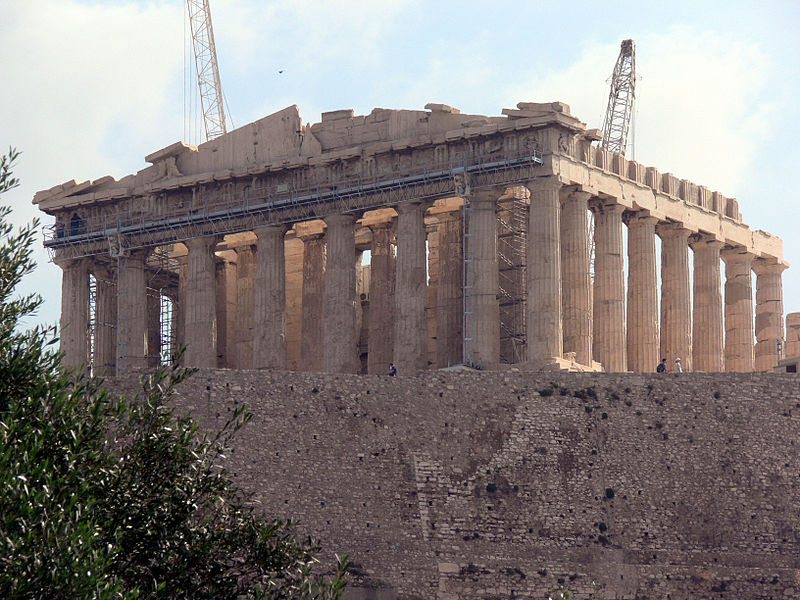
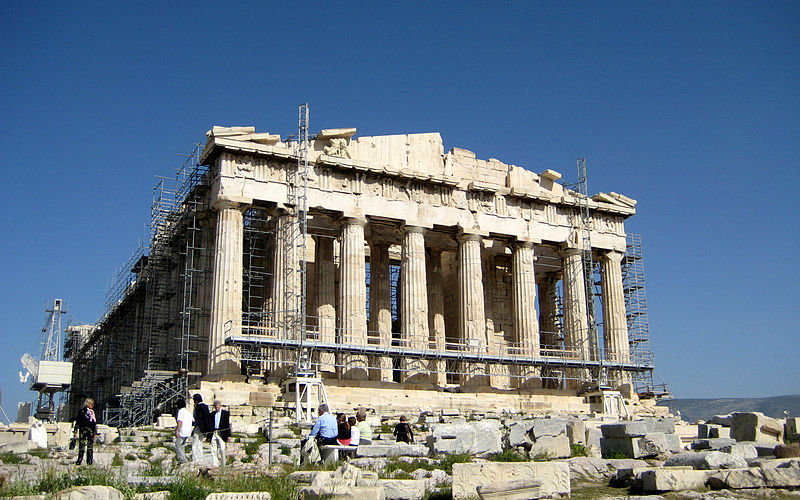
The Parthenon is a masterpiece of Doric architecture. Its colonnade, carefully balanced proportions, and Pentelic marble create an impression of harmony and grandeur. The architects incorporated subtle optical refinements: horizontal elements curve slightly, and the columns broaden gently near the middle. These adjustments help the building appear visually balanced.
The temple's sculptural decoration portrayed scenes from Greek mythology, including battles between gods and giants and a ceremonial procession honouring Athena.
A Temple Through the Centuries
After antiquity, the Parthenon was converted into a Christian church dedicated to the Virgin Mary. During Ottoman rule, it became a mosque. In 1687, during the Venetian siege of Athens, an explosion in the building, then used as an Ottoman gunpowder store, destroyed a substantial part of the structure. Some sculptures and architectural fragments were later taken outside Greece. The question of returning the Parthenon Marbles remains an international cultural issue.
Conservation and World Heritage
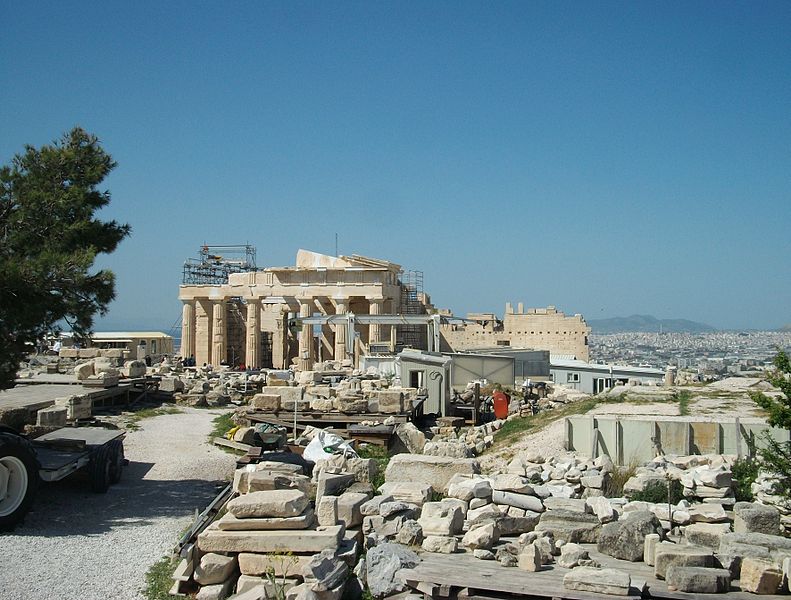
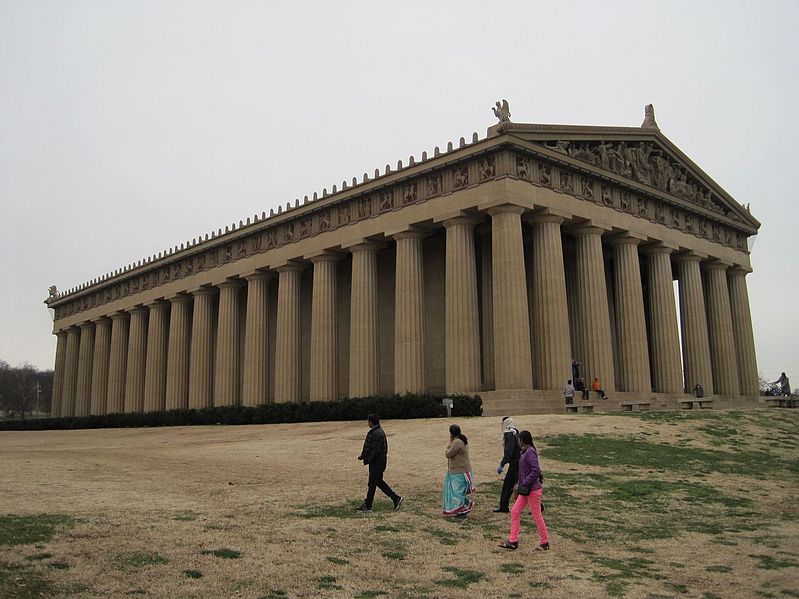
Today, archaeologists and conservators study and restore the monument, strengthening its structure and carefully repositioning architectural blocks. The Parthenon forms part of the Acropolis of Athens, inscribed on the UNESCO World Heritage List in 1987. Its design has influenced architecture around the world, particularly the neoclassical buildings of Europe and North America.
Visiting the Parthenon
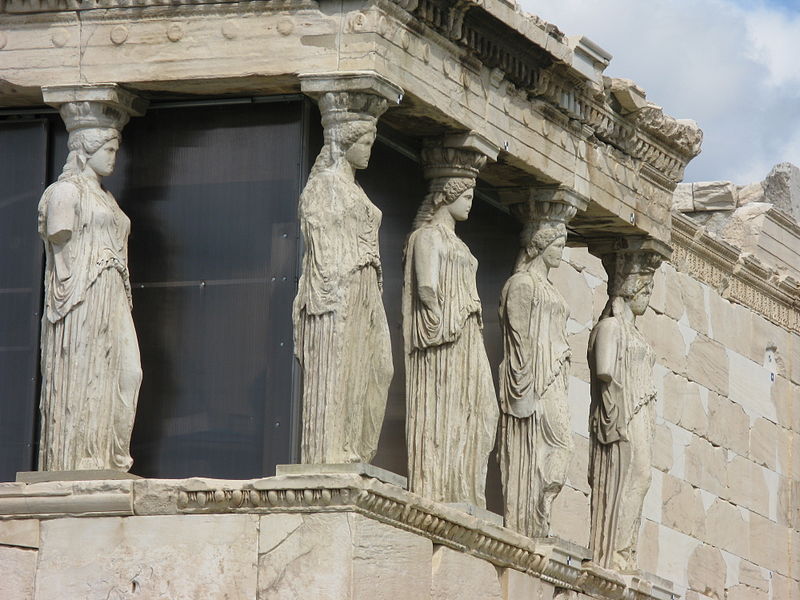
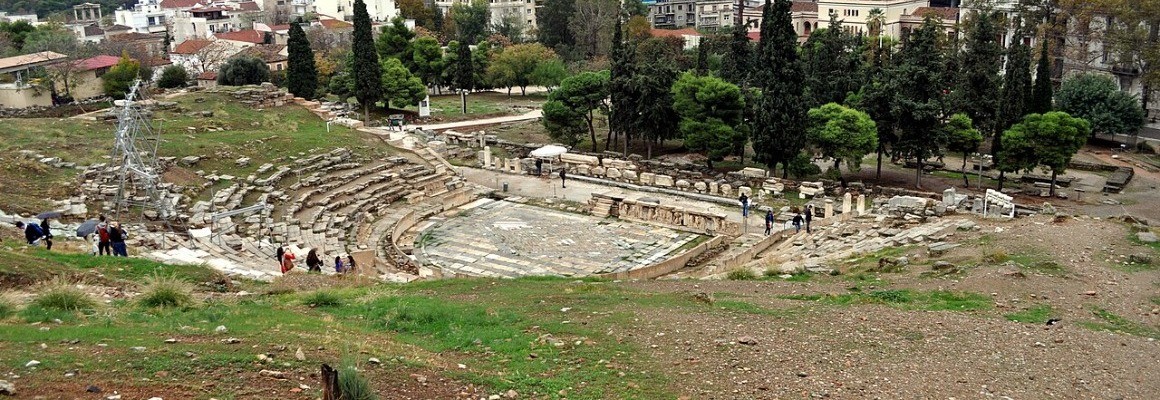
The temple stands in the historic centre of Athens, on the rocky hill of the Acropolis, which offers sweeping views over the city. Nearby monuments include the Erechtheion, the Propylaea, and the Temple of Athena Nike. At the foot of the hill are the Theatre of Dionysus and the Odeon of Herodes Atticus.
A visit to the Parthenon offers more than an encounter with remarkable architecture. It is an opportunity to explore a place connected with ancient Greek art, political life, and intellectual history. Despite centuries of damage and change, the temple remains a powerful symbol of humanity's shared cultural heritage.
Gallery