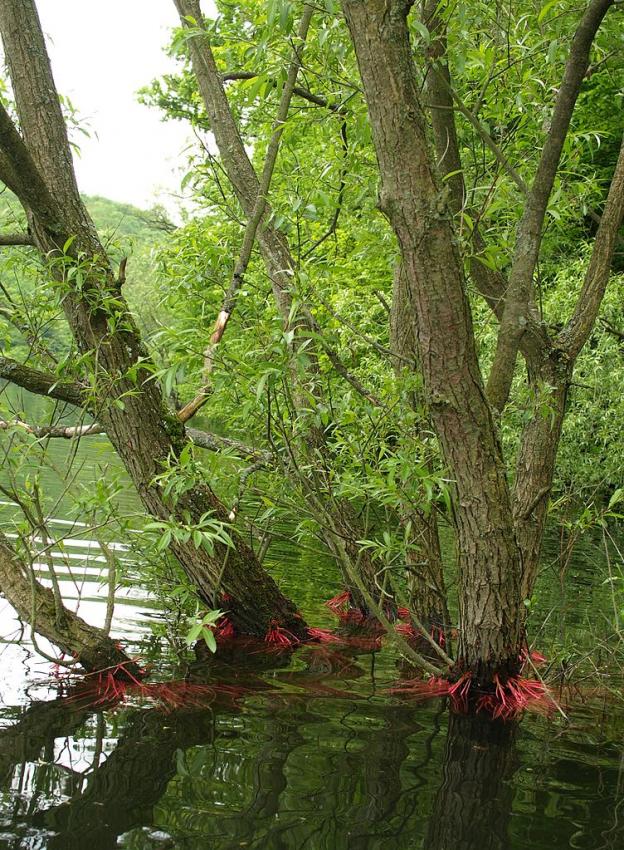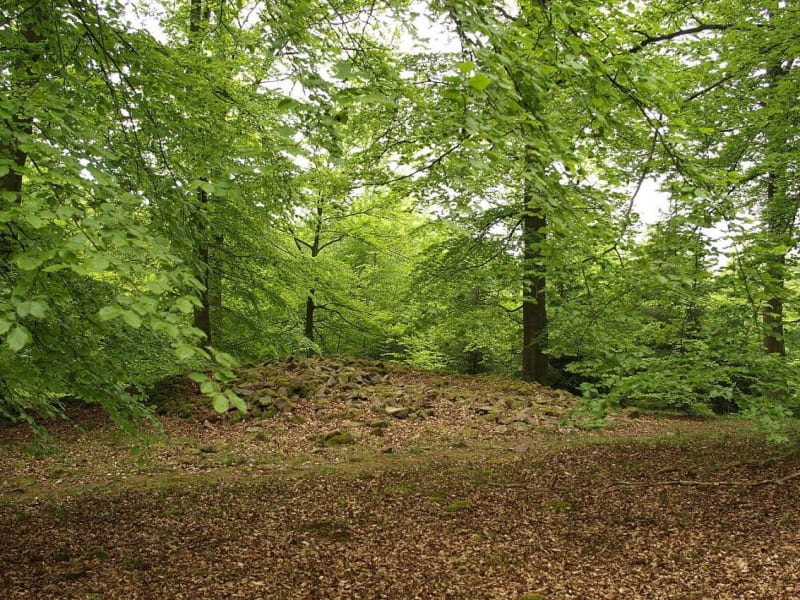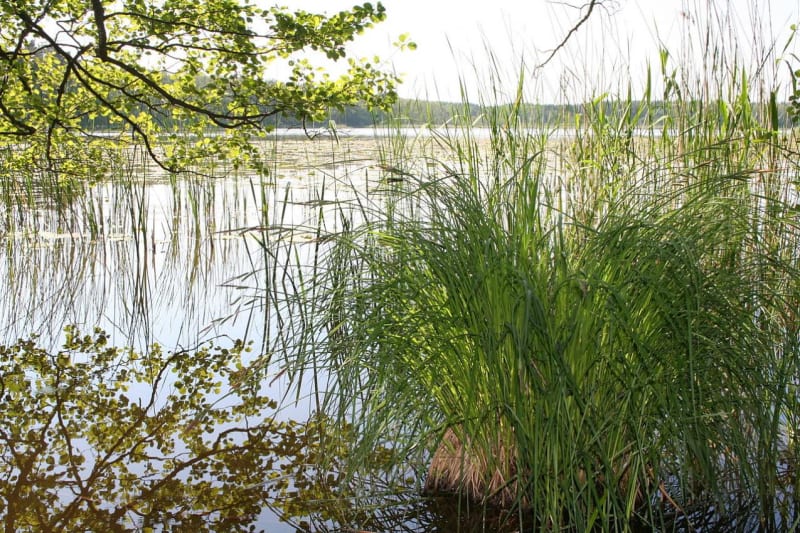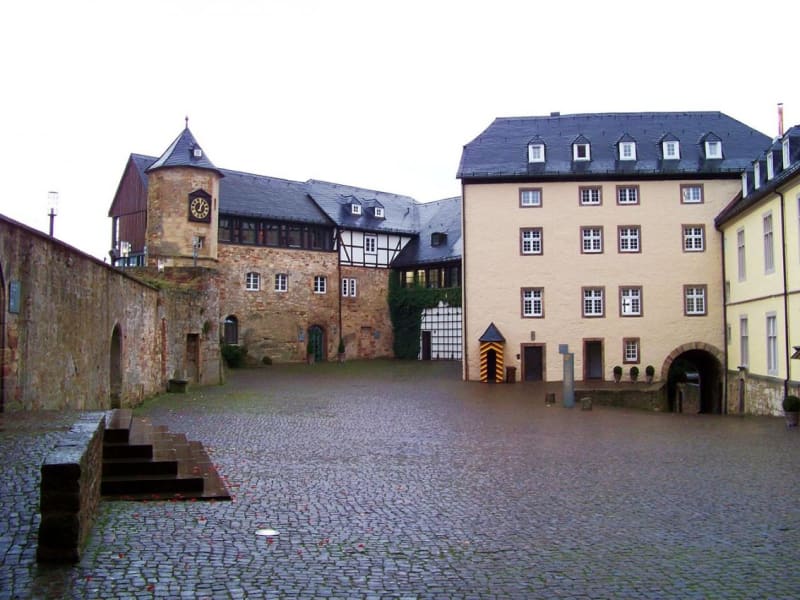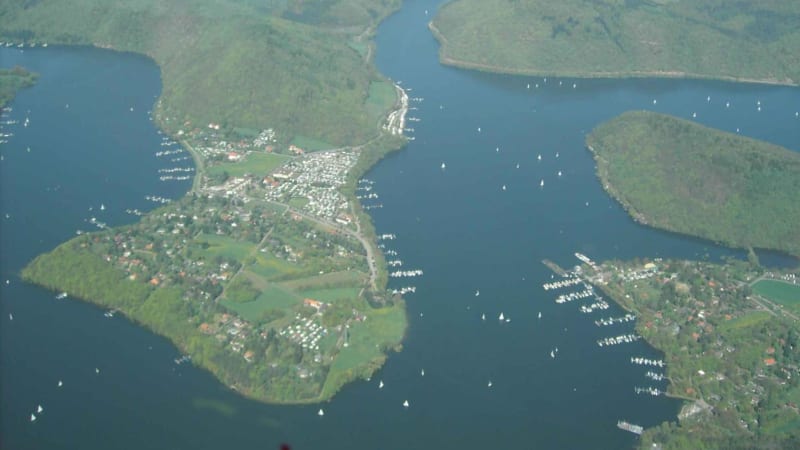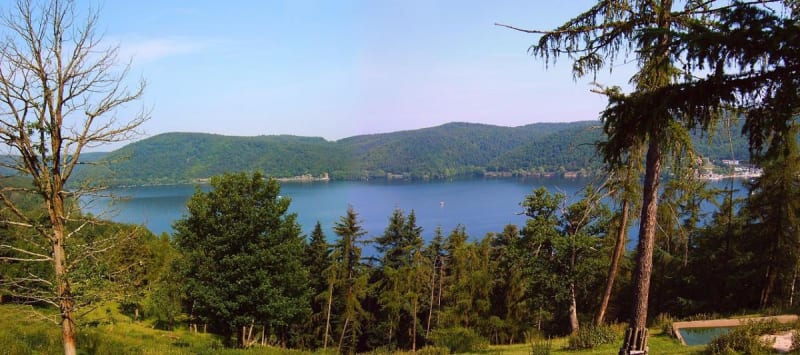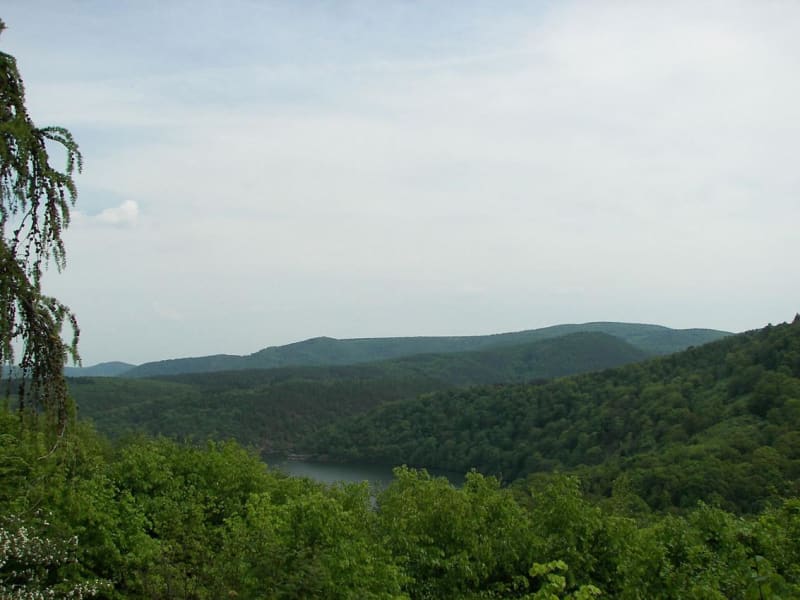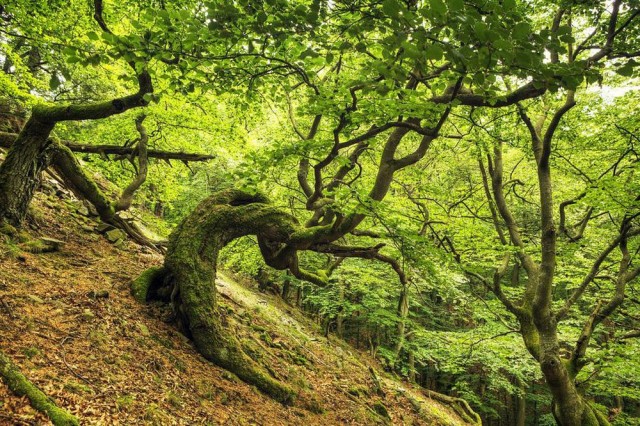

Kellerwald-Edersee is a national park located in the north of the Kellerwald Mountains in an area of 57.4 km2. In 2011, the beech forest was included in the UNESCO World Heritage List "Beech forests of the Carpathians and ancient beech forests of Germany."
The history of Kellerwald-Edersee Park
Previously, Prince Waldeck's hunting grounds were located on the lands of Kellerwald-Edersee. In 1897, the adjacent forest was fenced off. In 1935, the fenced area increased to 47.46 km2, and in 1963 the area was declared an official Hessian state hunting reserve and a "protected natural area." In 1990, a forest and landscape protected area appeared. In 1991, the Kellerwald National Park movement proposed the concept of a national park within the boundaries of a protected forest area and a part of the area south of the Kellerwald. In 1998, the protected natural area "Gutter Edersee" and the surrounding areas were declared a territory under the influence of the directive of the Council for the Conservation of Natural Habitats and Wild Fauna and Flora of the European Union.
The main purpose of the creation of the Kellerwald-Edersee National Park is to protect the Beech Forest, unique for Western Europe in its volume and immutability by humans. According to the slogan "let nature be nature", the natural conditions of the wild must survive here. The regulation of the wild animal population is carried out in accordance with the natural need. In accordance with the medium-term development plan of the national park, the fence should be removed.
Flora and fauna of the park
There are many calico beech trees in the park, which grow in acidic soil. In fertile soil, bedstraw and pearl beech forests are found. In addition, you can find oak forests, oak-hornbeam forests, as well as forests of heart-shaped linden and large-leaved linden growing on scree and slopes. The rocky slopes near Edersee contain numerous petrophilic flora with the very rare Grenoble carnation.
Between the forests there are 200 hectares with abandoned pastures and forest meadows along the streams. Mountain arnica, herbaceous carnations, forest mytnik, kolnik and yatryshnikir grow here. In total, over 500 fernlike and flowering plants grow in the park. In addition, 326 species of mushrooms with large fruit bodies are known, and 270 varieties of ferns grow in the park.
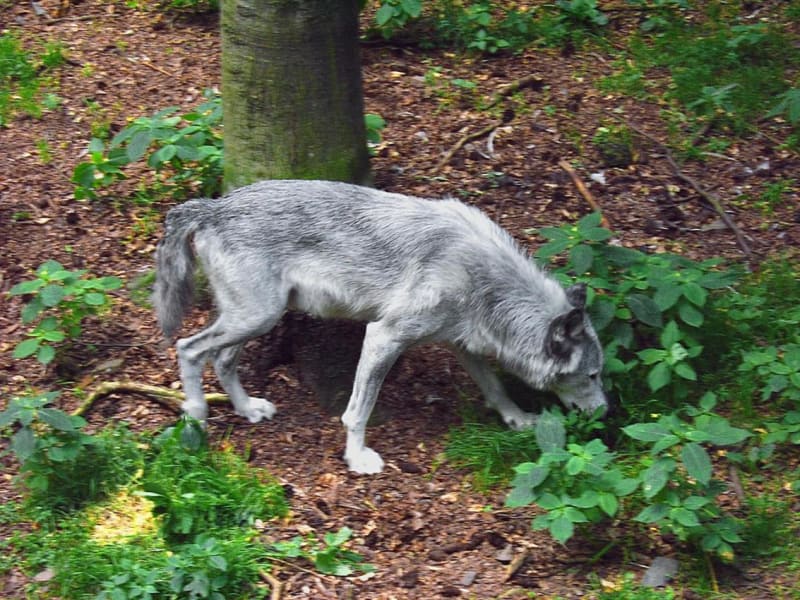
Of the animals, you can often see red deer, European roe deer, wild boars. In 1934, a striped raccoon was brought here, and in 1935 mouflons and fallow deer were introduced to these regions. In addition to them, 44 species of mammals live here, such as foxes, badgers, forest and stone martens, common ferrets, ermines, weasels, hares, rusak, hedgehogs. In 2007, a forest cat was discovered, which had previously been considered extinct. There are also 75 species of birds. A very rare black stork nests in Kellerwald-Ederse, an owl lives on the rock, and other species of owls are also found: gray hoofed owls, long-eared owls, hairy-legged owls and passerine owls.
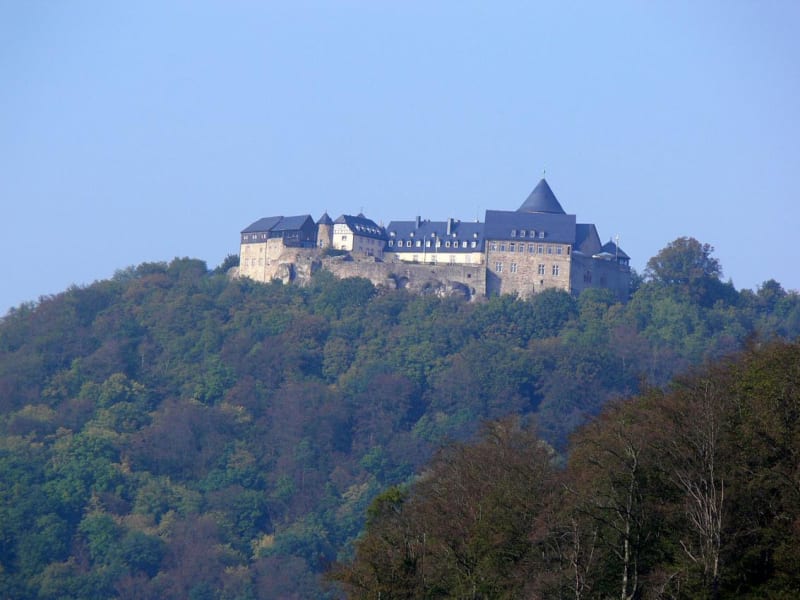
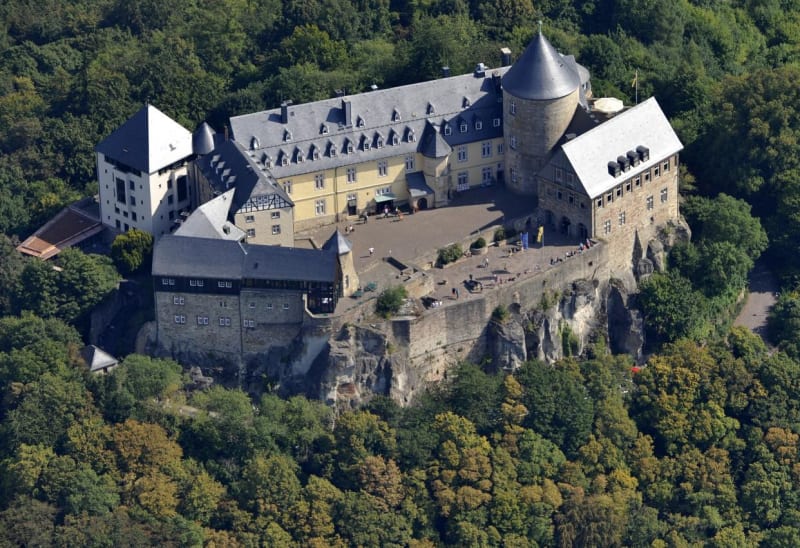
There are many hiking trails in Kellerwald-Edersee. Among them are the nodes of the Kellerwald Trail (156 km long), which connects the peaks of the mountains and the territory of the Kellerwald-Edersee National and Natural Park along a ring. Also in 2005, the 68 km long Edersee Forest trail appeared, passing around Edersee through the beech forest on the northern shore and through the Kellerwald-Edersee National Park on the southern shore. On the territory of the park you can meet small villages with a pronounced national flavor. Kellerwald-Edersee Park attracts travelers - there are various excursions for them. The most famous route is the "Waldeck Castle". Sightseeing routes along the rocky slopes, cycling, trips to the Hain Cistercian monastery are also very entertaining for travelers.
Gallery