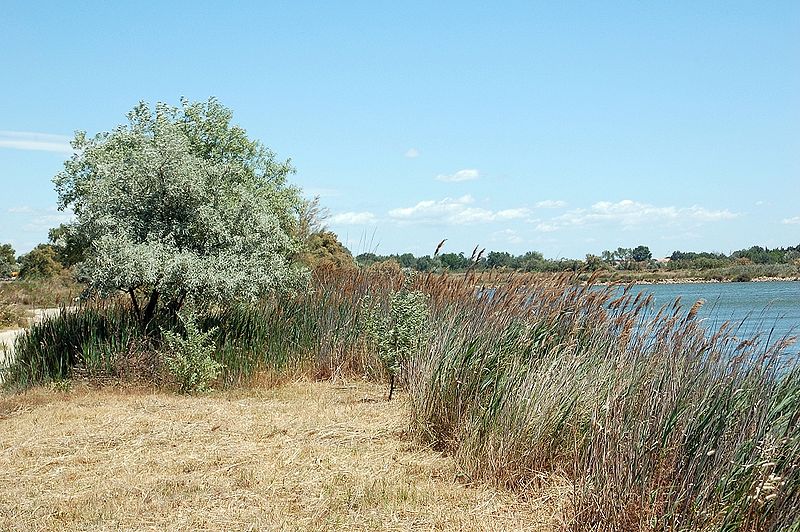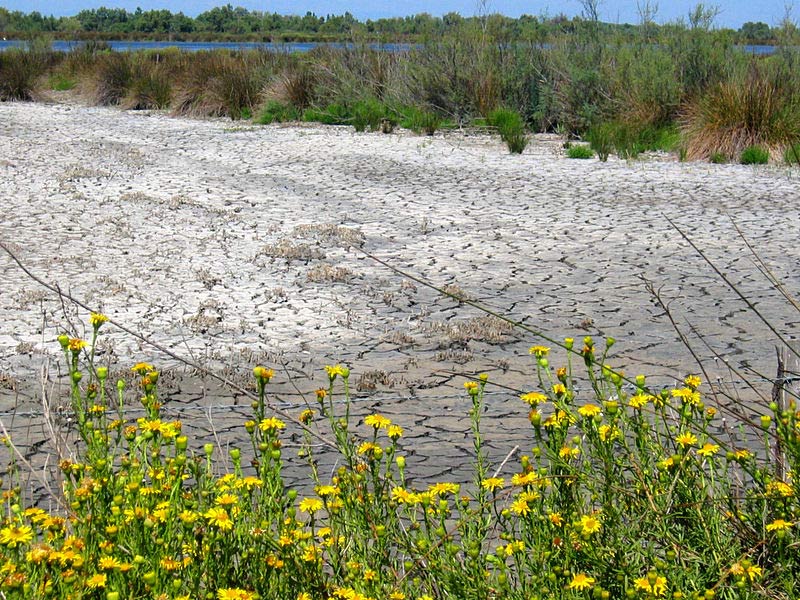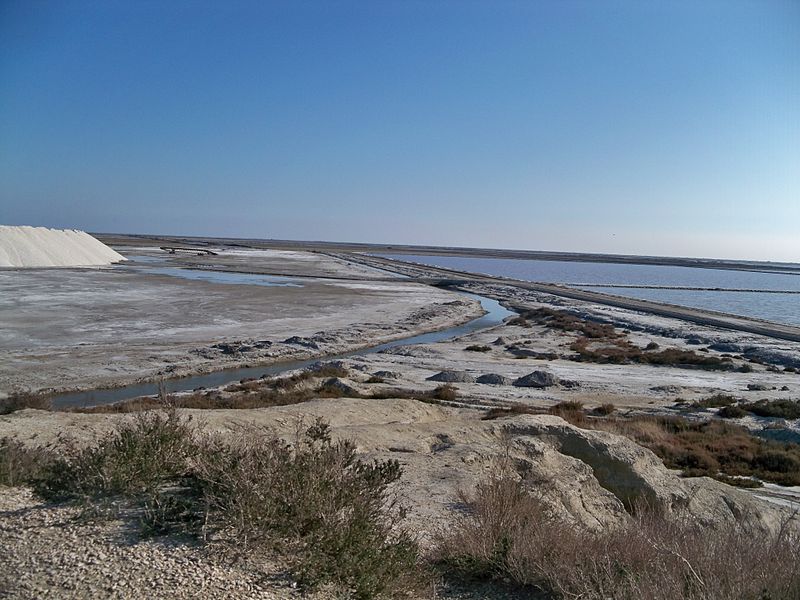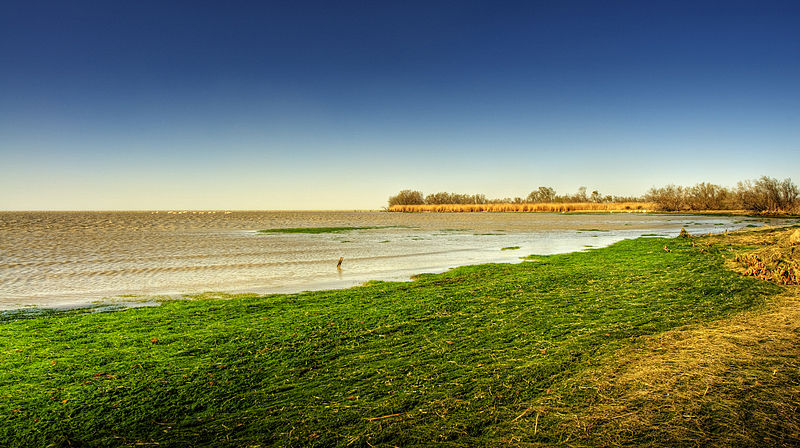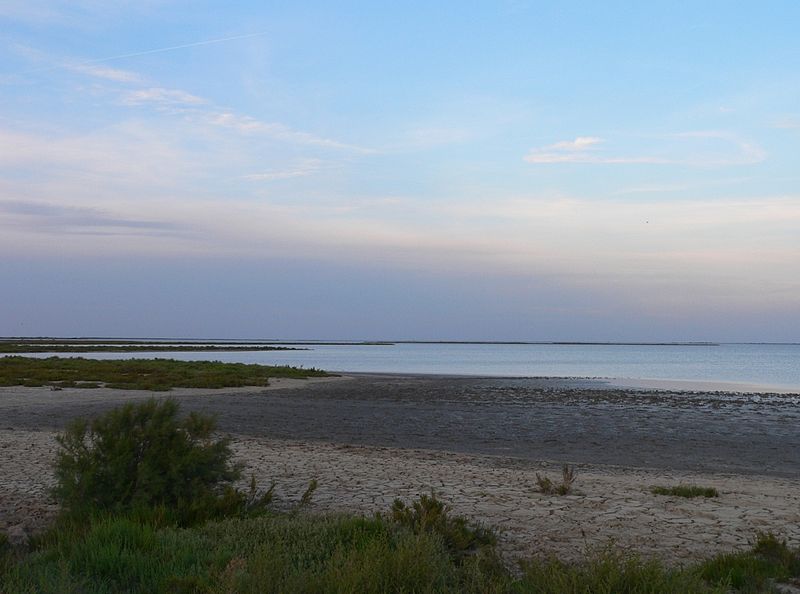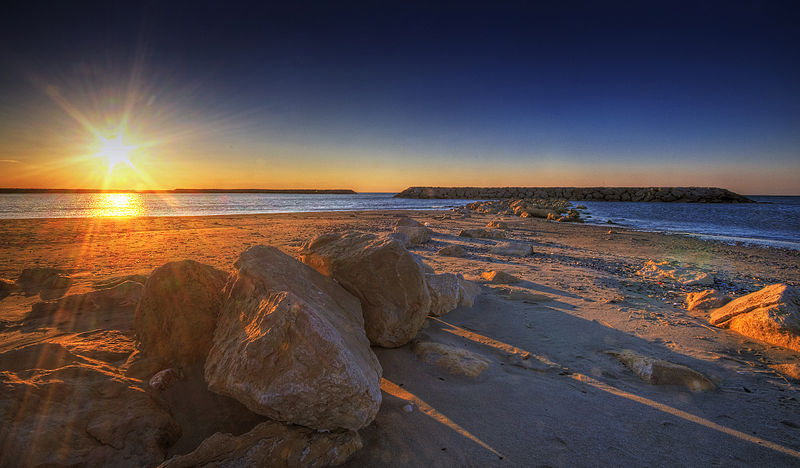

The Camargue is a regional natural park in France, located in the delta of France's largest river, the Rhone, near the Mediterranean Sea. It occupies 857 km2. It was founded in 1928, on the initiative of the Head of the French National Society for the Conservation of Nature, Professor Louis Mangin. The landscape of the park is a swampy area (one third of the territory is a swamp lake), most of it belongs to salt marshes and marine lagoons.
According to legend, a chapel was built on the territory of the reserve by two women, followers of Christ, with the same name – Maria, as well as Sarah– their maid. The parishioners prayed to the gypsy woman and believed that she would bring their prayers to her mistresses. It is from here that a temple called "Gypsy Maria" exists in the Kamarg Nature Reserve, which was built later, in the fifteenth century. Now the church is one of the attractions of the reserve.
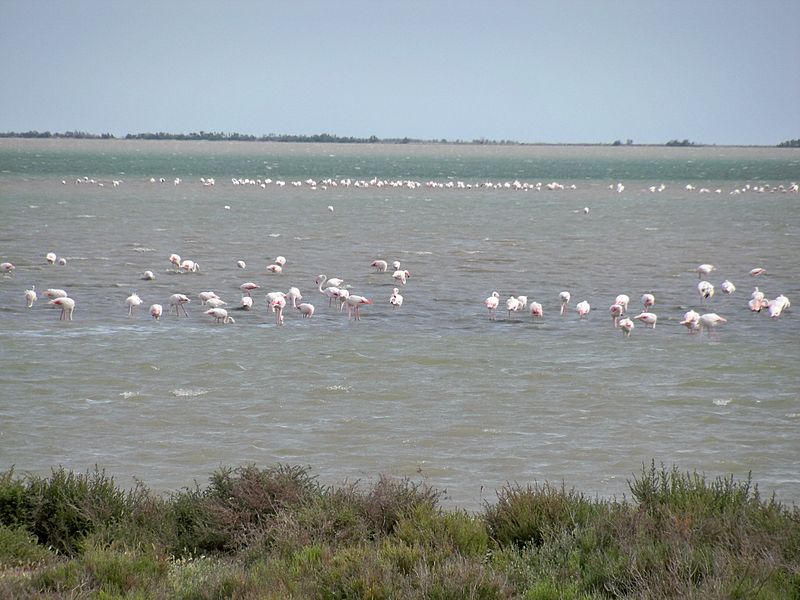
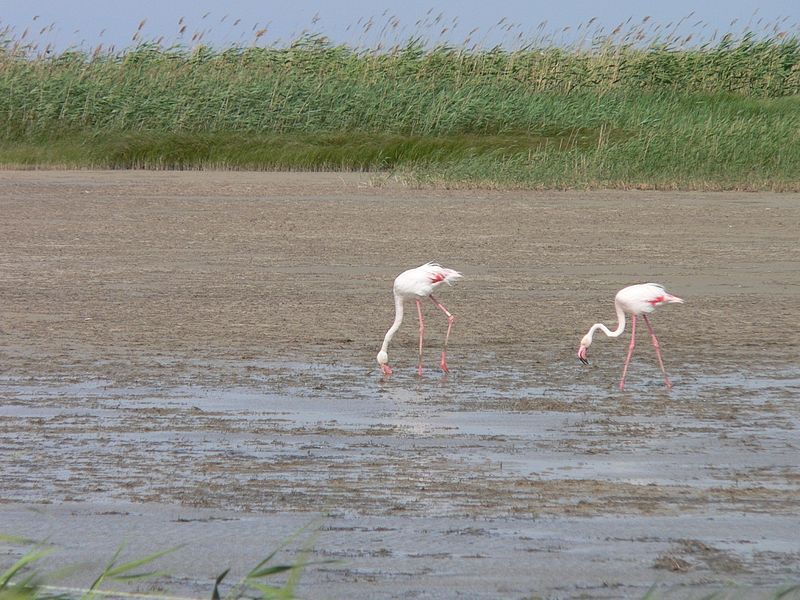
The main "living" attraction of the Camargue Reserve are flamingos. This is the only place in Europe where these birds nest. Flamingos feed on crustaceans, and make nests from mud and soleros stalks. There are fifteen thousand flamingos in the reserve, a third of which stay for the winter.
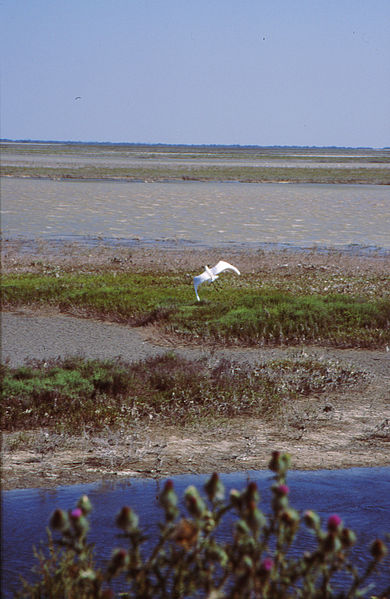
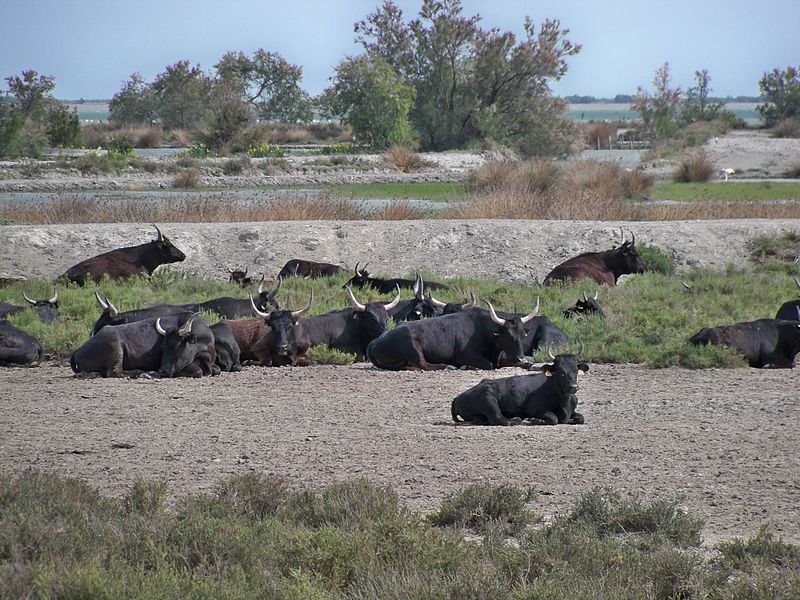
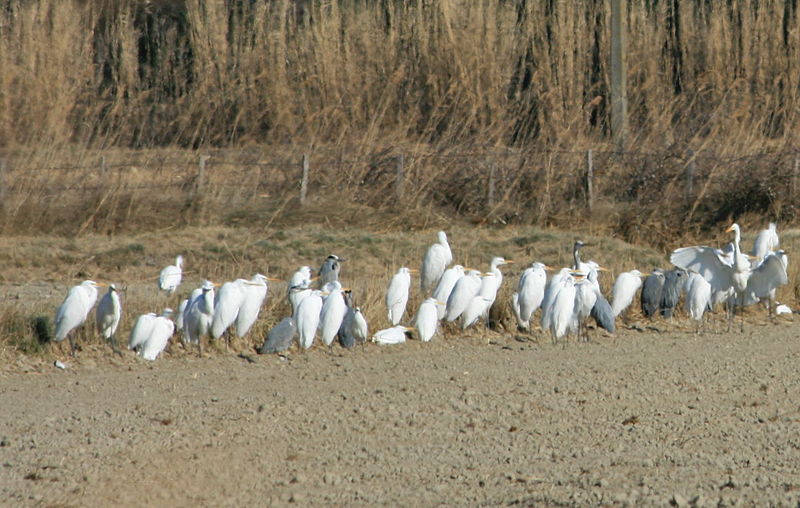
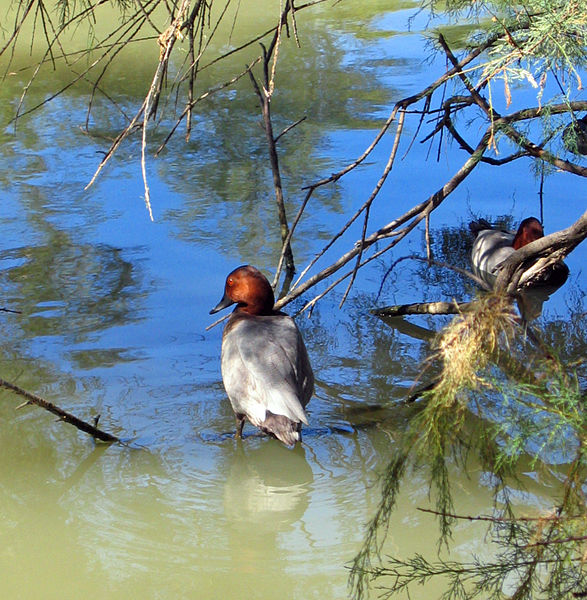
Warm winters and moderately rainy summers are an excellent climate for many European ducks (whistling teals, quacks). Such birds as plovers, seagulls, shiloklyuk, red-nosed diving ducks, avdotka, stilt walkers, and meadow turkeys also wait out the frosts of Europe. The overgrown reed is teeming with such species of birds as the common heron, the small heron, as well as many varieties of herons (red, yellow, small white, Egyptian), marsh harrier and warblers. The world of birds is the main treasure of the reserve, of which there are more than 300 species of birds (waterfowl, near-water, predatory, passerine). Feral white horses and black bulls roam the entire territory of the Kamarg Reserve, overgrown with reeds and spacious fields, which do not need shepherds at all, since there are no predators here. They feel at ease on this earth and only occasionally arrange fights for the attention of females. There is still no definitive version of how these animals appeared here, but scientists assume that they are descendants of Cretan bulls, which were brought by Greek colonists.
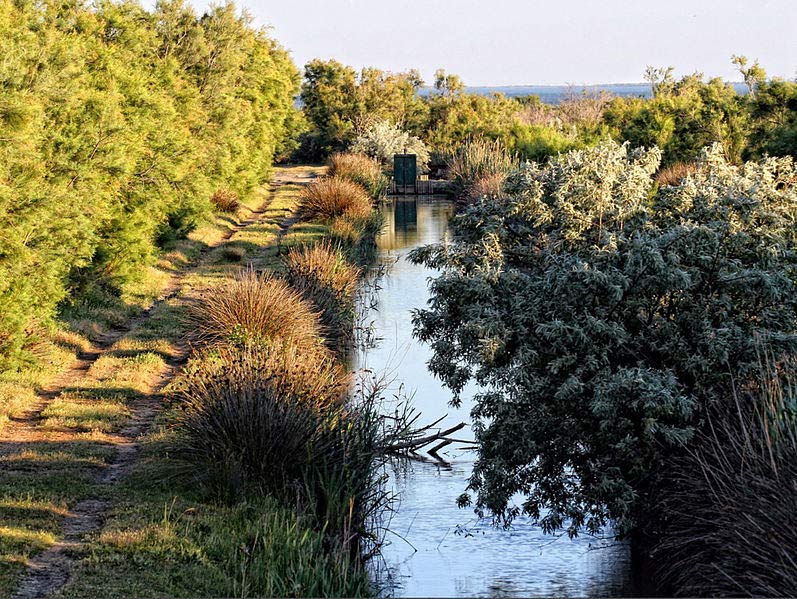
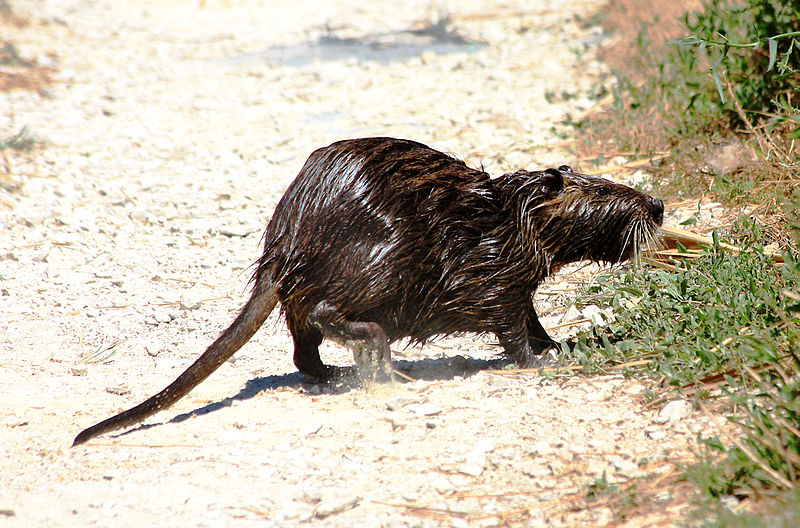
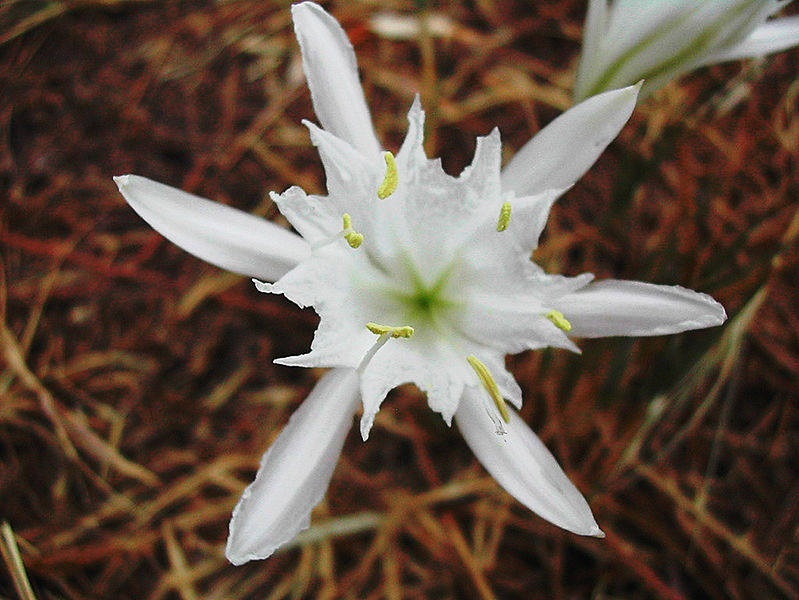
The fauna of the Camargue also includes many mammals, such as hares, wild boars, shrews, moles, rabbits, squirrels, beavers, hedgehogs and many other species of animals, of which there are more than 30. The Camargue flora is represented by thickets of shrubs, perennial herbaceous plants, as well as forests of ash, poplar, willow, pine, juniper, glades of gladioli, violets and many salt-loving plants.
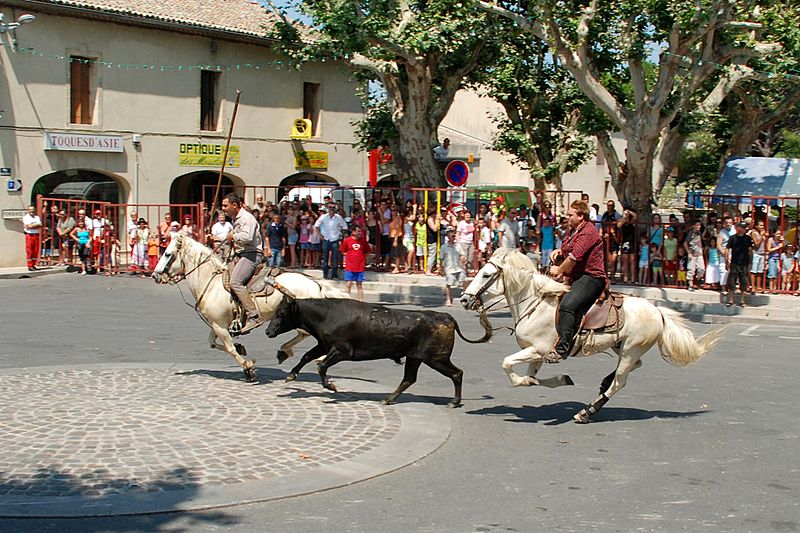
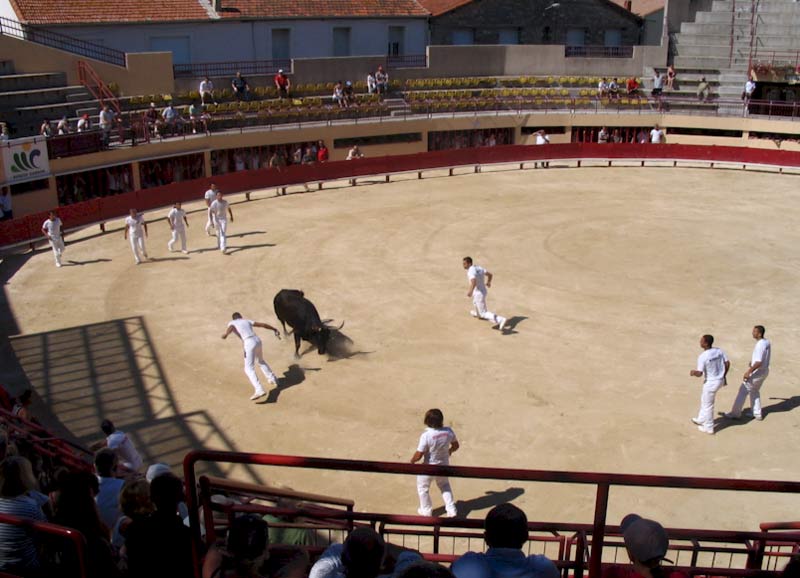
The local population of the Camargue likes to organize mass celebrations, where tourists from all over the world can watch black Camargue bullfights, as well as theatrical performances on white horses. In their daily lives, the inhabitants of the island cultivate rice, olives and other environmentally friendly products, produce salt, farm, wine, and organize tourism. The Camargue is a place for outdoor enthusiasts as well as nature lovers. Here you can enjoy horseback riding, cycling, hiking trails, as well as fishing, and if desired, you can have a barbecue right on the beach. You can also take a full-day tour of the territory by jeep, with lunch included, or by steamer through the water part of the park.
It is worth visiting the Bird Museum, which is located 4.5 kilometers north of Saint-Marie. In this small town there is a church, from the tower of which there is a panorama of the entire sea coast.
Next to the park there is a town called Aigues-Mortes, the preserved wall of the city is its landmark, from the tower of which there is a wonderful view of the Camargue National Park itself. As a treat, from the beautiful Camargue, you can buy natural Le Muscat de Lunel and Bel Air la Côte wine for your family, smoked sausages and canned locally produced bovine meat, salt with various fillers.
You can get to the Reserve by sea or by renting a car, as well as by bus from Nimes or Arles. The trip will take from half an hour to an hour, depending on which part of the Camargue (Sainte-Marie-de-la-Mer, Aigues-Mortes, etc.) you want to visit.
Gallery