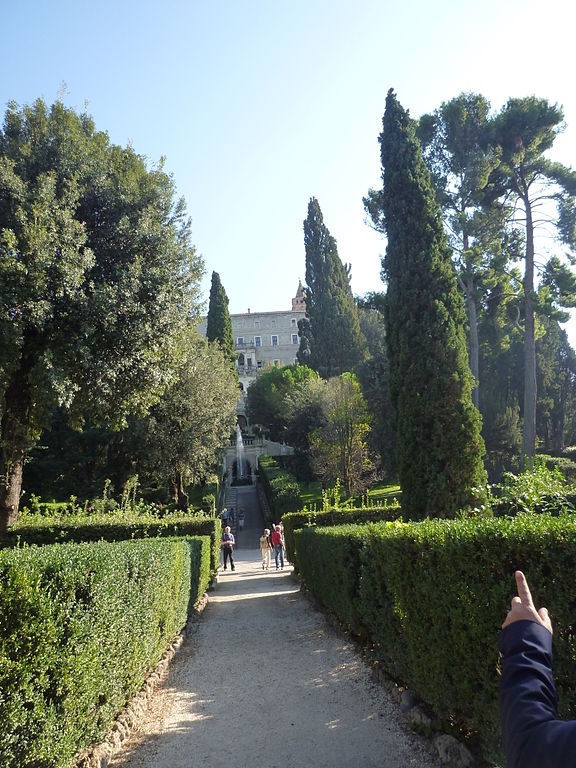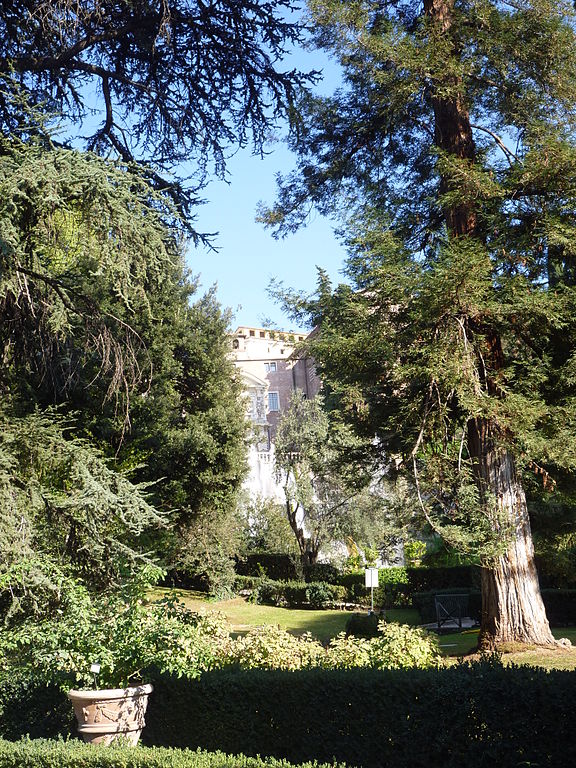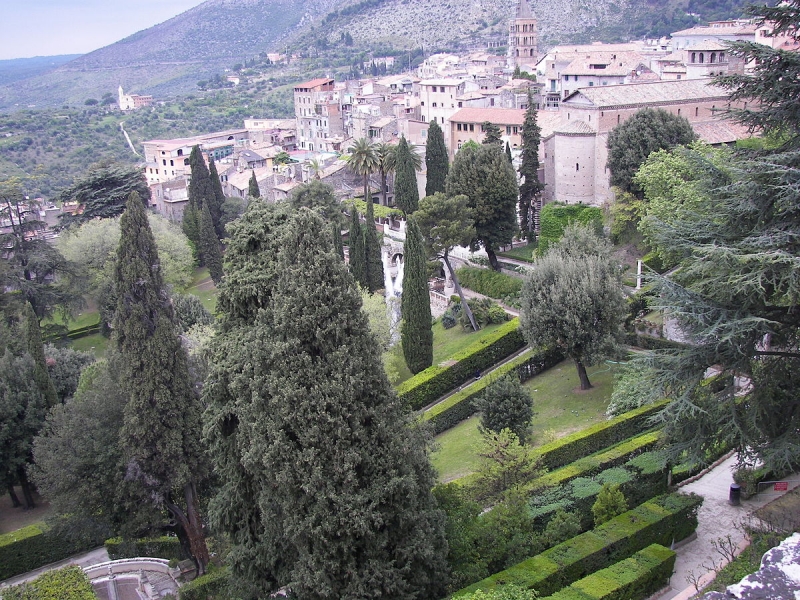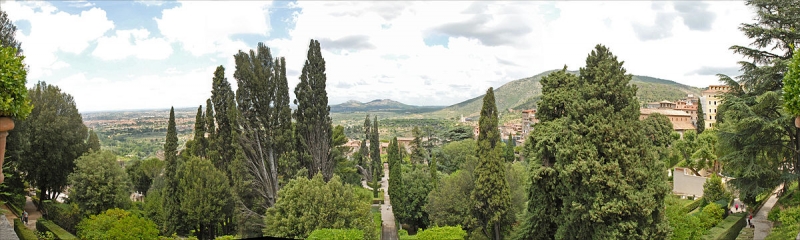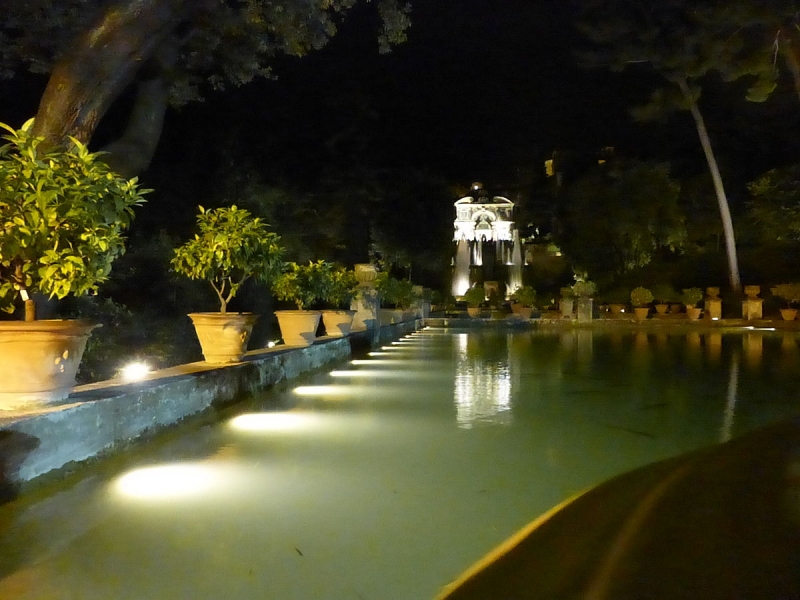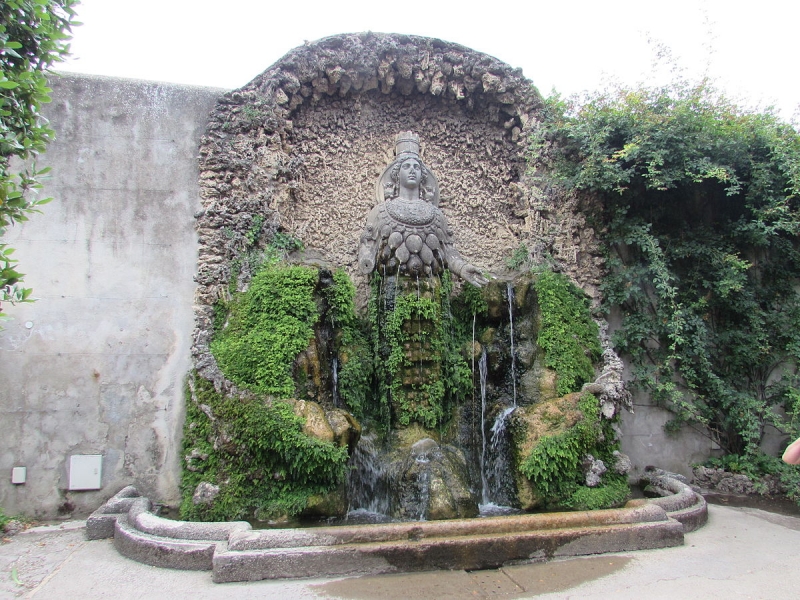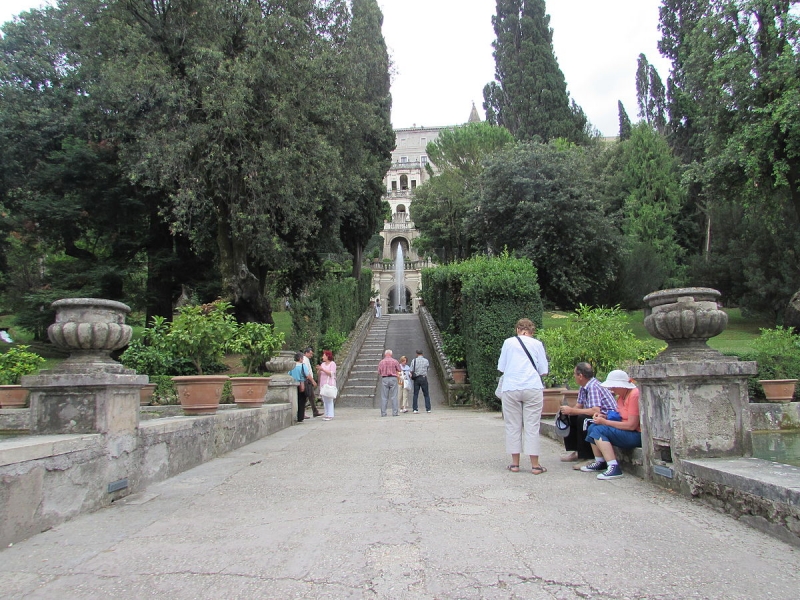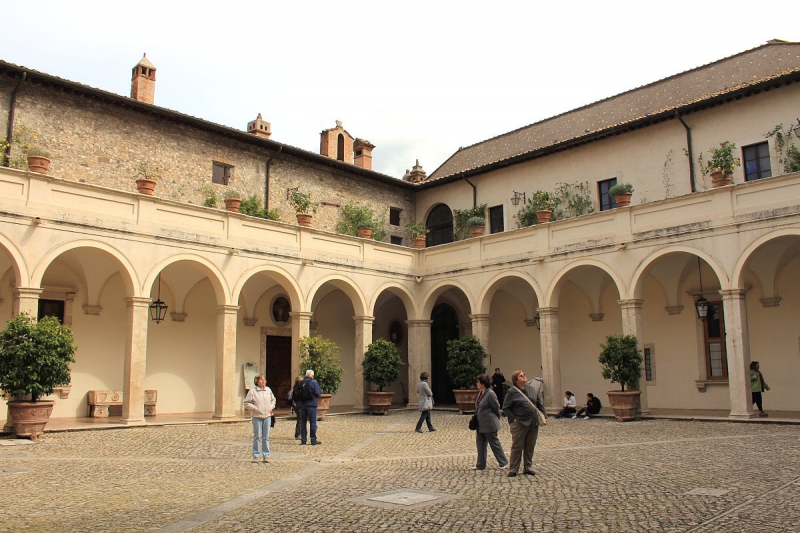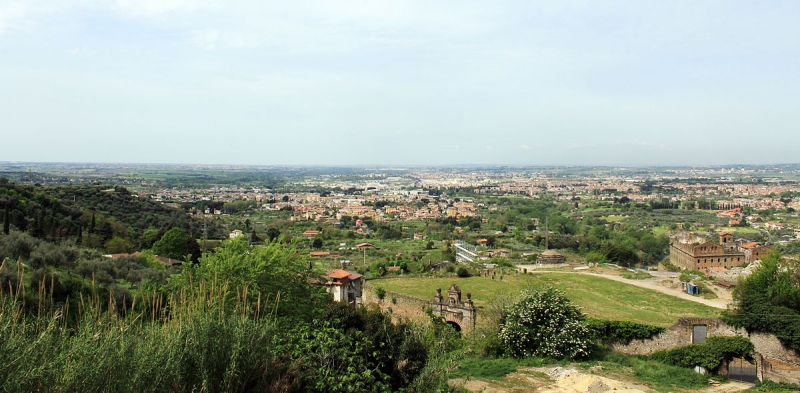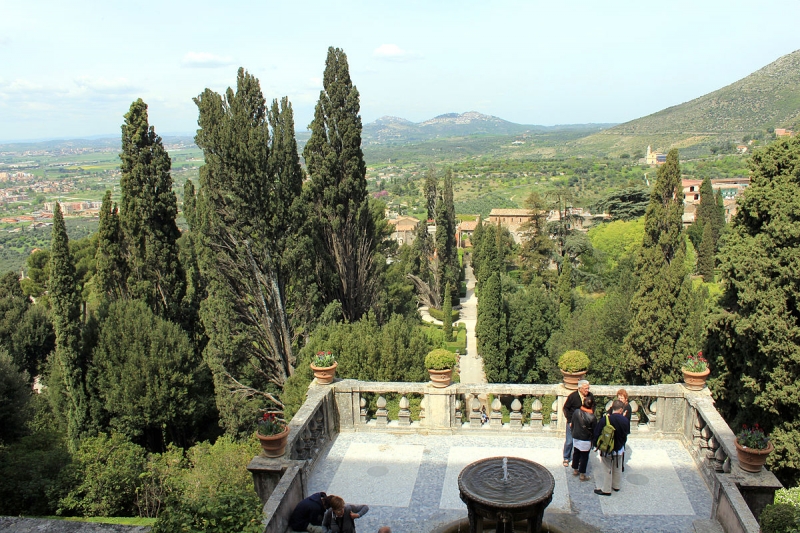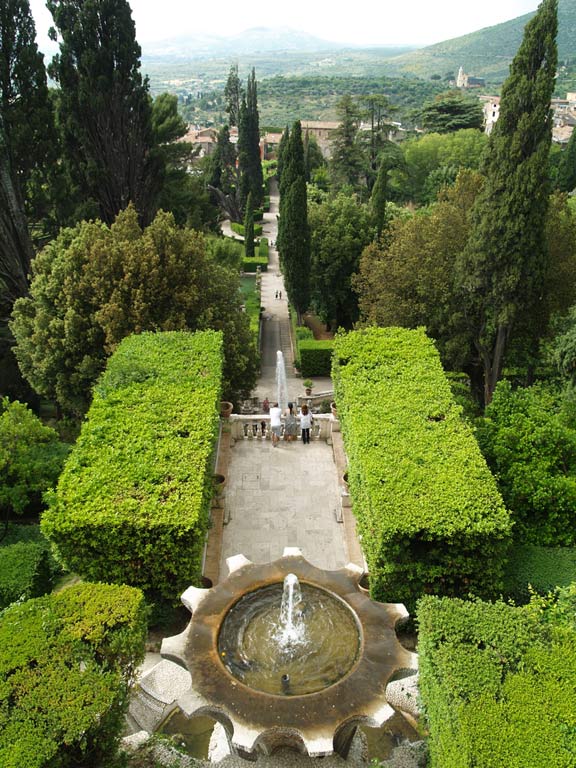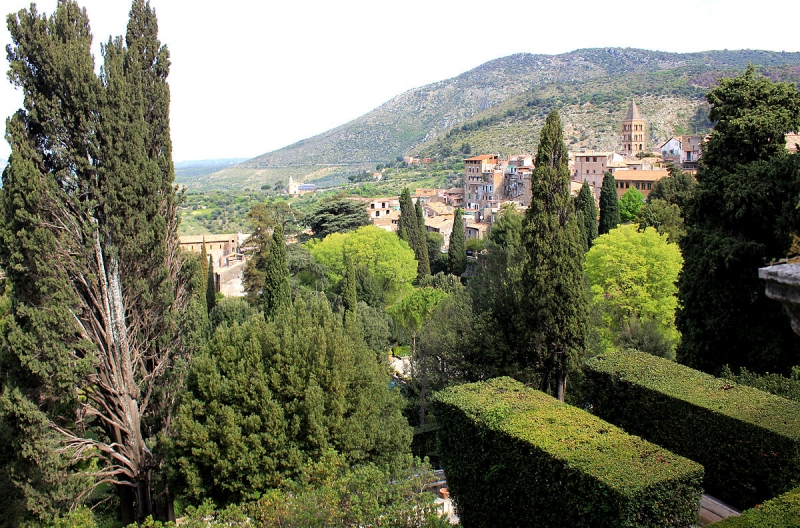

Villa d’Este is a perfect example of Renaissance architecture. It was built in Tivoli between 1550 and 1573. The wonderful Italian city of Tivoli is located on a picturesque hill, which is covered with vineyards, olive trees and other types of gorgeous plants.
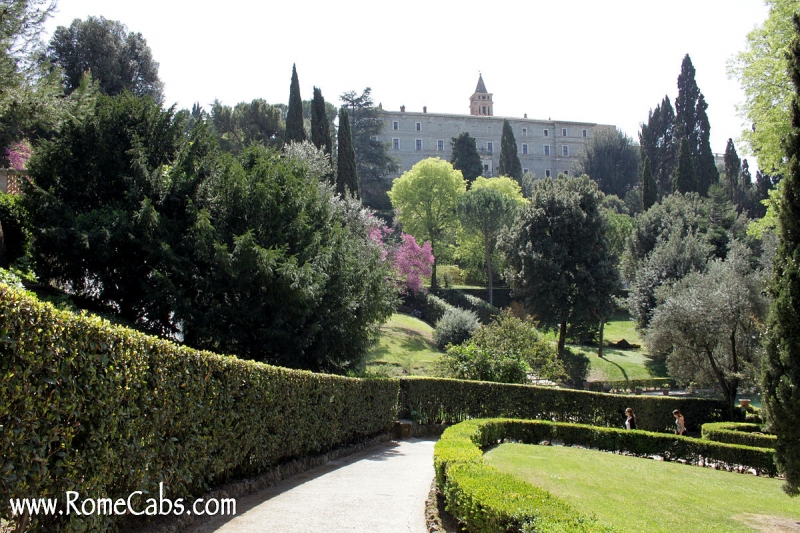
The history of Villa d’Este dates back to the spring of 1550, when Cardinal Hippolytus II d'Este of Ferrara was appointed governor of the small town. Upon arriving in Tivoli, the cardinal immediately wanted to beautify his residence with a wonderful blooming garden.
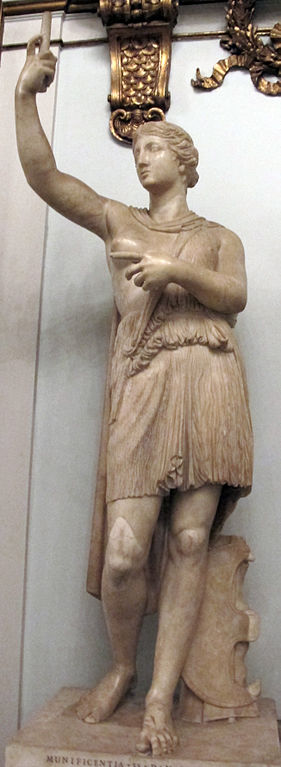
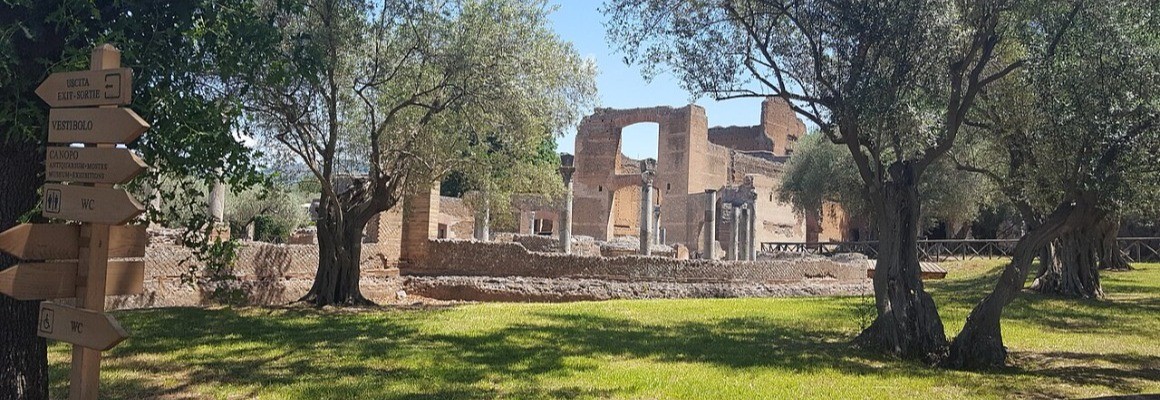
Villa d’Este was designed following the example of Hadrian's villa, the ruins of which were carefully studied by the ruler's architect. Various valuable statues were found during the exploration of Villa Adriana, which became an integral decoration of the gardens and the residence d'Este. This is how this beautiful palace was transformed step by step into a garden museum. For 22 years there has been continuous work around the government residence. Not only magnificent gardens were laid out here, but fountains were also equipped.
For four centuries, the beautiful garden in Tivoli has been one of the best attractions of its kind. It is a pity that little has been preserved from him until our time.
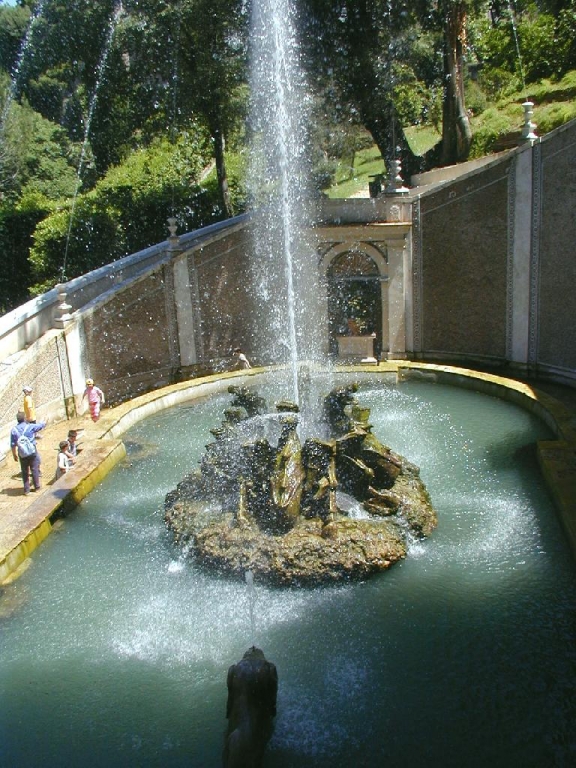
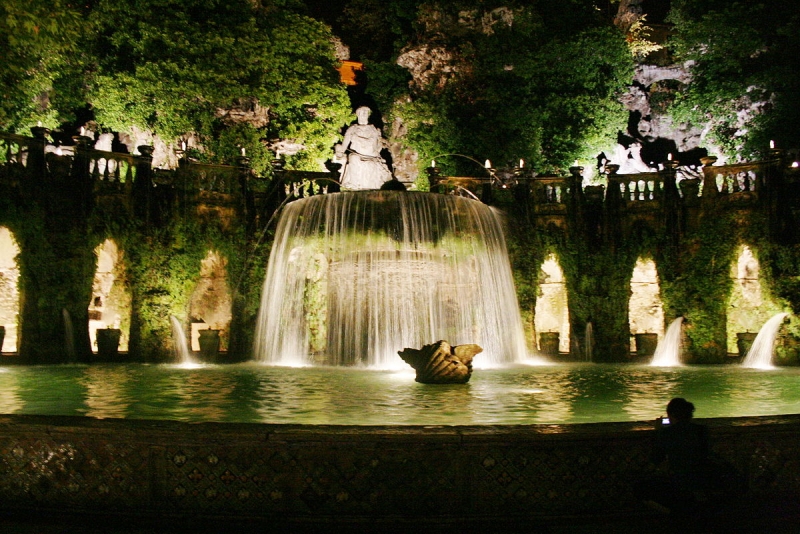
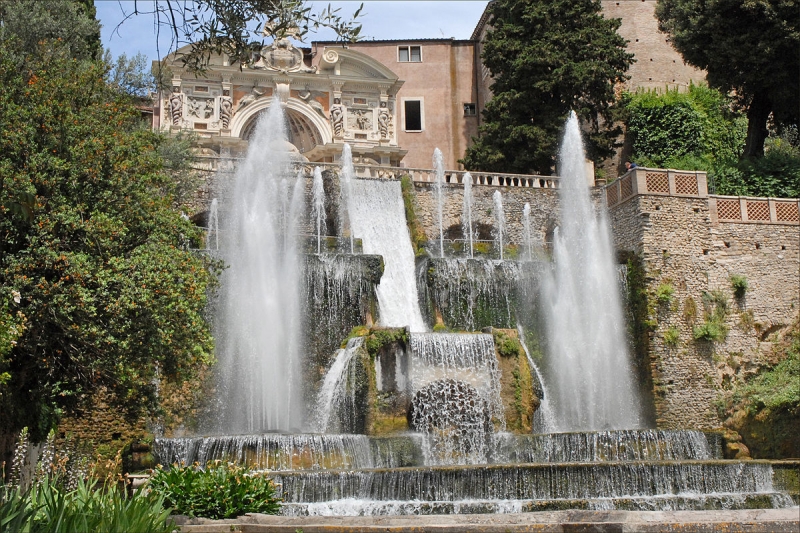
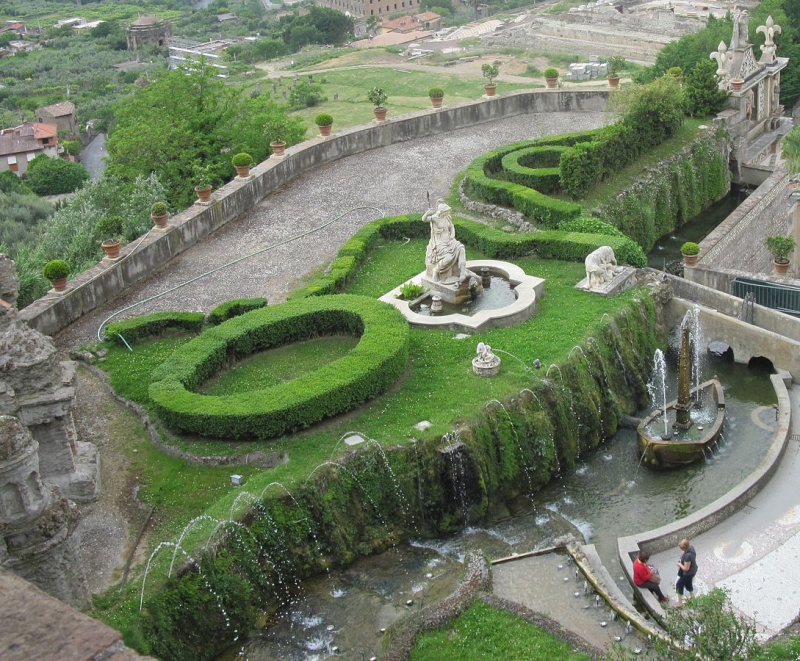
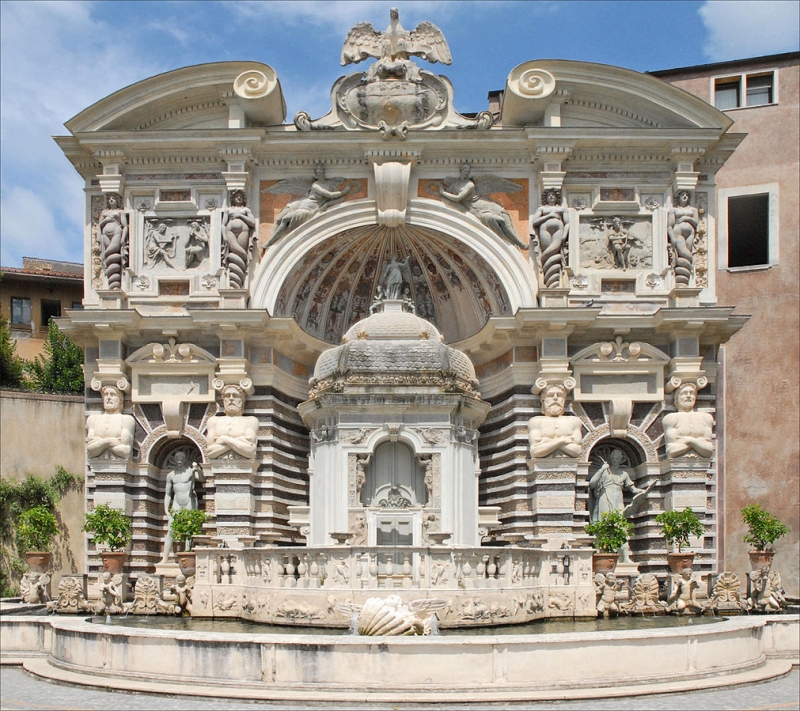
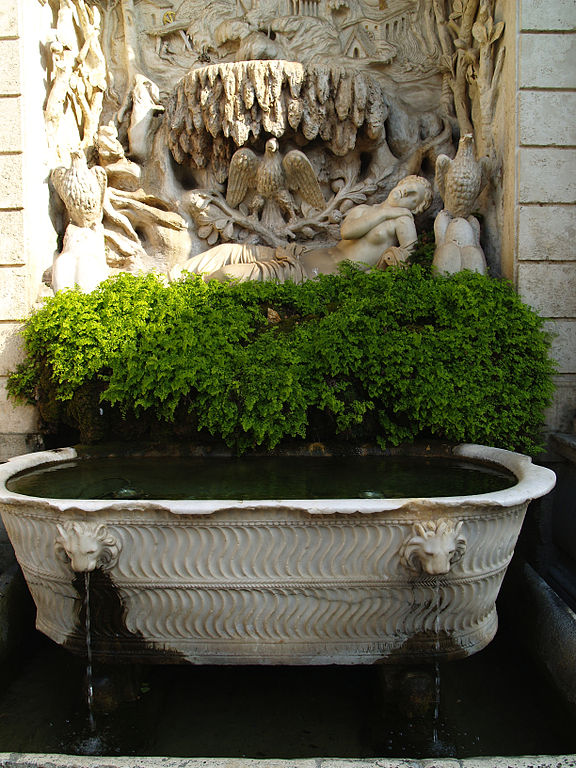
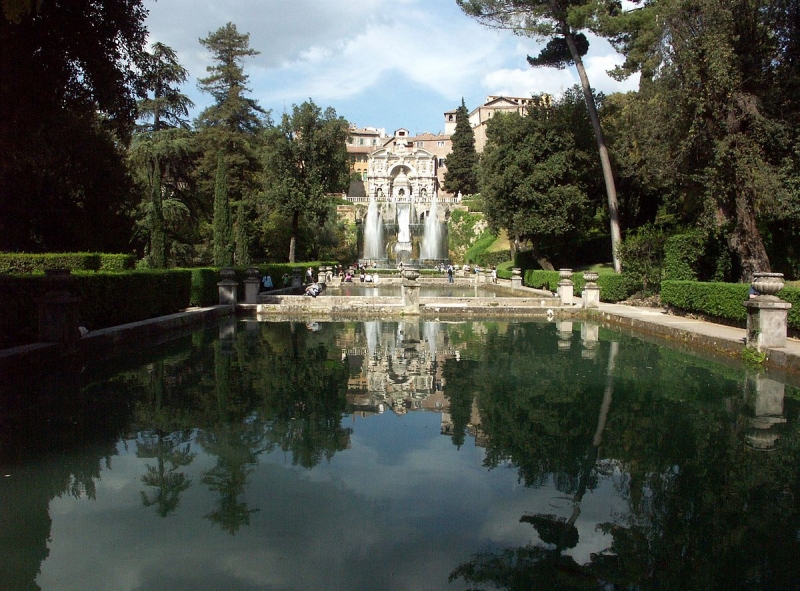
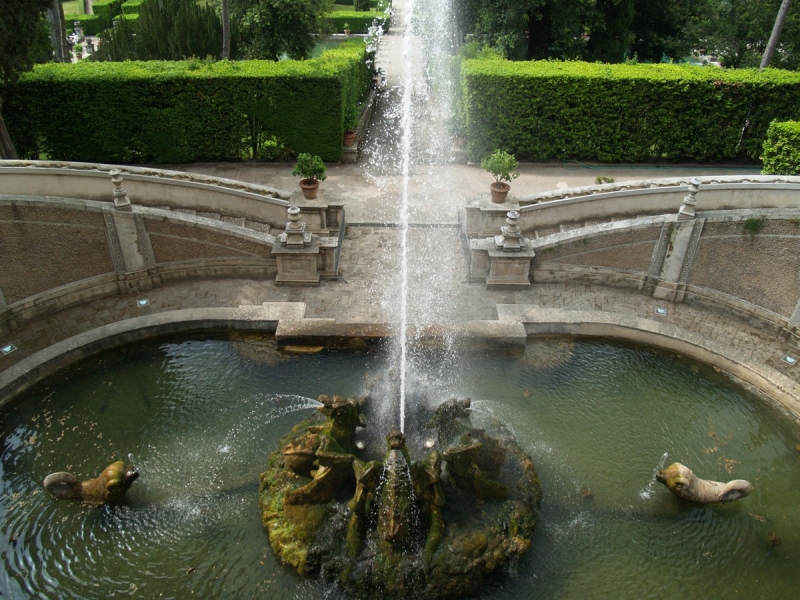
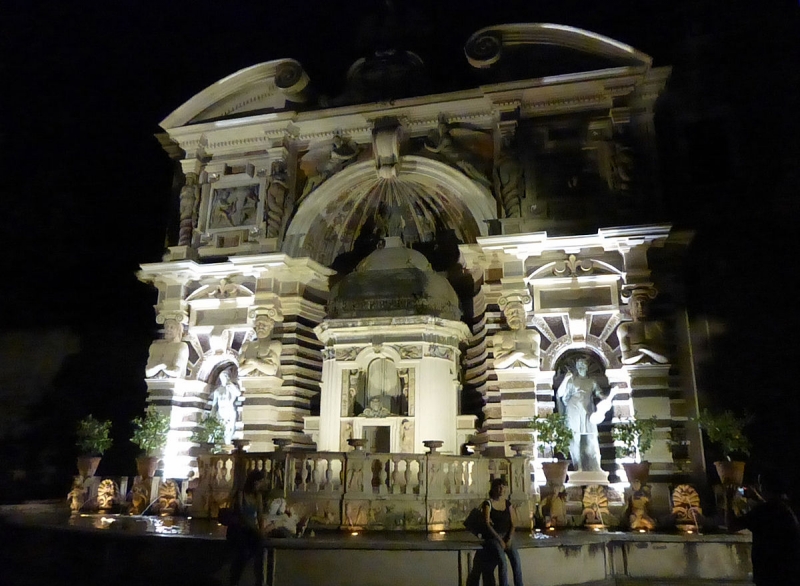
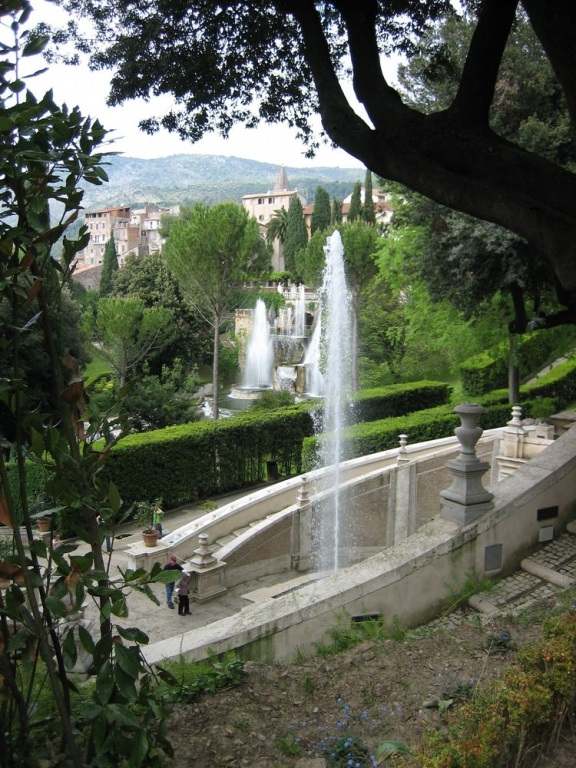
The local fountains are of great interest to the garden's guests, which in the 17th century was considered an unrealistic achievement of hydraulics. The most complex hydraulic fountain system housed an organ Fountain, a Dragon, and a Boiling Staircase, which got its name from the turbulent, unceasing streams of water that flowed from more than forty water cannons.
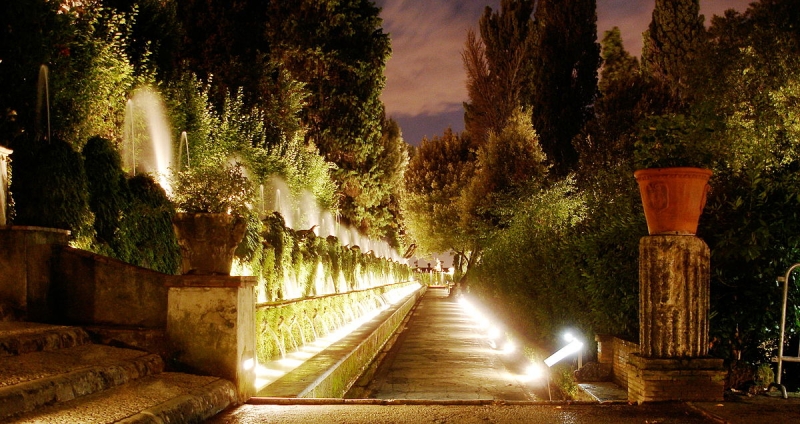
The Hundred Fountains Road is very chic and beautiful. Nearby were the grottoes of Venus and Diana, and there was also the Romette Fountain, which symbolized the seven hills of great Rome.
Quite often, guests of Villa d’Este was visited by famous talented people who dedicated their magnificent works to the area. Wonderful gardens and fountains have been the object of artists' inspiration more than once. For example, she is depicted in the paintings of Fragonard and his friend Hubert Robert.
The magnificent nature of the garden is completely in harmony with the continuous humming of the fountains. The villa is open every day except Monday from 8.30 am until sunset. There are only two fountains from the entire water complex, which are open on schedule.
Gallery