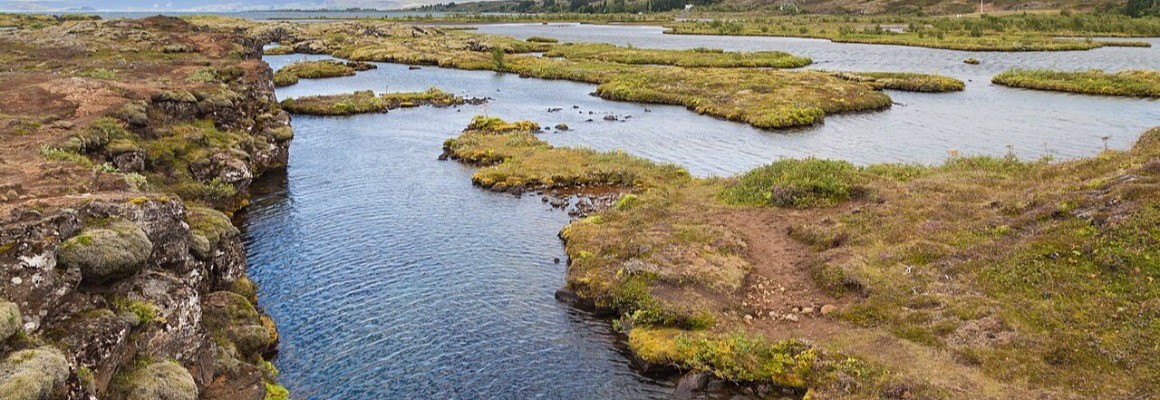
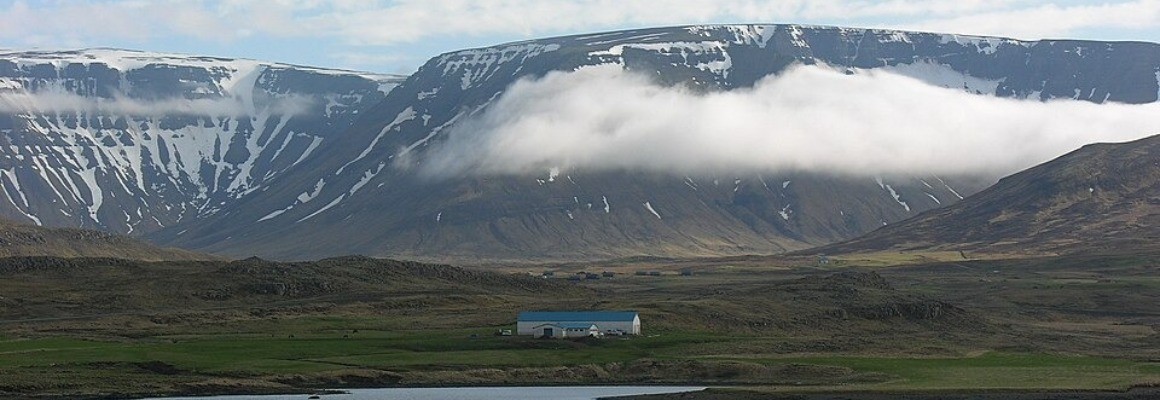
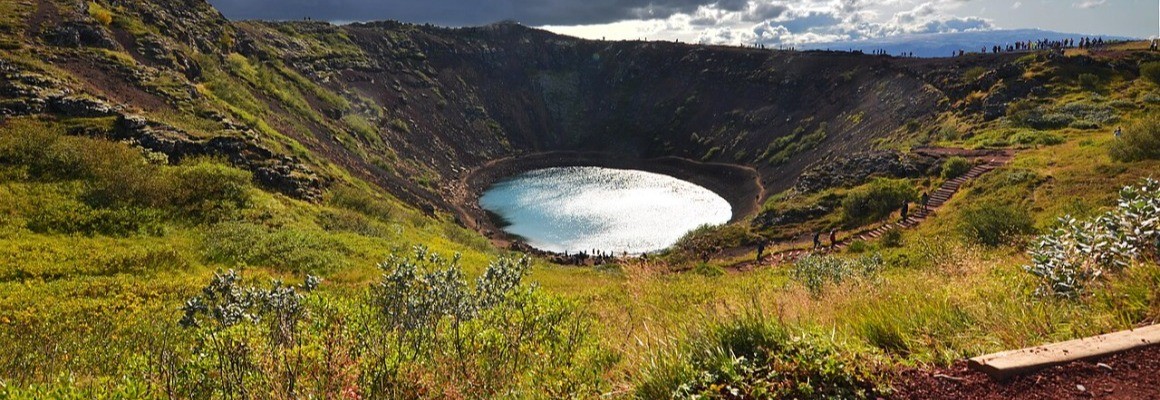
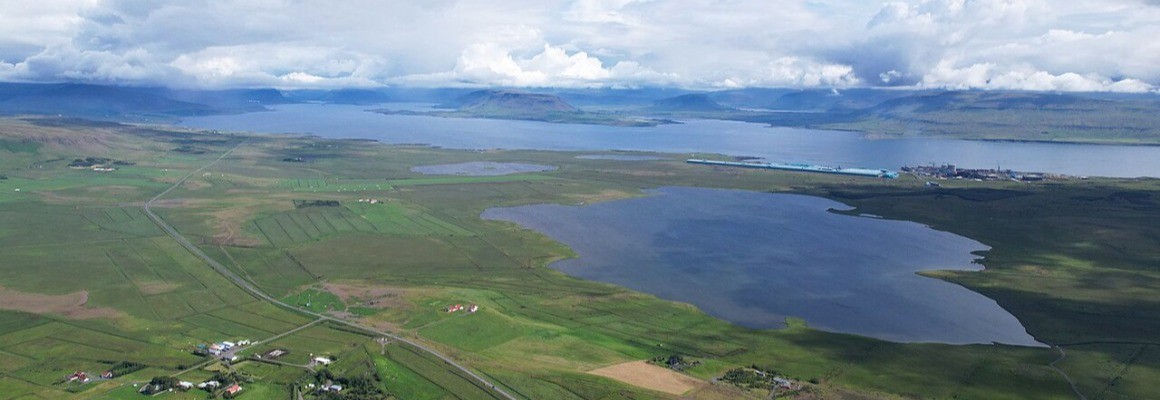
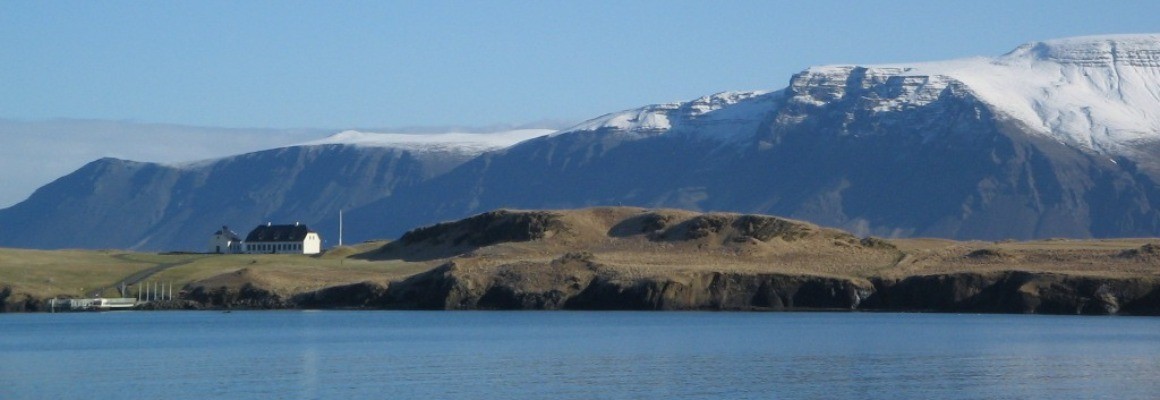
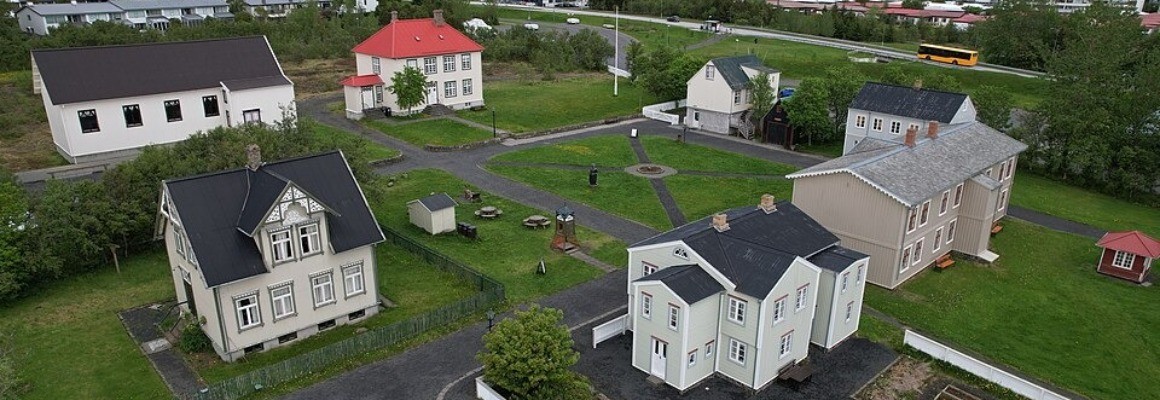
Thingvellir National Park is one of Iceland's most important historical and natural landmarks. It lies about 50 kilometres east of Reykjavík, beside Lake Þingvallavatn. Lava fields, rocky gorges, clear water and green valleys create a landscape characteristic of this volcanic island. In 2004, Thingvellir was inscribed on the UNESCO World Heritage List for its historical role and cultural significance.
The birthplace of Iceland's parliament
Thingvellir's most important historical association is with the Alþing, Iceland's national assembly, established here around 930. Representatives of communities gathered in the open air to discuss laws, settle disputes and make decisions affecting the country. The assembly continued to meet at Thingvellir for centuries, until 1798.
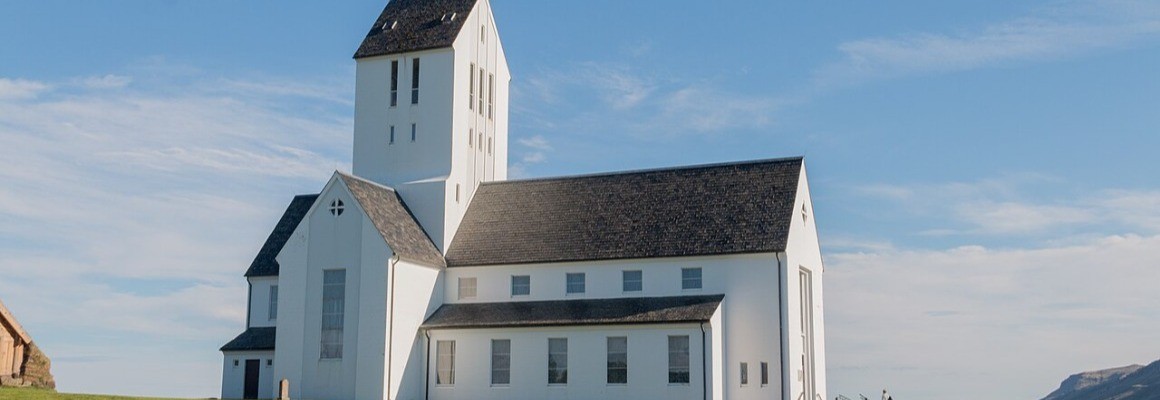
Remains of the gathering place include fragments of stone and turf structures used by participants. The site also includes Thingvellir Church and an old farm. For Icelanders, the park has profound national significance and is closely associated with the formation of their state.
A rift between tectonic plates
Thingvellir is remarkable not only for its history but also for its geology. The park lies within the Mid-Atlantic Ridge system, where the North American and Eurasian tectonic plates gradually move apart. Movement of the Earth's crust has created deep fissures, faults and steep rock walls that are clearly visible at the surface.
One of the best-known features is the Almannagjá gorge. Its high rock walls reveal the effects of tectonic movement. The landscape continues to change as geological processes unfold, making Thingvellir a compelling destination for geologists and travellers interested in the formation of the Earth's surface.
Lake Þingvallavatn and Öxarárfoss waterfall
Lake Þingvallavatn, Iceland's largest natural lake, lies in the southern part of the park. It is surrounded by volcanic landscapes and receives water from numerous underground springs. The lake supports a rich aquatic ecosystem, including distinctive forms of Arctic char that have developed within the same body of water.
Another well-known attraction is Öxarárfoss, a waterfall on the Öxará River. Water drops over a rocky ledge among dark cliffs, creating a striking contrast with the surrounding vegetation and lava formations. Walking paths make the waterfall a convenient stop while exploring the historic part of the park.
Nature and scenery
Thingvellir's landscape was shaped by volcanic activity, glaciers and movement of the Earth's crust. The park contains lava fields, fissures, cliffs, meadows and areas of low-growing vegetation. Waterbirds live around the lake, while its waters support fish adapted to Iceland's cold conditions.
The scenery changes with the seasons and the weather. In summer, the valleys turn green; in winter, snow emphasizes the contours of the cliffs and hardened lava. Even a short visit reveals how closely natural processes and human history are connected here.
Things to see in the national park
Visitors can walk through Almannagjá gorge, visit Öxarárfoss waterfall and explore the historic assembly site of the Alþing. Viewpoints overlook Lake Þingvallavatn, surrounding mountain slopes and the broad rift valley. The visitor centre offers information about the region's geology and cultural heritage.
At Silfra, visitors can see a water-filled fissure known for its exceptionally clear water. It is a popular location for snorkelling and diving, although these activities require compliance with safety rules and park regulations. Before travelling, check road conditions, trail access and visitor information.
How to reach Thingvellir
The national park is a major stop on Iceland's popular Golden Circle route, which also includes the Geysir geothermal area and Gullfoss waterfall. Visitors usually reach Thingvellir from Reykjavík by car or on an organised excursion. The journey combines historic landmarks, striking geological formations and views of one of Iceland's largest lakes.
Thingvellir is suitable for walking along marked trails, photography and learning about Icelandic history. To protect the park's fragile environment, visitors should remain on designated paths and follow conservation rules.
Gallery