A royal castle above the Loire
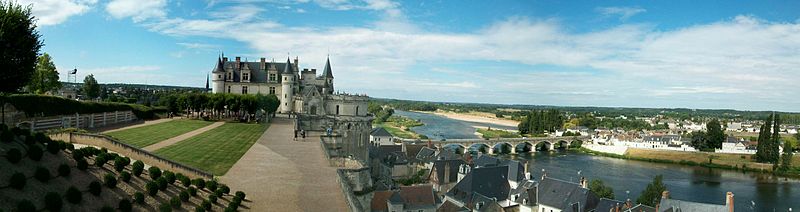
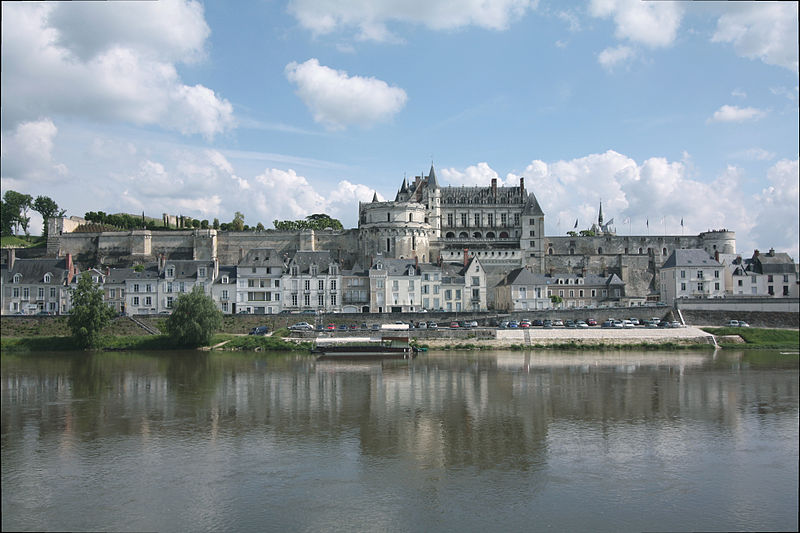
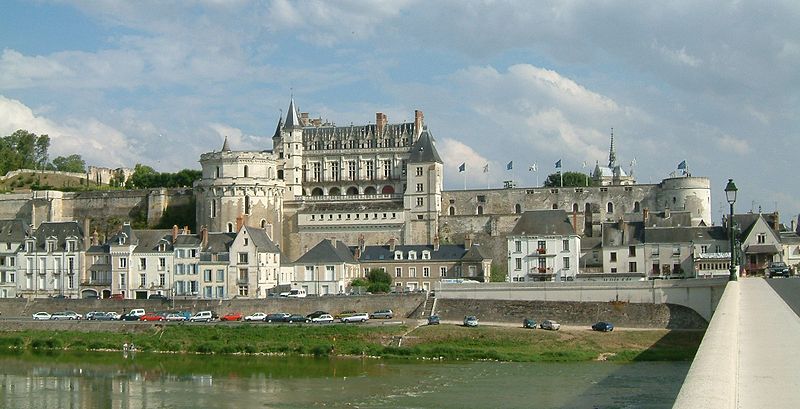
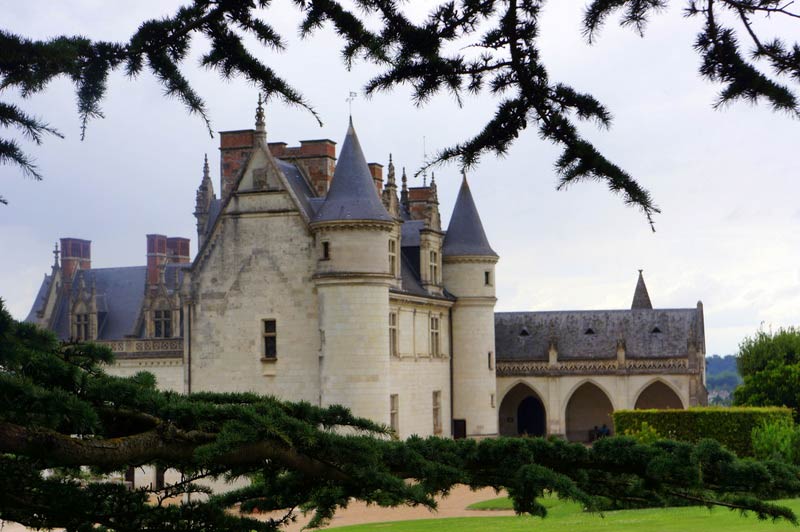
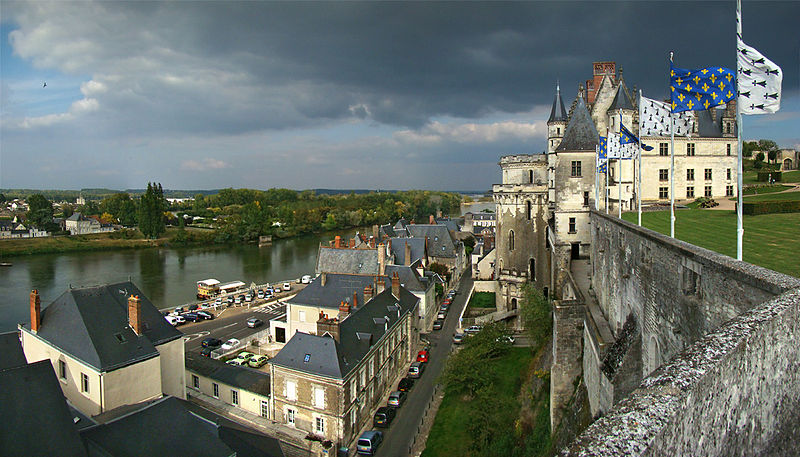
The Royal Château of Amboise stands on a rocky promontory above the Loire River in the town of Amboise, in France's Loire Valley. Its towers, ramparts, royal rooms and terraced gardens overlook the historic town and river landscape. The castle is one of the region's best-known monuments of the French Renaissance.
History
A fortified site existed here in the Middle Ages. Major rebuilding began under Charles VIII in the late fifteenth century. After travelling to Italy, the king became interested in Renaissance architecture and gardens and transformed the medieval stronghold into a royal residence. Work continued under Louis XII and Francis I, and the castle became a setting for court life and diplomacy.
Renaissance architecture
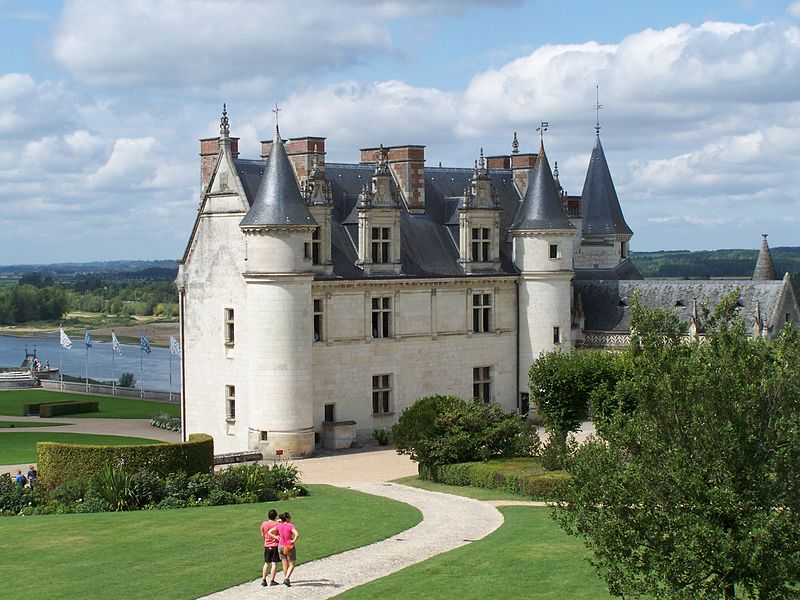
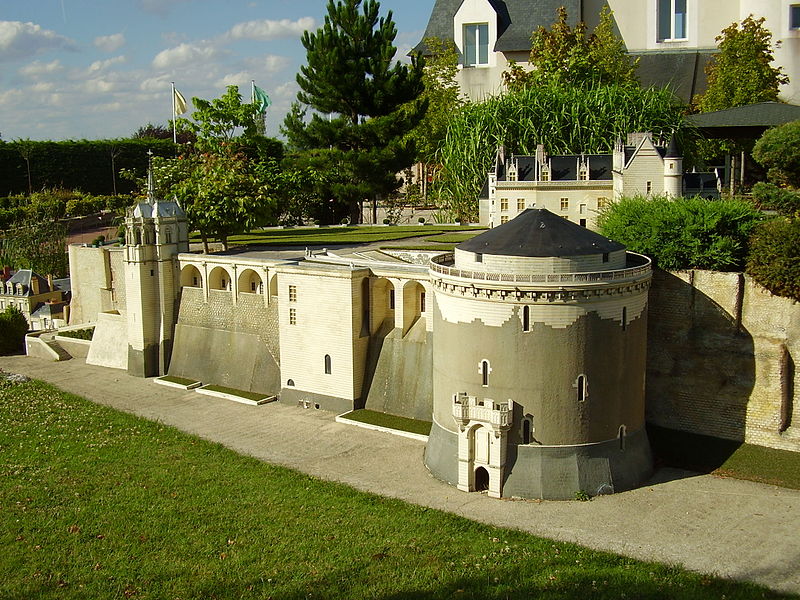
The castle combines massive medieval walls and defensive towers with elegant façades, large windows and decorative details inspired by the Renaissance. Broad spiral ramps inside some towers made it possible to bring horses and carriages up to the plateau. The royal apartments display furnishings and interiors associated with court life from the fifteenth to the nineteenth centuries.
Leonardo da Vinci in Amboise
Leonardo da Vinci came to France in 1516 at the invitation of Francis I and spent his final years at the nearby Château du Clos Lucé. He died in 1519 and was first buried at the collegiate church of Saint-Florentin on the château grounds. After the church was demolished, excavations in the nineteenth century uncovered remains believed to be his, although their identification is not certain. His presumed tomb is now in the Chapel of Saint Hubert.
Gardens and views
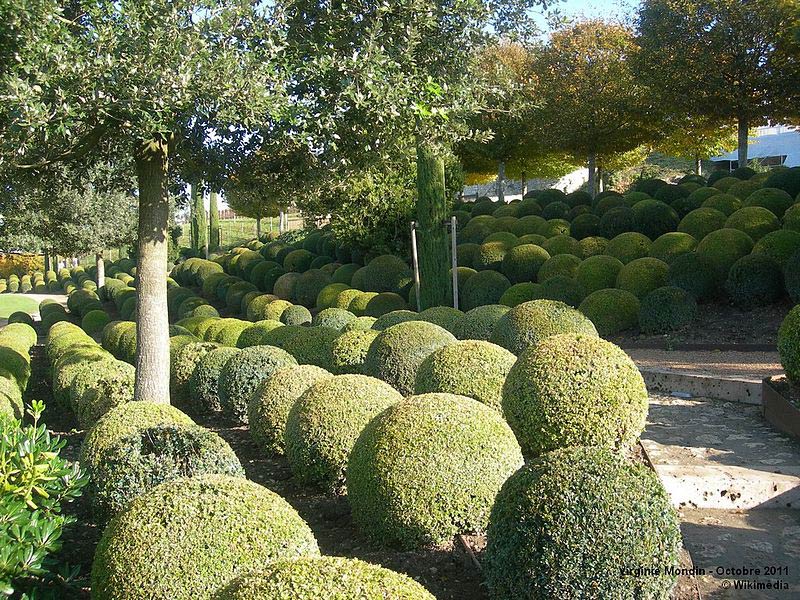
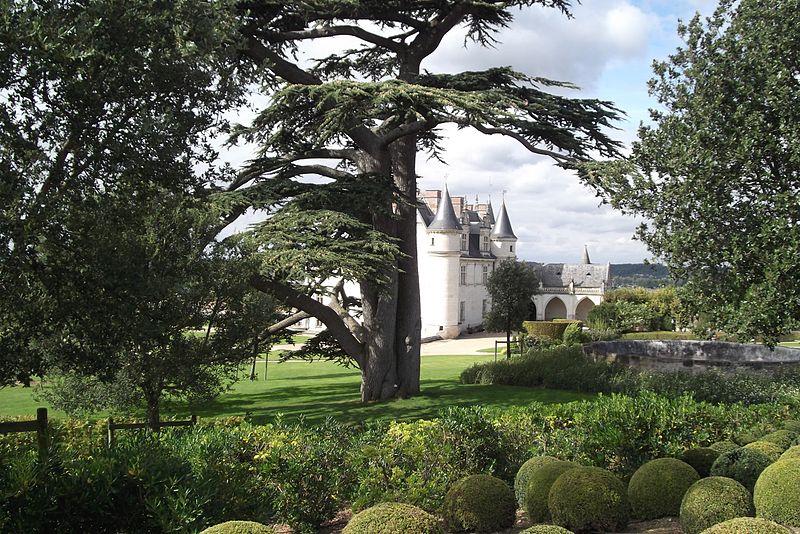
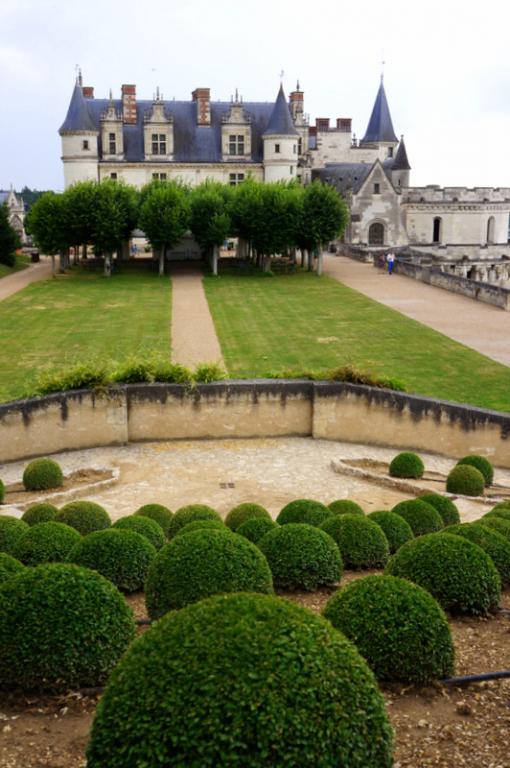
The château gardens occupy terraces overlooking the Loire. From the ramparts, visitors can see the river, bridges and rooftops of the old town. The Loire Valley between Sully-sur-Loire and Chalonnes is a UNESCO World Heritage landscape recognised for its historic towns, architecture and cultural scenery.
Nearby attractions
The Château du Clos Lucé, where Leonardo lived, is a short walk away. Its museum explores his life and inventions, with models of machines displayed in the grounds. Visitors can also explore Amboise's old streets, riverside paths and traditional shops and cafés.
Visiting the castle
The château welcomes visitors for much of the year, but opening hours vary by season. Check the official website for current times and ticket prices. Amboise can be reached by train from Tours, followed by a walk to the historic centre. Allow several hours to explore the royal rooms, chapel and gardens.
Historical importance
Amboise illustrates the transformation of medieval fortresses into Renaissance residences. Its story connects Charles VIII and Francis I with cultural exchange between France and Italy and with the final years of Leonardo da Vinci. It remains one of the most rewarding stops on a tour of the Loire Valley châteaux.
Gallery