
Where Wadi El Gemal National Park Is Located
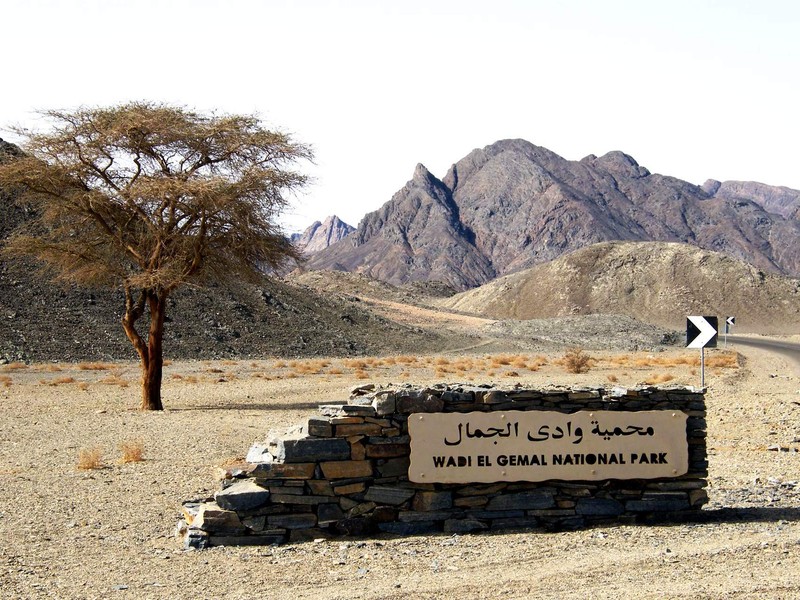
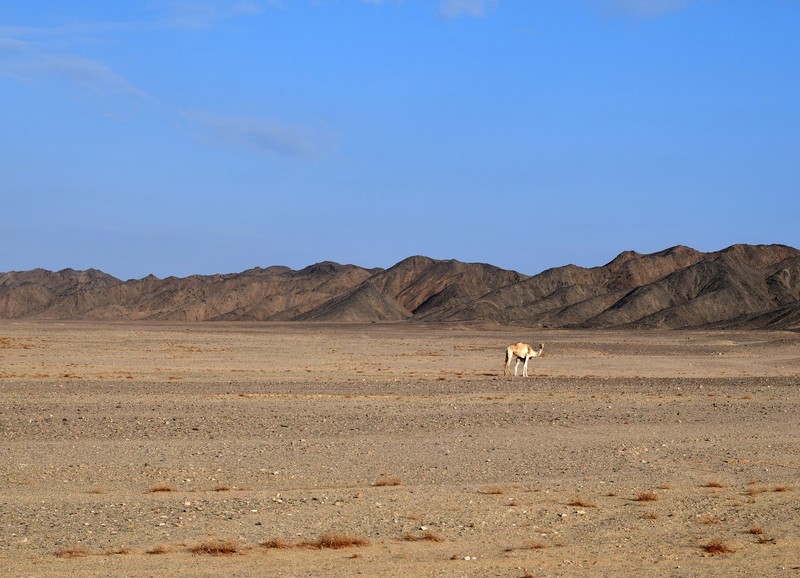
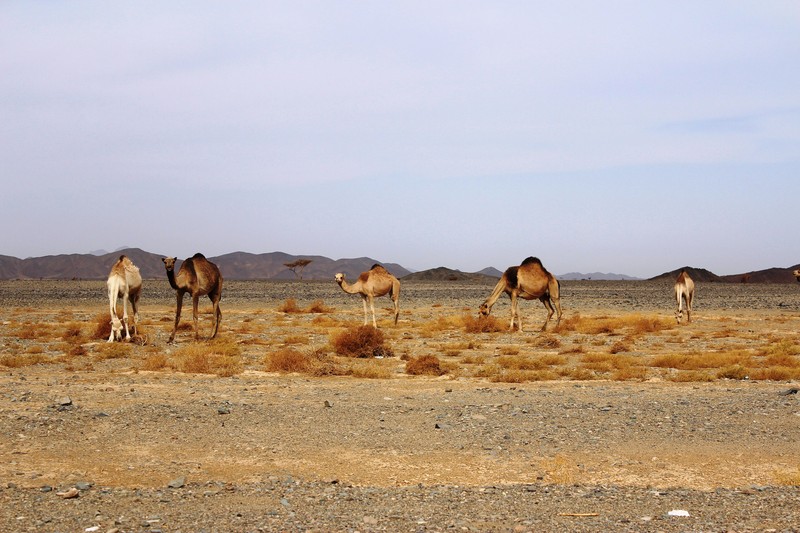
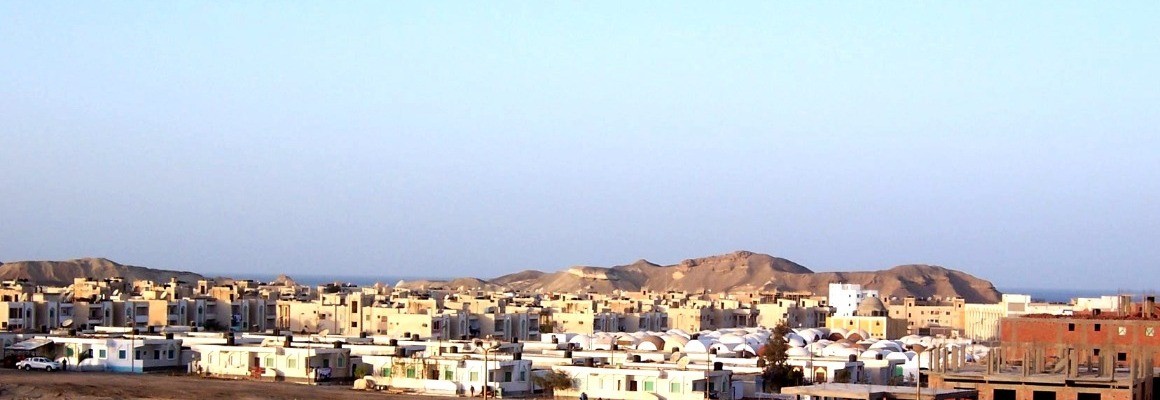
Wadi El Gemal National Park lies in southeastern Egypt, in the Red Sea Governorate, roughly 50–80 kilometres south of Marsa Alam. Its Arabic name means “Valley of the Camels.” The protected area brings together Eastern Desert valleys, mountains, the Red Sea coastline, coral reefs and offshore islands.
Established in 2003, the park covers approximately 7,450 km² when its marine waters are included. Around 4,770 km² are terrestrial, while roughly 2,000 km² consist of marine habitats. This combination of desert and sea ecosystems makes Wadi El Gemal one of the most diverse natural areas along Egypt’s Red Sea coast.
Mountains, Desert Valleys and Landscapes
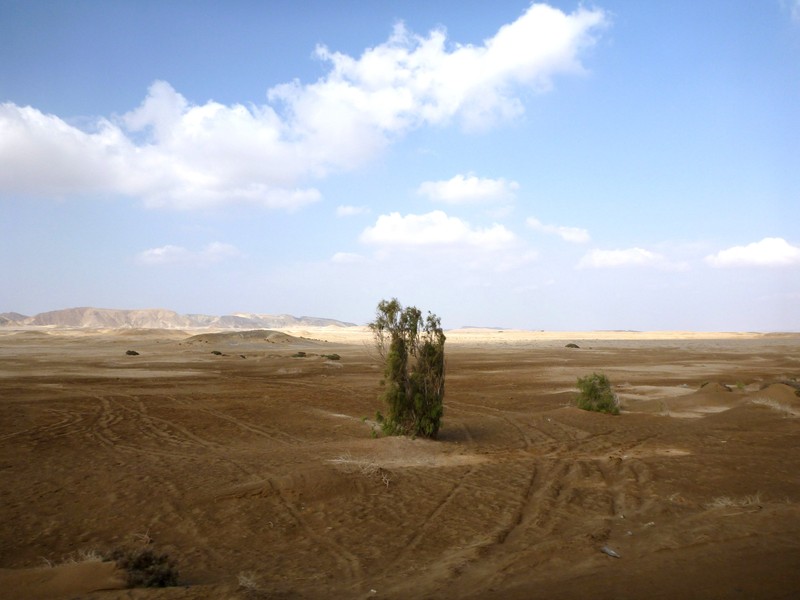
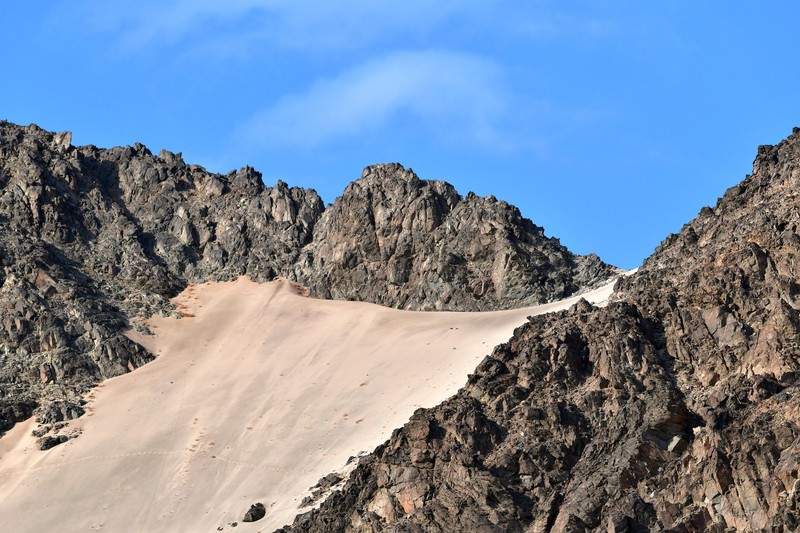
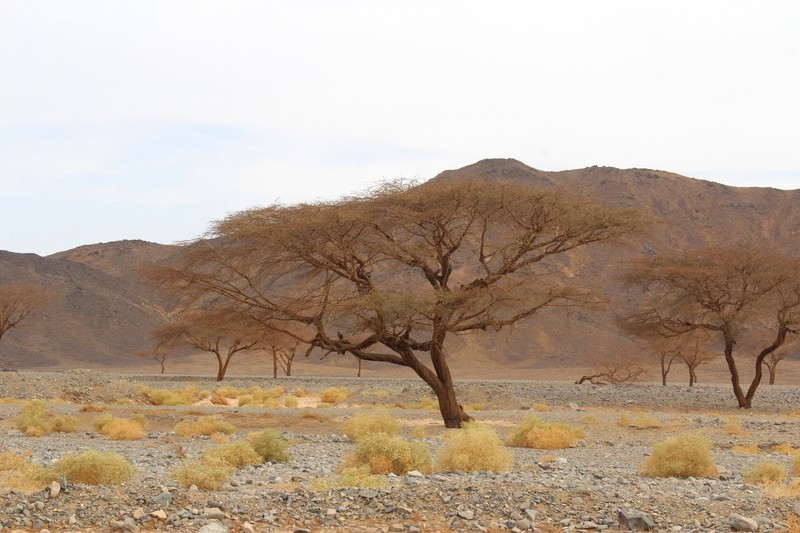
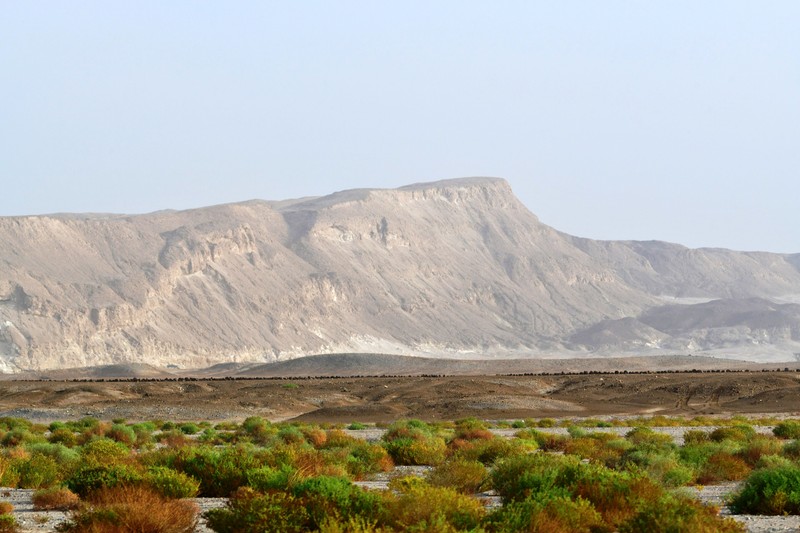
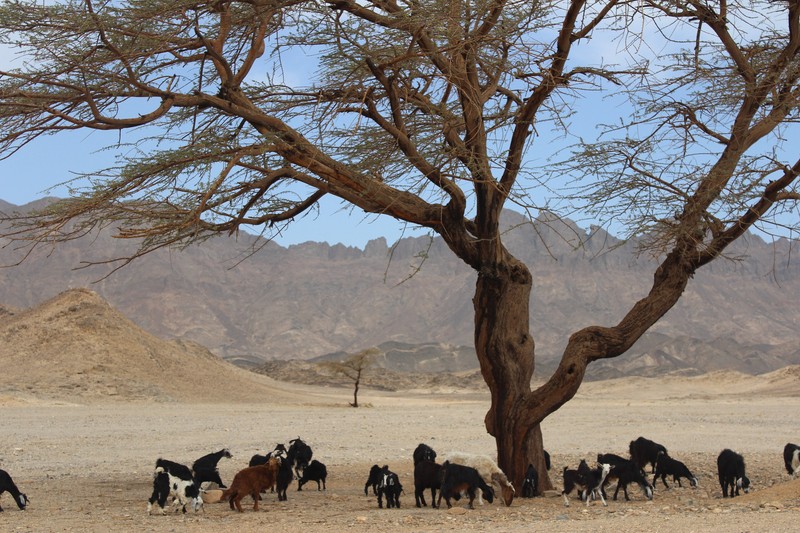
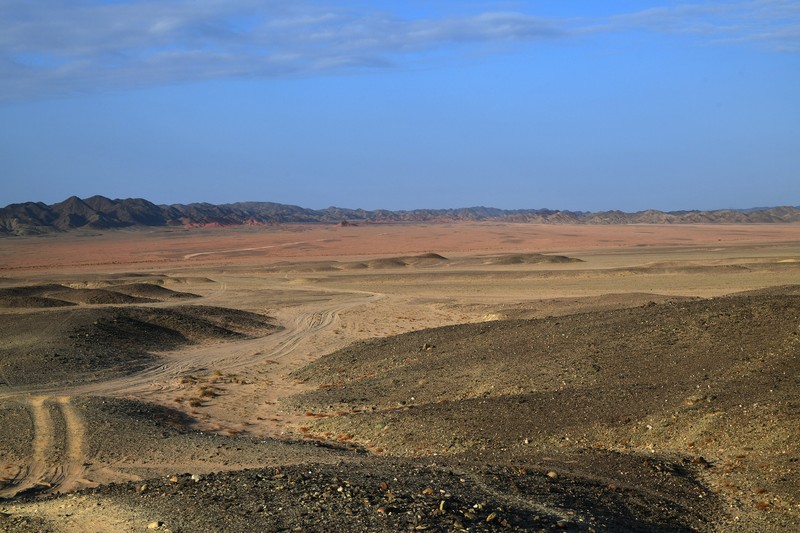
The inland part of the park features rocky mountains, rugged gorges, dry riverbeds and patches of sparse vegetation. Erosion has shaped its valleys and cliffs, creating striking desert scenery. Although rain is rare, temporary water flows can appear after occasional storms and bring brief bursts of life to desert plants.
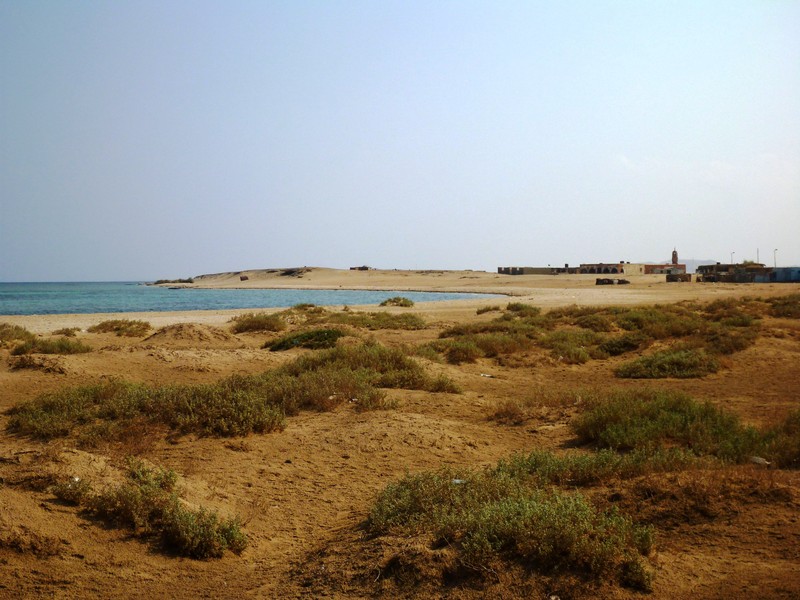
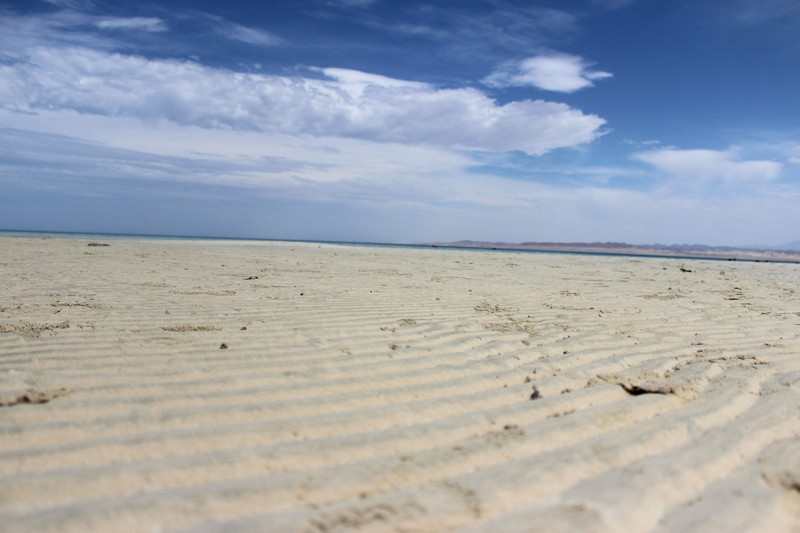
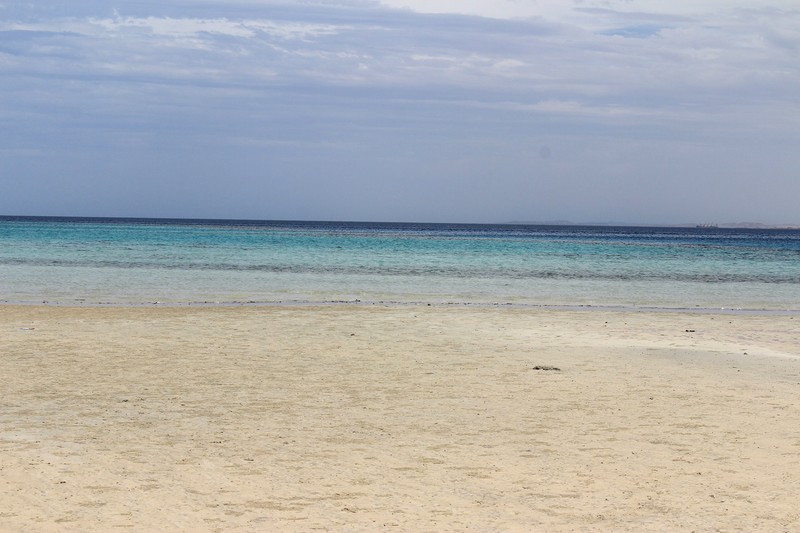
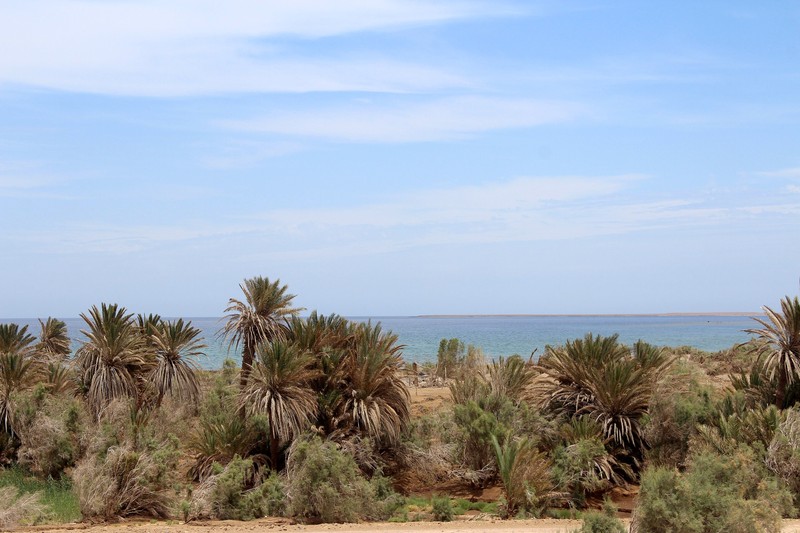
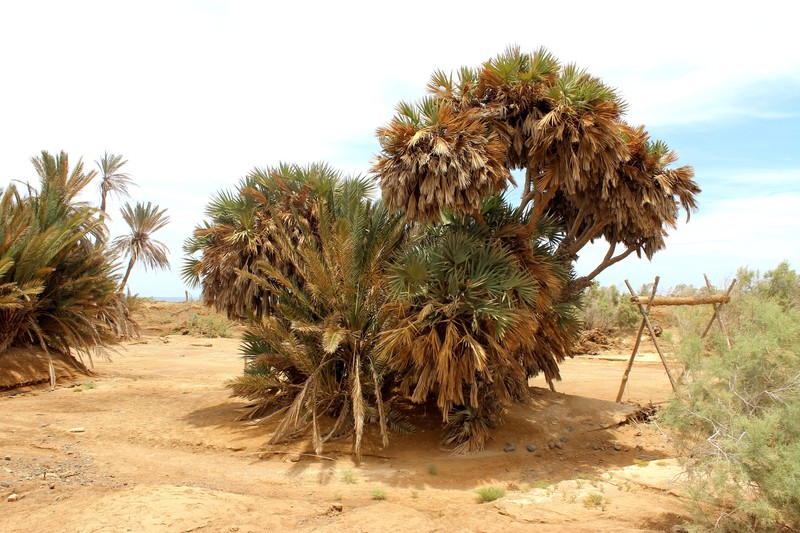
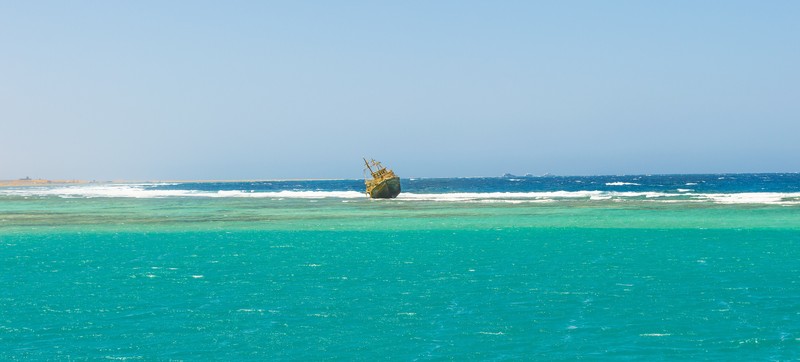
The landscape is not entirely lifeless. Acacia trees and other drought-resistant plants grow in sheltered valleys, while springs and seasonal drainage areas provide important habitats for wildlife. Along the coast, brown rocky hills contrast with pale sand and turquoise water.
Coral Reefs and Marine Life
The marine section of the park protects rich Red Sea ecosystems. Coastal coral reefs provide shelter for many species of fish, invertebrates and other marine organisms. Conservation materials for the region report hundreds of coral species and more than a thousand fish species. The variety of underwater landscapes makes the area attractive for scuba diving and snorkelling.
In some places, coral formations approach the shore; elsewhere, they form underwater gardens and complex structures full of hiding places for marine animals. Visitors usually explore the underwater world on organised boat trips or in permitted coastal areas. Visibility depends on wind, waves and the season.
Mangrove Forests and Qulaan Bay
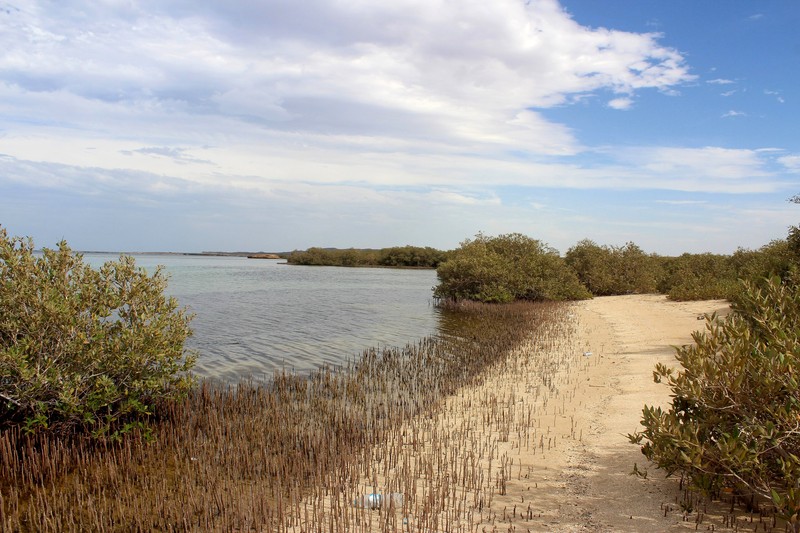
One of Wadi El Gemal’s most distinctive natural features is its mangrove vegetation. These salt-tolerant trees grow along the coast and form a specialised ecosystem between land and sea. Their roots trap sediment, help stabilise shorelines and provide shelter for young fish, crabs and other organisms.
Qulaan Bay is particularly well known for its mangroves, pale sand and clear water. The area attracts visitors seeking quiet scenery and plant life unusual for an arid coastline. Mangrove habitats are fragile, so visitors should not break branches, damage roots or leave rubbish behind.
Sea Turtles and Dugongs
Coastal seagrass beds in Wadi El Gemal are important for the conservation of rare marine animals. Seagrass provides food for green sea turtles and dugongs. Sandy beaches in the region are also used by turtles for nesting, making certain stretches of coastline especially sensitive.
The dugong is a large marine mammal that feeds mainly on seagrass. Seeing one in the wild is uncommon, and sightings cannot be guaranteed on a boat trip. If an animal appears nearby, keep your distance, do not chase it and never attempt to touch it.
Desert Wildlife and Rare Birds
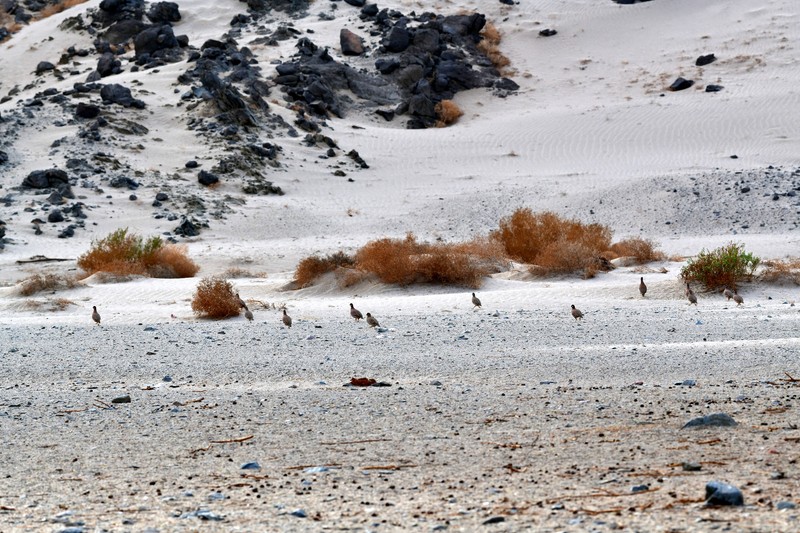
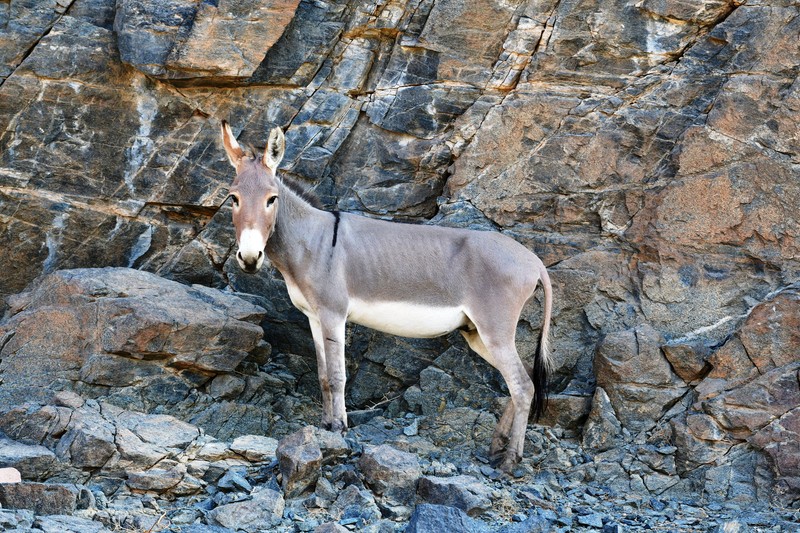
The park’s inland habitats support Dorcas gazelles and Nubian ibex, both adapted to dry conditions and rocky terrain. Other desert animals, including small mammals and reptiles, also live here. Wildlife sightings are not guaranteed because many species are active during cooler hours and avoid people.
The offshore islands are important nesting grounds for seabirds. Wadi El Gemal Island is known for its large sooty falcon colony. During the breeding season, visitors should stay away from nests and avoid making noise that could disturb the birds. The park is important not only for tourism but also for scientific research and biodiversity conservation.
Ancient Emerald Mines and Regional History
Wadi El Gemal is known for archaeological remains as well as its natural landscapes. The desert mountains contain evidence of ancient mineral extraction, including emeralds, gold and ornamental stones. One notable area is the ancient emerald-mining district associated with the name Mons Smaragdus, meaning “Emerald Mountains.”
Emeralds from this region were valued in antiquity, and local deposits were worked in different historical periods, including under the Roman Empire. Remains of settlements and mining activity can still be found near the mines. Routes through the region connected the Nile Valley with Red Sea ports and supported trade in goods from Arabia, Africa and India.
Ruins, old roads, water-collection sites and rock art depicting people and animals provide evidence of the past. Visitors must not remove archaeological objects, move stones or mark the rock surfaces.
The Ababda People and Cultural Heritage
The Wadi El Gemal region is home to members of the Ababda people, whose traditions are closely connected with the desert. Historically, many worked as herders, camel breeders and guides for caravans, relying on their knowledge of trails, water sources and the arid landscape.
Ababda cultural heritage is an important part of the region’s identity. Local guides may explain traditional ways of life, desert travel and adaptation to dry conditions. Always ask permission before photographing residents, and arrange visits to settlements through local guides.
What to See in the National Park
The main attractions of Wadi El Gemal combine natural scenery with historical sites. Along the coast, visitors can explore Qulaan Bay, mangroves, sandy beaches and coral reefs. Boat excursions may provide access to marine areas when permitted by park rules and weather conditions.
Further inland, mountain valleys, rocky formations, ancient mines and rock-art sites offer a different experience. Some routes require a four-wheel-drive vehicle, a guide and advance arrangements. Not every area is open for independent visits, so itineraries should respect current conservation restrictions.
Best Time to Visit Wadi El Gemal
The cooler months are generally more comfortable for exploring the desert because daytime heat is less intense. Summer temperatures can be very high, making careful planning, sun protection and plenty of drinking water essential. Snorkelling and diving are possible in different seasons, but actual conditions depend on wind, waves and underwater visibility.
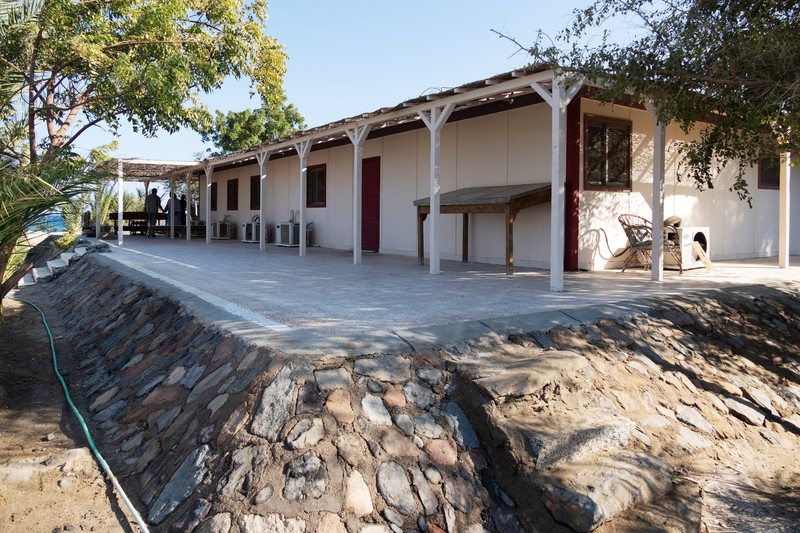
Before travelling, check the weather forecast, route access and whether a guide is required. Wildlife breeding seasons may affect access to certain areas. Camping and overnight stays inside the park can require special permission.
How to Get to the National Park
Marsa Alam, north of the protected area, is one of the main starting points for visiting Wadi El Gemal. Some coastal sites can be reached by road, while remote desert routes often require a four-wheel-drive vehicle and a local guide. Certain marine areas are accessible through organised boat excursions.
Travel time depends on the park entrance, the chosen site and road conditions. Before setting out, confirm the route with a tour operator or park authority and check entry requirements and fees. Remote desert travel without navigation, communications and sufficient water is not advisable.
Visitor Rules and Conservation
Wadi El Gemal is a protected natural area where ecosystem conservation takes priority. Visitors should take all rubbish with them, avoid damaging plants and corals, never feed wild animals and keep their distance from nesting birds. Vehicles must remain on authorised tracks and away from sensitive vegetation.
Do not collect minerals, corals or archaeological objects, carve into rocks or pollute water sources. Permits may be required for certain sites, camping and overnight stays. Following these rules helps preserve the desert, mangroves, coral reefs and cultural heritage of Wadi El Gemal for future generations.
Gallery