Marsa Alam – a Red Sea resort destination
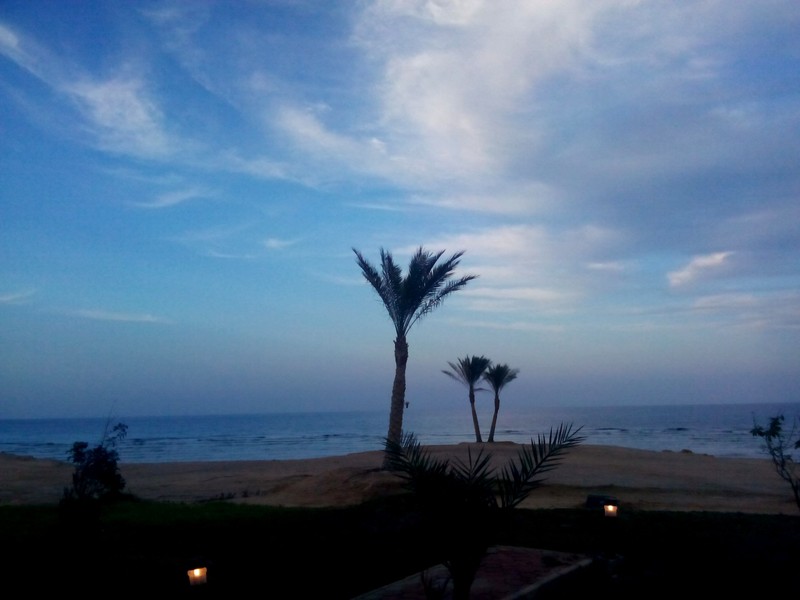
Marsa Alam is a coastal town and tourism region in southeastern Egypt, known for clear water, coral reefs, sandy bays and rich marine life. Visitors come for scuba diving, snorkelling, boat trips and a quieter holiday away from Egypt's busiest resort centres.
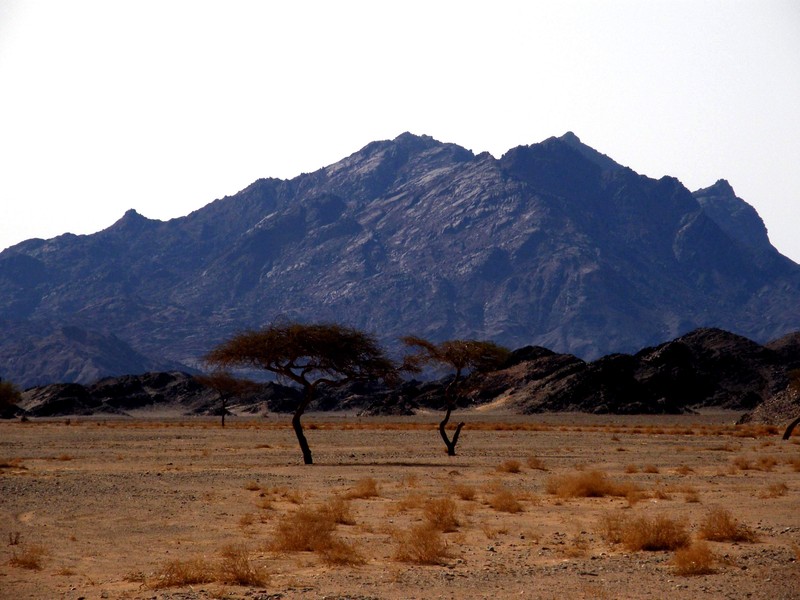
The region combines desert mountains, a long coastline, mangrove forests and protected marine habitats. It is particularly appealing to nature lovers hoping to see sea turtles, dolphins and, occasionally, dugongs in the wild.
Location and history
Marsa Alam lies on Egypt's eastern coast, south of Hurghada. The name is often used for the wider coastal resort region as well as the town itself, so hotels and attractions may be spread far apart. Visitors can fly to Marsa Alam International Airport or travel by road from Hurghada, a journey that takes several hours.
The area was once a small coastal settlement associated with fishing and local industries. Divers later discovered its rich reefs, and the development of hotels, dive centres and an airport helped turn it into an international holiday destination.
Beaches and bays
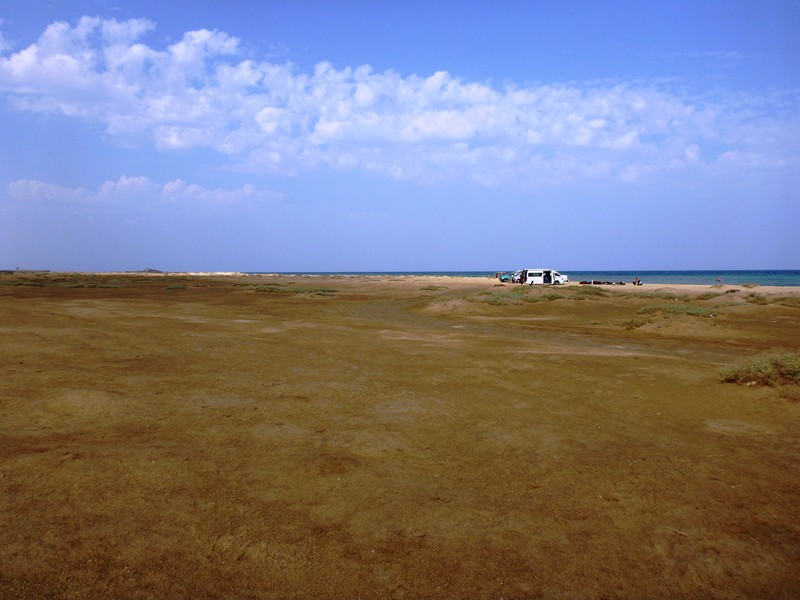
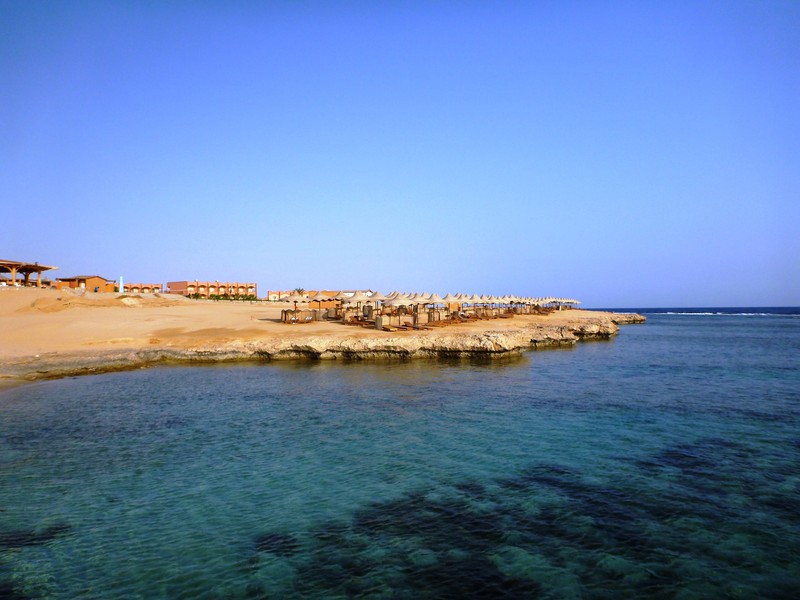
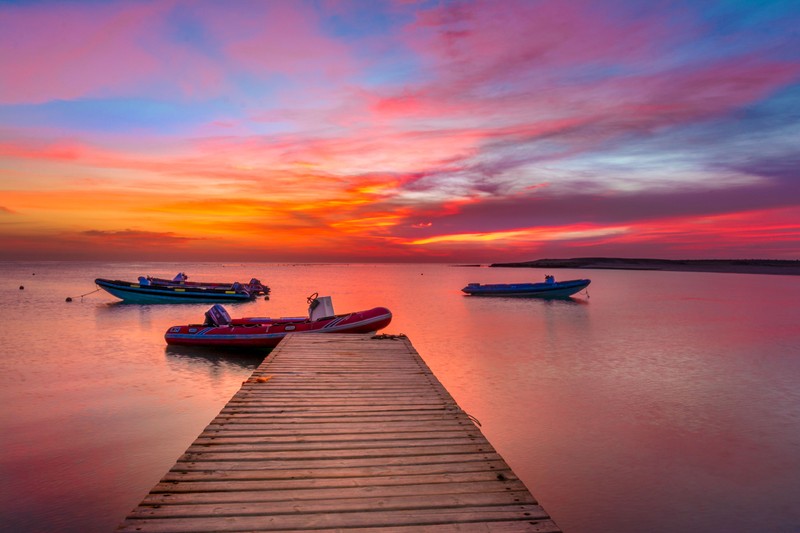
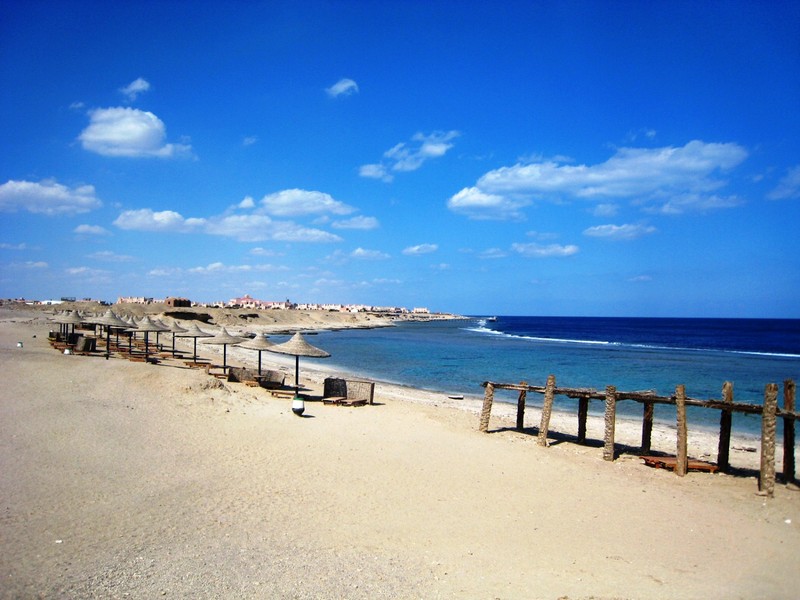
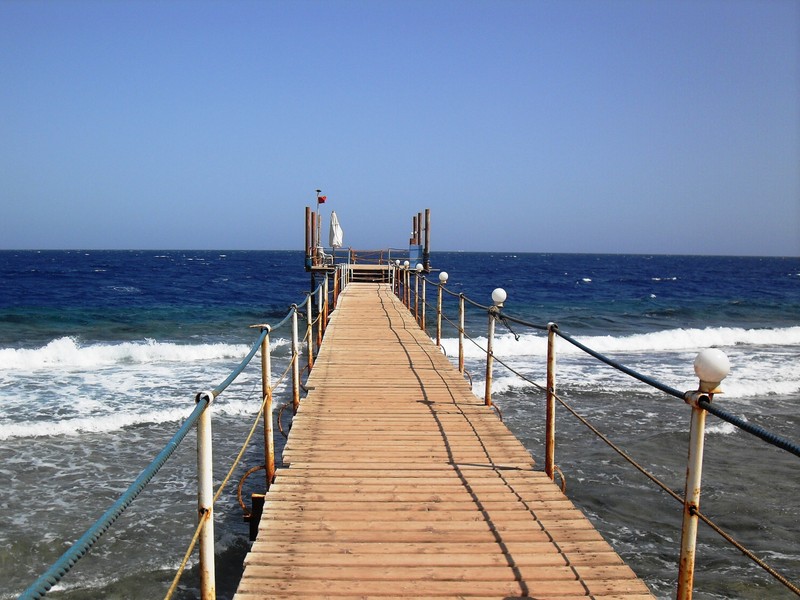
The coast includes sandy bays with gentle entries, beaches beside coral reefs and remote stretches with limited facilities. Abu Dabbab and Sharm El Luli are among the best-known locations. Some beaches allow entry from the sand, while other reef areas are accessed by jetty to protect shallow coral formations.
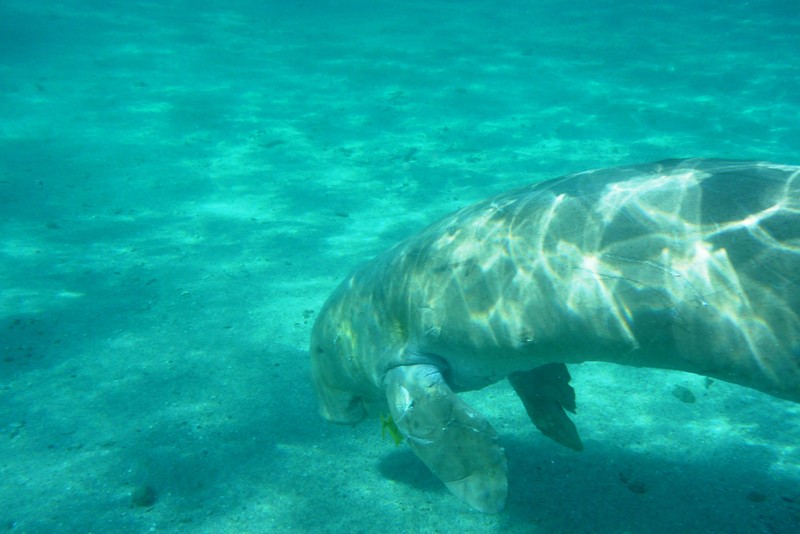
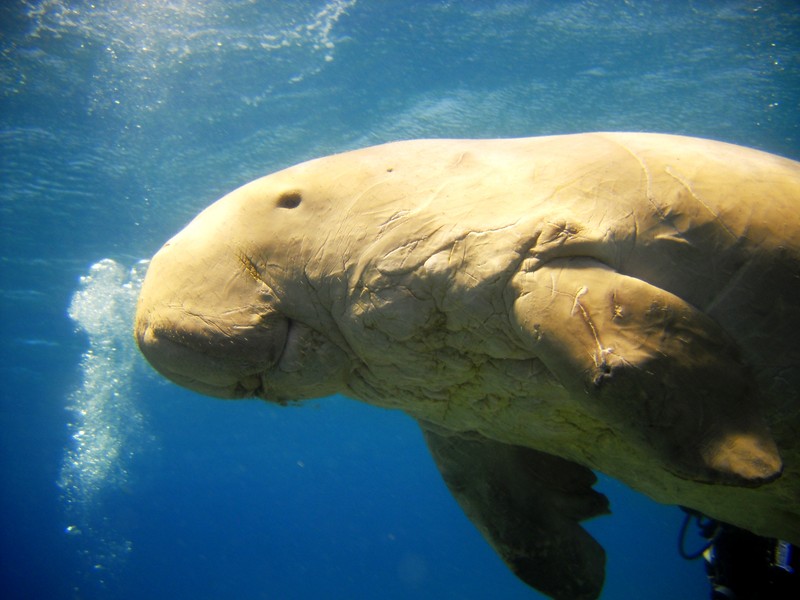
Abu Dabbab is known for green sea turtles and the possibility of spotting dugongs feeding on seagrass. Sightings are never guaranteed. Sharm El Luli attracts visitors with pale sand, clear turquoise water and a natural setting. Check access rules before visiting protected areas.
Diving and marine wildlife
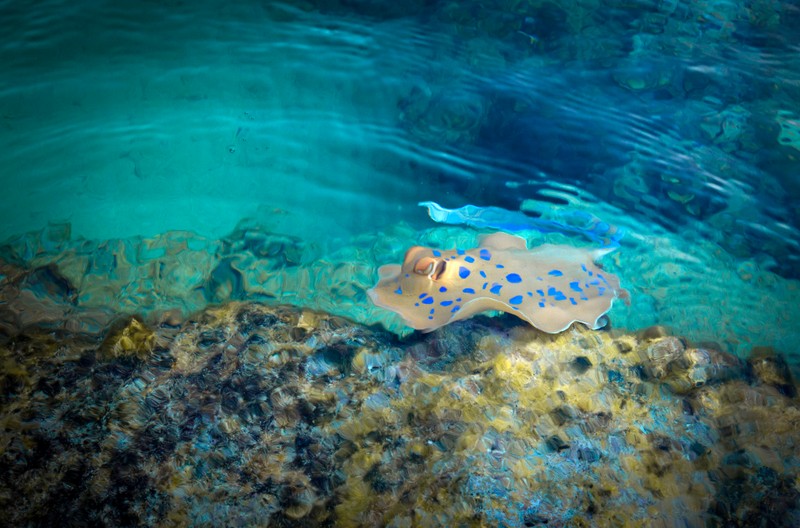
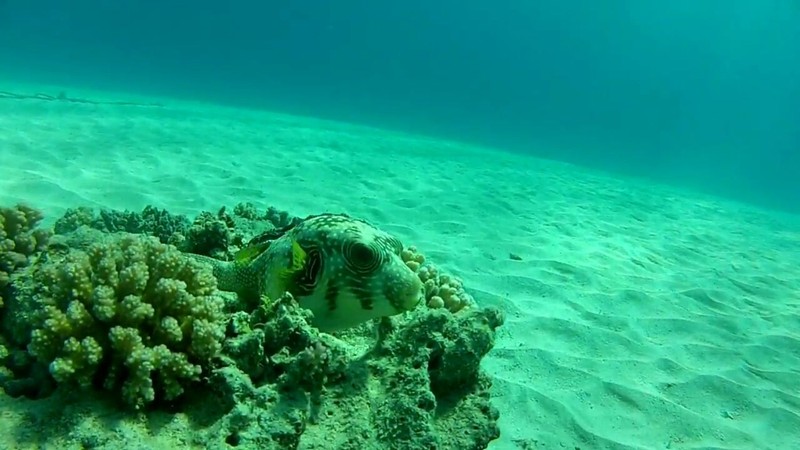
Marsa Alam is famous for coral reefs and diverse marine life. Experienced divers visit Elphinstone Reef for its steep underwater walls and deep-water scenery. Currents can be strong, so dives require suitable experience and a professional operator.
Sheltered bays and nearshore reefs are better suited to many snorkellers. Boat trips to Sataya Reef offer opportunities to observe spinner dolphins in their natural habitat. Visitors should never chase or touch wildlife or damage coral. All water activities should be planned around sea conditions and personal ability.
Wadi El Gemal National Park
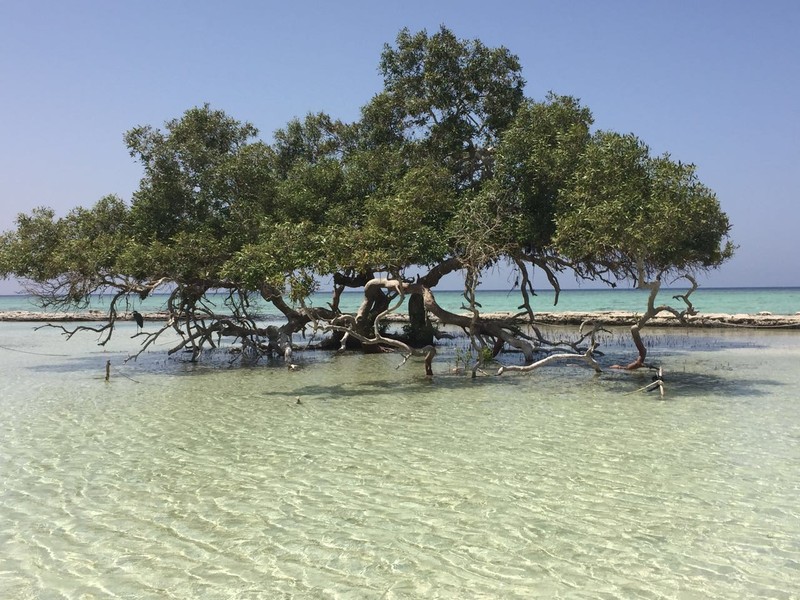
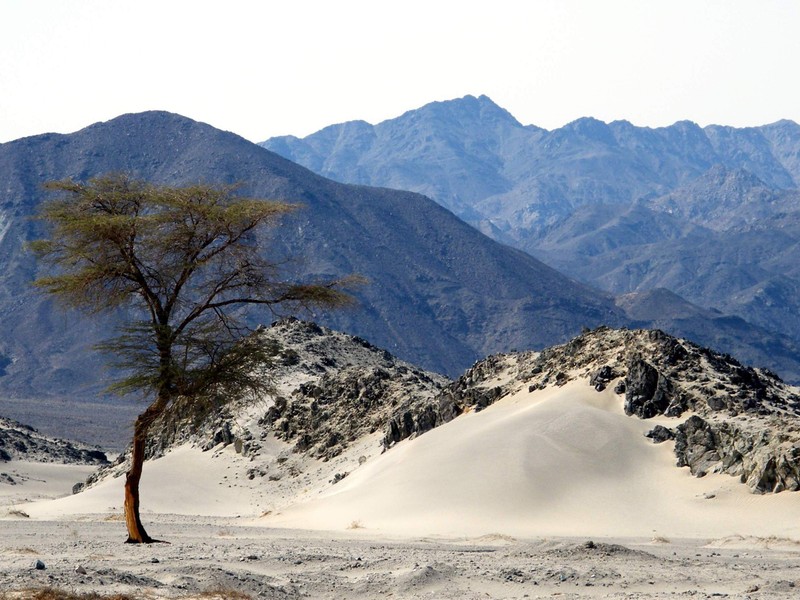
Wadi El Gemal is a large protected area south of Marsa Alam. It includes desert valleys, mountains, islands, mangroves, seagrass beds and coral reefs. The park showcases the natural diversity of eastern Egypt and also contains traces of ancient emerald mining.
The area supports a variety of birds and desert wildlife. For remote sites, it is best to arrange a trip with a licensed guide and follow conservation rules. The Qulaan area is known for mangroves, shallow lagoons and striking coastal scenery.
Port Ghalib
Port Ghalib is a modern resort district with a yacht marina, hotels, restaurants, shops and waterfront promenades. Located close to the airport, it is convenient for visitors who want developed facilities and a short transfer. Boat excursions and diving safaris also depart from the marina.
Best time to visit
Marsa Alam has a hot, arid climate with many sunny days. Spring and autumn are often comfortable for beaches, snorkelling and excursions. Summer can be extremely hot, while winter winds may affect beach conditions and boat trips. Always check the forecast before water activities.
Getting there and who should visit
Flying to Marsa Alam International Airport and arranging a transfer is usually the easiest option. Travel time depends on the location of the hotel. Another possibility is to fly to Hurghada and continue by road for several hours.
Marsa Alam is especially suited to divers, snorkellers, wildlife photographers and travellers interested in marine animals. Its main attractions are coral reefs, protected natural areas and a relatively relaxed atmosphere. Visitors should respect the marine environment and observe wildlife without disturbing it.
Gallery