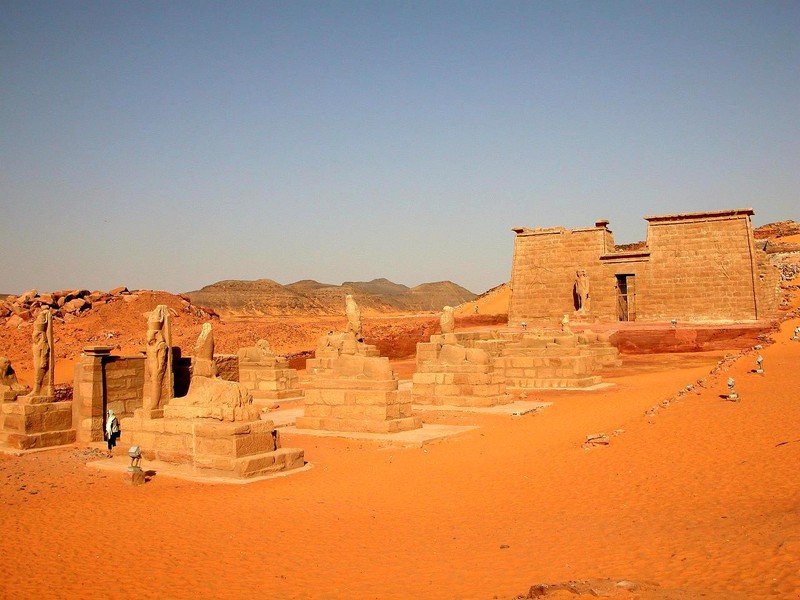
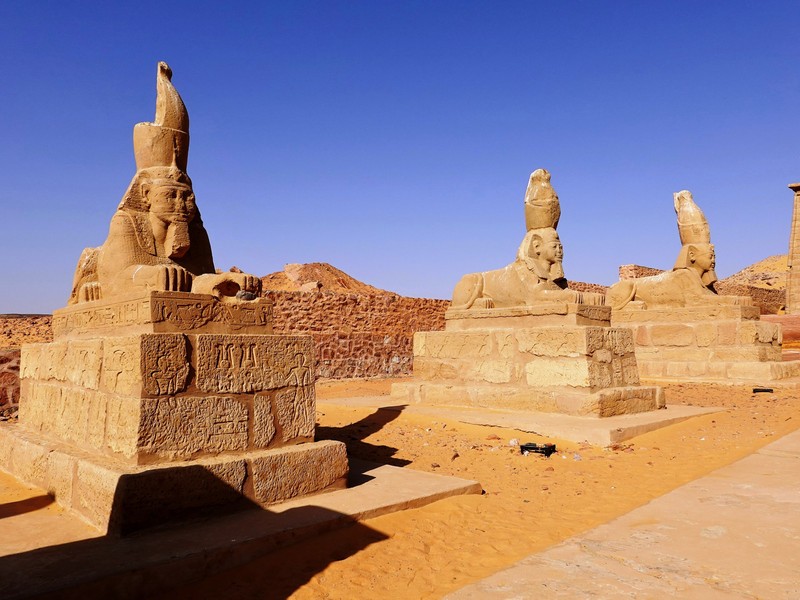
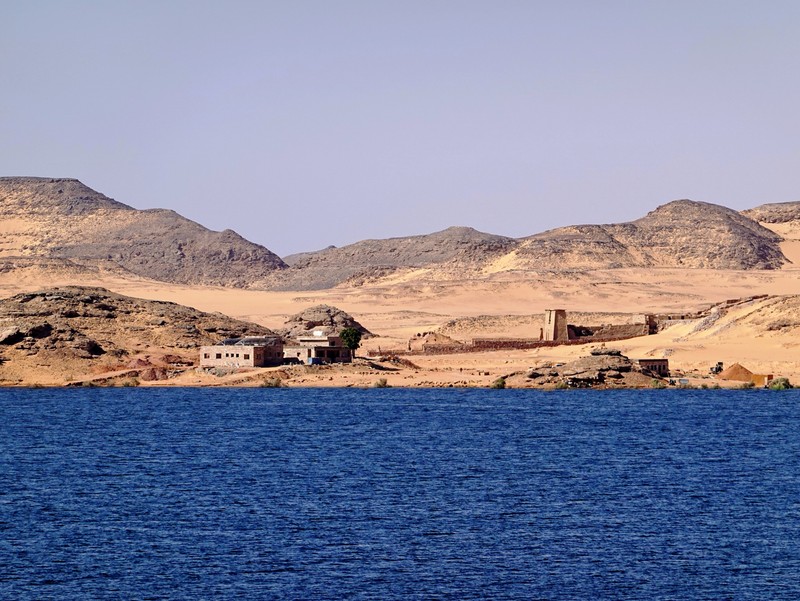
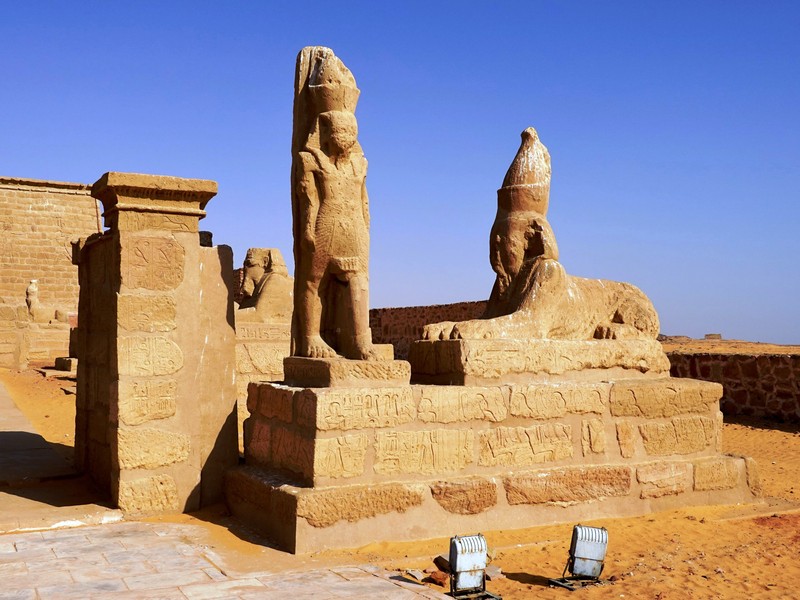
The Temple of Wadi es-Sebua is an ancient Egyptian temple complex in historic Nubia in southern Egypt, on the western shore of Lake Nasser. It was commissioned by Pharaoh Ramesses II in the 13th century BCE and dedicated to Amun-Ra and Ra-Horakhty. The monument is known for its monumental entrance, avenue of sphinxes, relief-decorated courtyards and sanctuary partly cut into the rock. The Arabic name Wadi es-Sebua means “Valley of the Lions” and refers to the sculptures that once lined the approach to the temple.
History of the temple
The temple was built during the reign of Ramesses II, one of the best-known rulers of Egypt’s Nineteenth Dynasty. During this period, Egyptian kings constructed numerous sanctuaries in Nubia, a region of strategic importance because of its trade routes, natural resources and position south of Egypt’s main centres.
Temple building in Nubia served religious purposes as well as political ones. Monumental architecture demonstrated royal power, spread Egyptian religious traditions and reinforced the connection between Nubia and the Egyptian state. An earlier temple built under Amenhotep III stood nearby, approximately a century and a half before the construction of the larger Ramesside sanctuary.
The avenue of sphinxes and architecture
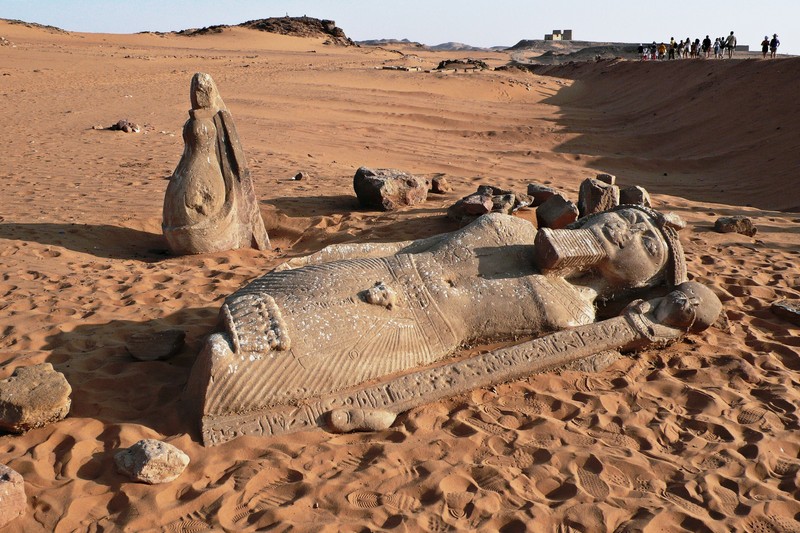
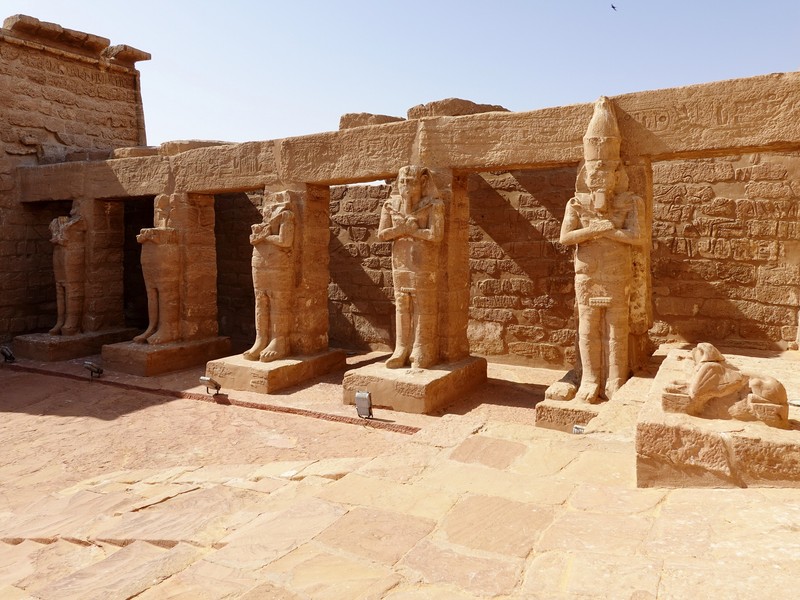
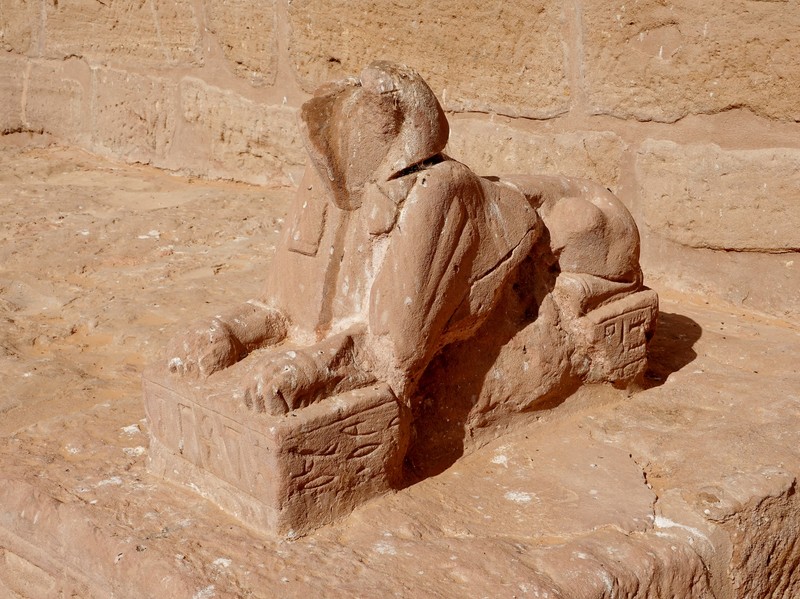
The name “Valley of the Lions” refers to the stone sphinxes that formed a ceremonial approach to the sanctuary. The bases of some sculptures feature captives and representatives of foreign peoples. Such scenes formed part of royal ideology, symbolising the pharaoh’s victory over his enemies and his role in maintaining the divinely established order.
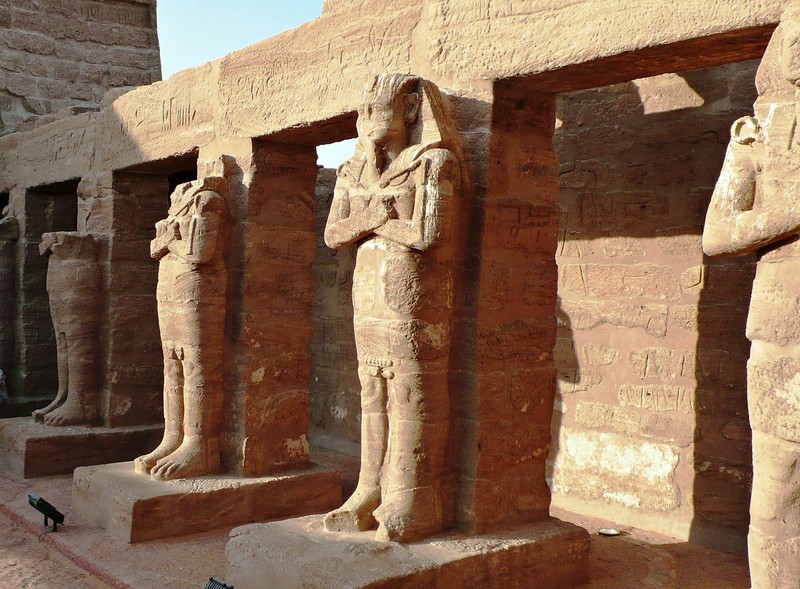
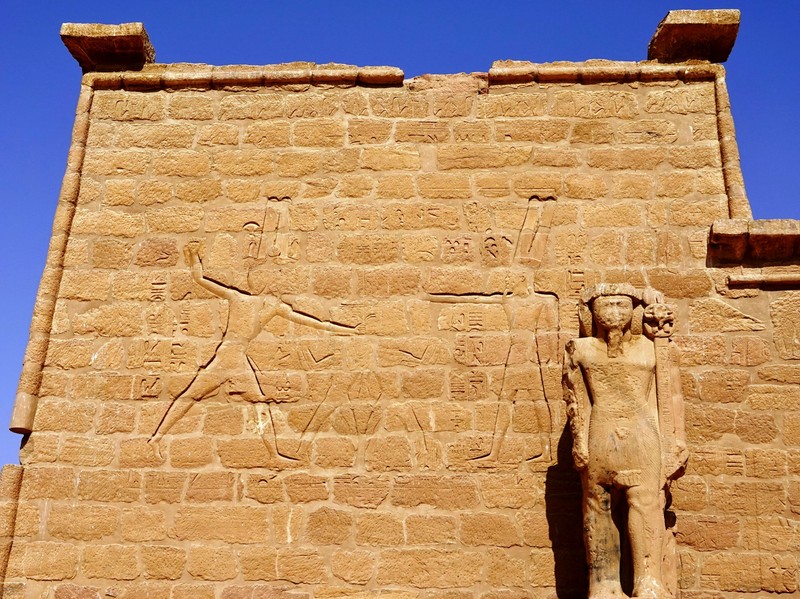
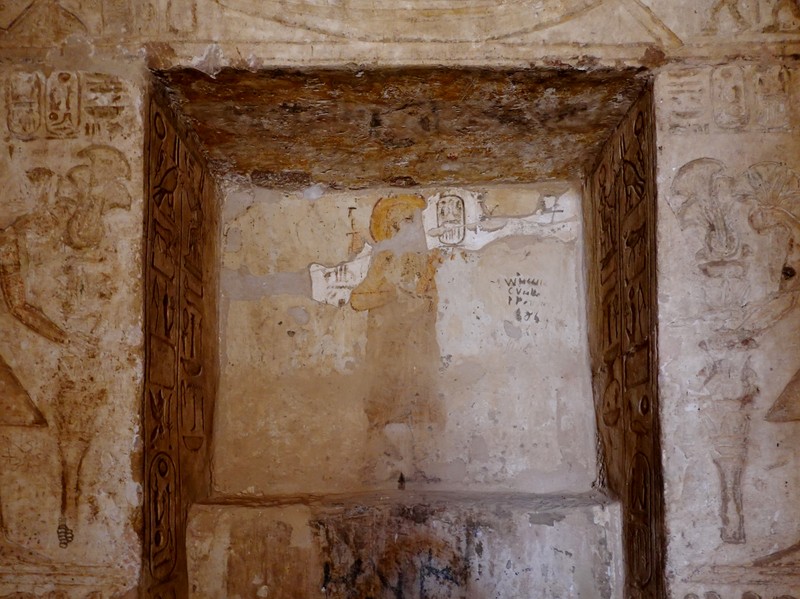
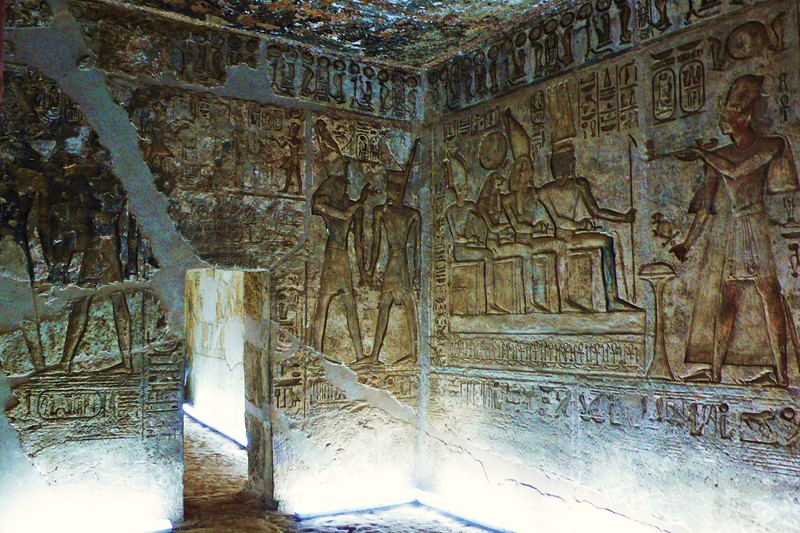
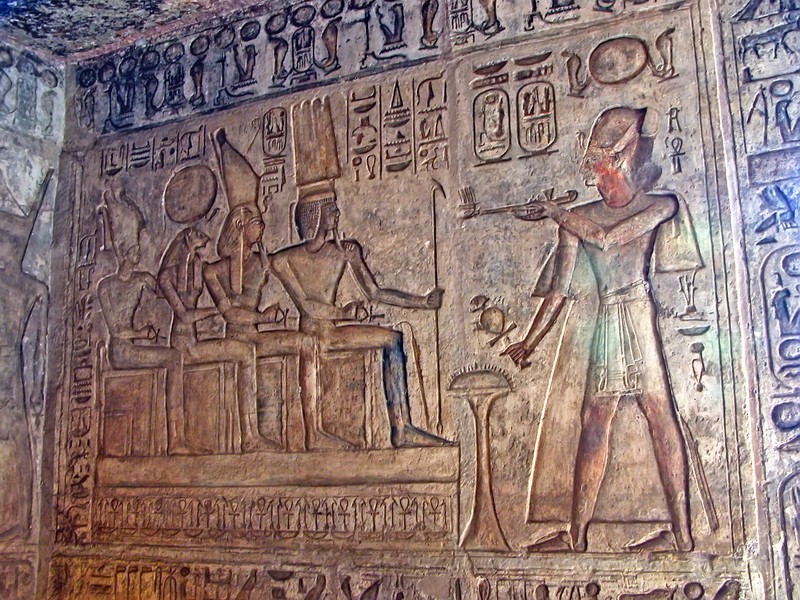
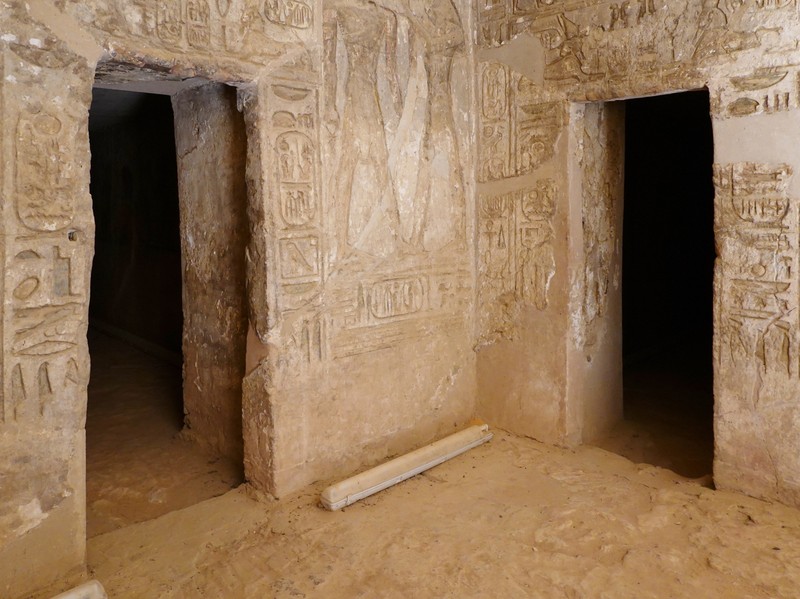
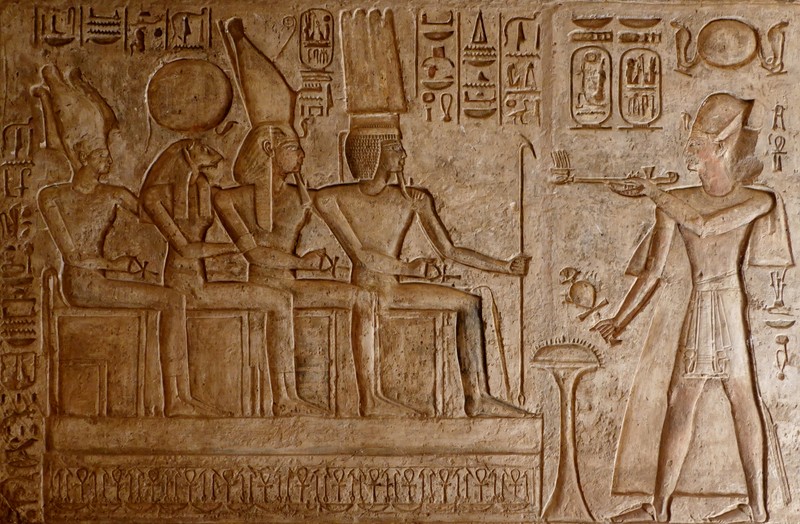
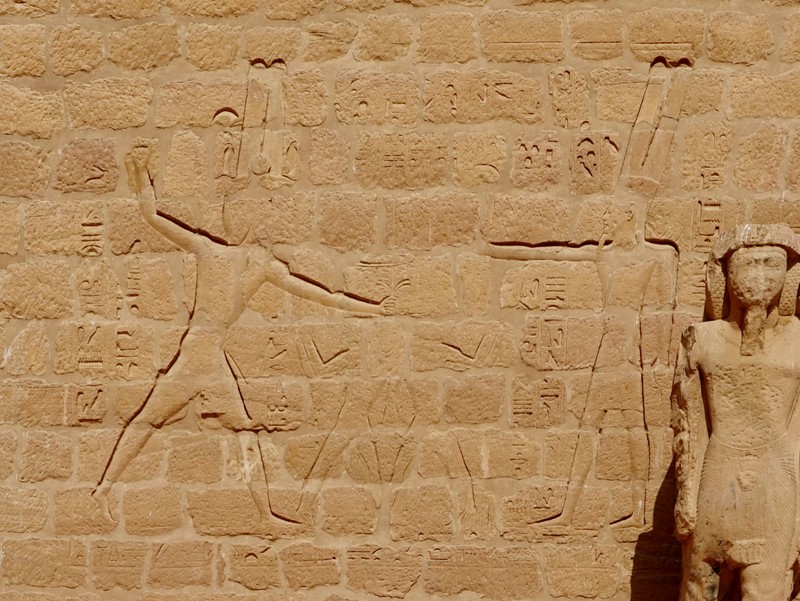
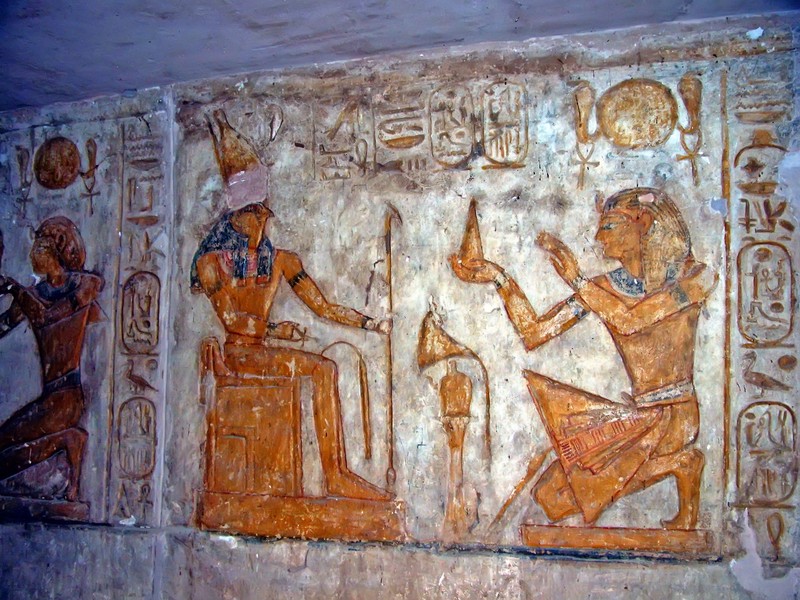
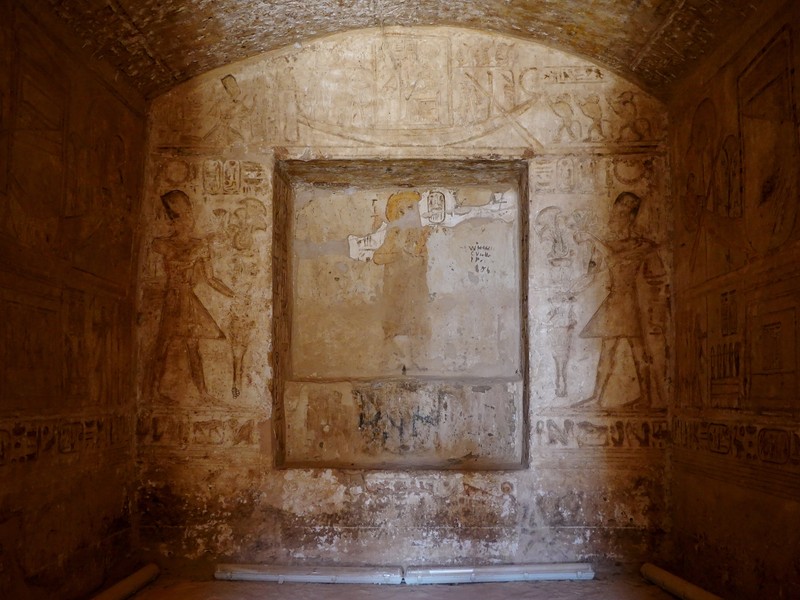
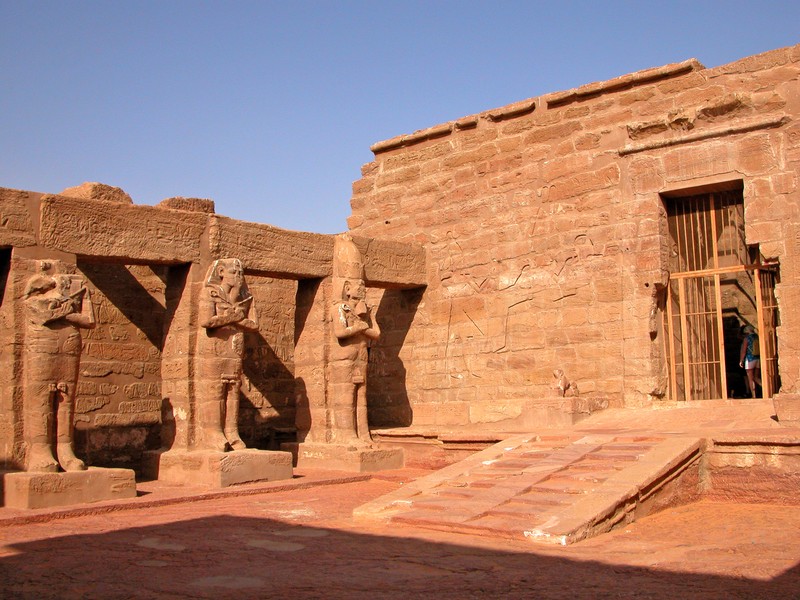
The temple combines structures built from stone blocks with chambers cut into the rock. Courtyards and entrance buildings led visitors towards the more restricted inner rooms and sanctuary. Reliefs and hieroglyphic inscriptions decorated the walls, depicting religious ceremonies, offerings to the gods and royal rituals. Ramesses II appears as a ruler who maintained the connection between humanity and the divine order.
Amun-Ra and Ra-Horakhty
The sanctuary was dedicated to Amun-Ra and Ra-Horakhty. Amun-Ra combined aspects of Amun, especially revered at Thebes, with the solar god Ra. During the New Kingdom, he became one of Egypt’s principal deities, and his cult reinforced the belief that royal authority had a divine origin.
Ra-Horakhty represented the sun god associated with the heavenly horizon and the sun’s daily renewal. Worship of these deities in Nubia reflected the region’s integration into Egypt’s religious system. Architecture, ritual scenes and royal images formed a unified programme honouring the gods and the pharaoh.
Relocation and the rescue of Nubian monuments
During the 20th century, the temple was threatened by flooding caused by the construction of the Aswan High Dam and the formation of Lake Nasser. An international campaign supported by UNESCO sought to rescue Nubia’s archaeological heritage between 1960 and 1980. The temple was dismantled into blocks, moved to a new location and reconstructed.
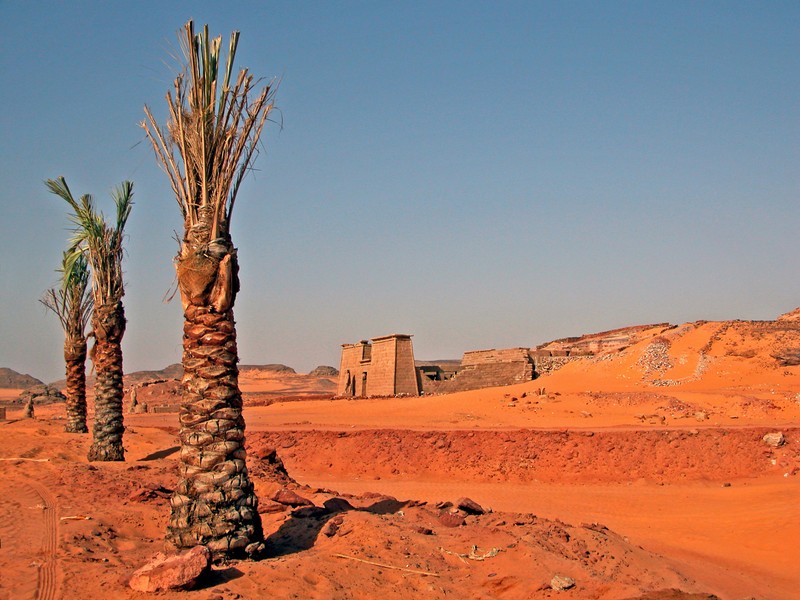
The modern site of New Wadi es-Sebua lies about four kilometres northwest of the original location. It also contains the Temple of Dakka, dedicated to Thoth, and the Roman-period temple of al-Maharraqa, associated with the worship of Isis and Serapis. In 1979, the Nubian monuments were inscribed on the UNESCO World Heritage List as part of the property “Nubian Monuments from Abu Simbel to Philae.”
What to see and how to visit
Visitors should look for the avenue of sphinxes, monumental entrance, courtyards and inner chambers. The reliefs depicting Ramesses II, the gods and ritual offerings are particularly noteworthy. The complex stands amid desert landscapes beside Lake Nasser, emphasising the remote setting of this ancient sanctuary.
The site lies approximately 150 km south of Aswan. Visits are usually arranged as part of excursions through southern Nubia or trips on Lake Nasser. Because of its remote location and limited transport infrastructure, it is advisable to confirm routes, transport options and access arrangements in advance.
Gallery