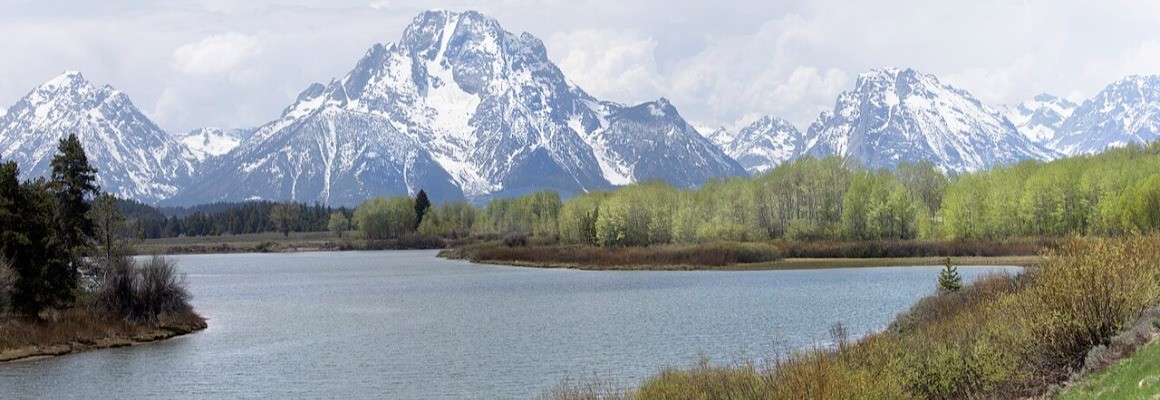
Yellowstone National Park is the world’s first national park, established on March 1, 1872. It lies mainly in northwestern Wyoming, with smaller portions extending into Montana and Idaho. Yellowstone is famous for its geysers, hot springs, colorful mineral pools, deep canyons, waterfalls, mountain lakes, and abundant wildlife.
The park covers approximately 8,991 square kilometers. Its landscape includes forests, meadows, mountains, rivers, and volcanic plateaus. Visitors may see bison, elk, grizzly bears, wolves, deer, and many bird species. Yellowstone’s defining feature is an active volcanic system beneath the surface, supplying heat to underground water and sustaining thousands of hydrothermal features.
The Yellowstone Caldera and its ancient volcano
Yellowstone lies above a large volcanic system. Powerful eruptions took place here in the distant geological past. Following one of the largest eruptions about 631,000 years ago, the central area collapsed and formed a caldera, a broad volcanic depression measuring roughly 72 by 48 kilometers.
Underground heat still shapes the park. It warms water circulating through cracks in the rocks, dissolves minerals, and releases water and steam through hot springs, geysers, mud pots, and fumaroles. Geological processes remain active, and small earthquakes occur regularly.
Volcanic activity does not mean that a catastrophic eruption is expected imminently. Scientists monitor earthquakes, ground deformation, and changes in hydrothermal systems. Visitors should follow official guidance rather than interpreting an individual natural event as proof of an approaching eruption.
Yellowstone’s geysers
Yellowstone contains the largest concentration of active geysers in the world. The park has more than 500 active geysers and over 10,000 hydrothermal features overall. Unlike ordinary hot springs, geysers periodically erupt, sending hot water and steam into the air. This occurs when underground water heats up, pressure builds, and expanding steam pushes water through narrow passages.
The park’s most famous geyser is Old Faithful. It became a symbol of Yellowstone because its eruptions are relatively regular. Its water column usually reaches several dozen meters, although the height and duration of individual eruptions vary. The next eruption can be estimated from observations, but an exact schedule is not guaranteed.
Castle, Grand, and Steamboat geysers are also remarkable. Castle has a large mineral cone resembling a tower. Grand can send water high above the surrounding trees. Steamboat is known as the world’s tallest active geyser, but its major eruptions are irregular and may be separated by long intervals.
Upper Geyser Basin
Upper Geyser Basin is one of the park’s most popular areas. Numerous geysers, hot springs, and mineral deposits are concentrated within a relatively small area. Boardwalks and designated trails allow visitors to move more safely through this hydrothermal landscape and observe its features at close range.
In addition to Old Faithful, the area includes Morning Glory Pool and other brightly colored springs. Their colors depend on temperature, water chemistry, and microorganisms living in different parts of the pools. Shades can range from blue and turquoise to yellow, orange, and brown.
Allow several hours to explore Upper Geyser Basin, particularly if you hope to see several eruptions. A park map and current information from the National Park Service can help you plan the route.
Grand Prismatic Spring
Grand Prismatic Spring is one of Yellowstone’s most recognizable natural landmarks. This enormous hot spring has a vivid blue center surrounded by rings of yellow, orange, and reddish color. The colors come from heat-loving microorganisms that form communities around the edges of the pool. The central water is too hot for most of these organisms to thrive.
The spring is especially striking in sunny weather, when its colors appear more vivid. Steam often rises from the surface on cool days. Boardwalks and designated viewing areas provide access, and a trail leads to an elevated viewpoint where the overall shape of the spring can be seen.
Visitors must stay on designated paths and must not touch the water or throw objects into it. Hydrothermal water can cause severe burns, and the thin crust around a spring may collapse under a person’s weight.
Mammoth Hot Springs
Mammoth Hot Springs is known for its unusual travertine terraces. Hot water rises from underground, carries dissolved minerals, and gradually deposits calcium carbonate at the surface. Over time, these deposits form steps, basins, and cascades that resemble frozen waterfalls.
The terraces change as water finds new routes and stops flowing along old ones. Some sections may appear white and dry, while others remain wet, shiny, and colored by minerals or microorganisms. Mammoth Hot Springs illustrates how geological processes can gradually reshape a natural landscape.
The Mammoth area also contains historic buildings associated with the park’s development. Elk sometimes appear near developed areas, but visitors must never feed them or approach them for photographs.
Norris Geyser Basin
Norris Geyser Basin is considered one of Yellowstone’s hottest and most dynamic hydrothermal areas. It contains boiling springs, mud pots, fumaroles, and geysers with changing activity. Water, steam, and mineral deposits create a landscape that continually changes under the influence of heat and chemical processes.
Steamboat Geyser is particularly famous because its major eruptions can send water and steam to considerable heights. Its behavior is unpredictable, and long quiet periods may occur between major eruptions. Visiting Norris provides a glimpse of Yellowstone’s geothermal system in a rugged setting.
Grand Canyon of the Yellowstone and its waterfalls
The Grand Canyon of the Yellowstone was carved by the Yellowstone River. Its walls display shades of yellow, ochre, orange, and brown. The best-known waterfalls are the Upper and Lower Falls of the Yellowstone River. The Lower Falls drops approximately 94 meters and is one of the region’s most impressive waterfalls.
The powerful river rushes between steep canyon walls, creating dramatic views, mist, and a constant roar. Scenic overlooks and hiking trails along the canyon offer different perspectives of the waterfalls and colorful rock formations.
Some paths are steep and require caution, especially after rain or when ice is present. Never cross barriers or approach cliff edges for a photograph.
Yellowstone Lake
Yellowstone Lake is one of the largest high-elevation lakes in North America. It lies at approximately 2,357 meters above sea level, covers about 341 square kilometers, and has a shoreline roughly 227 kilometers long. Forests, mountains, and open areas surround the lake, and on clear days the water reflects the sky and nearby peaks.
The water remains cold even in summer, and weather along the shore can change quickly. Visitors can watch waterbirds, walk along the shoreline, photograph the scenery, and enjoy permitted outdoor activities. Boat trips and fishing are available in certain areas under current regulations.
The lake is important to the regional ecosystem. Its waters and tributaries support fish and other aquatic organisms, but the system is vulnerable to pollution, invasive species, and changes in water temperature.
Wildlife: bison, bears, and wolves
Yellowstone is one of the best places in the United States to observe large wild animals in their natural habitat. The park is home to bison, elk, deer, pronghorn, bighorn sheep, wolves, black bears, and grizzly bears. Beavers, otters, coyotes, foxes, marmots, and many smaller mammals also live here.
Bison are among Yellowstone’s most recognizable animals. They graze in open meadows and valleys and often move in search of food during winter. Despite their heavy appearance, bison can run quickly and may become aggressive when people approach too closely. Never surround, chase, or approach them for a photograph.
Wolves play an important ecological role by influencing the numbers and behavior of hoofed animals. Since wolves were returned to the park in the 1990s, researchers have studied changes in relationships among predators, herbivores, and the environment. These processes are complex and depend on many factors.
Grizzly and black bears are also essential parts of Yellowstone’s wildlife. Visitors should store food properly, never leave food waste behind, and report dangerous animal behavior to park staff. Even an animal that appears calm remains wild.
Forests, meadows, and vegetation
About 80 percent of the park is forested, and lodgepole pine makes up a large share of the forest. Between the forests are mountain meadows, sagebrush steppe, wetlands, and river valleys. Different elevations support plant communities adapted to local soils and climate.
In spring and summer, wildflowers cover many meadows, while bison and other herbivores graze in open areas. Birds and small mammals live in the forests, and waterbirds and signs of beavers can be found near water. Wildfire is also a natural part of the ecosystem: it helps renew forests, creates space for young plants, and changes wildlife habitat.
History and Indigenous peoples
People have visited the Yellowstone region for at least 11,000 years, and some evidence of human presence may be older. For many Indigenous peoples, the area has long held cultural, spiritual, and practical significance. Dozens of tribal communities have connections to the park, and their ancestors hunted, gathered plants, traveled through valleys, and used local resources.
During the nineteenth century, the region became widely known in the United States through exploration expeditions and accounts of its unusual natural features. On March 1, 1872, Yellowstone became a national park. This was a landmark in conservation history: the area was set aside to protect its natural wonders and allow public enjoyment, and the national park idea later spread around the world.
The park’s history includes both conservation achievements and complex relationships between government institutions and Indigenous peoples. Modern management increasingly recognizes tribal cultural connections to the land and the importance of protecting archaeological and historic resources.
When to visit Yellowstone
Summer is the most popular season because many roads, hotels, campgrounds, and visitor attractions are accessible. June, July, and August are suitable for longer walks, wildlife watching, and visits to the main hydrothermal areas. However, crowds are largest during this period, and traffic jams can occur near famous landmarks.
Spring offers opportunities to observe the return of wildlife and young animals, but some roads and trails may remain closed because of snow or seasonal conditions. Autumn is generally quieter, and forests and meadows take on golden colors. Elk are active during the rut, so visitors should keep a safe distance.
In winter, snow covers the park and many roads close to ordinary automobile traffic. Depending on regulations and seasonal conditions, some areas can be reached by snowmobile, specialized tour vehicles, or skis. Winter travel requires warm clothing and careful checking of route access.
Routes and trip planning
Yellowstone is so large that several days are recommended for visiting its main attractions. The hydrothermal areas, Grand Canyon of the Yellowstone, lake, and wildlife valleys are separated by considerable distances. Driving times can increase because of traffic, roadwork, weather, or animals crossing the road.
First-time visitors often choose Old Faithful and Upper Geyser Basin, Grand Prismatic Spring, Mammoth Hot Springs, the Grand Canyon of the Yellowstone, and the lake area. With more time, explore Norris Geyser Basin and less crowded sections of the park. Check which roads and facilities are open during your chosen season.
The park has hotels, campgrounds, visitor centers, and designated picnic areas. Lodging and campsites may book up well in advance during peak season. Since mobile phone service is not available everywhere, download maps and save route information before entering remote areas.
Safety and conservation
The most important rule in hydrothermal areas is to remain on boardwalks and designated trails. Boiling water and hot mud may lie beneath a thin crust of ground, and falling into a spring can cause fatal burns. Never touch the water, leave the trails, or approach a geyser for a photograph.
When observing wildlife, maintain the required distance, never feed animals, and do not block their path. Carry water, appropriate clothing and footwear, account for temperature changes, and check the forecast. Weather can change suddenly even in summer.
To protect Yellowstone’s unique environment, do not leave litter, damage plants, collect minerals, or disturb animals. Follow local restrictions, respect Indigenous cultural heritage, and obey instructions from park staff.
Yellowstone National Park brings together an active volcanic system, the world’s largest concentration of geysers, colorful hot springs, deep canyons, mountain lakes, and diverse wildlife. It is not simply a collection of beautiful landscapes but a complex natural system in which geology, water, climate, plants, and animals are closely connected. This makes Yellowstone one of the planet’s most important natural areas and a place worth exploring carefully and responsibly.
Gallery