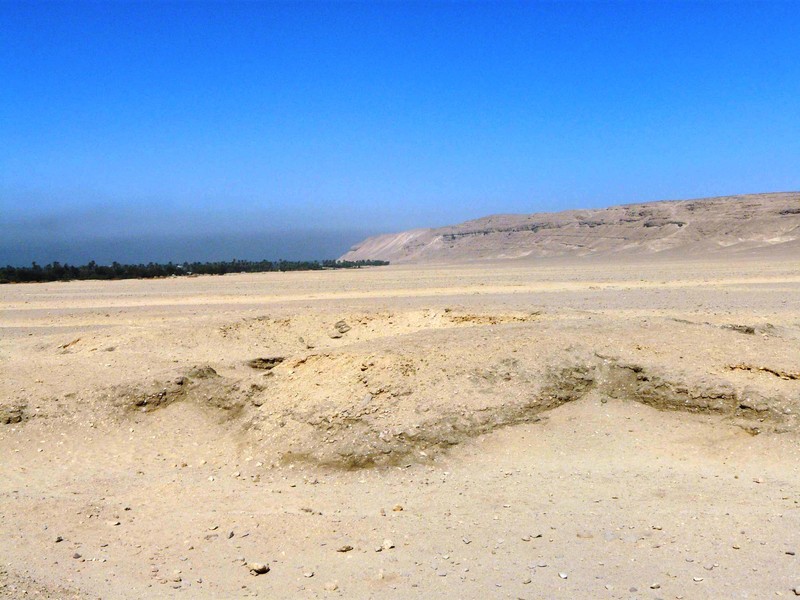
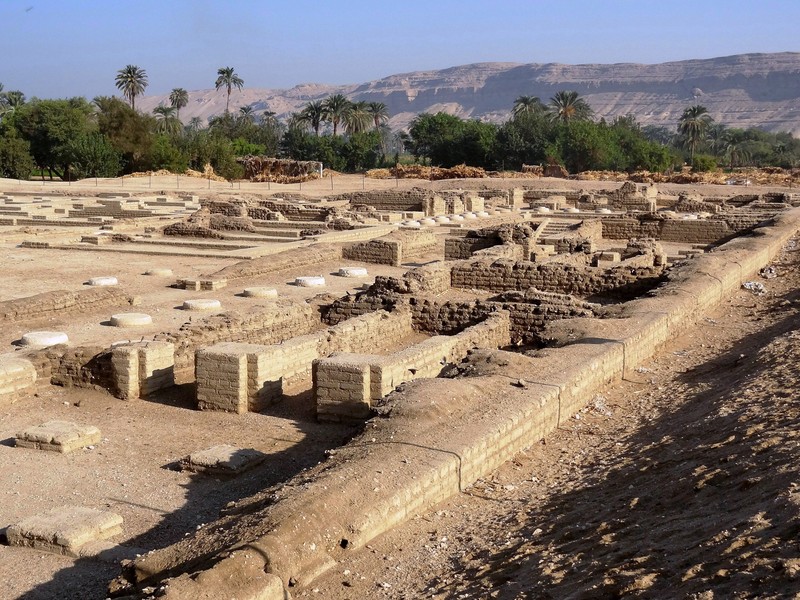
Amarna is an archaeological site in central Egypt on the eastern bank of the Nile, where the remains of the ancient city of Akhetaten can be found. Pharaoh Akhenaten founded the city in the 14th century BCE as a new capital and centre for religious change. Although it existed for a relatively short time, Amarna preserves exceptional evidence of ancient Egyptian art, diplomacy, daily life and beliefs.
Founding Akhetaten
Before Amarna was established, royal power was closely associated with Thebes, one of Egypt’s major religious centres. Pharaoh Amenhotep IV, who later took the name Akhenaten, introduced sweeping religious changes. Around the sixth year of his reign, he founded a new capital at a site he claimed had not previously been dedicated to other gods. Akhetaten is commonly translated as “Horizon of the Aten.”
Akhenaten’s Religious Reform
The city’s defining feature was the worship of the Aten, the solar disk, which received an exclusive position in the official cult. Akhenaten restricted traditional religious practices, especially those associated with Amun. His reform is sometimes described as an early form of monotheism, although its precise interpretation remains debated. After his death, traditional cults gradually regained their importance.
Akhenaten, Nefertiti and Tutankhamun
Amarna’s history is closely connected with Akhenaten and Queen Nefertiti, who played a prominent role in royal imagery and the religious life of the capital. Amarna art often depicts the royal family in intimate domestic scenes. Tutankhamun is also associated with the city and is thought to have spent part of his childhood there or nearby. After the religious restoration began, he changed his original name, Tutankhaten, to Tutankhamun.
Palaces, Temples and Urban Life
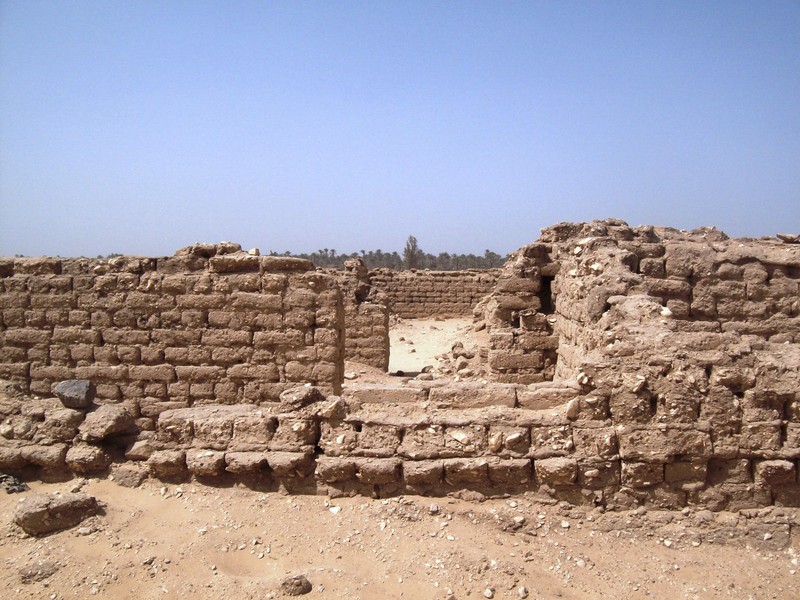
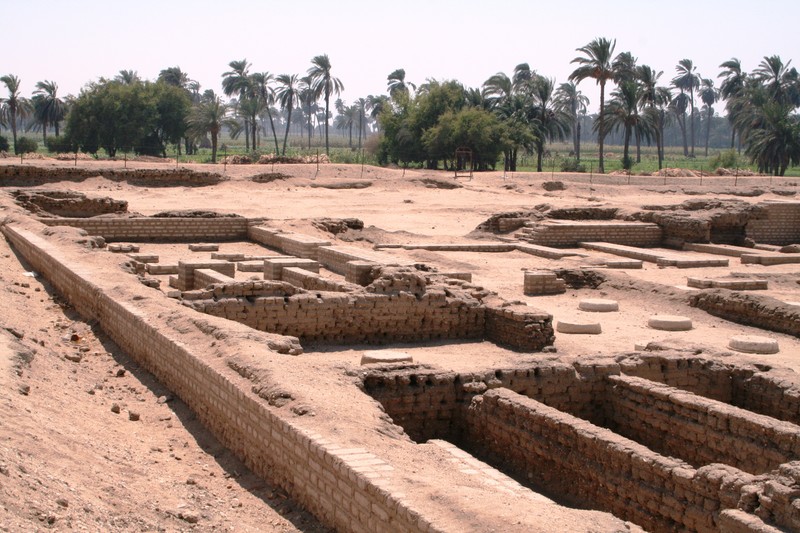
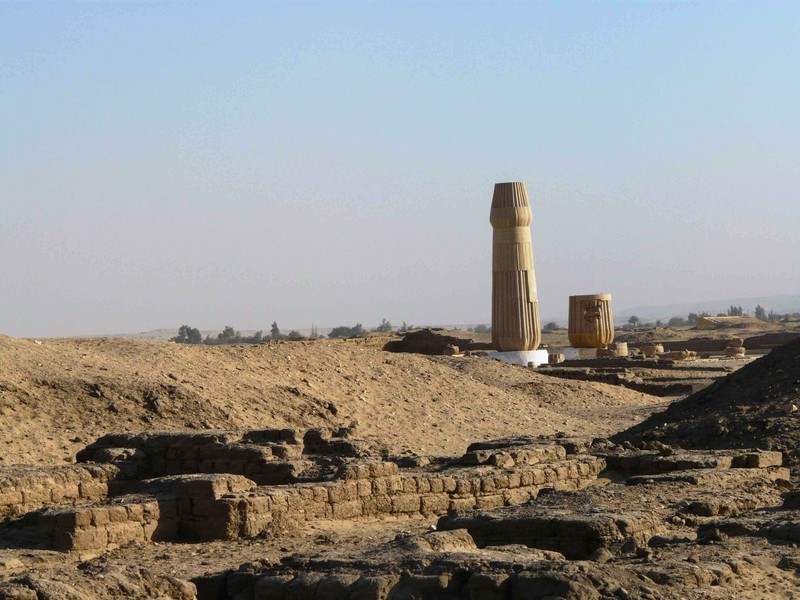
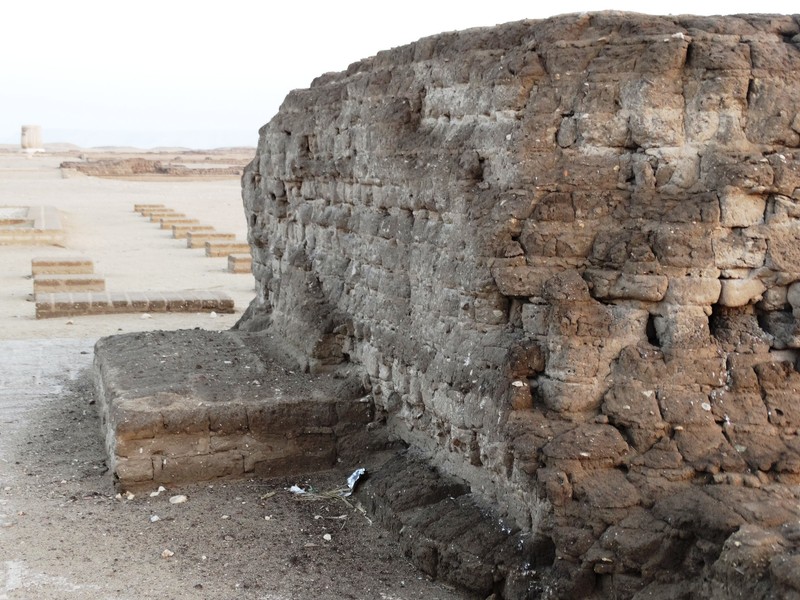
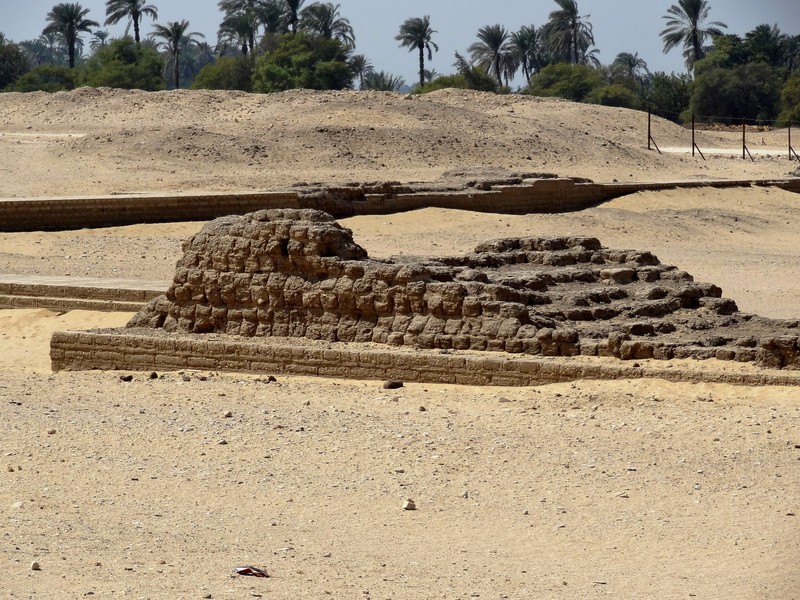
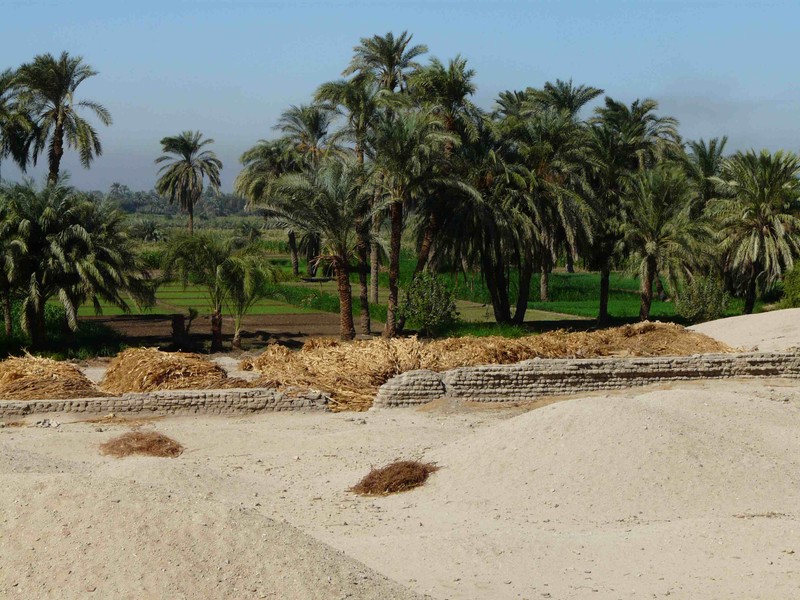
Akhetaten stretched along the Nile, with important buildings arranged around the Royal Road. The city contained palaces, administrative structures, residential districts and temples dedicated to the Aten. Most ordinary houses were built from mudbrick. Archaeologists have uncovered spacious officials’ homes, courtyards, gardens, workshops and service areas, revealing a functioning city with craftspeople, administrators and a varied population.
Amarna Art
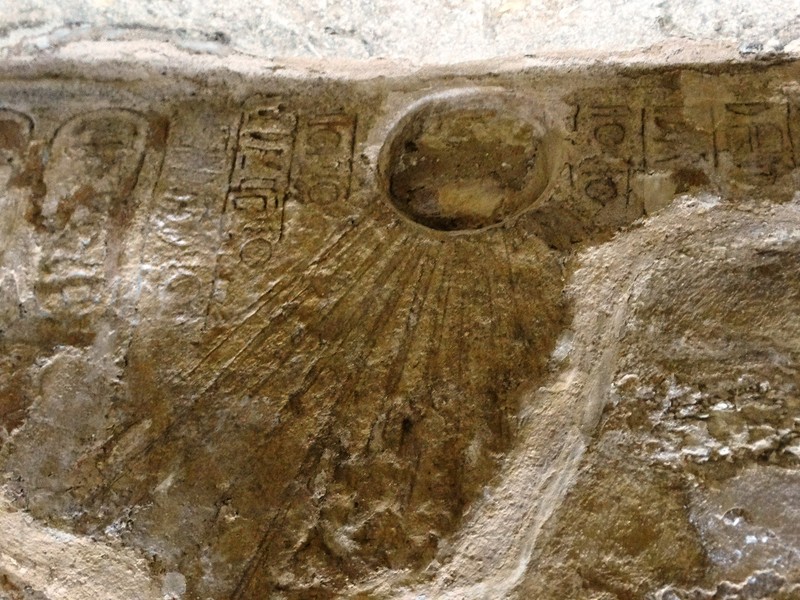
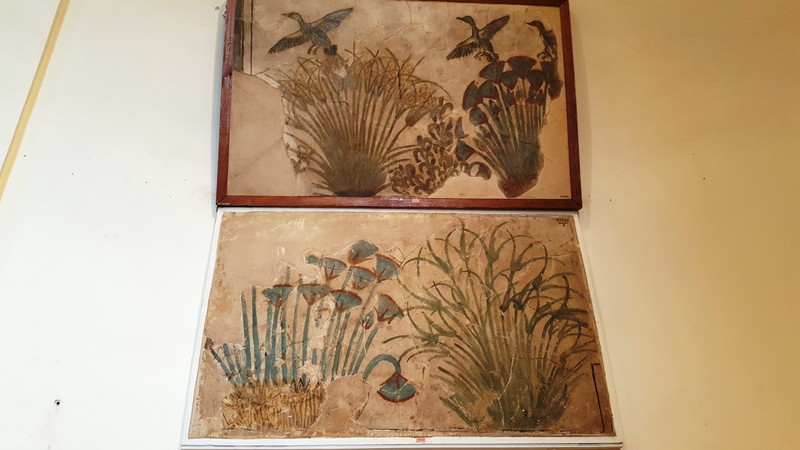
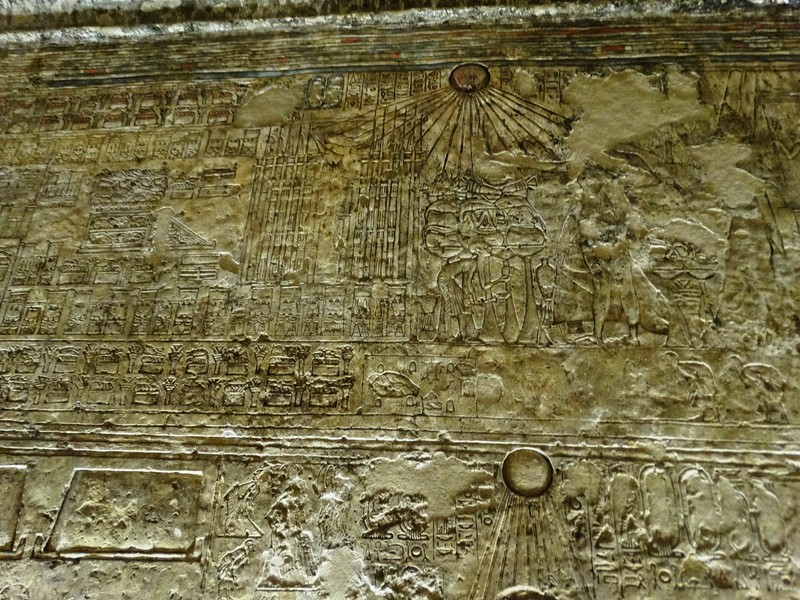
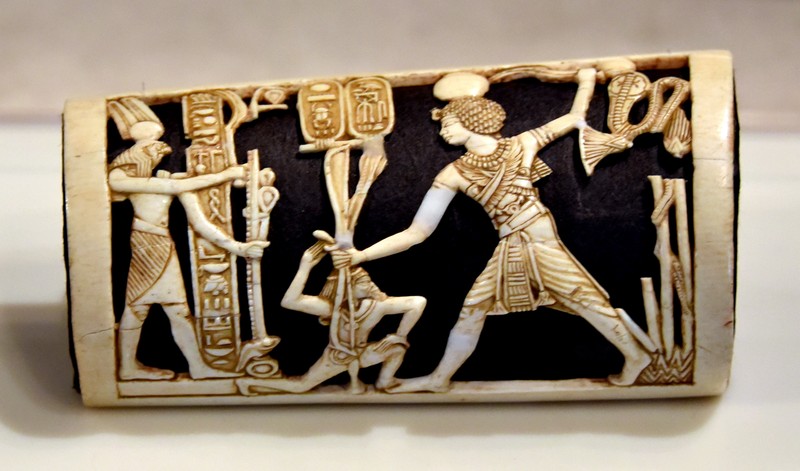
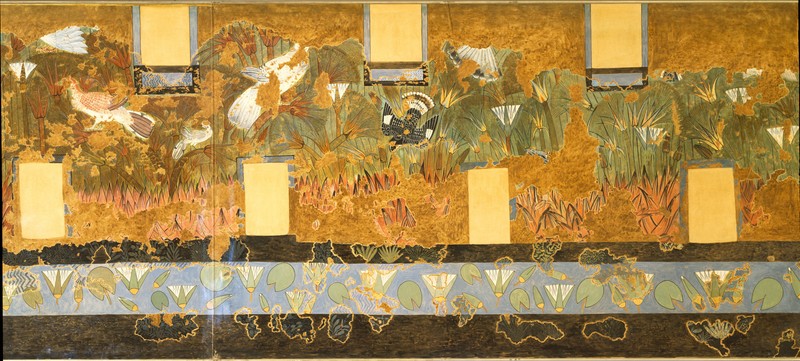
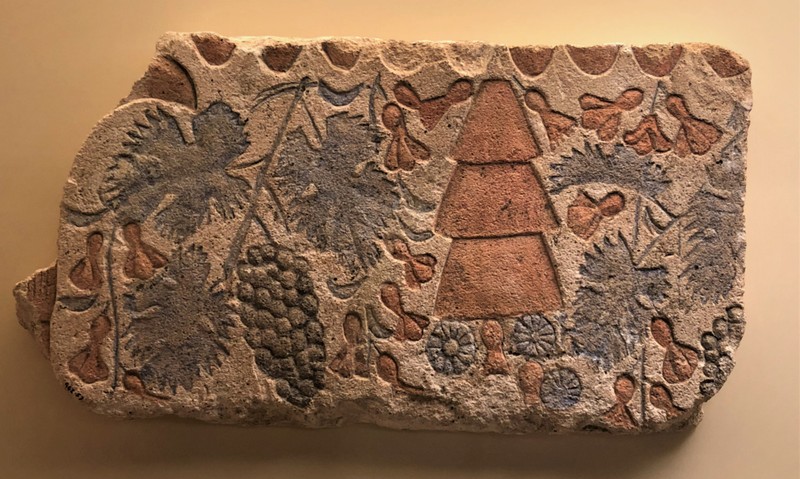
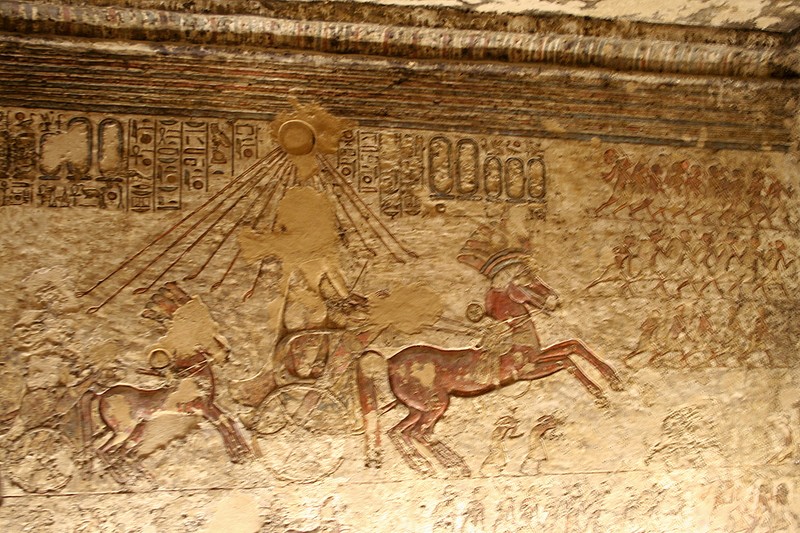
Amarna art differs from many traditional Egyptian images through its more fluid poses and naturalistic family scenes. Reliefs frequently show the Aten’s rays reaching toward the king and his family. The famous bust of Nefertiti was discovered at Amarna in 1912 in the workshop of the sculptor Thutmose. It is now held in Berlin’s Neues Museum.
The Amarna Letters
The city yielded an archive of clay tablets written in cuneiform, known as the Amarna Letters. They contain diplomatic correspondence between the Egyptian court, neighbouring rulers and dependent territories. The letters discuss alliances, trade, military conflicts and royal marriages, providing an important record of international relations in the 14th century BCE.
Rock Tombs and the Abandonment of the City
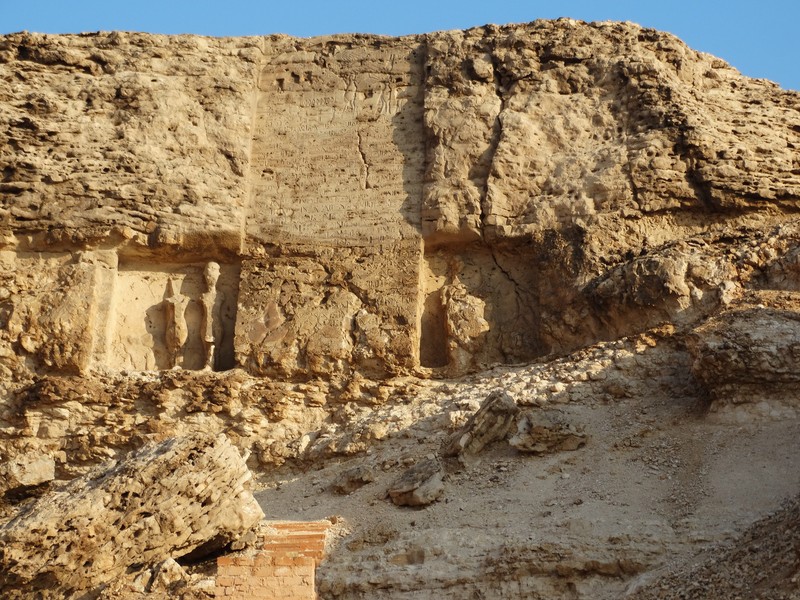
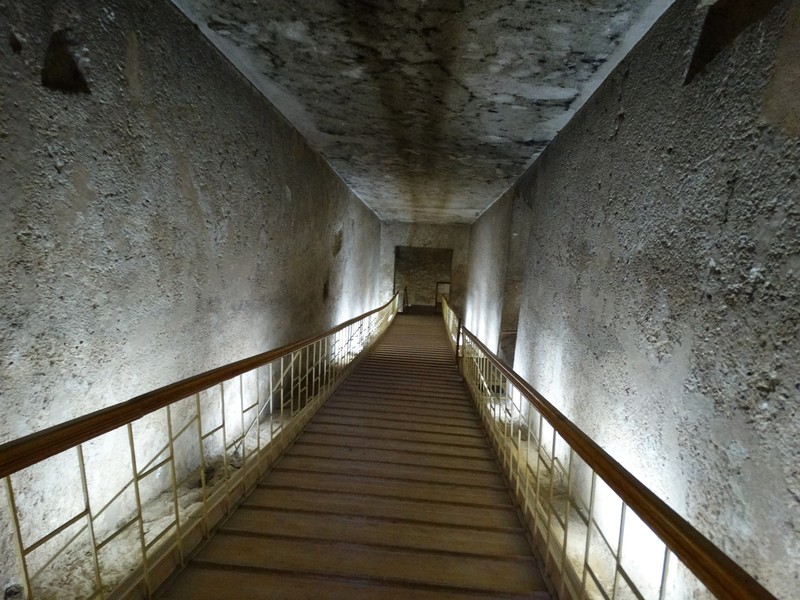
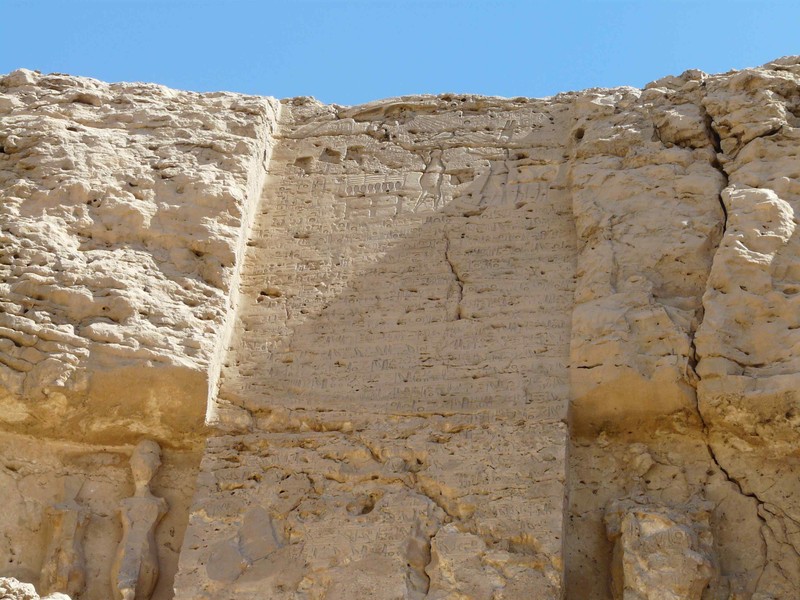
Rock-cut tombs for senior officials and members of the elite lie in the cliffs surrounding Amarna. Their reliefs and inscriptions depict royal ceremonies, the royal family and life at court. After Akhenaten’s death, the city gradually lost its status as the capital. Residents departed, and some buildings were dismantled for reusable materials. Archaeological research has reconstructed much of the urban layout and revealed details of everyday life.
Visiting Amarna
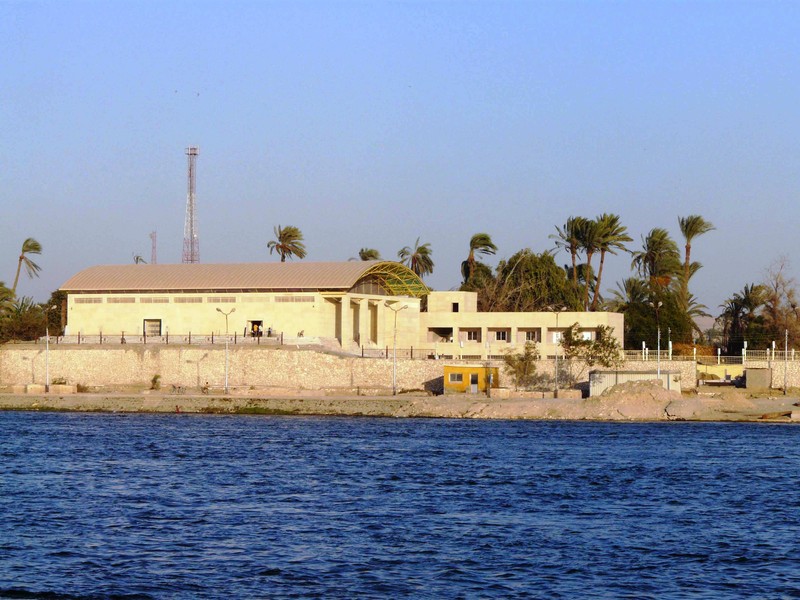
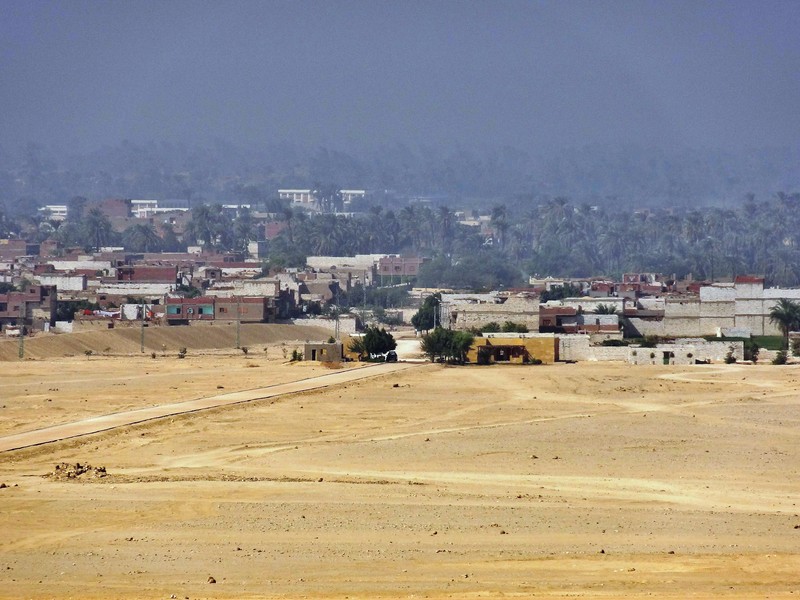
Amarna lies in Egypt’s Minya Governorate on the east bank of the Nile, roughly 300 kilometres south of Cairo depending on the route. The archaeological area includes city remains, temple sites and rock tombs. Check opening hours and access restrictions before travelling. Shade is limited across much of the site, so bring water, a hat and comfortable walking shoes.
Amarna offers a remarkable view of a period when religious reform, artistic experimentation and international diplomacy briefly transformed ancient Egypt.
Gallery