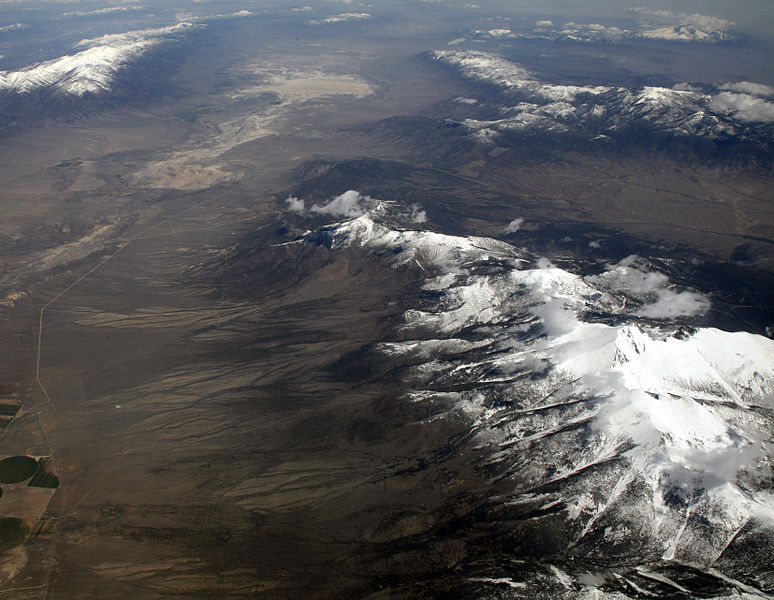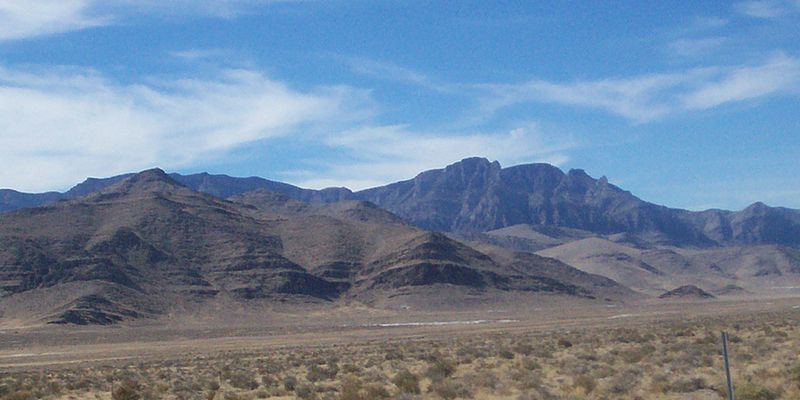

Great Basin National Park lies in eastern Nevada, USA, near the Utah border. It protects part of the Snake Range, dry valleys, ancient forests, and underground cave systems. Despite its location in an arid region, the park contains a remarkable variety of landscapes, including desert shrublands, conifer forests, alpine lakes, snowy peaks, and limestone caves.
Mountains and landscapes
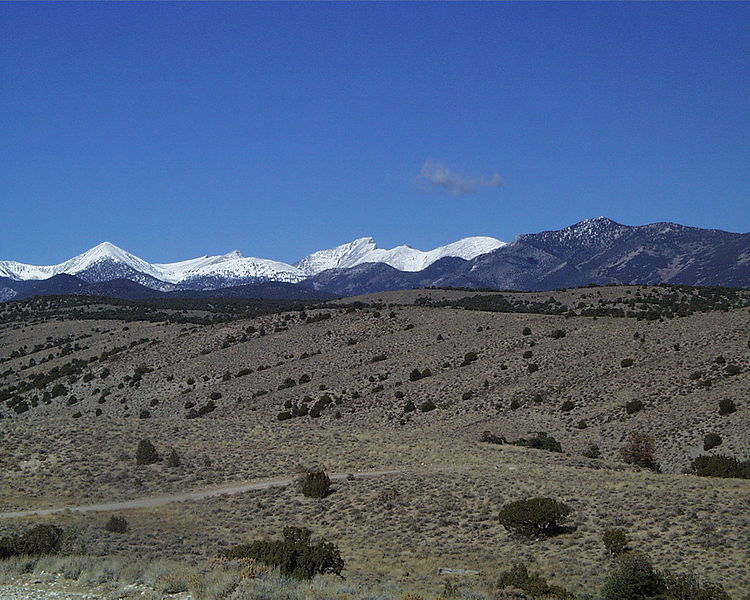
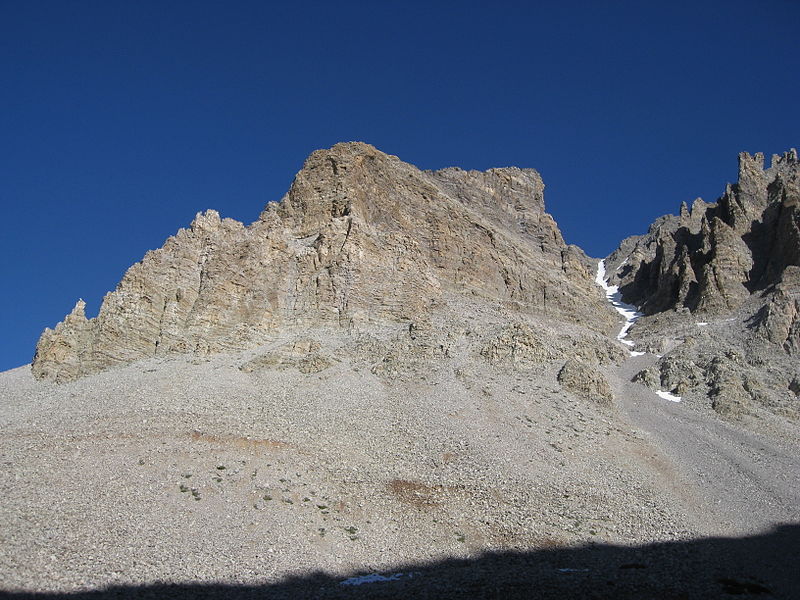
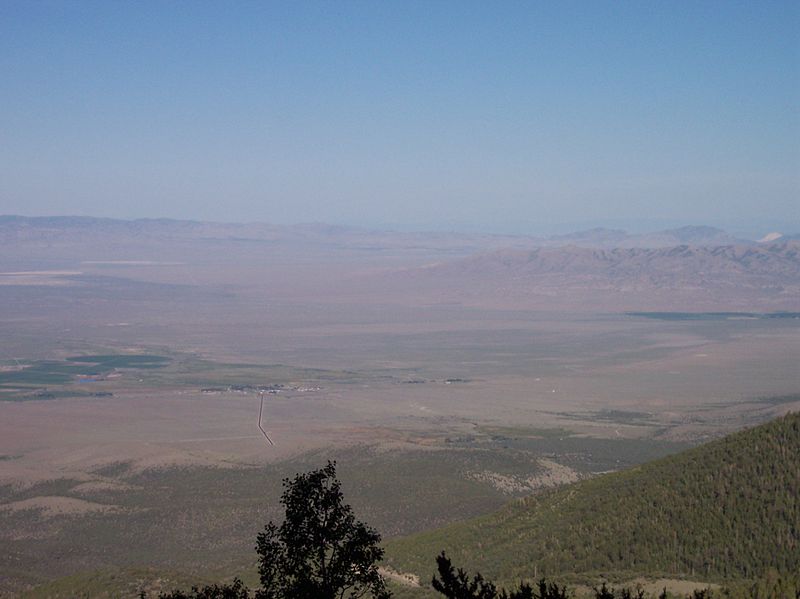
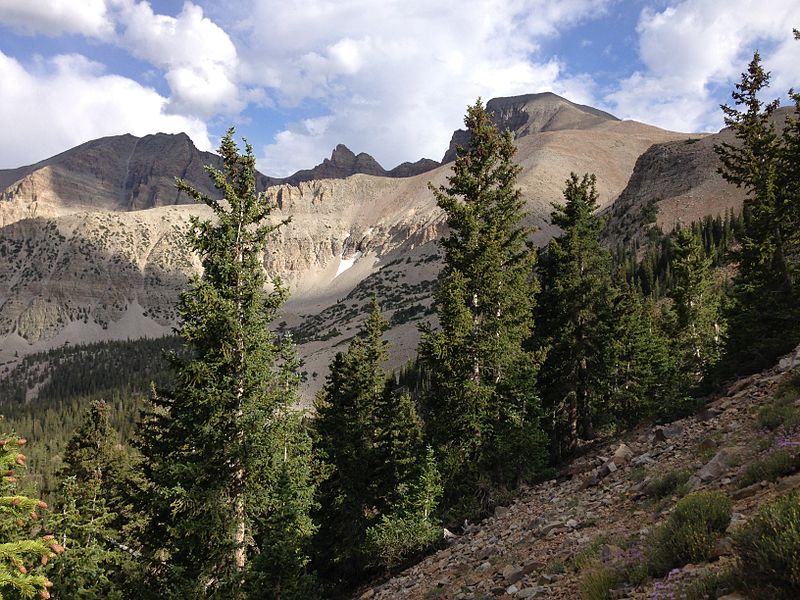
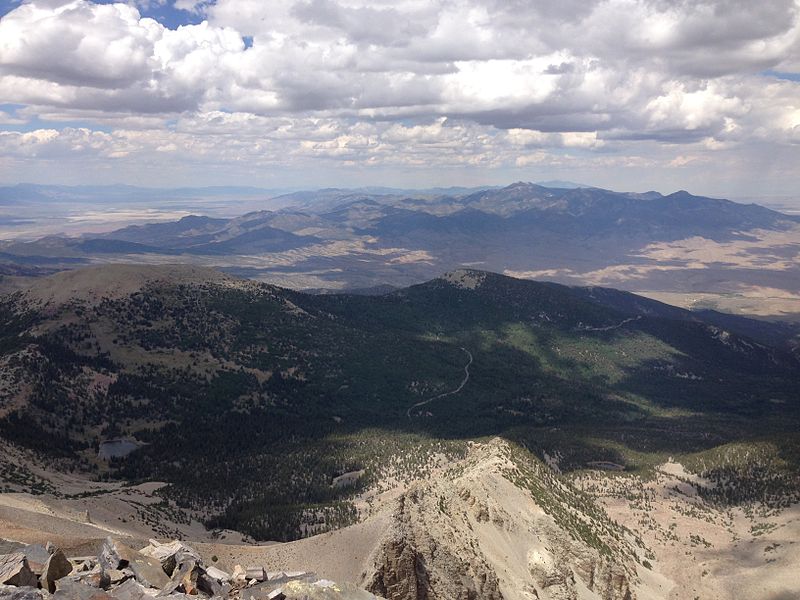
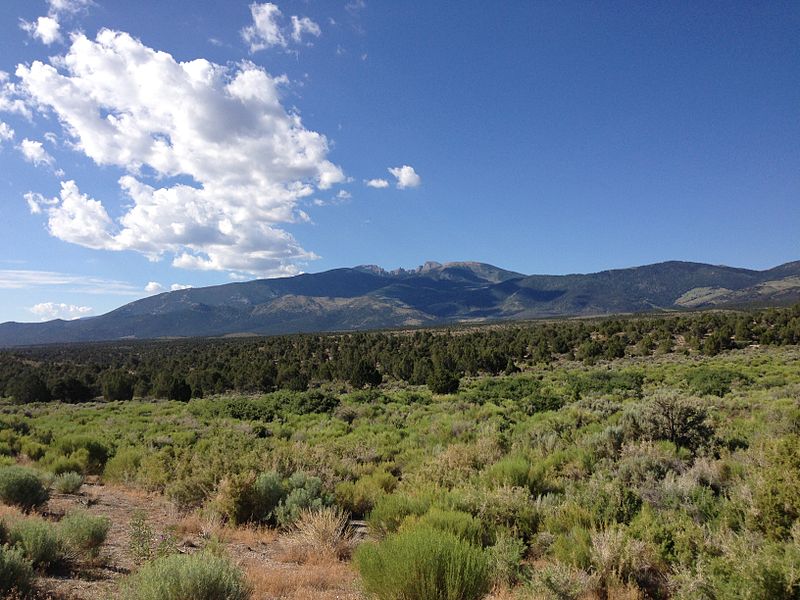
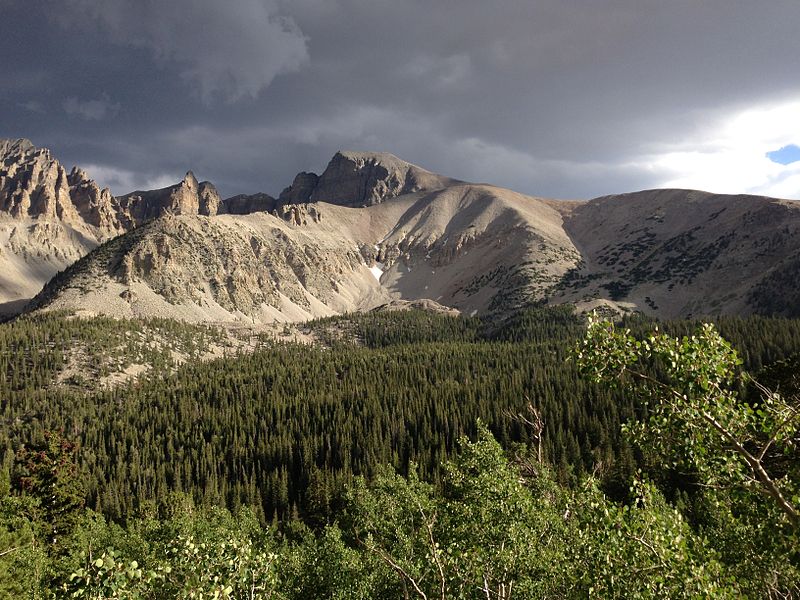
The park's highest landmark is Wheeler Peak, which rises to approximately 3,982 metres. Its slopes offer views across surrounding valleys and the mountain ranges of the Great Basin. Changes in elevation create several ecological zones: sagebrush dominates the lower ground, pinyon pines and junipers grow higher up, and subalpine forests, alpine meadows, and rocky terrain occur at greater elevations.
Ancient glaciers left cirques, moraines, and lake basins throughout the mountains. Near Wheeler Peak, visitors can see glacial landforms and high-altitude lakes surrounded by rocks and conifers.
Ancient bristlecone pines
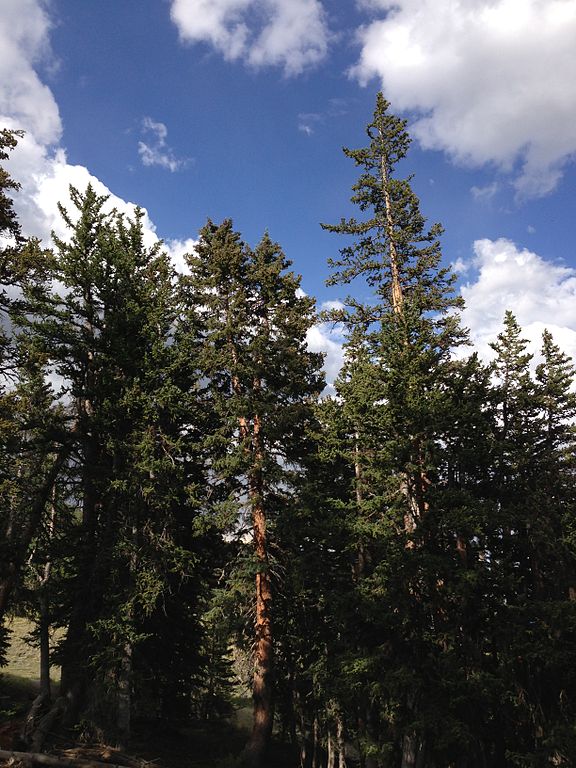
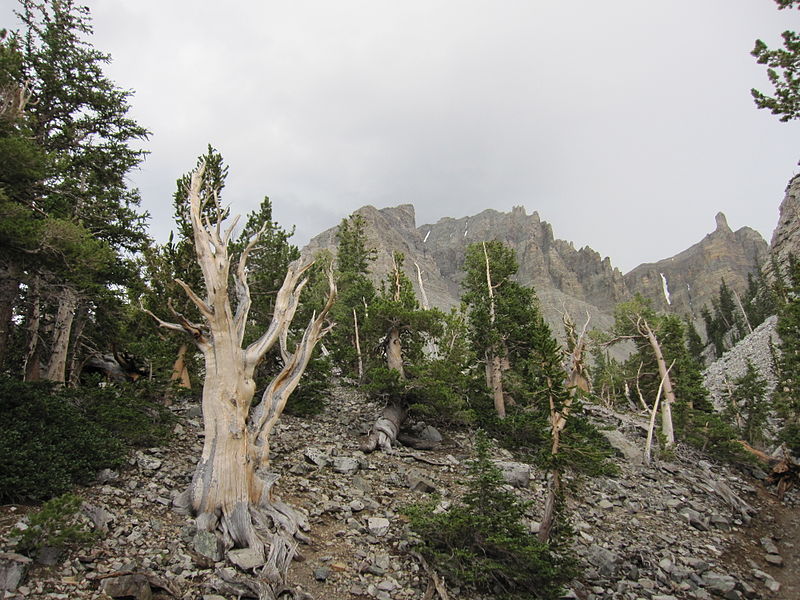
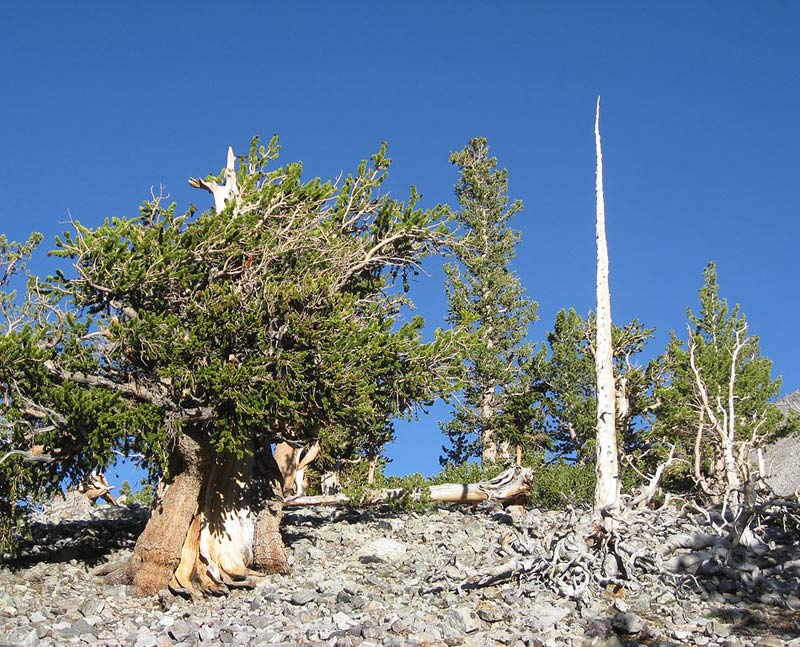
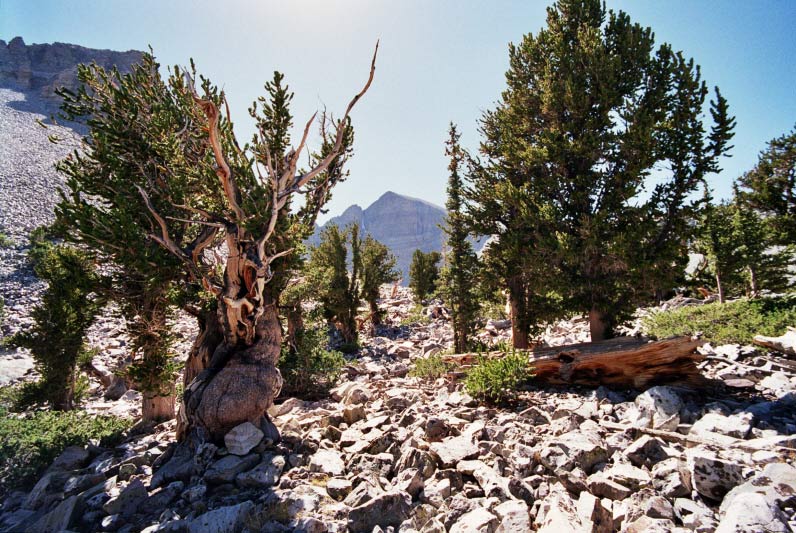
One of the park's most remarkable natural features is its Great Basin bristlecone pine forest. These trees are among the longest-living non-clonal organisms on Earth, and some survive for thousands of years. They grow at high elevations, often on rocky limestone slopes where few other plants can thrive. Their slow growth and dense wood help them withstand cold, strong winds, and harsh conditions.
The Wheeler Peak area contains one of the most accessible groves, reached by the Bristlecone Trail. Many trees have twisted trunks and branches shaped by centuries of exposure to wind and weather. Their unusual forms resemble natural sculptures and reveal the slow pace of change in this alpine environment.
Lehman Caves
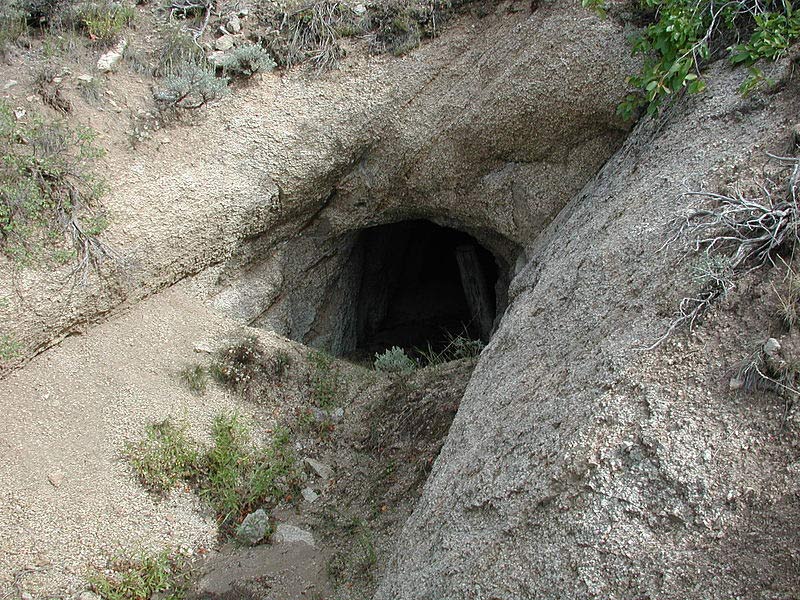
Lehman Caves are among the park's best-known attractions. This underground limestone system contains stalactites, stalagmites, popcorn-like formations, and unusual cave shields. Many features developed as minerals gradually accumulated from water moving through the rock.
The caves are especially notable for their abundance of small and delicate formations. Their microclimate and fragile mineral structures require careful protection. Visitors explore the interior on guided tours, which often need to be reserved in advance. Tour availability and schedules can vary by season.
Alpine lakes and the scenic drive
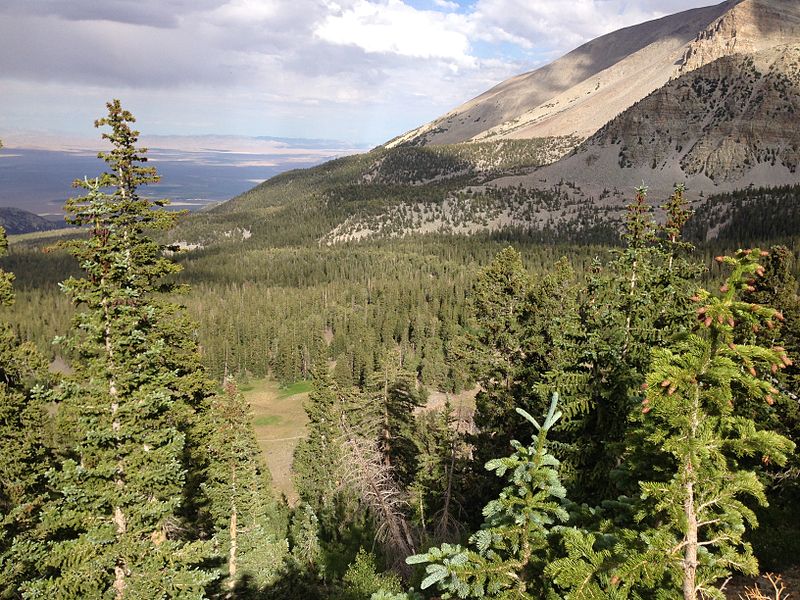
Wheeler Peak Scenic Drive climbs from the lower mountain slopes to elevations above 3,000 metres. As the road rises, vegetation, temperature, and scenery change: sagebrush plains give way to conifer forests and alpine landscapes. Pullouts provide opportunities to admire the valleys and surrounding peaks.
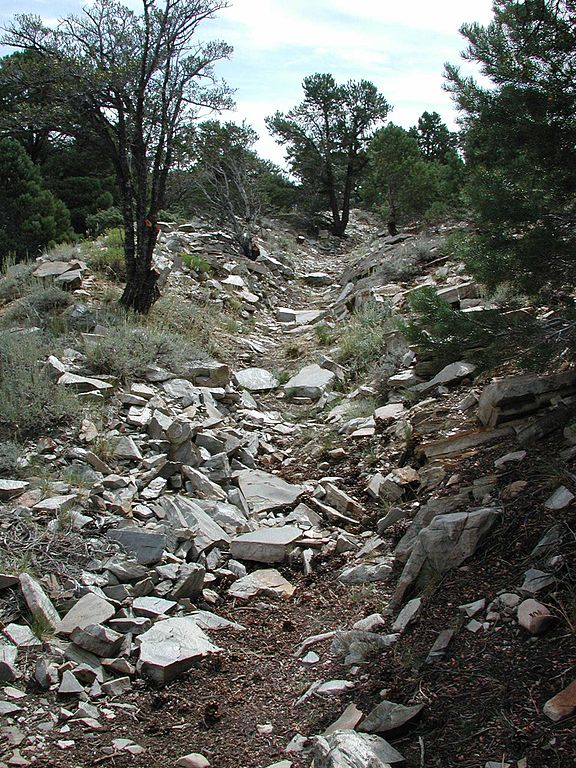
Trailheads along the road lead to mountain lakes, ancient bristlecone pines, and the summit of Wheeler Peak. Some walks are relatively short, while others require good fitness and careful preparation because of altitude, rocky terrain, and rapidly changing weather.
Wildlife
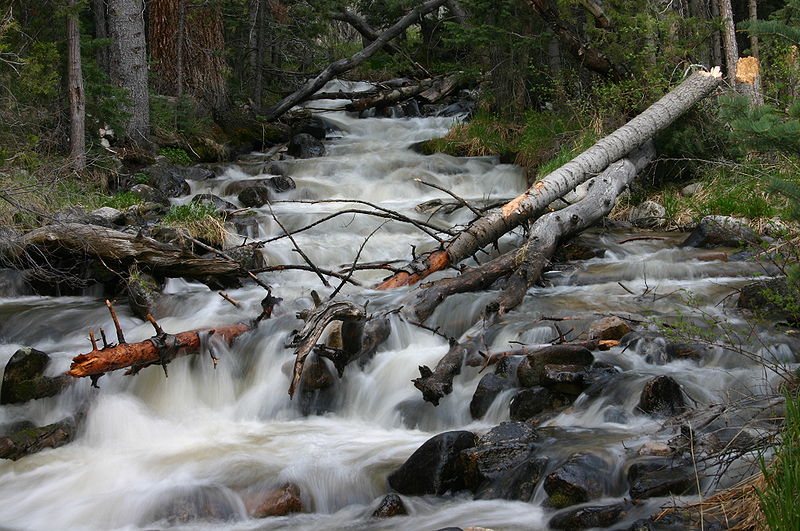
The park's range of elevations and habitats supports many animals. Mule deer, coyotes, jackrabbits, marmots, and numerous bird species live here. Other animals adapted to cold winters and short summers inhabit the mountain areas. Freshwater fish occur in some streams and lakes.
Wildlife sightings depend on the season, time of day, and location. Visitors should observe animals from a distance, never feed them, and keep food properly stored.
History of the national park
Lehman Caves received protected status in 1922, when the area was designated a national monument. Later efforts expanded protection to include the surrounding mountains, forests, and other natural features. Great Basin National Park was established on October 27, 1986.
The name refers to the Great Basin, a vast region of internal drainage in the western United States. Most rivers and streams here do not reach the ocean; water evaporates or collects in inland basins. This geographical feature influences the area's climate, vegetation, and natural processes.
Dark skies and stargazing
Great Basin is renowned for its exceptionally dark night skies. Its distance from major cities and relatively low light pollution make it possible to see the Milky Way, constellations, planets, and meteor showers. On a clear night without much moonlight, the stars become one of the park's most memorable attractions.
Open areas away from artificial lights are best for observing the sky. Conditions depend on cloud cover, the lunar phase, and the season. Mountain nights can be cold even in summer, so warm clothing and a safe return plan are important.
When to visit
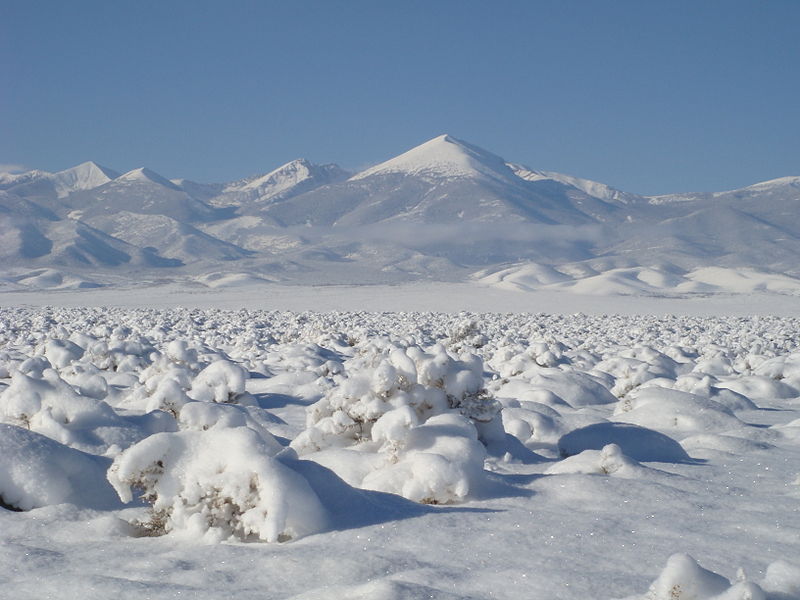
Summer is generally suitable for cave tours, hikes to lakes, and scenic drives when the mountain road is open. Autumn can bring beautiful seasonal colours and a quieter atmosphere. Spring and fall weather can be changeable, while winter snow restricts access to higher elevations.
Before travelling, check road and trail conditions, campground availability, and cave tour schedules. Wheeler Peak Scenic Drive usually closes after significant snowfall, and access to some trails depends on weather and elevation.
Great Basin National Park offers an unusual combination of desert scenery, ancient trees, mountain lakes, and an underground world of caves. Its remote setting and peaceful atmosphere appeal to hikers, geology enthusiasts, nature lovers, and stargazers.
Gallery