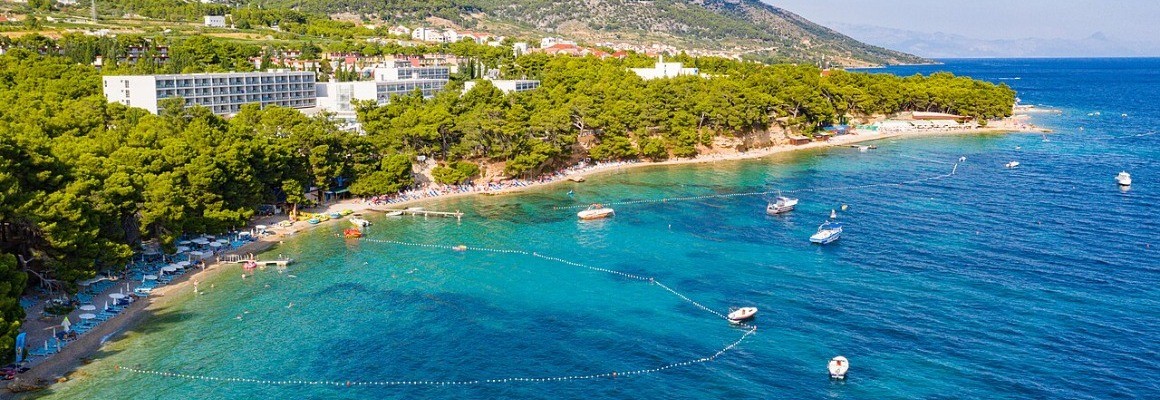
Mljet is an island in the southern Adriatic Sea, off Croatia’s Dalmatian coast. It is known for dense forests, clear seawater, secluded coves and a peaceful atmosphere. Unlike many busy Adriatic resorts, Mljet has preserved large areas of largely unspoiled nature and is often described as one of Croatia’s greenest islands.
The island’s main natural attraction is Mljet National Park, established on 11 November 1960. It covers the western part of the island, including forests, coastline and two unusual seawater inlets known as the Great Lake and the Small Lake. The park is ideal for walking, cycling, swimming and exploring the island’s cultural heritage.
The Great Lake and the Small Lake
Veliko jezero, or the Great Lake, and Malo jezero, or the Small Lake, are the park’s best-known sights. Despite their names, they are not freshwater lakes but seawater bays. A narrow channel connects them, while the Great Lake reaches the open sea through the Soline Channel. Tidal changes cause the current in this channel to reverse approximately every six hours.
The Great Lake covers about 145 hectares and reaches roughly 46 metres in depth. The Small Lake covers around 24 hectares and is up to 29 metres deep. Forests line their shores, and walking paths follow the water. Visitors can enjoy changing shades of blue, relax by the shore and photograph the Mediterranean vegetation. The lakes also support a distinctive marine ecosystem.
St Mary’s Islet and the Benedictine Monastery
St Mary’s Islet (Sveta Marija) lies in the southern part of the Great Lake. It is home to a Benedictine monastery and church whose history dates back to the 12th century. Surrounded by greenery and water, the complex is one of Mljet’s most recognisable historic landmarks.
The monastery reflects the centuries-long presence of Benedictine monks on the island and their influence on local life. Today, visitors come for its architecture, quiet setting and scenic lake views. The islet can be reached by a National Park boat, with access and schedules depending on the season.
Forests and wildlife
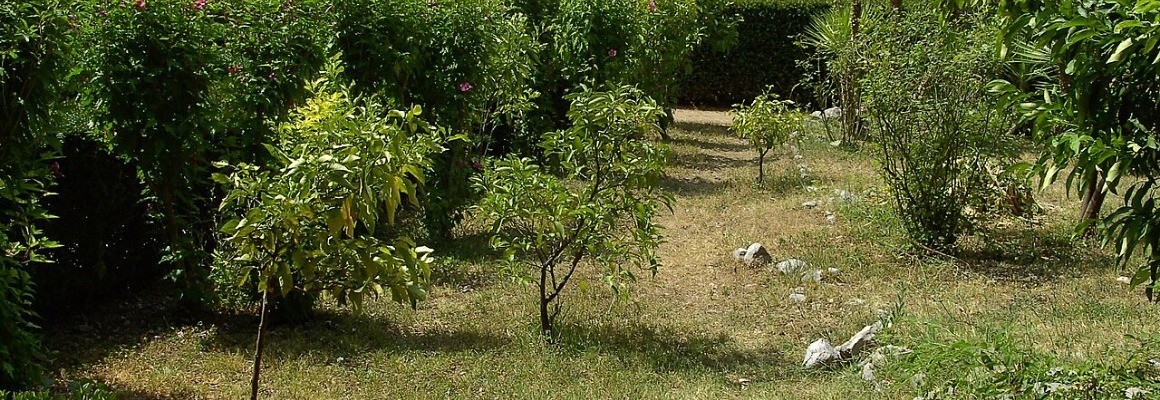
Mljet is covered in Mediterranean woodland featuring holm oak, Aleppo pine, strawberry tree, myrtle and other characteristic plants. Several orchid species can be seen in spring. Rare and protected species occur throughout the island, making the park important for preserving Adriatic biodiversity.
Birds such as peregrine falcons and European shags inhabit the forests and coastal areas, while caves shelter bats and specialised invertebrates. Underwater, meadows of Posidonia oceanica provide vital habitat for marine life. Visitors should remain on marked paths, avoid disturbing wildlife and leave plants untouched.
Odysseus Cave
Odysseus Cave (Odyssejeva špilja) on the southern coast is associated with legends about the ancient Greek hero. According to tradition, Odysseus may have stayed here after a shipwreck and encountered the nymph Calypso. Some researchers identify Mljet with Ogygia from Homer’s Odyssey, although the theory has not been conclusively proven.
The cave is a karst formation reached by seawater. Depending on the light and sea conditions, the water inside can appear deep blue or turquoise. It is popular for photography and boat excursions, but access can be dangerous in rough seas. Always consider local advice and sea conditions, and do not enter the cave by swimming unless conditions and experience make it safe.
Walking and cycling routes
The National Park has a network of marked walking and cycling routes. Trails pass along the lakes, through woodland and near small settlements. For panoramic views, visitors can head towards viewpoints in the Montokuc and Veliki Gradac areas, overlooking forested hills, the lakes and neighbouring Adriatic islands.
A relaxed visit can include a walk around the lakes and a stop at St Mary’s Islet. More active travellers can choose longer routes across the island. Check the distance in advance, bring water, wear suitable footwear and protect yourself from the sun.
Settlements and cultural heritage
Outside the National Park, small villages and coastal settlements preserve the traditional character of a Dalmatian island. Polače is known for its sheltered bay and Roman-era archaeological remains. Pomena is a convenient starting point for visiting the park, while Babino Polje is one of Mljet’s main settlements.
The island’s history stretches back thousands of years. Archaeological remains reveal ancient settlements, and Mljet later came under the influence of various Mediterranean powers and the Republic of Ragusa. Old stone houses, churches and rural traditions add a cultural dimension to the island’s natural attractions.
How to reach Mljet
Mljet can be reached by sea. One option is the ferry from Prapratno on the Pelješac Peninsula to the port of Sobra. Depending on the season, catamarans also connect the island with Dubrovnik and other Dalmatian islands. Routes and timetables change during the year, so check current departures with the operators before travelling.
The National Park is in the western part of the island, with official entrances at Pomena, Polače and Vrbovica. Once there, visitors can continue on foot, by bicycle or by using park transport when it operates according to the current schedule. The arrival port and park entrance may be in different parts of the island.
Best time to visit
Spring and early autumn are excellent for walking and nature exploration, as temperatures are usually milder than in midsummer. Summer brings warm sea temperatures and long days for swimming and boat trips, but it is busier and the sun can be intense. Autumn is quieter, although transport services and opening hours may be reduced.
Before visiting, check the National Park’s current opening hours, boat departures to St Mary’s Islet and access to individual trails. Outside the main tourist season, some visits may need to be arranged in advance.
Travel tips
Allow at least one full day for a first visit to Mljet. If you want to explore different parts of the island, swim and complete several walking routes, consider staying for a few days. Bring drinking water, a hat, sunscreen and comfortable shoes. Near the coast, avoid slippery rocks when waves are strong.
Mljet is ideal for travellers seeking unspoiled nature, quiet coves, forest walks and historic sights. It offers a welcome escape from busy resorts and a chance to discover one of the greenest corners of the Croatian Adriatic.
Gallery