Golden Gate Park is one of the largest and best-known urban parks in the United States. Located in western San Francisco, California, it stretches from the city's central neighborhoods toward the Pacific coast. Its approximately 412 hectares include woodlands, open meadows, lakes, flower gardens, museums, and sports facilities. It is an excellent place for both relaxing walks and cultural exploration.
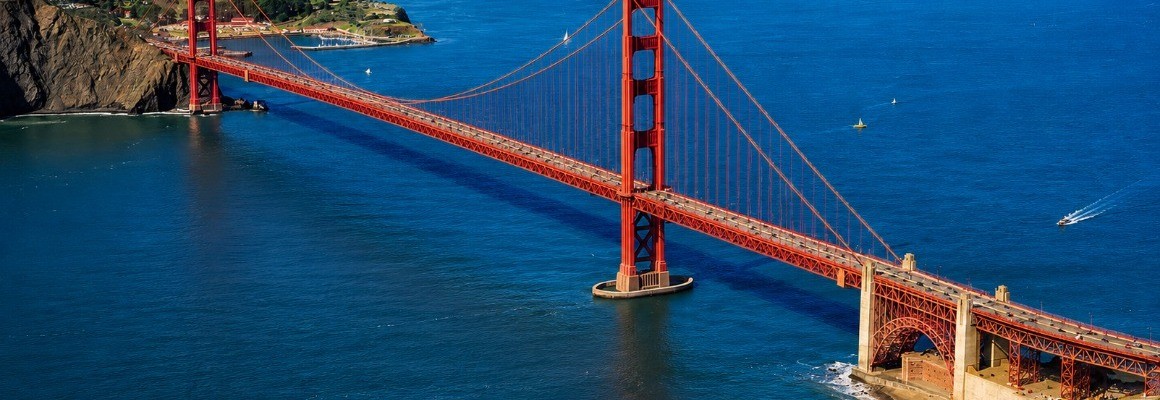
Despite its name, the park is not located directly beside the Golden Gate Bridge. It is a separate urban green space known for its landscaped gardens, diverse plant collections, and recreational opportunities. Visitors can spend a few hours here or devote an entire day to exploring its attractions.
History of Golden Gate Park
Work on the park began in 1870 on an area of windswept sand dunes. Engineer and landscape designer William Hammond Hall led the original planning, while gardener John McLaren later played a major role in its development. Extensive landscaping gradually transformed the sandy terrain into a large public park.
By the late nineteenth century, the park had become an important part of city life. The California Midwinter International Exposition took place here in 1894 and attracted millions of visitors. Some features associated with the exposition became lasting attractions, including the Japanese Tea Garden and the Music Concourse area.
After the devastating earthquake and fires of 1906, the park provided shelter for thousands of San Francisco residents who had lost their homes. This episode demonstrates that the park has served not only as a place for recreation but also as an important civic space.
Japanese Tea Garden
The Japanese Tea Garden is one of the park's best-known attractions. It originated in the 1890s as part of an international exposition and later developed into a permanent garden inspired by traditional Japanese landscape design.
Winding paths, ornamental bridges, pagodas, stone arrangements, ponds, and carefully pruned plants create a peaceful setting. The arched bridge is particularly photogenic, especially when reflected in the water. The garden is attractive in spring and autumn, when flowers and changing foliage add colour to the landscape.
A tea house offers visitors a place to rest and experience Japanese tea traditions. Admission is generally charged separately, so check opening hours and ticket information before visiting.
San Francisco Botanical Garden
The San Francisco Botanical Garden covers about 22 hectares and contains plant collections from around the world. San Francisco's mild climate allows many species to thrive that would struggle in other parts of the United States.
The collections are arranged by geographic origin and vegetation type. Visitors can discover plants from Asia, Australia, South America, and other regions, alongside native California flora. The garden is a peaceful place for walking, photography, and relaxing among trees and flower beds. Its appearance changes throughout the year.
Conservatory of Flowers
The Conservatory of Flowers is a historic glass greenhouse that opened in 1879. It is one of the park's oldest structures and stands out for its Victorian architecture and glass domes.
Inside, conditions are maintained for tropical and other warmth-loving plants. Visitors can see exotic flowers, palms, vines, and unusual botanical collections. Exhibitions vary by season, so check opening hours and admission requirements before your visit.
de Young Museum
The de Young Museum stands in the central part of the park, close to the Japanese Tea Garden and the California Academy of Sciences. Its collections include American art, works from Africa and Oceania, textiles, costumes, photography, and modern art.
The museum building features distinctive contemporary architecture. The Hamon Observation Tower offers panoramic views of the park, San Francisco, and the Pacific Ocean. Access to the observation level is generally free, although opening times may follow the museum's schedule.
California Academy of Sciences
The California Academy of Sciences is a major scientific and cultural complex combining natural history exhibitions, an aquarium, a planetarium, and living plant environments. It is located near the de Young Museum in the Music Concourse area.
Visitors can explore marine ecosystems, coral reefs, and animals and plants from different climate zones. The academy is especially appealing to families and anyone interested in nature and science. Allow several hours for a visit; admission is charged separately.
Lakes, meadows, and paths
The park's open spaces and waterways are central to its appeal. Lakes, lawns, and walking paths are scattered among the trees, providing places for strolling, running, and cycling. Visitors can enjoy a picnic, read a book, or take a break from the city.
One unusual landmark is Portals of the Past beside Lloyd Lake. The monument consists of architectural elements from a mansion that survived the 1906 earthquake and was later moved to the park. It serves as a reminder of San Francisco's recovery after the disaster.
The park also includes redwood groves, ornamental gardens, sports fields, and places for birdwatching. Visitors may encounter squirrels and urban birds, while American bison can be seen in a designated enclosure.
Bison in the park
Bison have lived in Golden Gate Park since 1891. The tradition continues today, with American bison kept in a separate fenced area. Their presence is an unusual sight in an urban park and recalls North America's natural heritage.
Visitors can observe the animals from the permitted side of the enclosure. Do not approach them, feed them, or enter restricted areas. Sightings depend on where the animals are at a given time.
Other activities
Golden Gate Park offers cycling, running, tennis, golf, picnicking, and cultural events. It also has playgrounds, athletic fields, and quieter spaces for relaxation. Concerts and festivals take place throughout the year, including the well-known Hardly Strictly Bluegrass festival. Some roads and parking areas may close during major events.
Best time to visit
The park is open throughout the year. Spring is a lovely time to explore the gardens in bloom, while summer offers more events and opportunities for picnics. Autumn can bring a quieter atmosphere, and winter is suitable for walks and museum visits. Weather near the Pacific can be cool and changeable, so bringing a light jacket is advisable.
How to get there
The park is located in western San Francisco and can be reached by city buses and other public transport. Bicycles and the free park shuttle are convenient for getting around inside the park; shuttle schedules and stops vary. Drivers should be aware that parking is limited in popular areas, especially on weekends and during events.
Travel tips
If you plan to visit several attractions, study the park map in advance because the distances between gardens, museums, and lakes can be considerable. Allow a full day to explore the park in depth. Wear comfortable shoes and bring water and an extra layer of clothing. Check admission prices, opening hours, and booking requirements for ticketed gardens and museums.
Golden Gate Park is more than a green space in San Francisco: it is a world of gardens, museums, lakes, and cultural destinations where visitors can combine outdoor relaxation with art, history, and botanical discovery.
Gallery