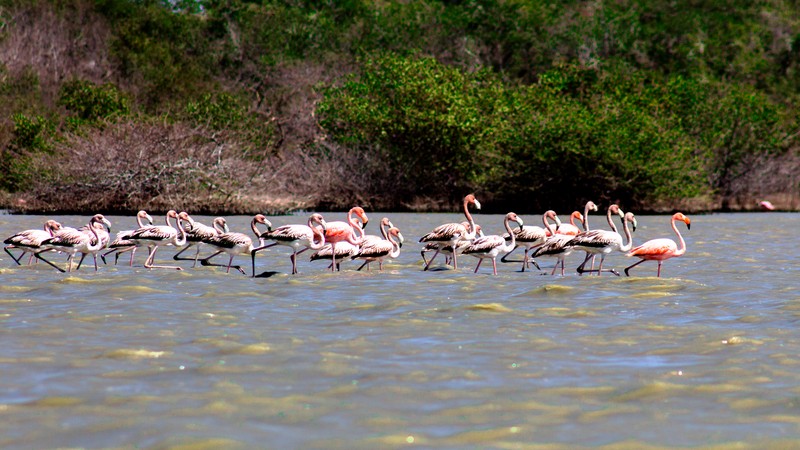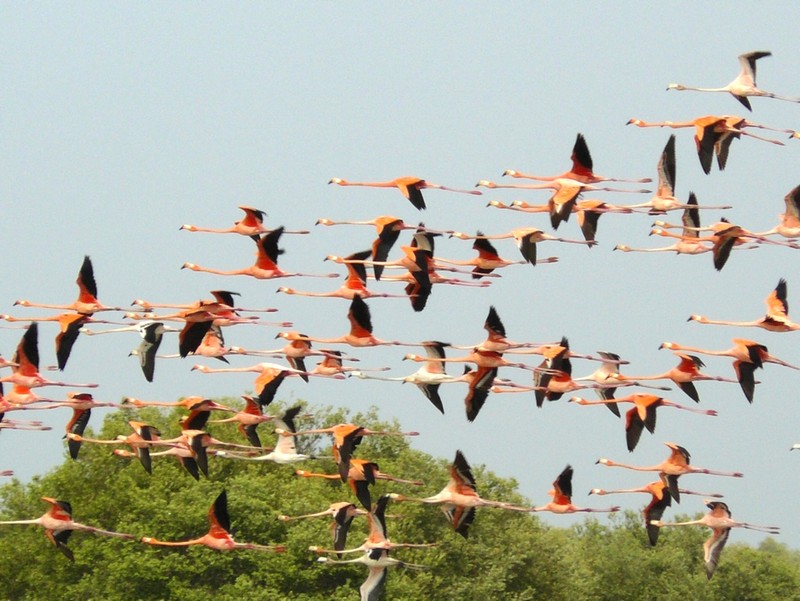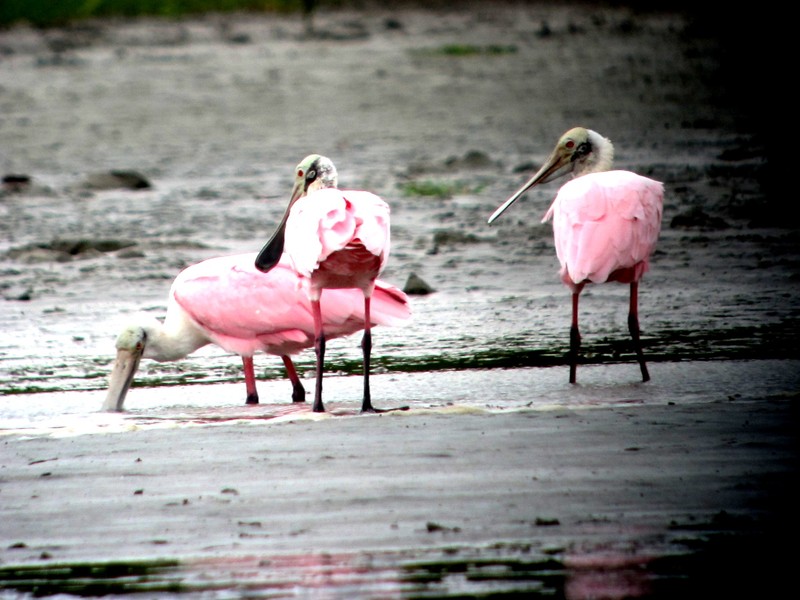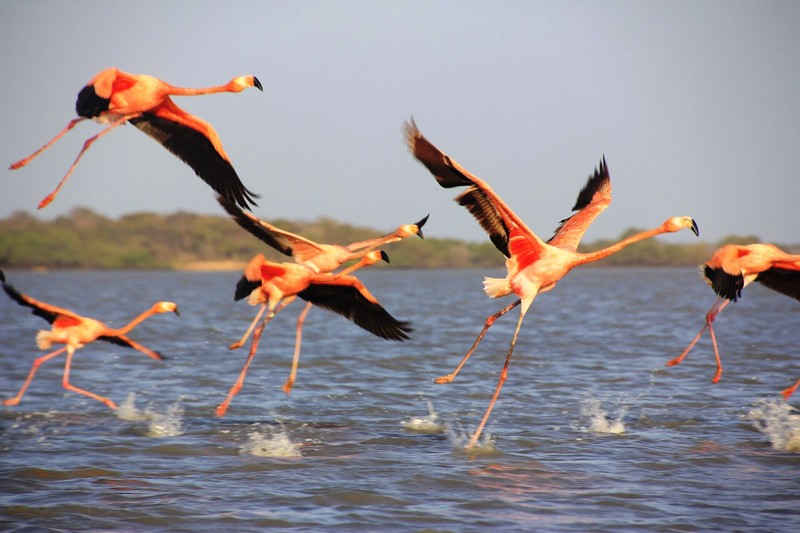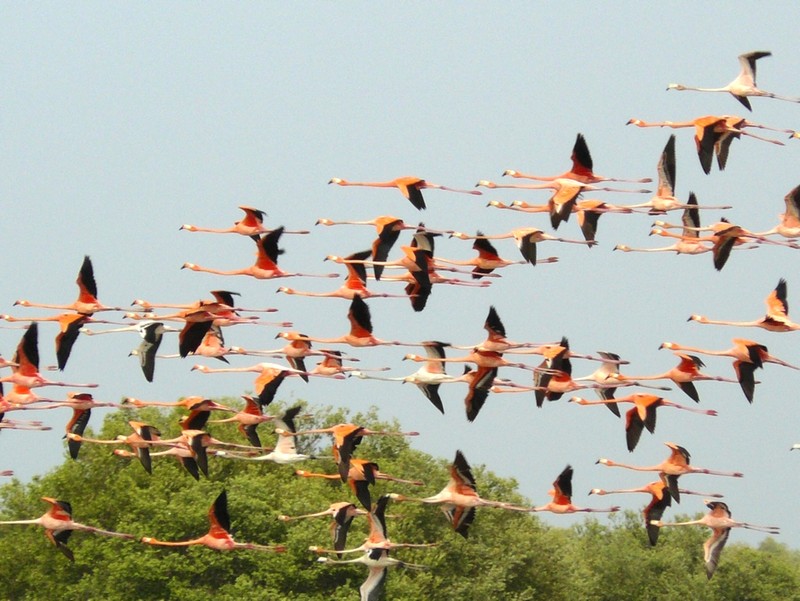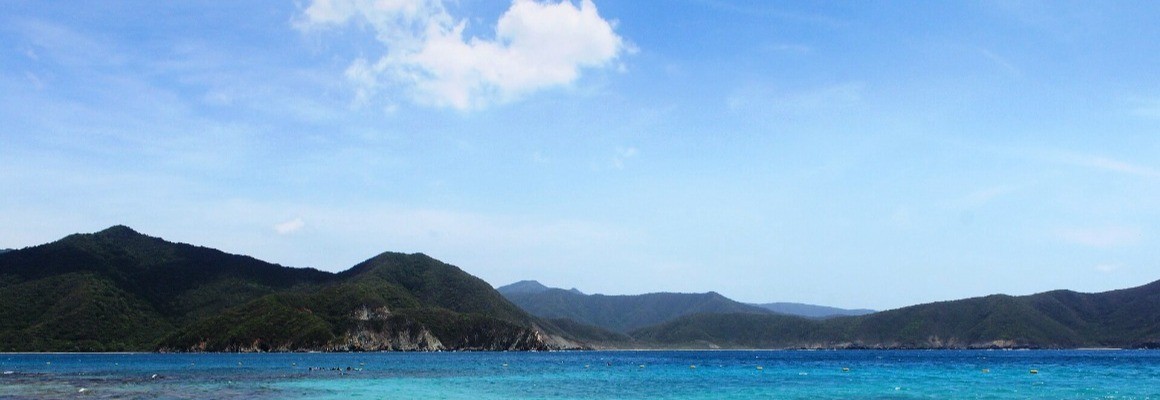

Los Flamencos Sanctuary is a protected natural area on Colombia’s Caribbean coast, in the department of La Guajira near the city of Riohacha. Its official name is the Los Flamencos Fauna and Flora Sanctuary. Its main attraction is the pink flamingos that feed in the shallow waters of coastal lagoons. The sanctuary brings together wetlands, mangroves, dry tropical forests and arid landscapes characteristic of the country’s north.
Lagoons and pink flamingos
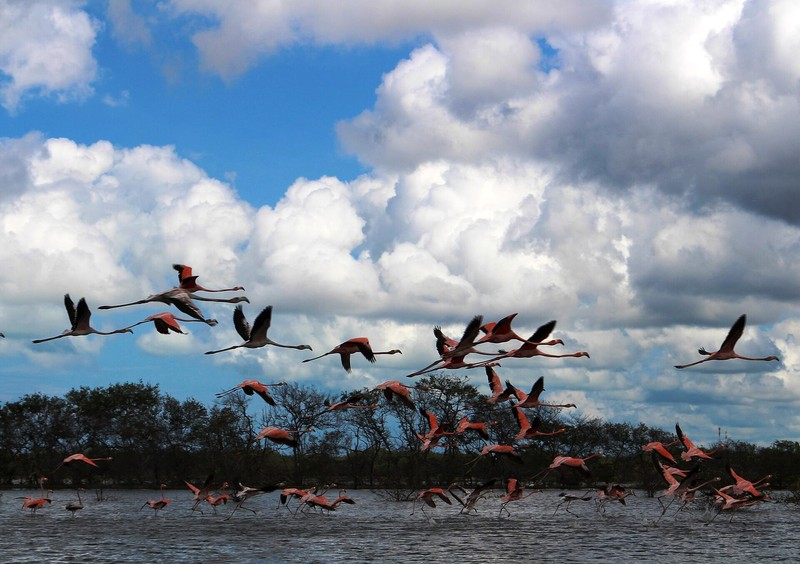
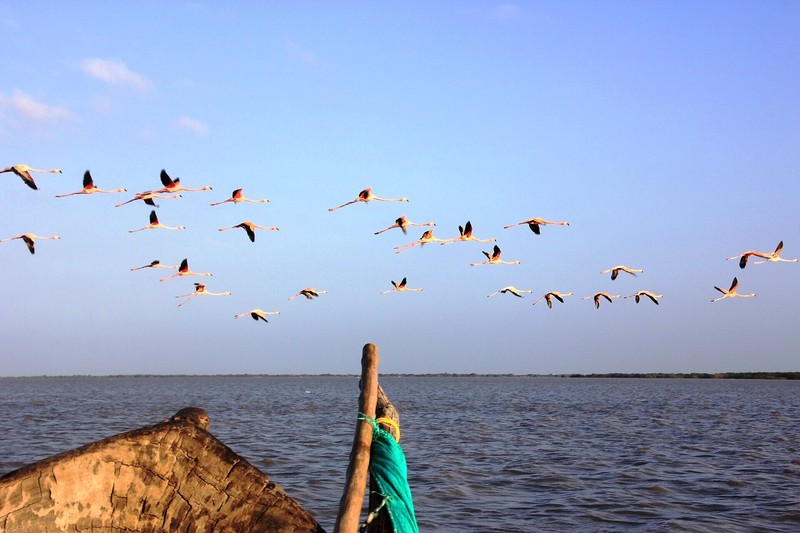
The sanctuary takes its name from flamingos that gather in large groups in shallow water to feed. Two of the best-known places for birdwatching are Navío Quebrado Lagoon and Laguna Grande. Here, flamingos feed on small crustaceans, including brine shrimp, as well as shrimp larvae and other aquatic organisms. Pigments in their food help maintain the characteristic pink color of their feathers.
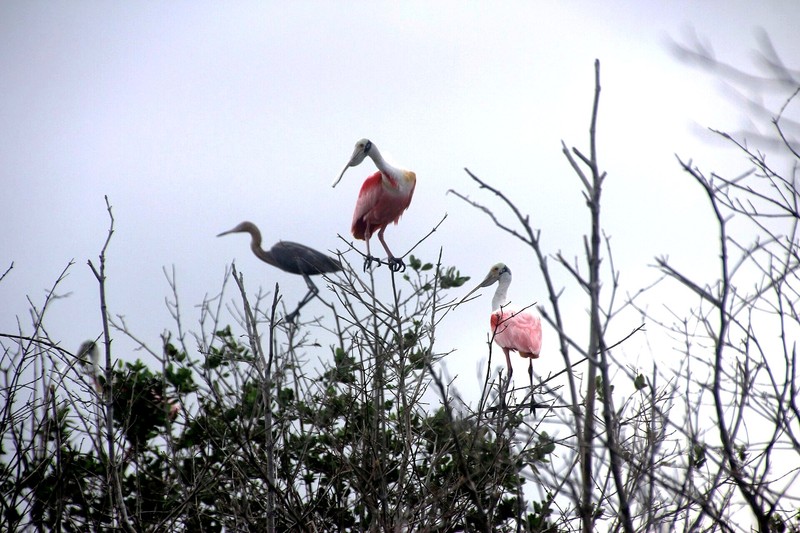
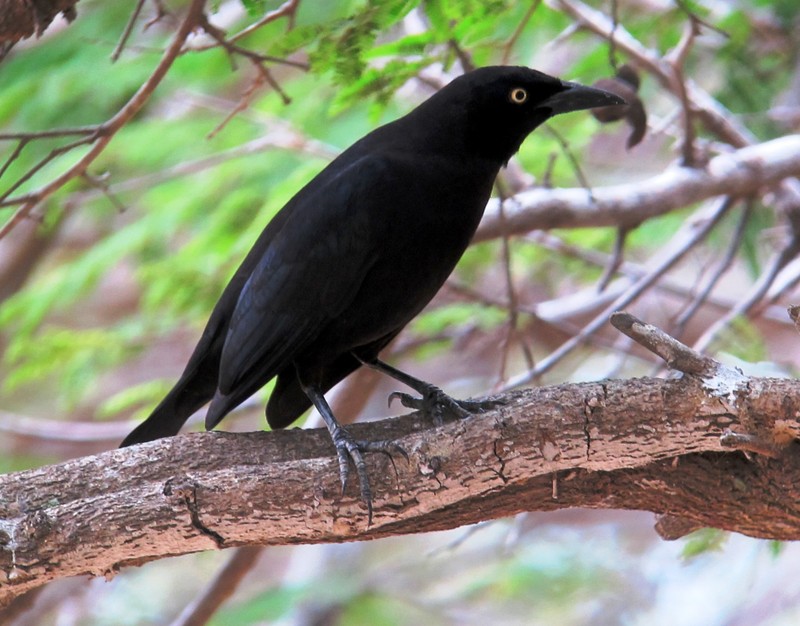
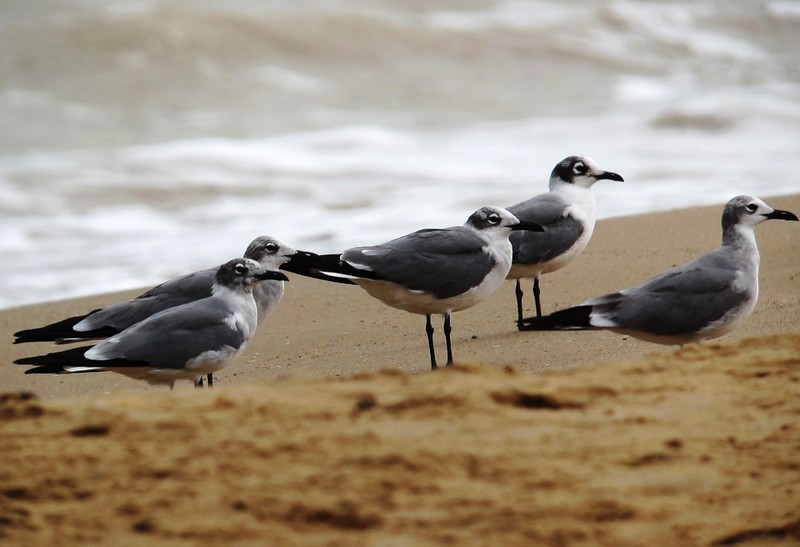
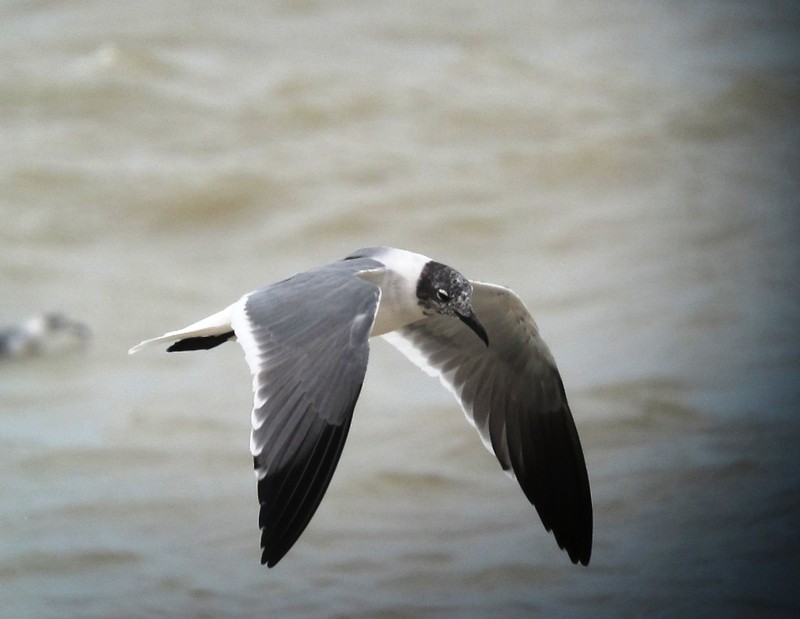
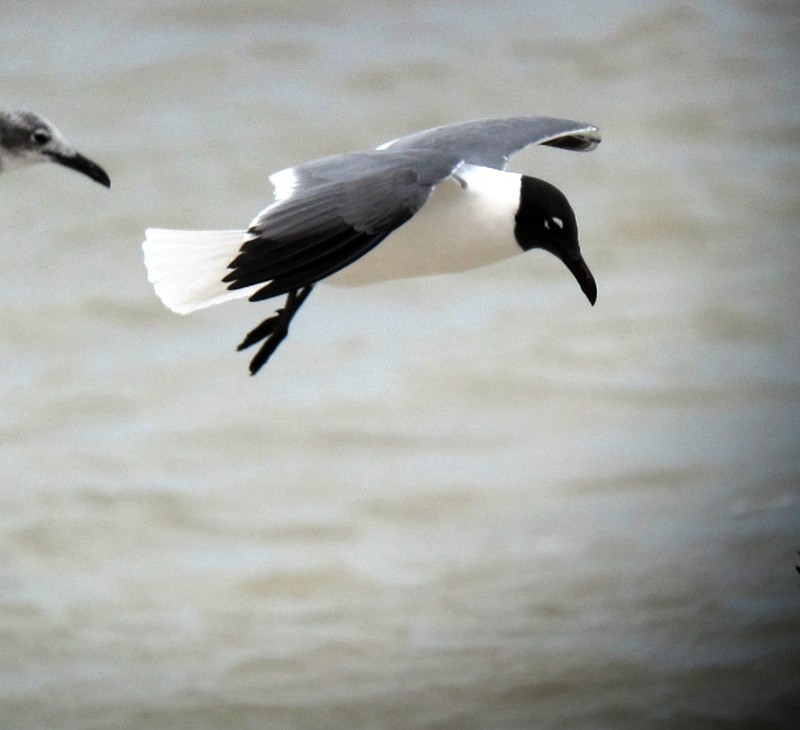
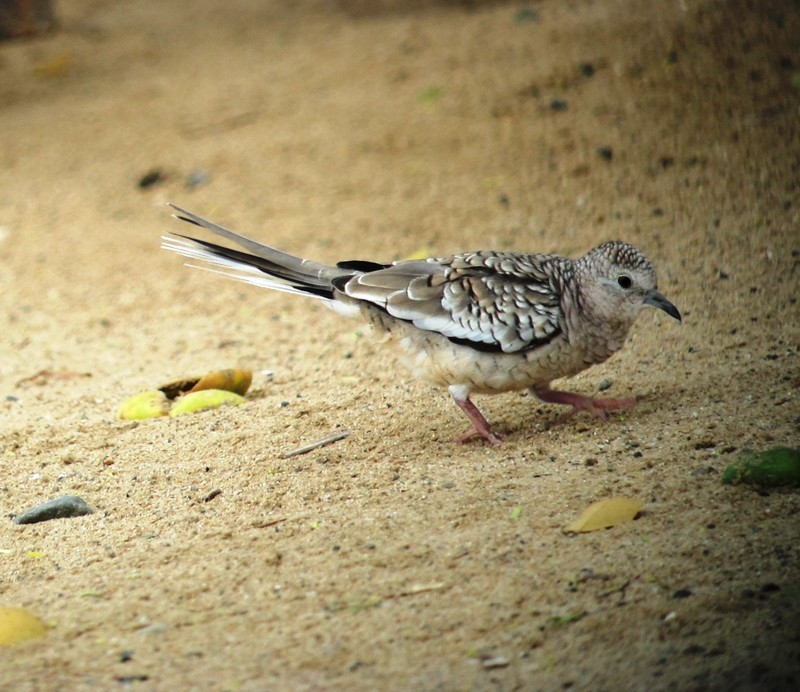
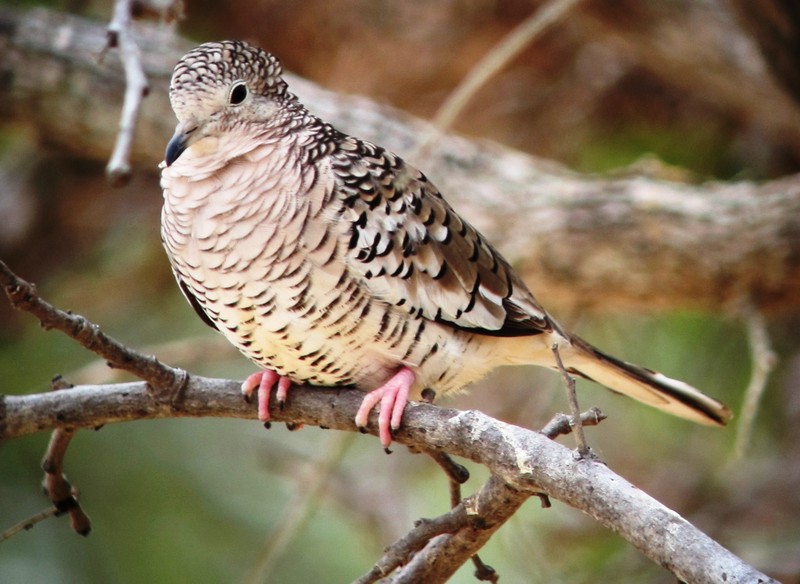
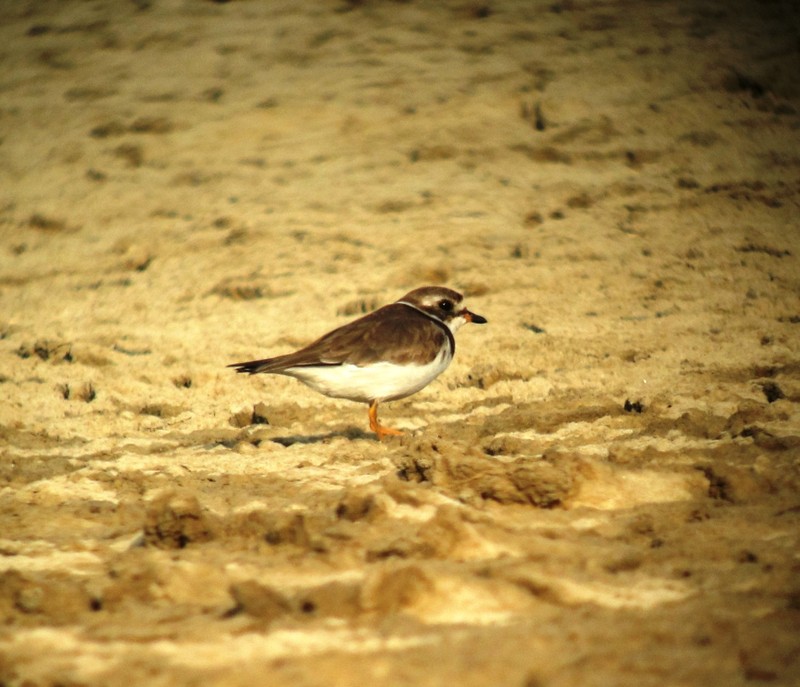
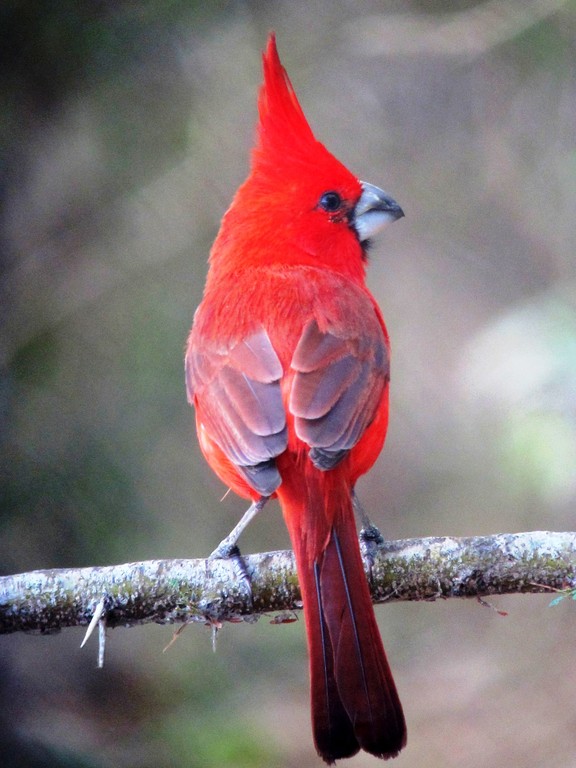
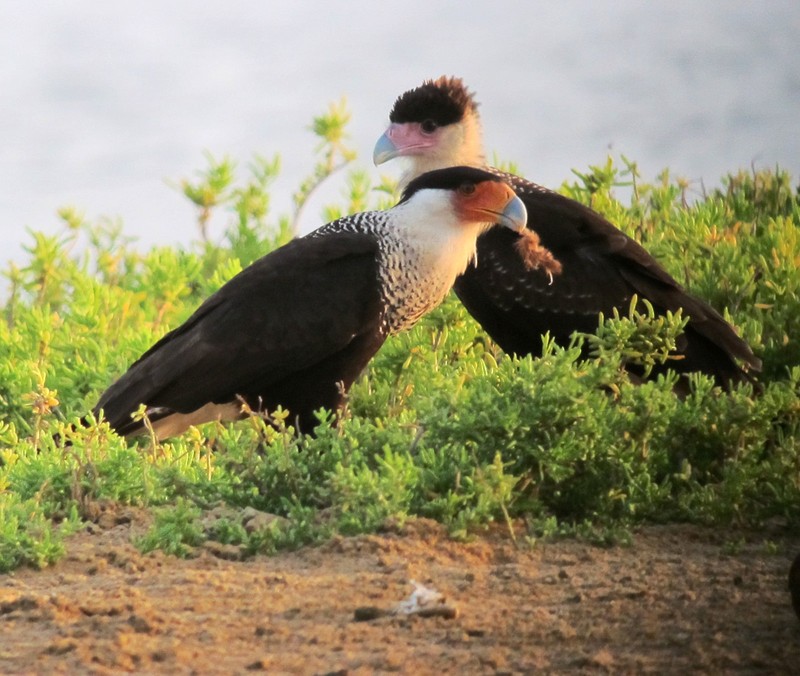
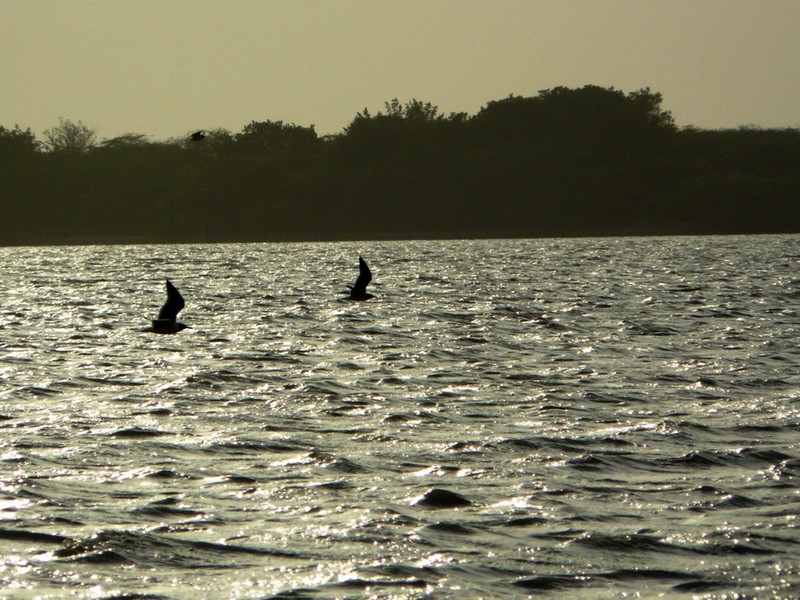
Besides flamingos, the sanctuary is home to white and blue herons, ibises, kingfishers, ducks, shorebirds and other waterbirds. The area is important for the conservation of both resident and migratory species. Bird numbers and the chance of seeing large flocks of flamingos depend on the season, water levels and food availability.
Natural landscapes
The sanctuary covers approximately 7,000 hectares. Its ecosystems include four coastal lagoons–Chentico, Navío Quebrado, Laguna Grande and Manzanillo–as well as mangrove forests, dry tropical forests and patches of very dry tropical vegetation. These habitats support a diversity of birds, fish, crustaceans, reptiles and mammals.
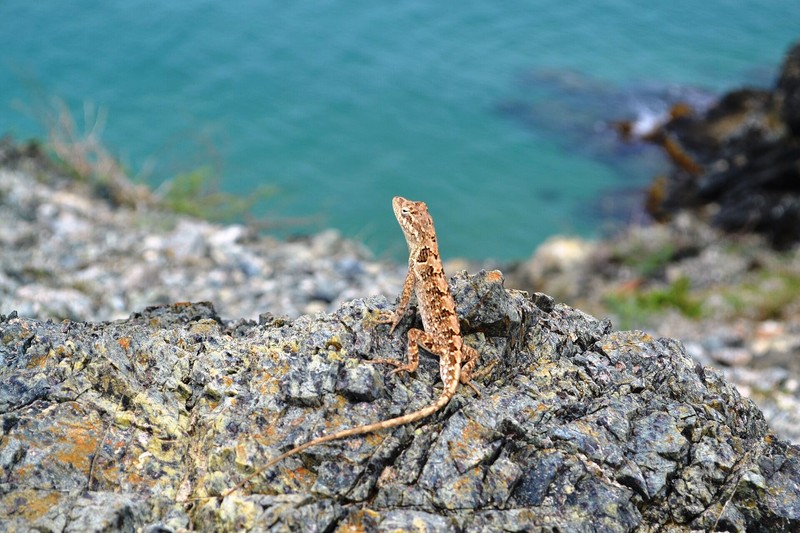
Mangroves play an important role in protecting the coastline and provide habitat for many aquatic organisms. In drier areas, shrubs and trees adapted to limited moisture grow. Iguanas and other reptiles, armadillos, monkeys and several small mammals can be found here. The combination of aquatic and arid habitats makes the sanctuary especially interesting for nature observation.
Wayuu culture
The sanctuary lies in a region closely connected with the culture of the Indigenous Wayuu people. Local communities preserve traditional knowledge about the lagoons, birds and seasonal changes in nature. Tours with local guides offer insight not only into wildlife but also into regional history, traditions and Wayuu perspectives on the environment.
In some places, visitors can take trips across the lagoons in small boats or canoes. These excursions allow birdwatching from the water and provide an opportunity to learn about local ecosystems from residents. Visitors should follow their guide’s instructions, keep a respectful distance from birds and never try to frighten them into flight for a photograph.
Things to do in the sanctuary
The main activities at Los Flamencos are birdwatching, nature photography, walks along permitted trails and boat excursions on the lagoons. Visitors can also learn about the traditional culture of local communities and relax on the coast in designated areas. Binoculars are useful for birdwatching, while a zoom lens helps photograph wildlife without disturbing it.
The sanctuary is a protected natural area, so routes and available activities may depend on ecosystem conditions, water levels and current regulations. Before travelling, check visiting conditions with the sanctuary administration or authorized local operators.
Climate and the best time to visit
The climate around Los Flamencos is hot and semi-arid. Average temperatures generally range from 27 to 30 °C, and sunlight can be intense throughout the year. The drier period usually falls between December and March, while rain is more common from April to November, although rainfall patterns vary from year to year.
Birds can be observed in different months, but their numbers and distribution across the lagoons change with water levels and food availability. It is best to ask local guides in advance where flamingos are most likely to be seen at the time of your visit. Bring a hat, lightweight clothing, drinking water and sun protection.
How to reach Los Flamencos Sanctuary
The sanctuary is near the settlement of Camarones, approximately 20 kilometres south of Riohacha along the coastal highway. Riohacha can be reached by air or by land, after which visitors can continue by car, taxi or local bus towards Camarones. A road from the settlement leads to the coastal section of the sanctuary.
Before visiting, confirm entry requirements and which routes are accessible. According to Colombia’s national parks authority, visitors must attend an introductory briefing and be accompanied by a local guide or authorized interpreter. Tours, boat trips and other services may be charged separately. Avoid single-use plastics, take all rubbish with you and do not disturb wildlife.
Why visit Los Flamencos
Los Flamencos Sanctuary is one of Colombia’s notable destinations for discovering birds and the natural environment of the Caribbean coast. Pink flamingos share the landscape with mangroves, coastal lagoons and dry tropical habitats. A visit combines wildlife observation with an introduction to Wayuu culture and reveals the less familiar, arid side of the Caribbean region.
Gallery