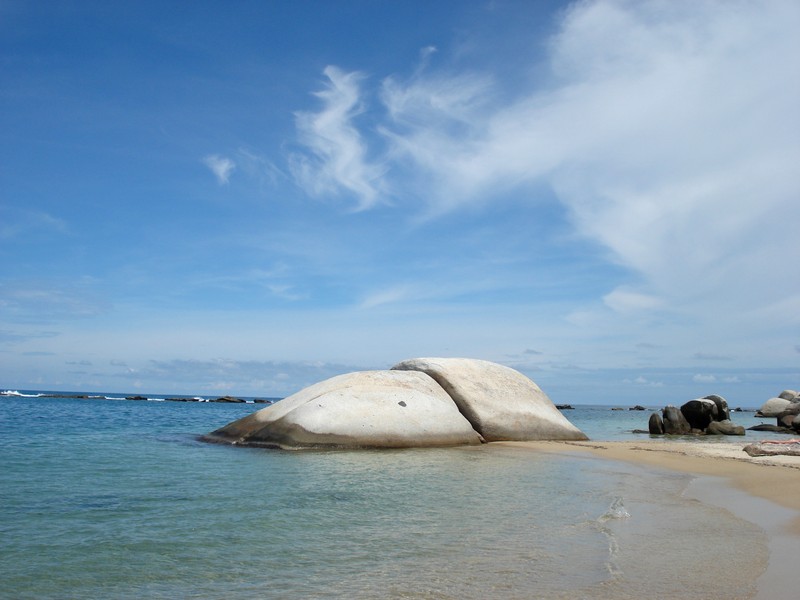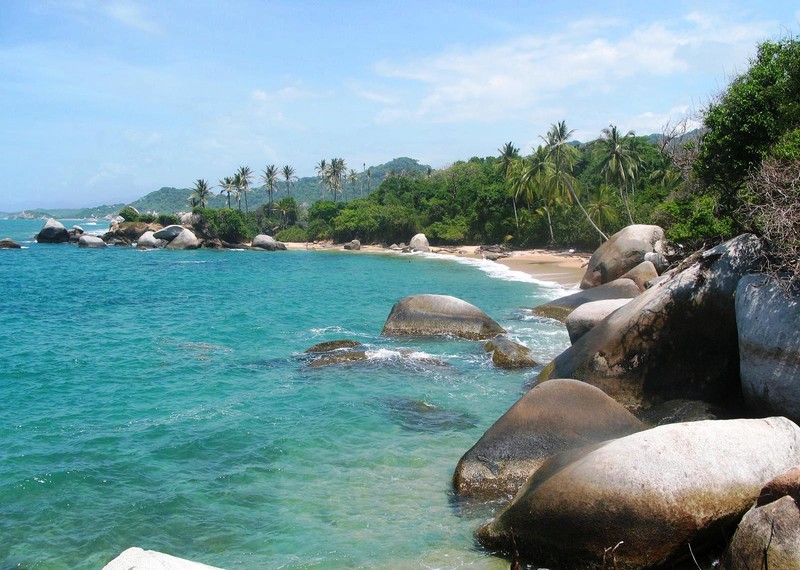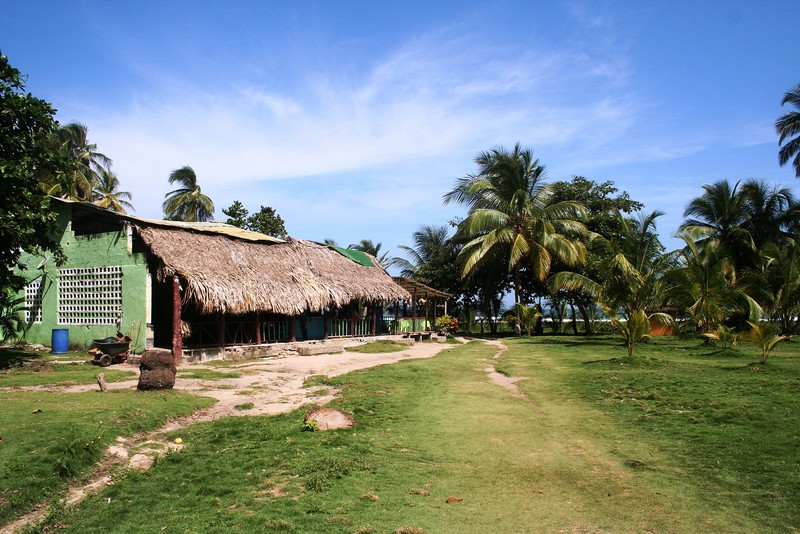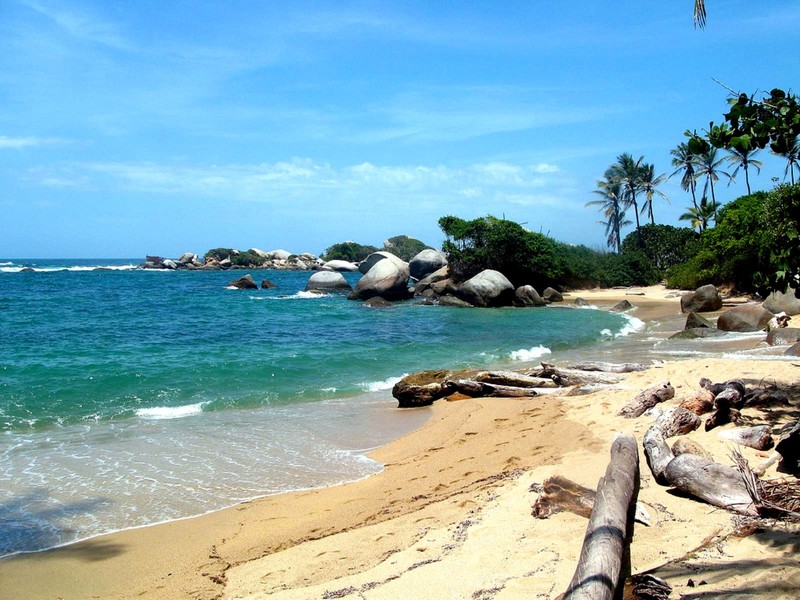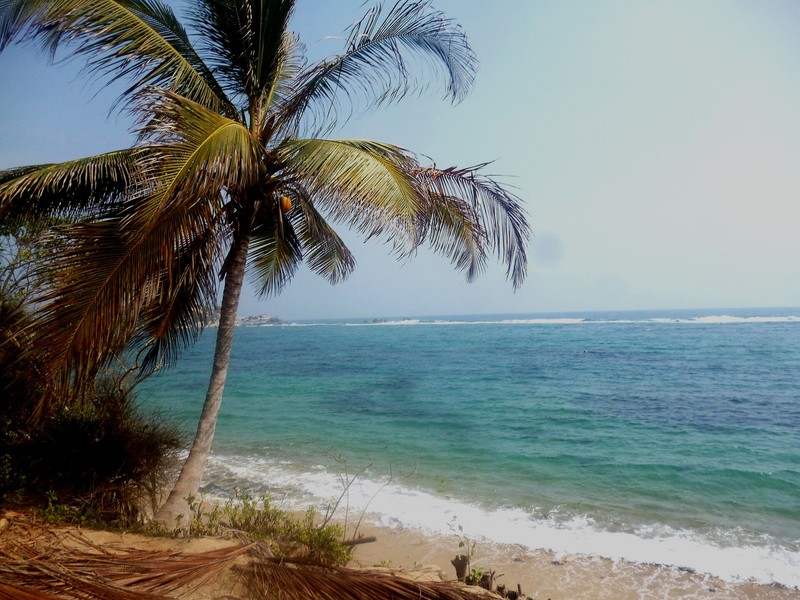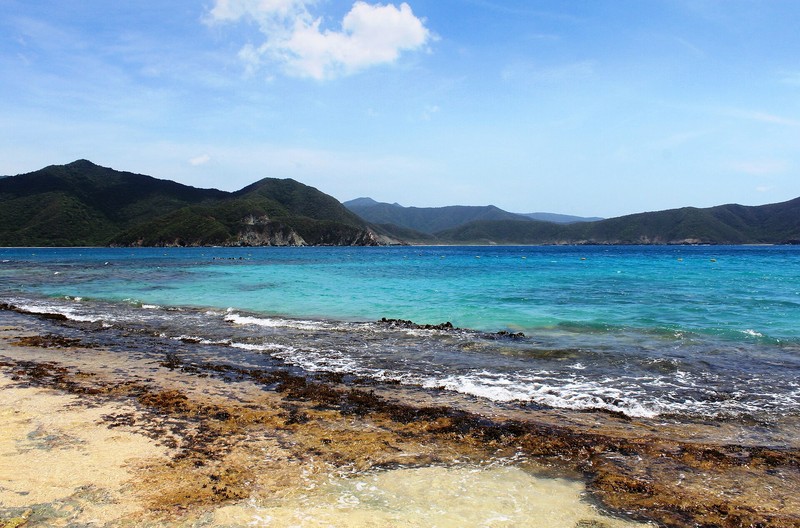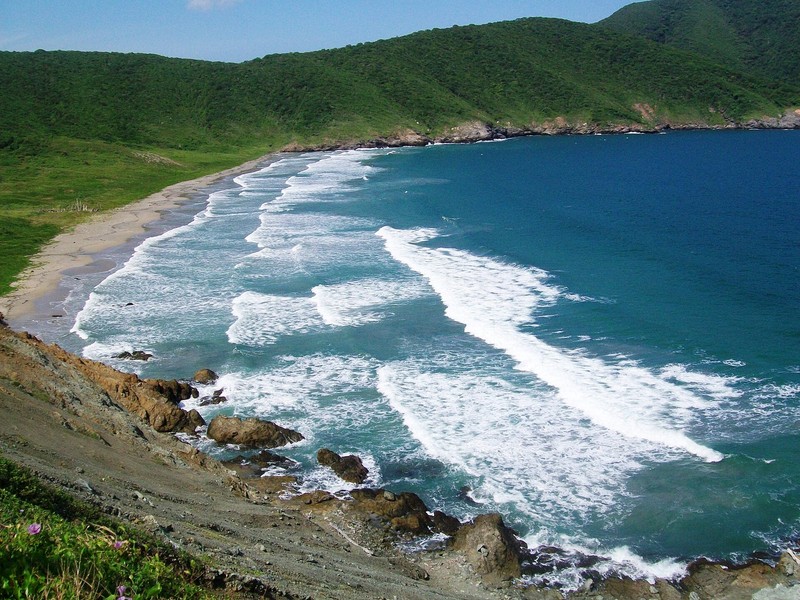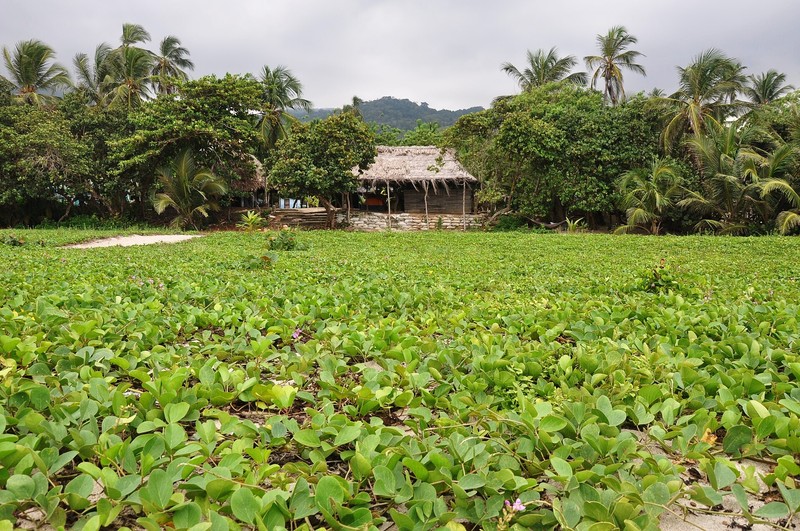

Tayrona National Natural Park is one of Colombia’s best-known natural attractions, located on the Caribbean coast in the department of Magdalena. Tropical forests descend toward sandy beaches, rocky headlands and turquoise bays, while coral reefs and marine ecosystems lie offshore. The park attracts visitors with its dramatic scenery, hiking trails, wildlife-watching opportunities and the cultural heritage of Indigenous peoples.
Where Tayrona National Park Is Located
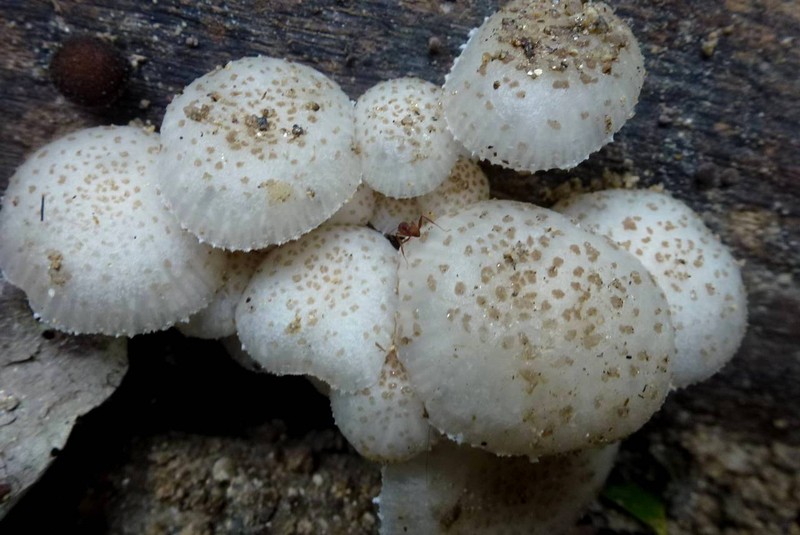
The park lies on Colombia’s northern coast, near Santa Marta and at the foothills of the Sierra Nevada de Santa Marta mountain range. A relatively compact area contains several ecosystems, including tropical dry forest, humid forest, mangroves, coastal lagoons, rocky shorelines and coral communities. The meeting of mountains and the Caribbean Sea makes Tayrona one of the region’s most diverse natural landscapes.
History and Conservation
Tayrona National Natural Park was established on August 31, 1964. It protects terrestrial and marine ecosystems as well as areas of great importance to the Indigenous peoples of the Sierra Nevada de Santa Marta. For the Kogi, Arhuaco, Wiwa and Kankuamo peoples, the local mountains, forests, beaches and waters are connected with traditional beliefs about spiritual balance and the protection of nature. Visitors should respect sacred places and the customs of local communities.
The Most Beautiful Beaches in Tayrona
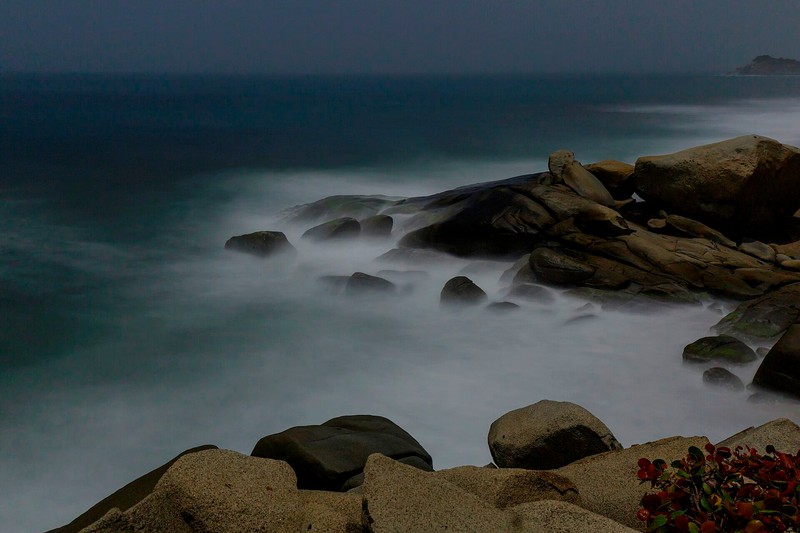
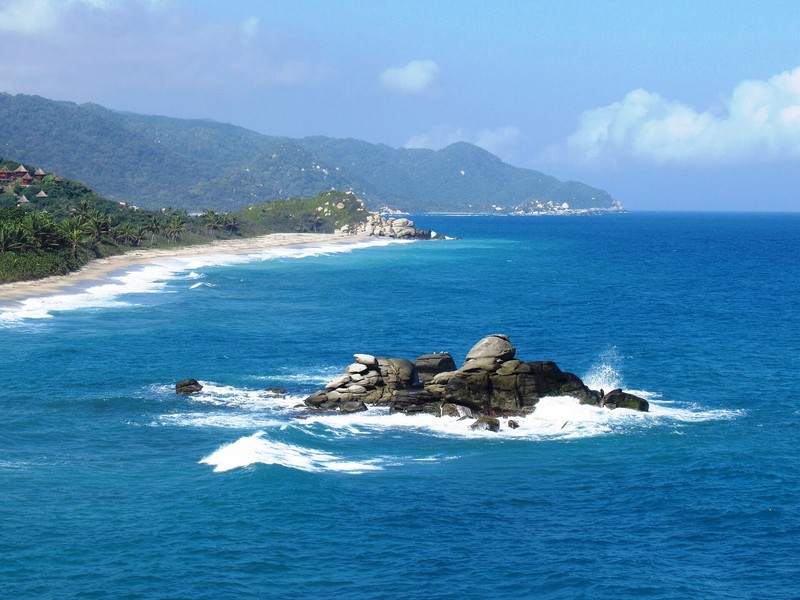
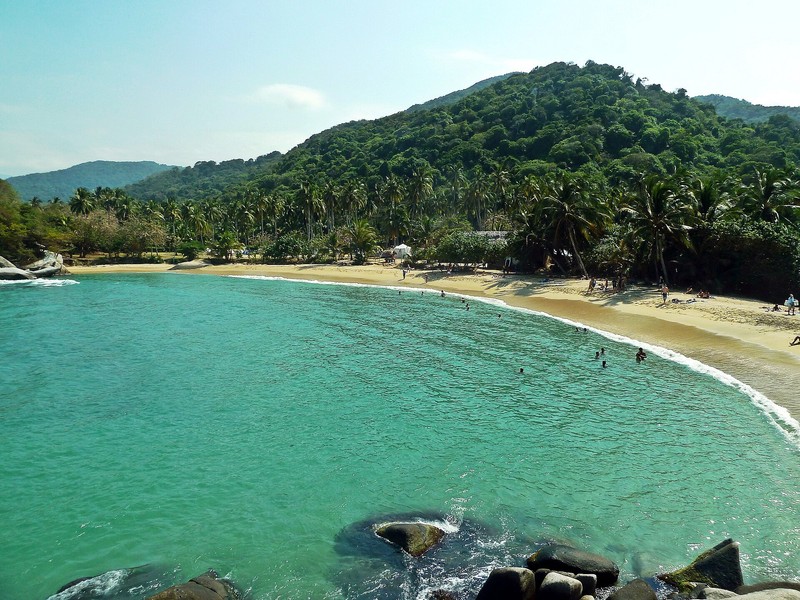
One of the park’s main attractions is its variety of bays and beaches. Cabo San Juan del Guía is known for its scenic shoreline, large boulders and viewpoints. Arrecifes attracts visitors with its natural scenery and coastal trails, although swimming can be dangerous because of strong currents. La Piscina is a more sheltered stretch of coast where swimming may be permitted under current conditions. Bahía Concha is a popular seaside destination with a separate access route. The Neguanje area includes beaches that can be reached by boat, including Playa Cristal.
Tropical Forests and Wildlife
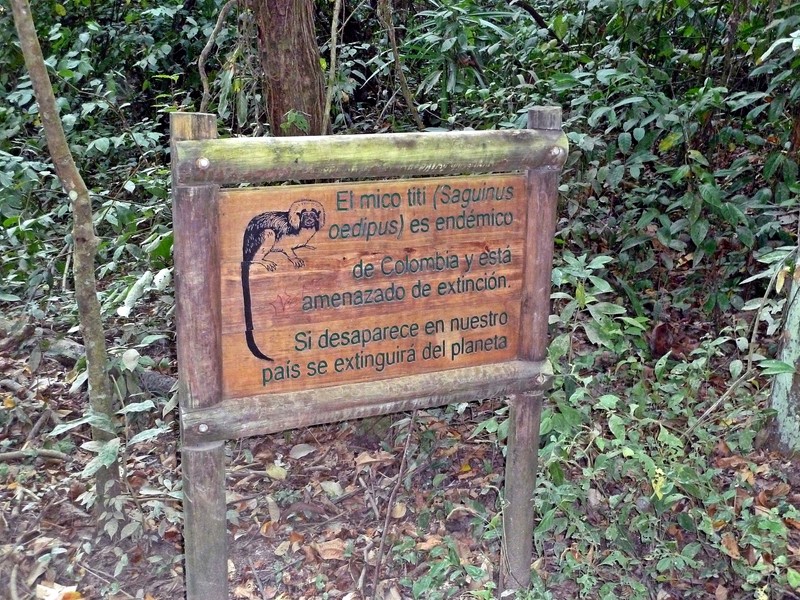
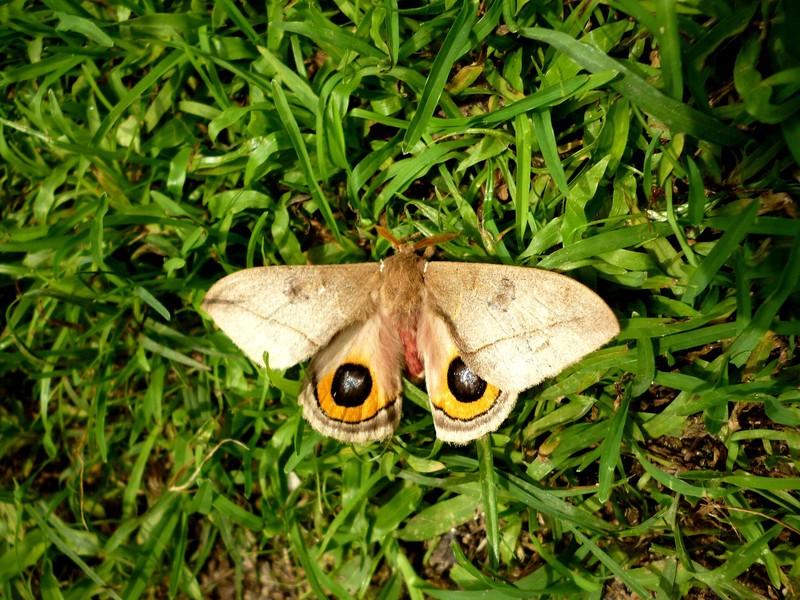
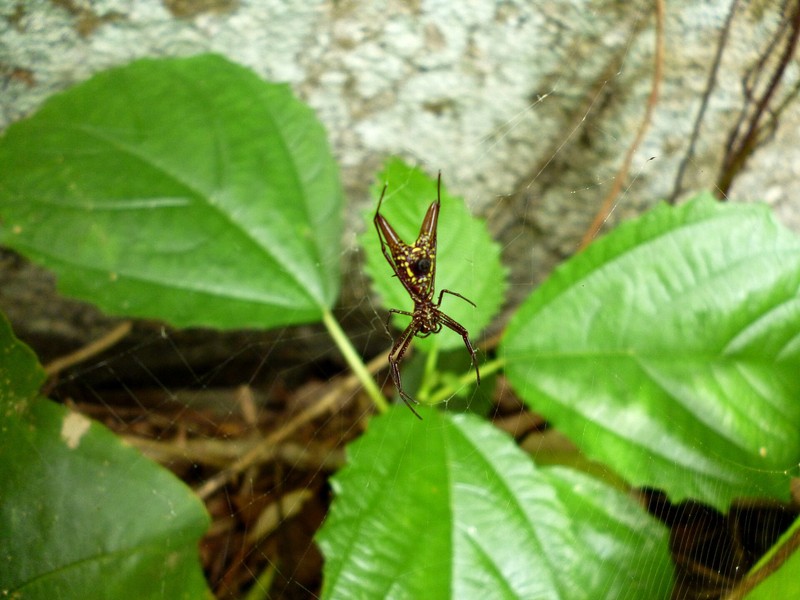
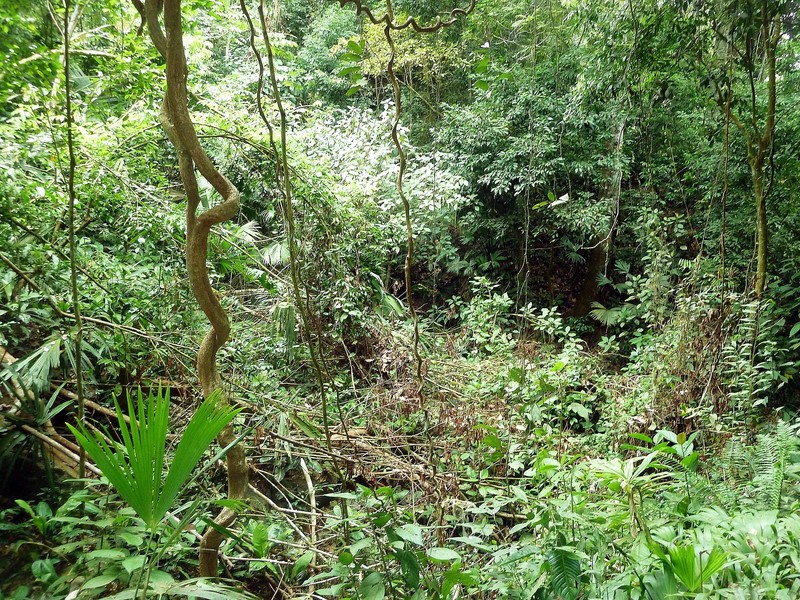
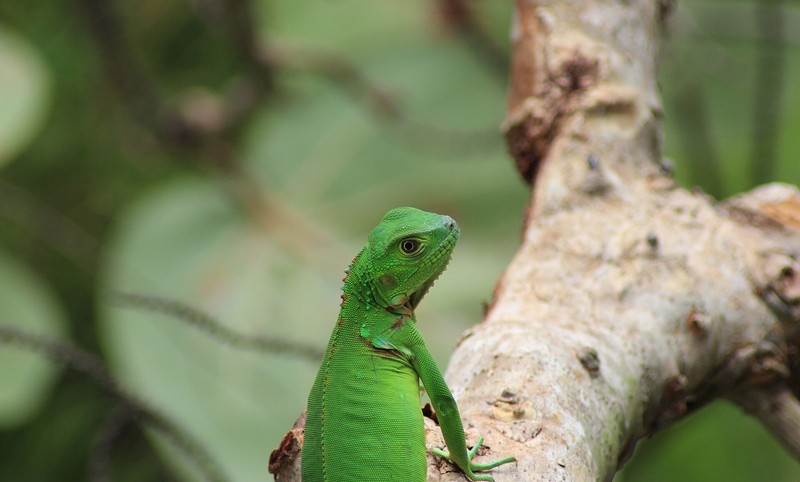
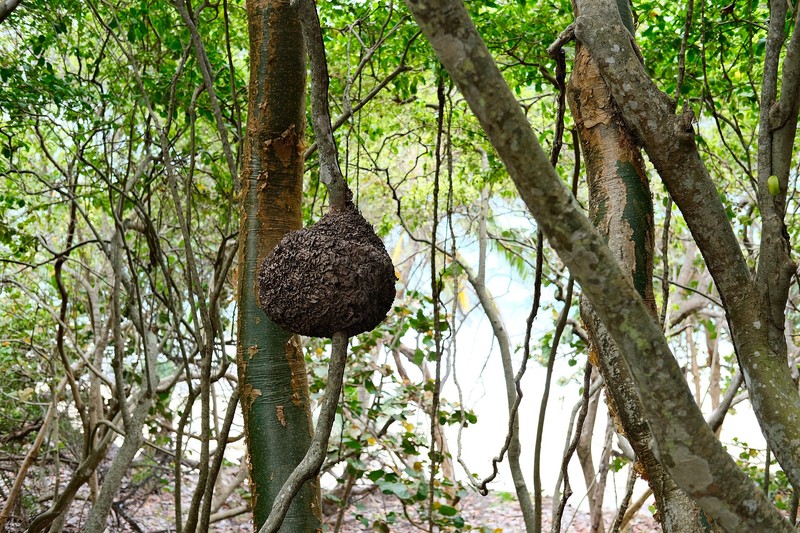
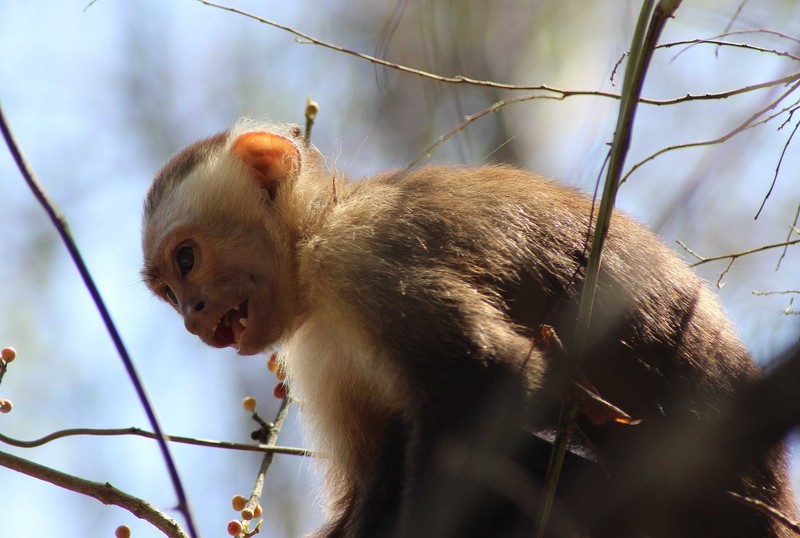
Tayrona is notable for its rich ecosystems. Monkeys, ocelots, jaguars, pumas and many other animals inhabit its dry and humid tropical forests, although sightings of large wild cats are rare. Hundreds of bird species have been recorded, including rare and endemic species from northern Colombia. Coastal habitats include mangroves, seagrass beds, coral communities and areas used by sea turtles. To protect the natural balance, visitors must not feed wildlife, leave marked trails or litter.
Hiking Trails
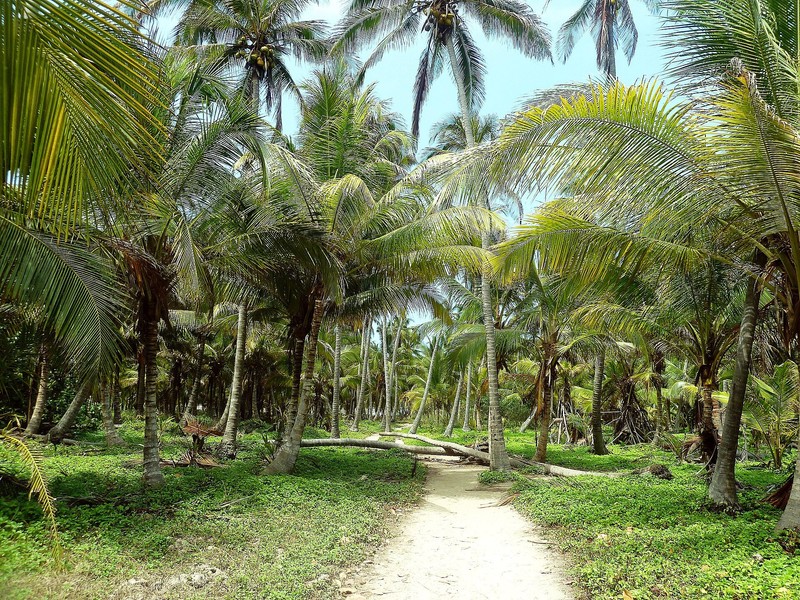
One popular route begins at the El Zaino entrance and passes through the Cañaveral sector toward Arrecifes and Cabo San Juan. Along the way, visitors can see tropical vegetation, coastal rocks and natural viewpoints. Other routes lead to beaches and bays through the Calabazo and Palangana entrances. The difficulty and duration of a walk depend on the route, heat, humidity and trail conditions. For longer hikes, bring sturdy footwear, drinking water, sun protection and enough time for the return journey.
How to Get to Tayrona
Santa Marta is the nearest major transport hub. From there, visitors can reach different park entrances by bus, car or organized transfer. Main land entrances include El Zaino, Calabazo, Palangana and Bahía Concha. Some beaches can only be reached by boat or require an additional walk. Before travelling, check which entrance serves your chosen route, as distances between sectors can be considerable and access conditions may change.
Best Time to Visit
The Tayrona coast is warm throughout the year, with generally high humidity. Weather and sea conditions vary seasonally, so check rainfall forecasts and sea conditions before travelling. The national park also closes periodically during environmental and cultural restoration periods agreed upon with Indigenous communities. Confirm closure dates, beach access, swimming restrictions and opening hours on the official park website before your visit.
Practical Tips for Visitors
Bring drinking water, a hat, sunscreen, insect repellent and comfortable footwear for the trails. Swim only at authorized beaches and pay attention to warning signs, as strong currents can be extremely dangerous in some areas. Follow protected-area rules, take your rubbish with you, avoid collecting plants and do not disturb wildlife. If you plan to stay overnight, check availability in authorized campsites or eco-lodges in advance. Tayrona is ideal for travellers who want to combine a Caribbean beach holiday with tropical forest walks and an introduction to Colombia’s natural heritage.
Gallery