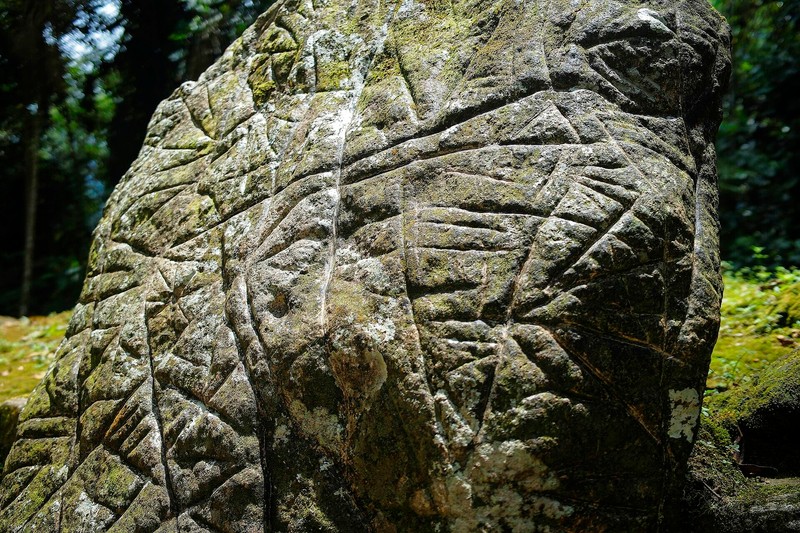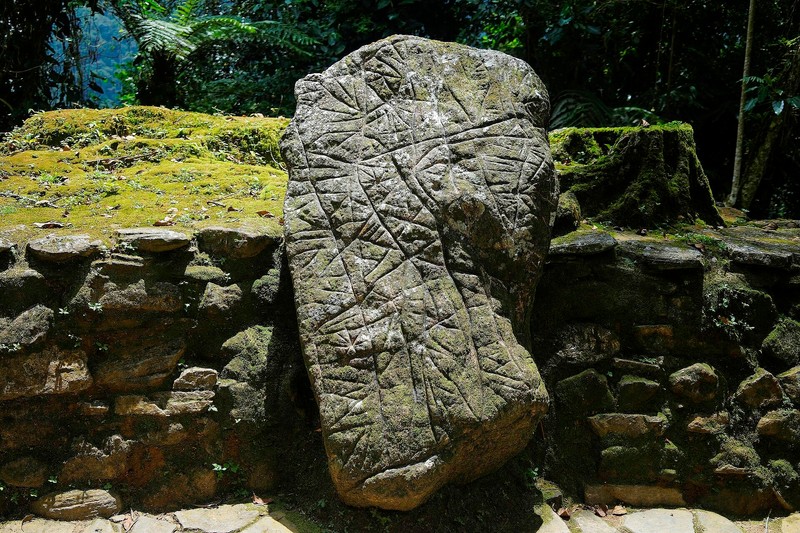

Ciudad Perdida, or the Lost City, is an ancient archaeological complex in the Sierra Nevada de Santa Marta mountains of northern Colombia. Hidden among the dense tropical forests of the Magdalena Department, it is known for its stone terraces, stairways, plazas, and remains of a settlement built by the Indigenous Tayrona people. The archaeological site is also called Teyuna and is one of the most important surviving records of ancient cultures in Colombia's Caribbean region.
History of the Lost City
Ciudad Perdida is believed to have been founded around the seventh or eighth century AD, long before the famous Inca city of Machu Picchu. It became an important political, economic, and spiritual center for the Tayrona. Its inhabitants maintained connections with other mountain communities and used a network of stone paths to travel between settlements.
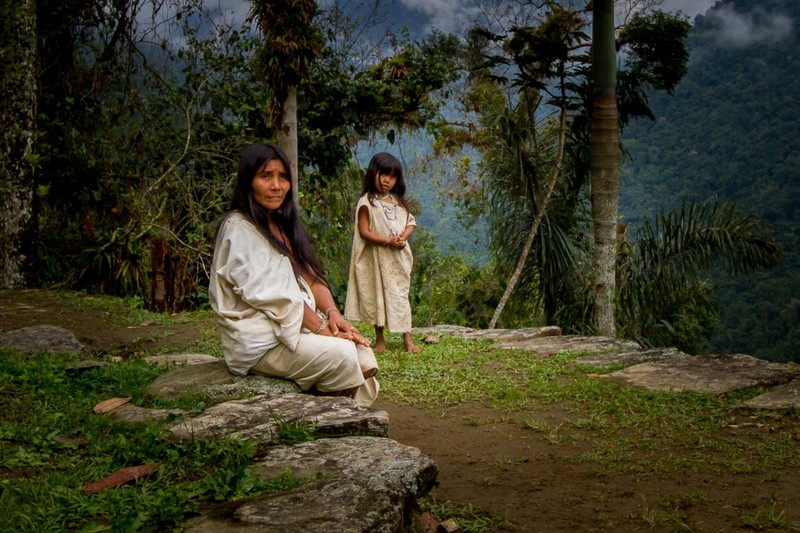
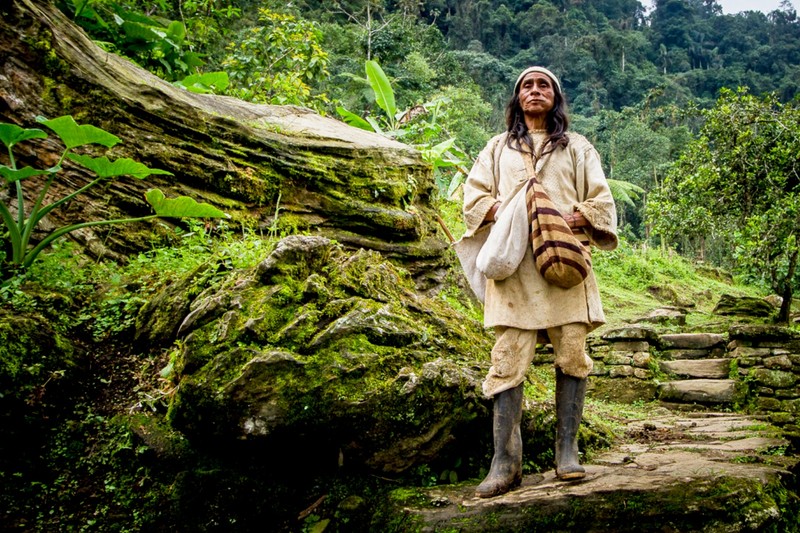
Following the Spanish conquest of the region, the ancient city was gradually abandoned and covered by dense vegetation. Indigenous communities, including the Kogi, Arhuaco, and Wiwa, retained knowledge of the area and consider it part of their cultural and spiritual heritage. Archaeologists became aware of the site in the 1970s, and systematic research and conservation work began in 1976.
Architecture and archaeological features
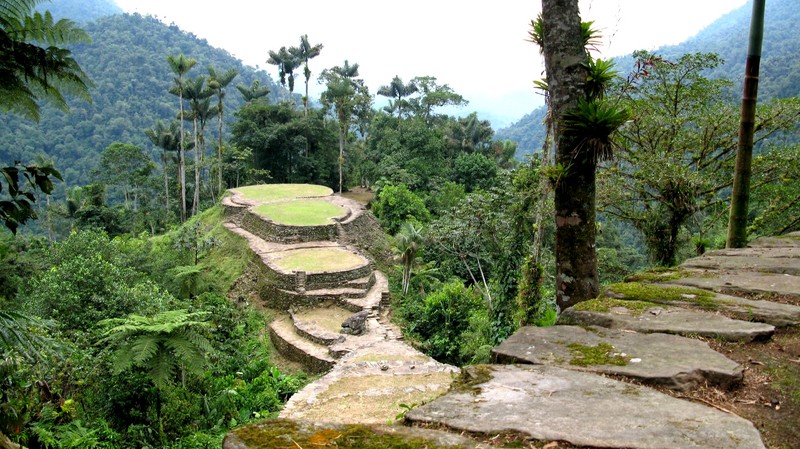
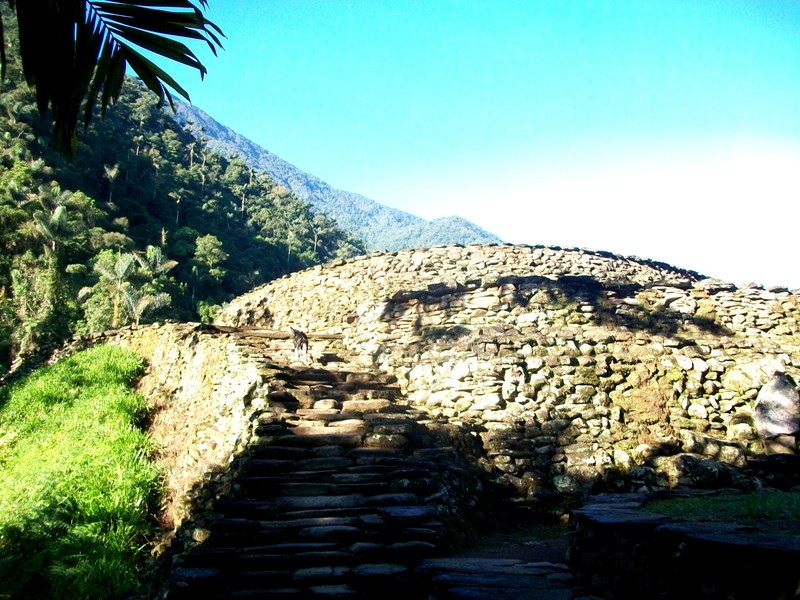
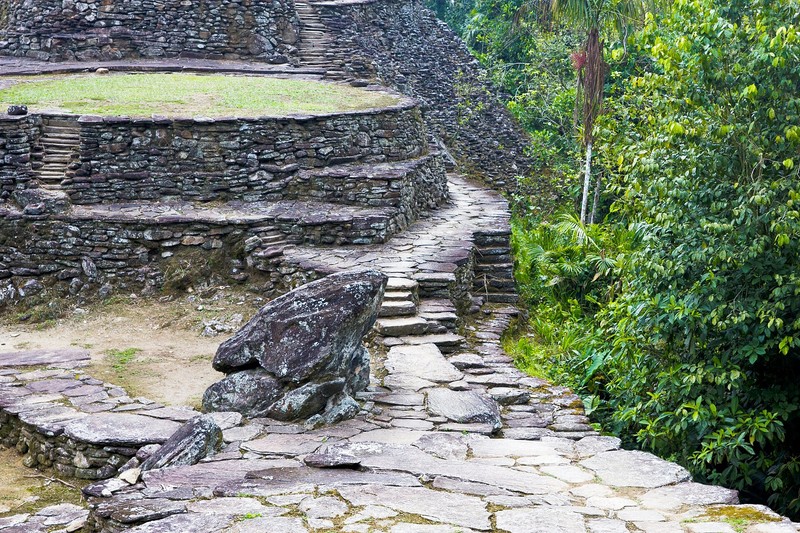
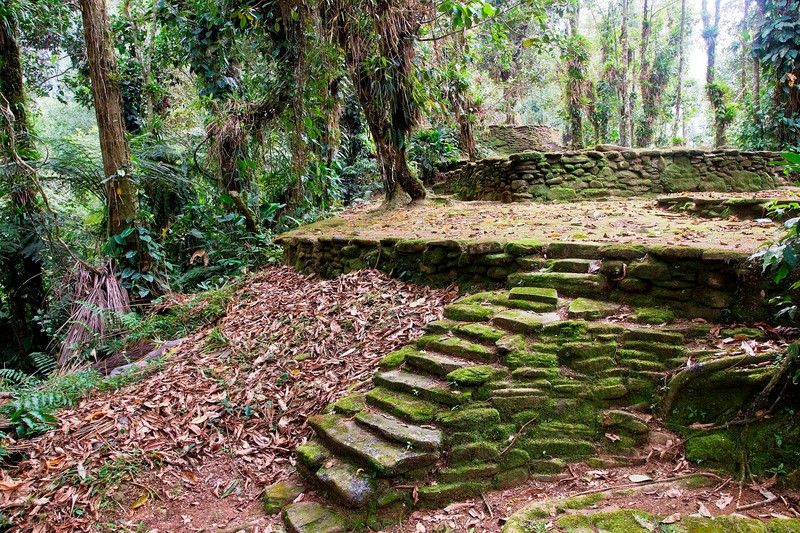
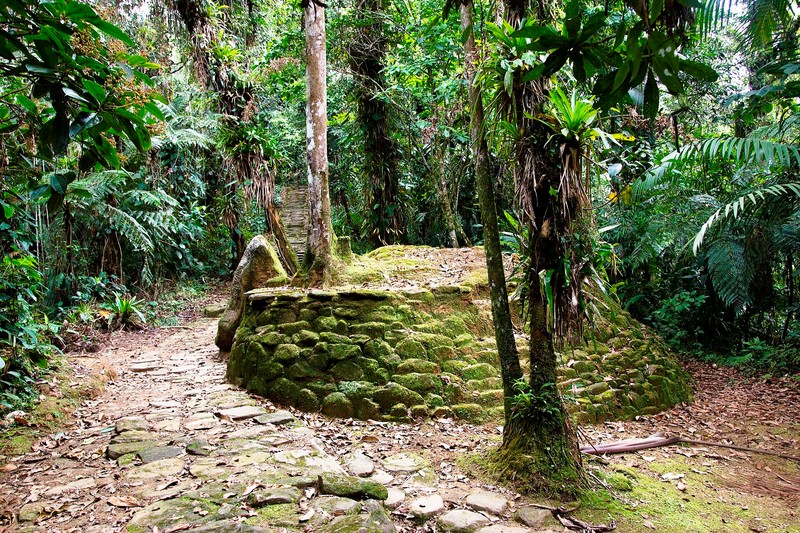
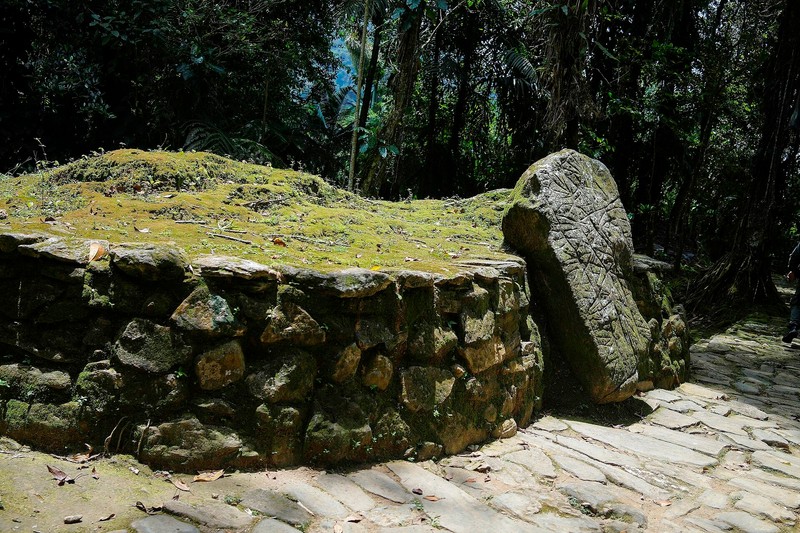
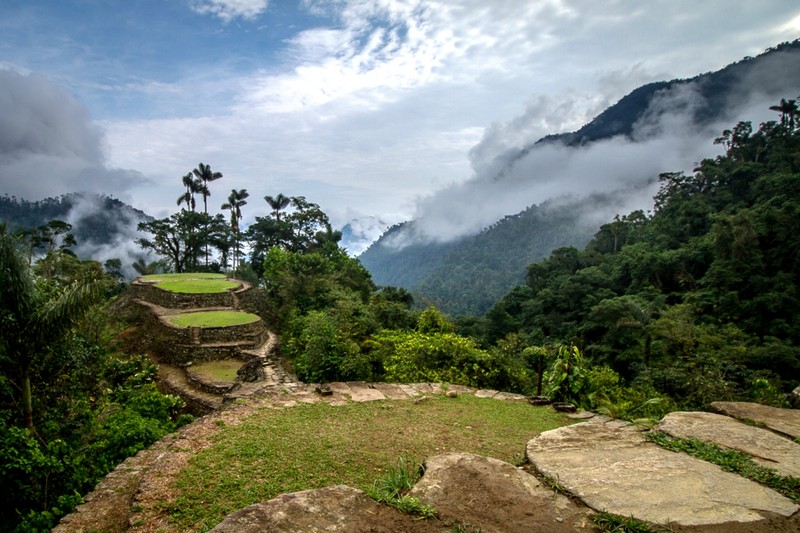
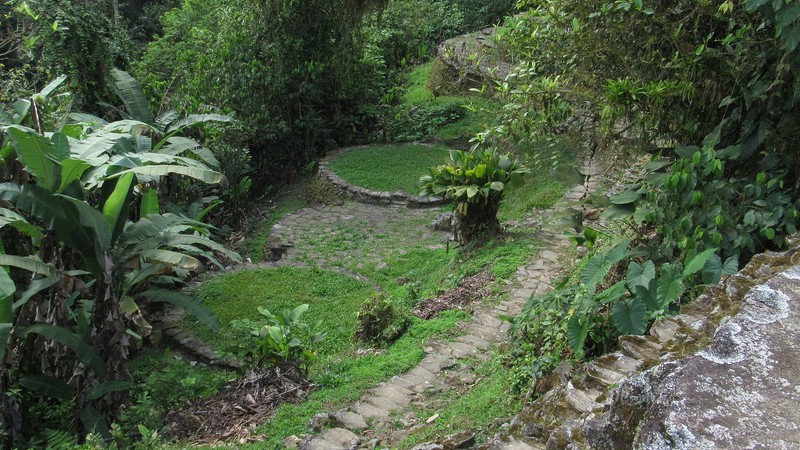
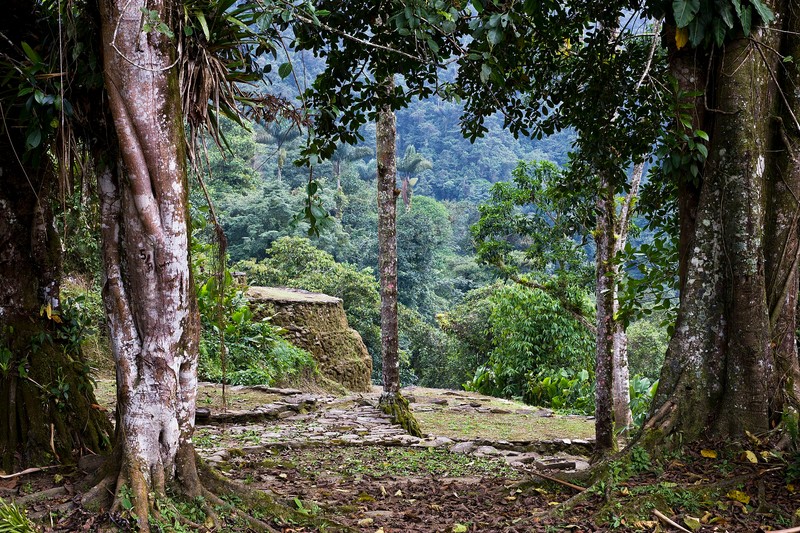
The defining feature of Ciudad Perdida is its system of stone terraces built on steep mountain slopes. These platforms once supported circular houses with roofs made from plant materials, domestic areas, and spaces for communal and ceremonial activities. The terraces were connected by stairways, paved paths, and small plazas.
The settlement's engineering is particularly remarkable. Stone retaining walls stabilized the slopes, helped prevent soil erosion, and provided secure building platforms. A rainwater drainage system helped manage water during heavy tropical downpours. These structures reveal the inhabitants' detailed understanding of local terrain, climate, and mountain construction.
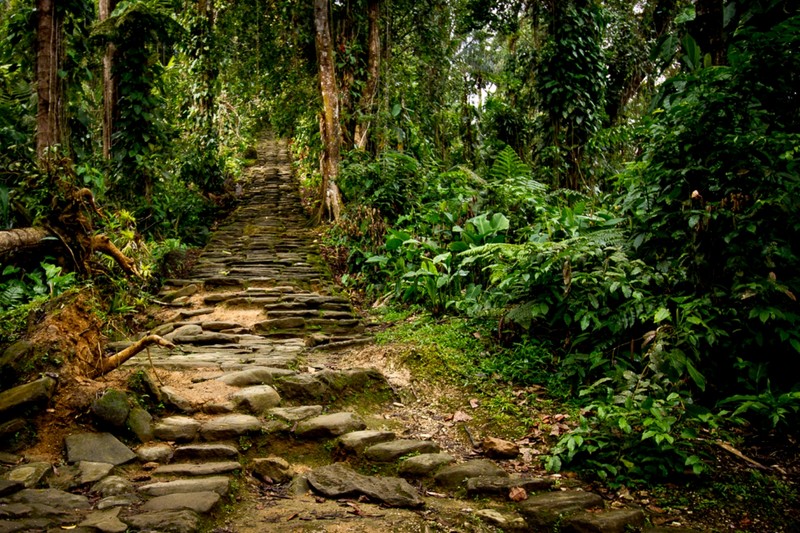
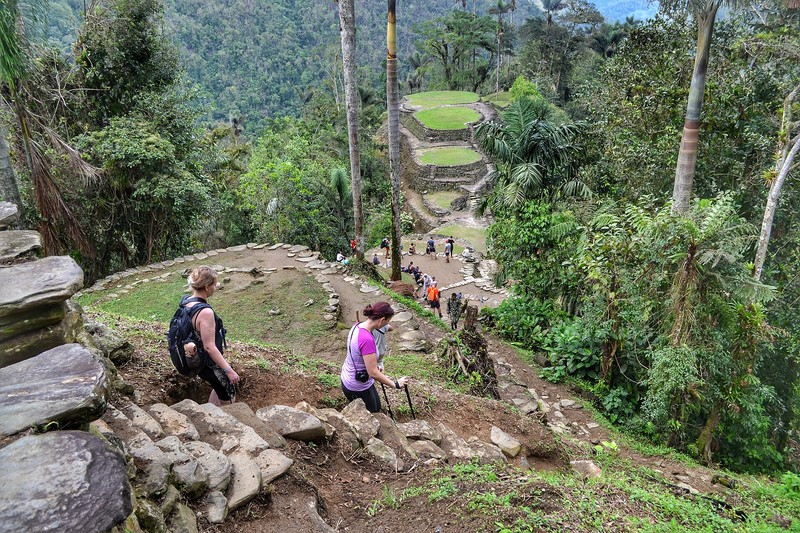
One of the most impressive parts of the complex is the long stone staircase leading to the upper terraces. Visitors must climb around 1,200 steps on the final approach. From the upper platforms, views extend across forest-covered slopes and the surrounding mountains.
Nature of the Sierra Nevada de Santa Marta
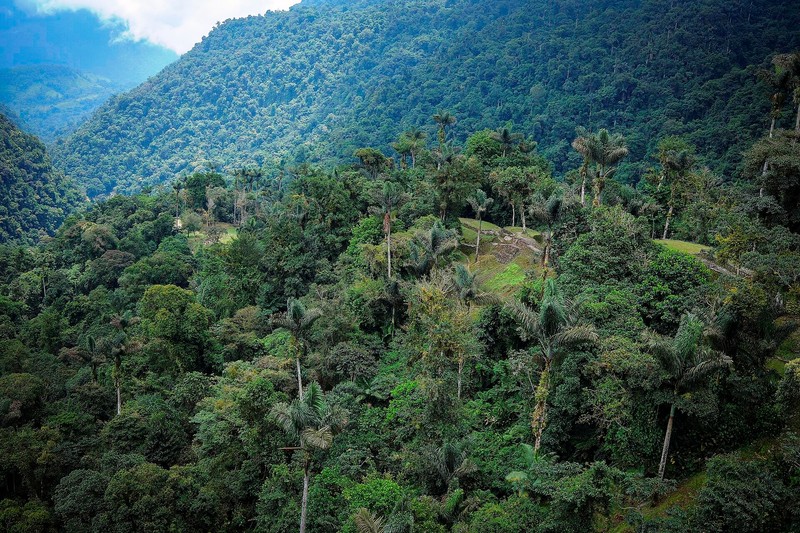
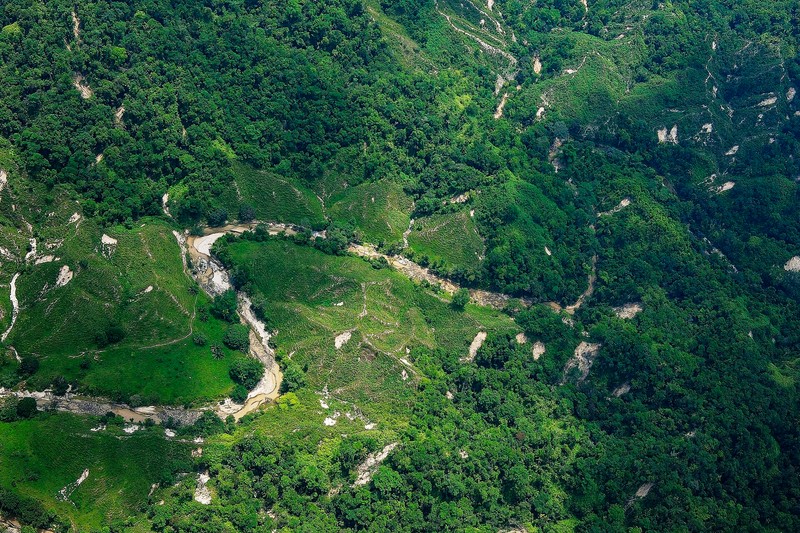
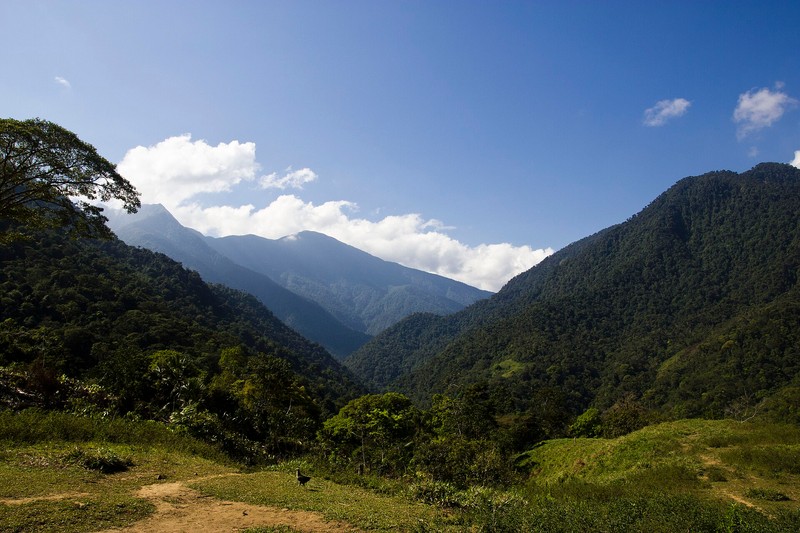
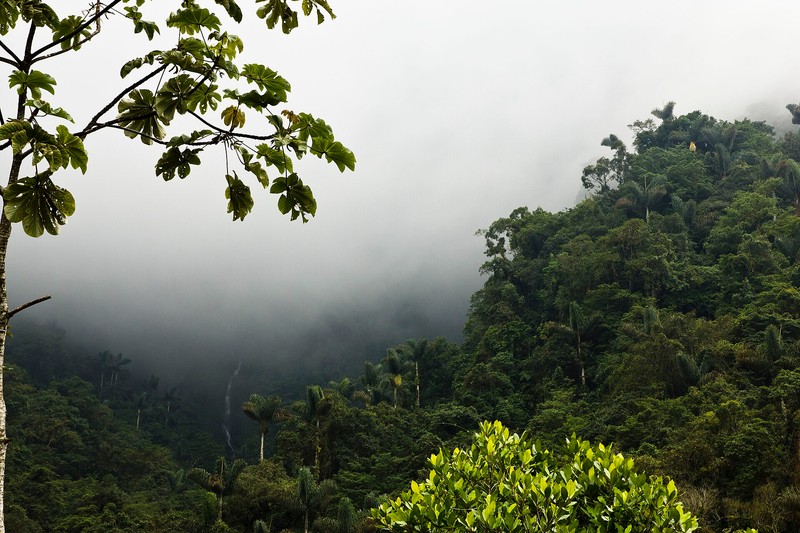
The Lost City lies in one of Colombia's most ecologically diverse regions. The Sierra Nevada de Santa Marta rises from the Caribbean coast to high snow-capped peaks, creating a range of climates and ecosystems. Around the archaeological complex, humid tropical forests are home to tall trees, vines, ferns, and a wide variety of birdlife.
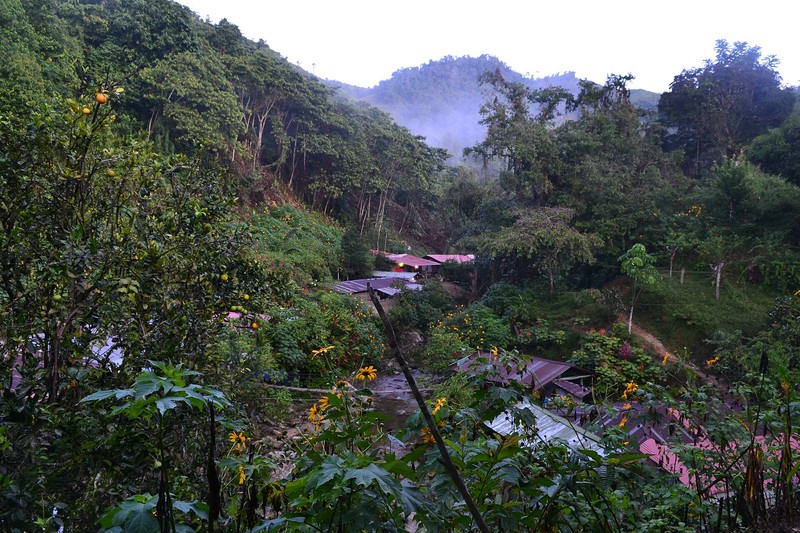
Along the trail, hikers cross mountain rivers, follow forest paths, and pass small waterfalls and natural pools. The hot, humid climate, steep climbs, and slippery sections make the trek physically demanding. Nature is inseparable from the site's heritage: the forest and mountains remain an essential part of a landscape considered sacred by Indigenous communities.
How to get to Ciudad Perdida
The main starting point is Santa Marta, a city on Colombia's Caribbean coast. It can be reached by air from other major Colombian cities or by ground transport. Organized transfers from Santa Marta take visitors to the trailhead, where the journey continues on foot along mountain paths through forests and river valleys.
Visiting Ciudad Perdida requires a multi-day trek. The most common itinerary lasts four days, although some tours take three, five, or more days. Packages generally include a guide, meals, and overnight stays in established camps. Independent hiking to the archaeological complex is not recommended: the trail crosses remote terrain, and visits must follow requirements set by conservation authorities and Indigenous communities. Book in advance with an authorized operator.
Best time to visit
Trekking takes place during different months of the year, but conditions depend on the rainy season. Drier periods, often from December to March and June to August, generally bring less muddy trails and potentially easier river crossings. During wetter months, the forest becomes especially lush, but heavy rain, slippery climbs, and difficult crossings are more likely. Check current trail conditions and possible temporary closure dates before traveling.
What to bring
Essential items for the multi-day trek include comfortable hiking boots with good grip, lightweight clothing, spare socks, a rain jacket, insect repellent, sunscreen, and a personal first-aid kit. Protect your phone, documents, and camera in a waterproof case or dry bag. Because the route is hot and humid, drink enough water and follow your guide's instructions.
Ciudad Perdida is not an ordinary sightseeing stop but a remote archaeological site that requires time, preparation, and respect for local traditions. The journey offers an opportunity to discover the remarkable legacy of the Tayrona civilization, experience Colombia's mountain wilderness, and better understand the importance of this land to Indigenous peoples.
Gallery