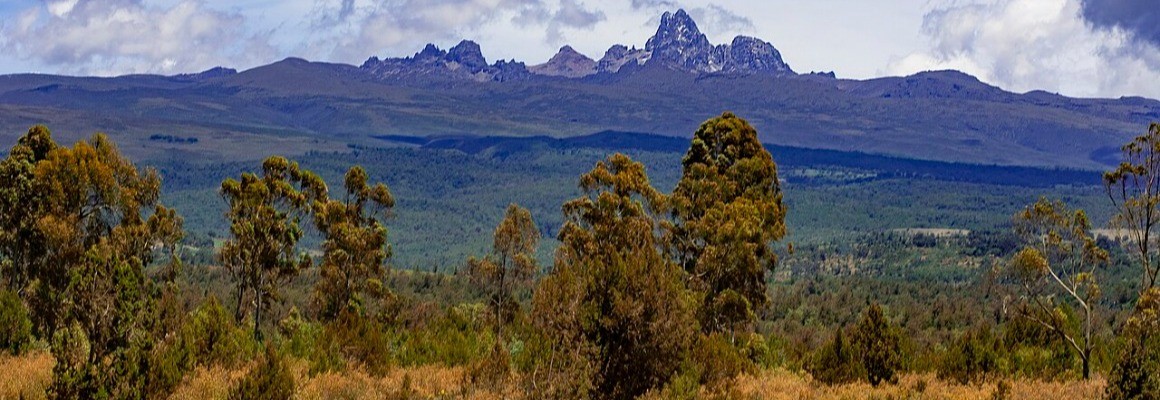
Samburu is one of Kenya's most distinctive wildlife reserves, located in the country's arid north. It is known for rare animals, the scenic banks of the Ewaso Ng'iro River, and savannah landscapes where acacias stand beside doum palms, rocky outcrops, and open plains. Unlike Kenya's wetter regions, Samburu is dominated by semi-arid habitats to which many northern species are well adapted.
The reserve covers about 165 square kilometres. It attracts travellers, photographers, and wildlife enthusiasts hoping to see northern Kenya's characteristic fauna, especially five species collectively known as the Samburu Special Five.
Geography and landscape
Samburu lies in Samburu County, roughly 320–350 kilometres north of Nairobi. The Ewaso Ng'iro River runs along the reserve's southern boundary and is the main source of water in this dry region. Doum palms, shrubs, and trees grow along its banks, forming a green corridor through the surrounding dry country. Beyond the river are open plains dotted with acacias, thorn scrub, and sparse grasses, with rocky hills rising in places.
This contrast between riverine vegetation and open savannah creates a variety of habitats. During dry periods, wildlife often gathers near water, making the river essential both for animals and for local communities whose lives have traditionally depended on livestock.
The Samburu Special Five
The reserve is particularly famous for five species associated with the drylands of northern Kenya. Grevy's zebra is the largest living zebra species, recognised by its narrow stripes and large rounded ears. The reticulated giraffe has a striking coat of large polygonal patches separated by pale lines. The gerenuk, sometimes called the giraffe gazelle, can stand on its hind legs to reach leaves on tall branches. The Beisa oryx has long, straight horns and distinctive black-and-white facial markings. The Somali ostrich is distinguished by the bluish-grey skin of its neck and thighs.
Seeing all five species during a single visit is never guaranteed, but they are a major reason wildlife lovers choose Samburu.
Other wildlife and birds
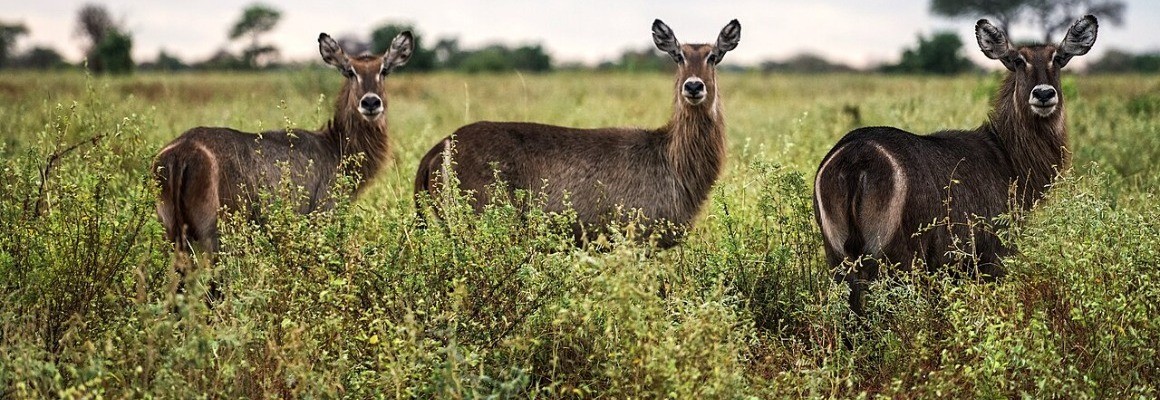
Samburu is also home to African elephants, lions, leopards, and cheetahs, along with impalas, waterbucks, warthogs, and other antelopes. Elephant herds often visit the river to drink and bathe. Hippos and Nile crocodiles may be found in the water, so visitors should never approach riverbanks without guidance.
Birdlife includes hornbills, vulturine guineafowl, kingfishers, weavers, and birds of prey. The mix of riverine forest, scrub, and open plains makes the reserve attractive to birdwatchers as well as safari travellers.
The Samburu people
The reserve takes its name from the Samburu people, who live in this part of Kenya. The Samburu are a Nilotic people of East Africa with cultural and linguistic links to the Maasai. Many communities have traditionally practised pastoralism, with cattle, goats, and camels playing important roles in their livelihoods and social life.
Samburu cultural traditions include distinctive clothing, beadwork, music, and dance. Visitors to local communities should be respectful and ask permission before photographing people. Community-based conservation is also important because local livelihoods and wildlife depend on the same land and water resources.
History and conservation
Samburu National Reserve was established in 1985 and is managed by Samburu County. Together with Buffalo Springs and Shaba reserves, it forms part of a wider wildlife landscape in northern Kenya. Although the reserves have separate boundaries and entry arrangements, animals move through the connected habitats.
Protecting rare species requires safeguarding breeding areas, migration routes, and water sources. Research, wildlife monitoring, and cooperation with local communities help conservation efforts, particularly for Grevy's zebras, reticulated giraffes, and elephants. Visitors can contribute by staying on permitted tracks, never feeding animals, and taking all rubbish away.
Best time to visit
Samburu can be visited throughout the year. The dry periods from June to October and January to February are often considered especially good for wildlife viewing because vegetation is less dense and animals gather more frequently near the river. During rainy months, the landscape becomes greener and bird activity increases, although some dirt roads may become harder to navigate.
Days can be hot, while mornings and nights are cooler. Early morning and late afternoon are popular times for game drives, offering softer light and opportunities to observe active wildlife. Bring a hat, sunscreen, drinking water, and binoculars.
Safaris and accommodation
Guided vehicle safaris are the main way to explore the reserve. Visitors can travel through riverine areas, open plains, and acacia scrub in search of wildlife in its natural habitat. Lodges and tented camps of different comfort levels operate inside or near the reserve, and advance booking is advisable during busy periods.
Samburu is often combined with visits to Buffalo Springs and Shaba, but these are separate protected areas with their own entry rules and fees. Check the arrangements before planning a cross-reserve safari.
How to get there
Most visitors travel from Nairobi by road via Nanyuki and Isiolo towards Archer's Post. The journey takes much of a day, depending on traffic and weather. A vehicle with good ground clearance and four-wheel drive may be useful on reserve tracks. Domestic flights to a local airstrip can be an alternative when services are available; confirm schedules and transfers before booking.
Samburu offers a distinctive view of Kenya: dry northern landscapes, unusual wildlife, elephants along a river, and the cultural heritage of local communities.
Gallery