
Cueva de los Guácharos National Natural Park is one of Colombia’s important protected areas, located in the south of the country in the Andes. It is named after caves that shelter oilbirds, unusual nocturnal birds that use echolocation to navigate in darkness. The park preserves humid mountain forests, limestone caves, waterfalls, and a rich variety of wildlife.
Location
The park lies in southern Colombia, mainly in the department of Huila, with parts extending into Caquetá and Cauca. It protects sections of the Andes and the transition between Andean forests and the Amazonian foothills. Elevations range from approximately 1,610 to 2,840 metres above sea level, creating different habitats across the landscape.
The nearby towns of Palestina and Pitalito in Huila are useful starting points. The park is in a remote mountainous area, so visitors should plan ahead and allow enough time for road travel and long walks.
Establishment and Area
The national park was established on 9 November 1960, becoming Colombia’s first protected area of this kind. According to the current national parks authority, it covers approximately 7,134.93 hectares. Its creation helped protect valuable mountain forests, habitats for threatened wildlife, and the headwaters of numerous streams.
Cueva de los Guácharos forms part of a wider network of connected protected areas that maintains ecological links between the Andes and the Amazonian foothills. This landscape is important for biodiversity and water resources in southern Colombia.
The Oilbird Caves
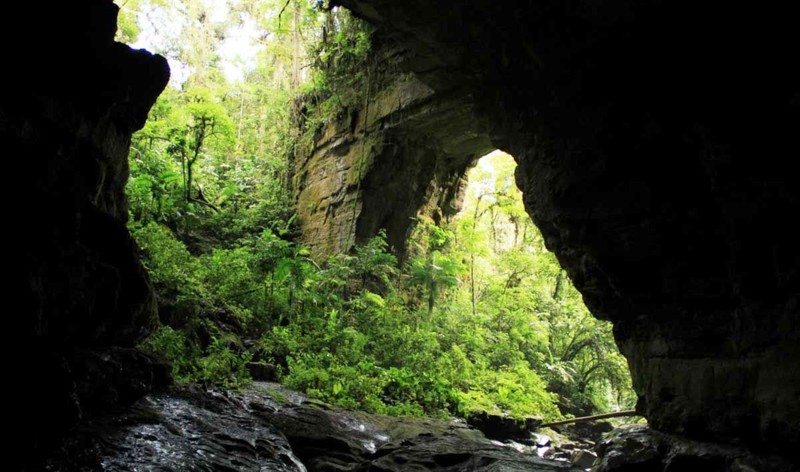
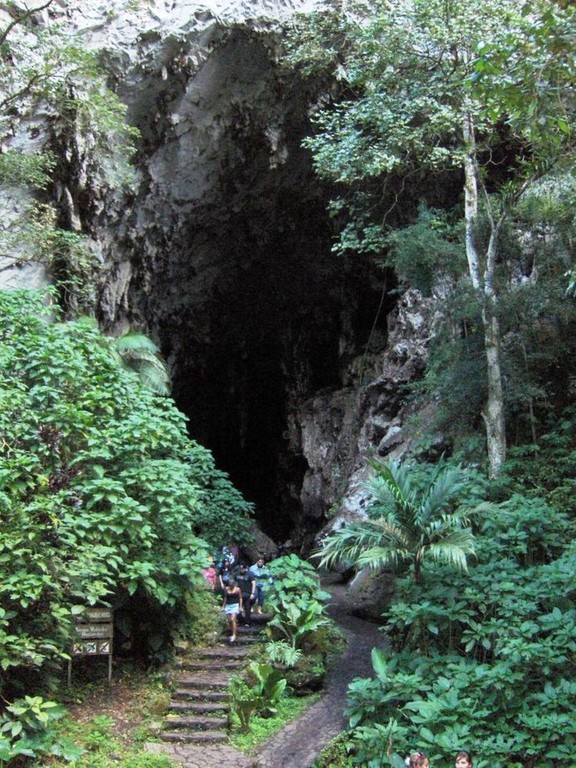
The park’s main attraction is a system of limestone caves formed through long geological processes. Inside, visitors can see underground passages, rock walls, stalactites, and stalagmites. The caves are significant both geologically and biologically because they provide shelter for oilbirds (Steatornis caripensis).
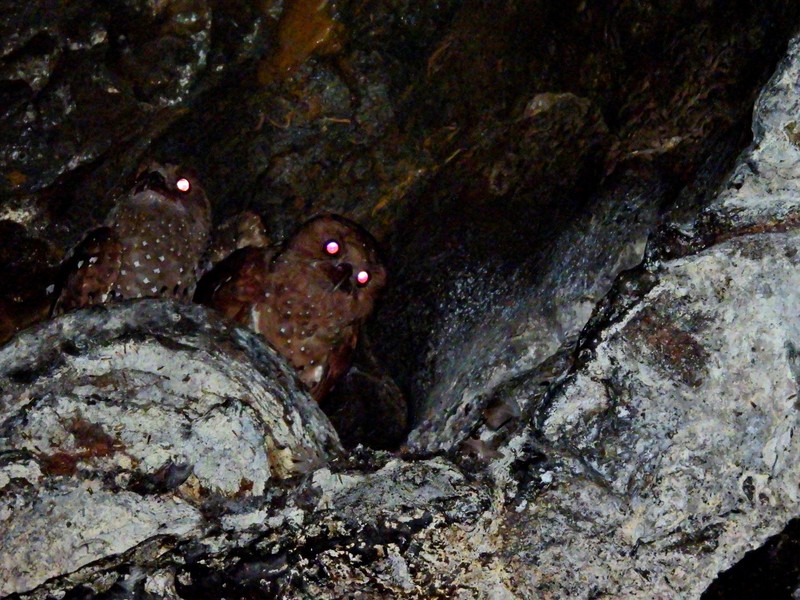
Oilbirds are mainly nocturnal and feed largely on fruit. They use echolocation to navigate through dark caves by producing sounds and detecting their echoes. Large colonies of these birds inspired the park’s name. Cave visits must follow authorised routes and take place with an approved guide or interpreter.
Forests and Landscapes
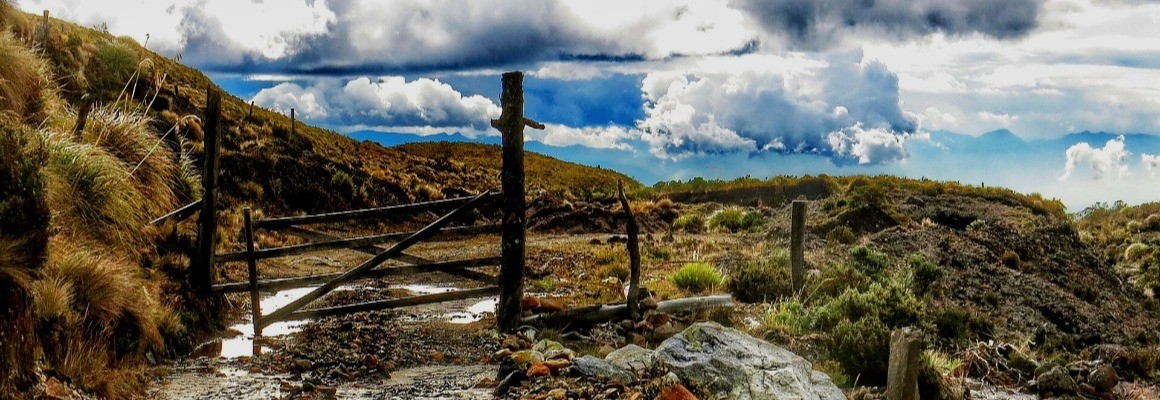
The park protects humid sub-Andean and Andean forests, with transitional subpáramo ecosystems at higher elevations. Frequent rainfall and high humidity support mosses, ferns, vines, and epiphytes. Different oak, laurel, and other tree species provide food and shelter for wildlife.
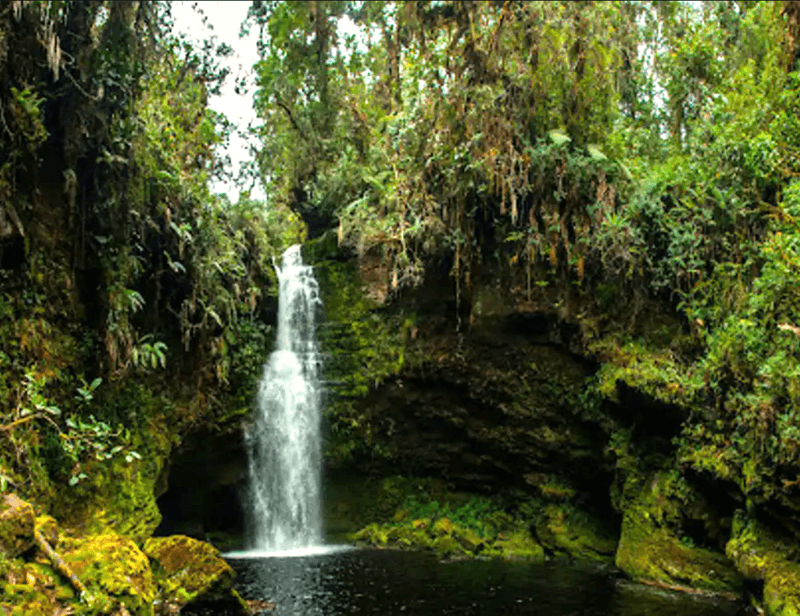
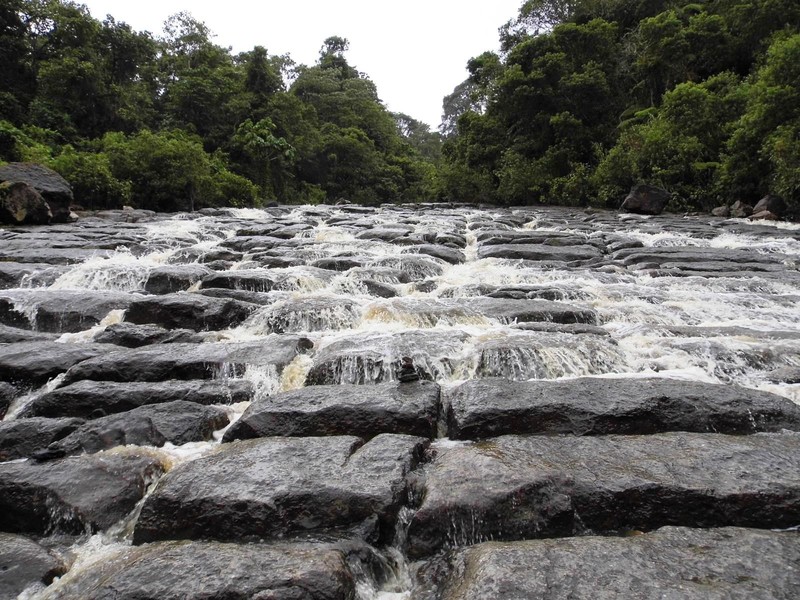
The landscape includes steep mountain slopes, forested ravines, streams, rivers, and waterfalls. Forests help protect soils, retain moisture, and maintain the water cycle of the Suaza River basin and nearby waterways.
Wildlife
Cueva de los Guácharos is rich in biodiversity. In addition to oilbirds, the park is home to the Andean bear (Tremarctos ornatus), mountain tapir (Tapirus pinchaque), puma (Puma concolor), small wild cats, and several deer species. These animals depend on intact forest habitats for food and shelter.
Notable birds include the endangered yellow-eared parrot (Ognorhynchus icterotis) and the olive finch-like Atlapetes, which is endemic to parts of the Andes. Many other birds, amphibians, reptiles, and insects also inhabit the forests. Wildlife should be observed from a distance without disturbing natural behaviour.
Hiking and Ecotourism
The park offers hiking, birdwatching, nature photography, camping in designated areas, and guided cave exploration. Trails pass through forest, follow waterways, and lead to natural features. Some hikes require good physical fitness because paths can be steep, wet, and slippery.
Cave exploration requires suitable equipment and the accompaniment of a trained specialist. Visitors should not leave authorised routes. Access to individual trails and caves can change according to weather, site conditions, and conservation requirements.
Climate and Best Time to Visit
The climate varies with elevation. Lower areas facing the Amazonian foothills are generally warm and humid, with temperatures near 24°C. Higher sections can have temperatures of approximately 14–18°C. Rain falls throughout the year, so dry weather is never guaranteed.
Choose hiking dates with a favourable forecast and check trail conditions in advance. Bring waterproof clothing, sturdy hiking boots, a flashlight, drinking water, and a first-aid kit. In caves, use the required equipment and avoid disturbing wildlife.
How to Get to the Park
One common route starts in Pitalito. From there, a bus to Palestina usually takes around 40 minutes. The journey continues towards La Mensura school by local high-clearance transport, followed by walking along mountain roads and trails. The official route description lists a walk of about 5 kilometres to the La Cascajosa stream area and a further 3.5 kilometres to the Los Cedros sector.
These walks take several hours and require suitable fitness. Before travelling, contact the park administration or an authorised tour operator, reserve your visit, and confirm guide requirements. Visitors must attend an introductory briefing and register before entering. Check the official Colombian national parks website for current rules, opening times, and fees.
Visitor Rules
Visitors must follow staff instructions and stay on authorised trails. Feeding wildlife, hunting, collecting plants, littering, and lighting fires are prohibited. Pets are not allowed. Camping is permitted only in designated areas. In caves, do not leave objects behind, damage rock formations, or disturb oilbird colonies.
Why Visit Cueva de los Guácharos National Park
Cueva de los Guácharos combines limestone caves, unusual nocturnal birds, humid Andean forests, waterfalls, and habitats for rare mammals. It is a rewarding destination for travellers interested in caving, birdwatching, and hiking. Visiting the park reveals the natural diversity of southern Colombia and the importance of protecting mountain forests.
Gallery