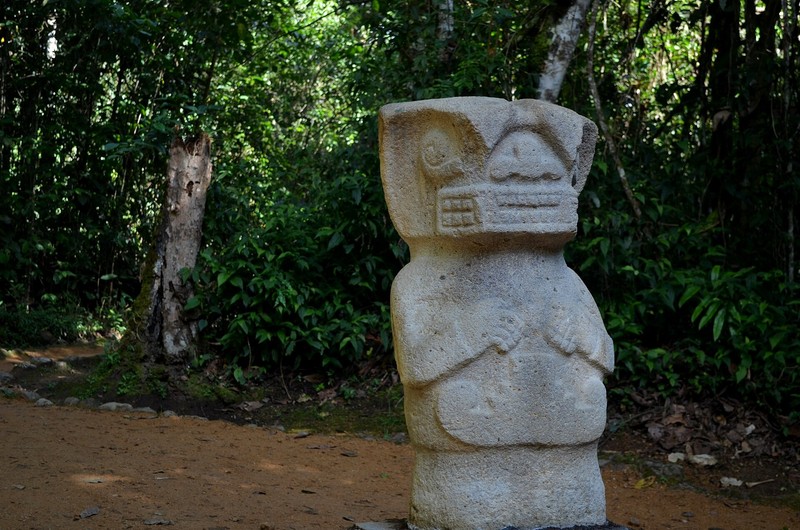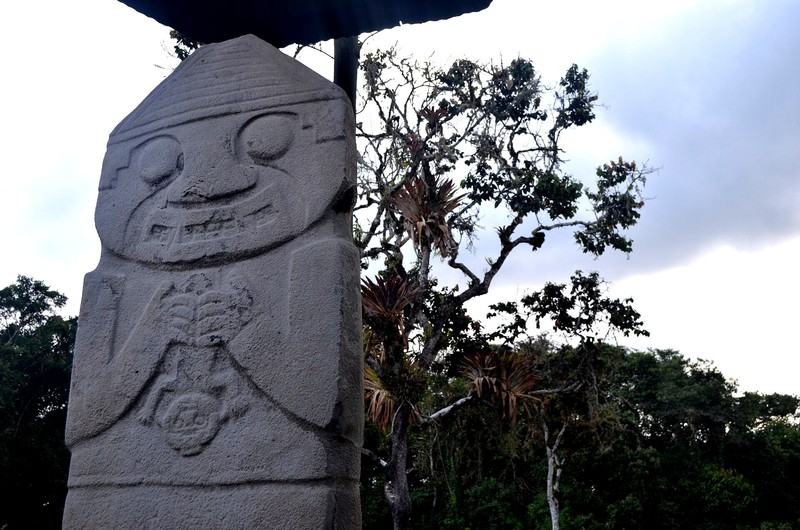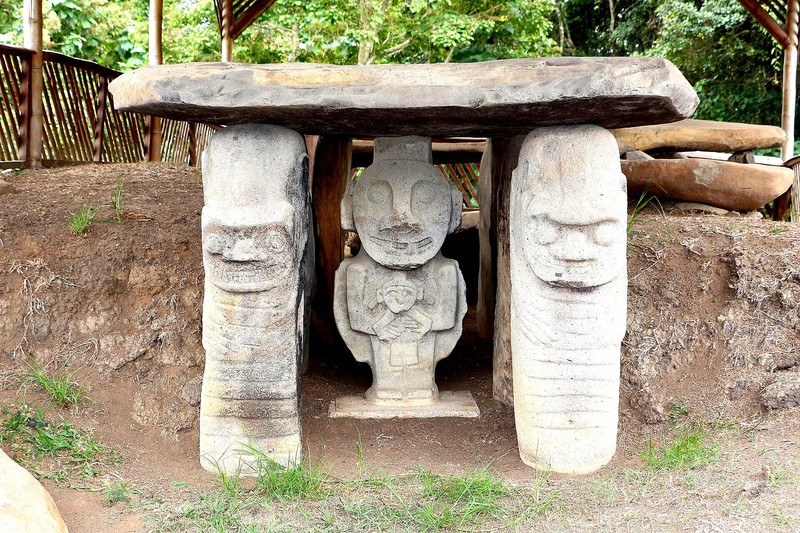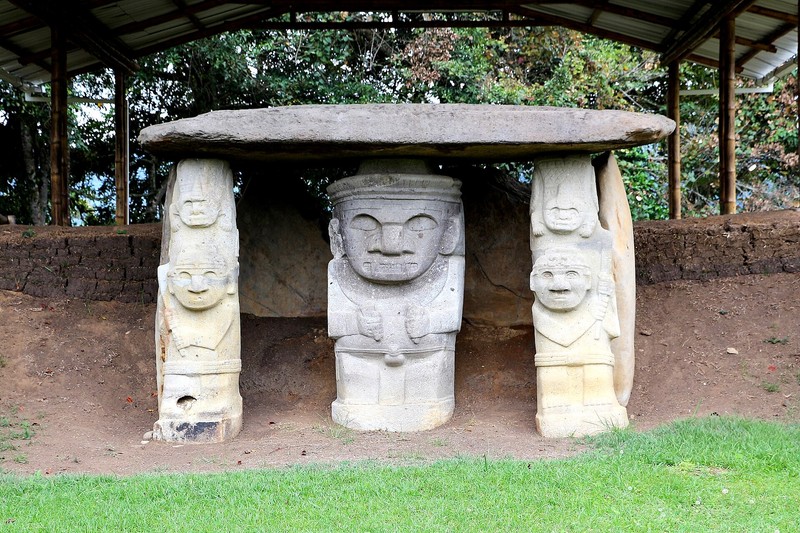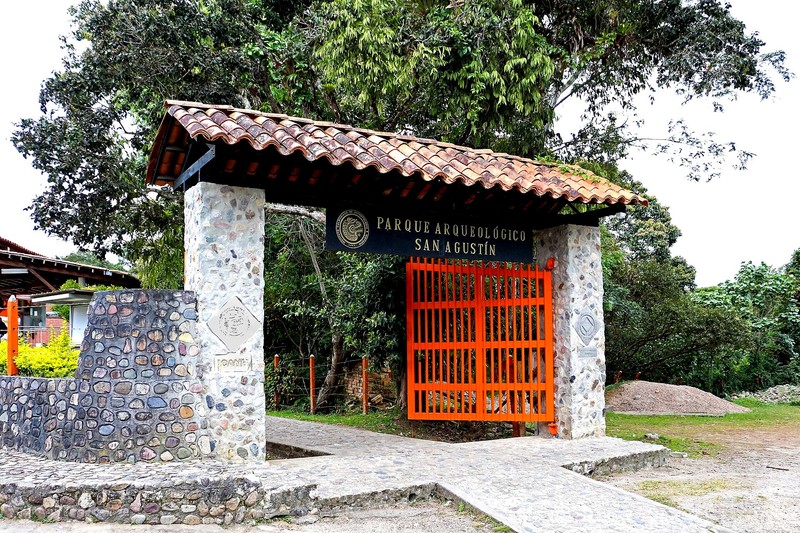

San Agustín Archaeological Park is one of the most important archaeological sites of ancient South American cultures, located in Huila Department in southern Colombia. Its grounds preserve stone statues, funerary structures, burial mounds and other traces of a civilization that flourished in the region long before the arrival of Europeans. The park is known for mysterious sculptures of humans and mythical beings that reflect the religious beliefs and artistic traditions of the ancient inhabitants of the Andes.
History of the ancient culture
The archaeological sites of San Agustín are associated with ancient societies that inhabited the Upper Magdalena Valley for many centuries. The most intensive period of constructing monumental funerary complexes and stone sculptures took place approximately between the 1st and 8th centuries CE, although settlement in the region began much earlier and continued beyond this period.
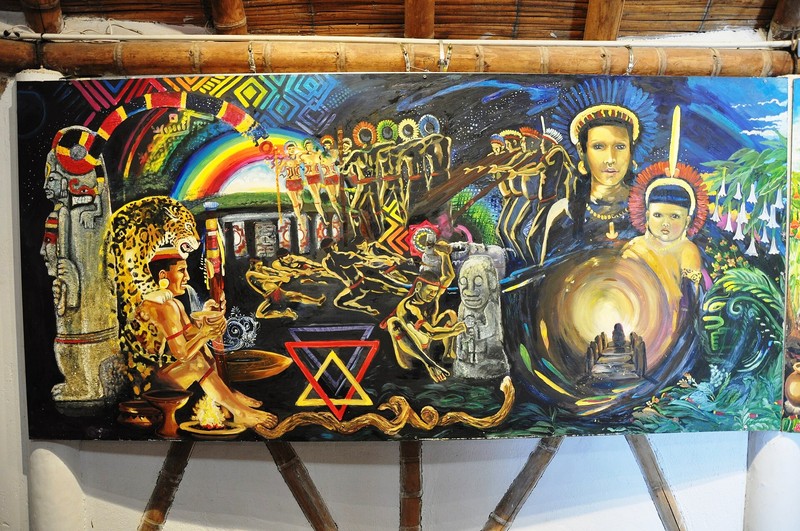
The exact name of the ancient people and their written history are unknown. Archaeologists study this culture through burial structures, sculptures, pottery and other material evidence. The stone figures probably had ritual and funerary significance and may represent ancestors, deities, mythological characters or beings combining human and animal features.
Mysterious stone statues
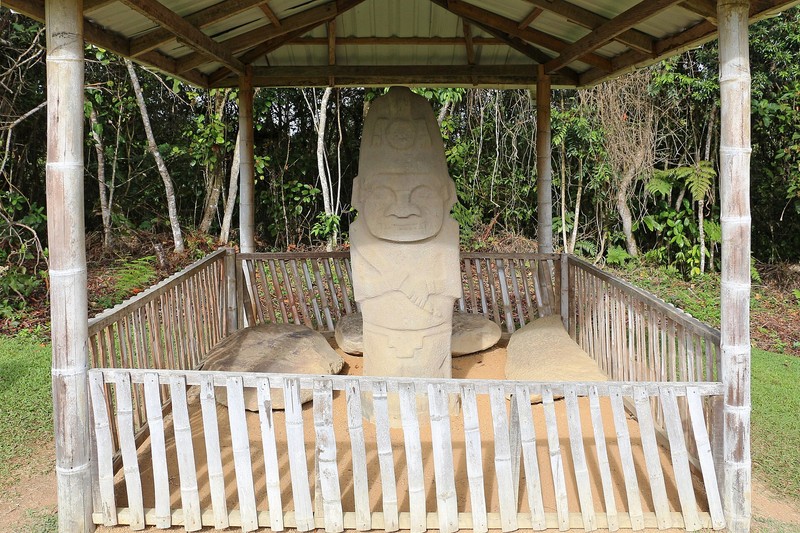
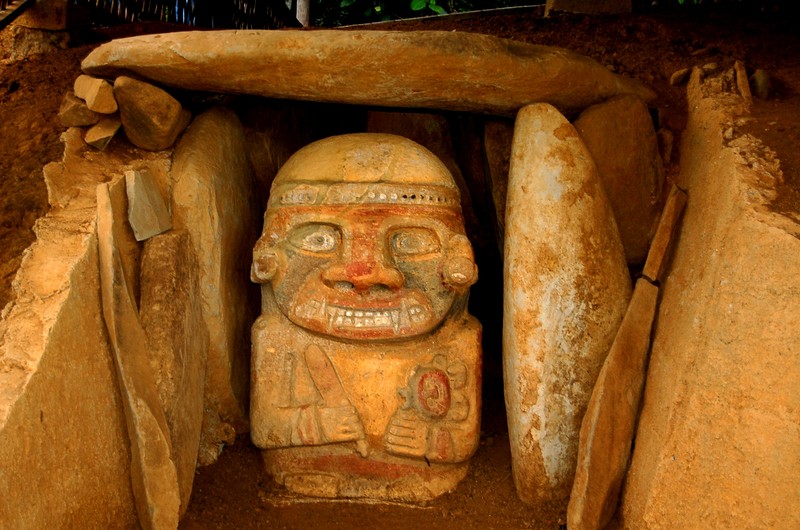
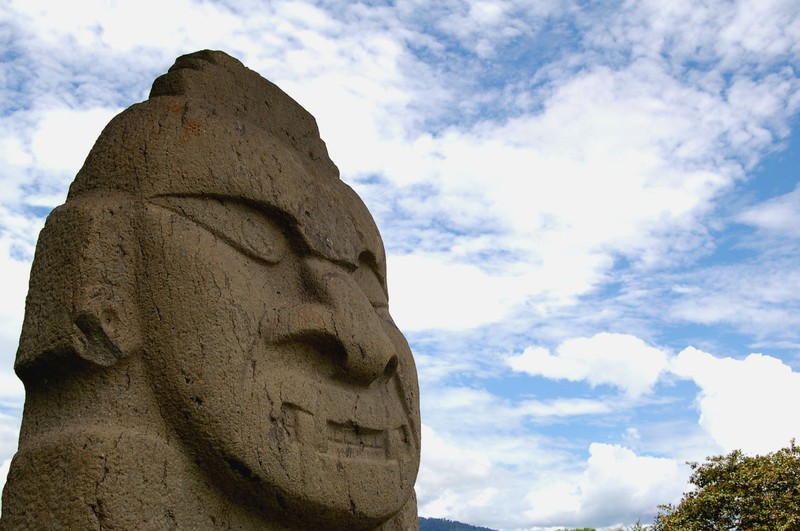
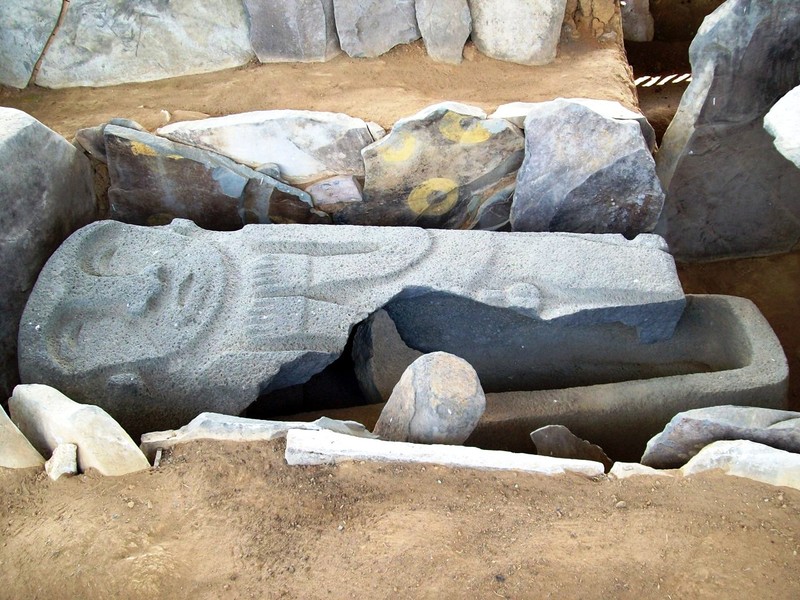
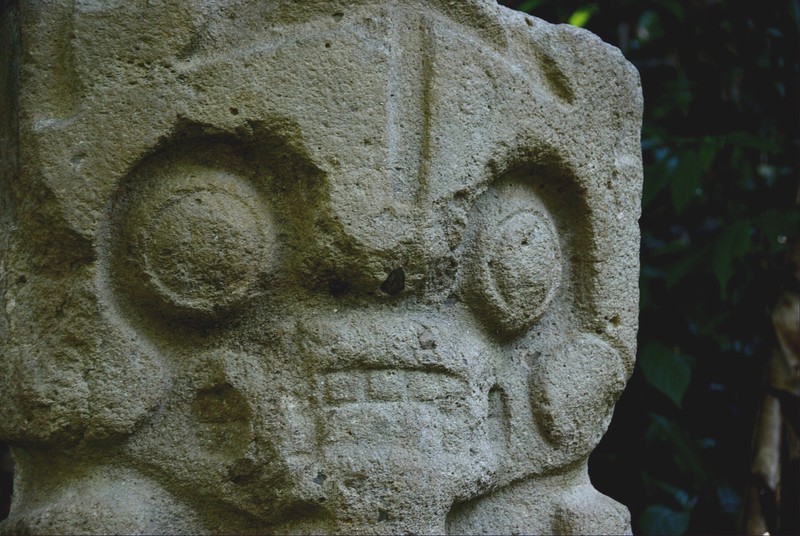
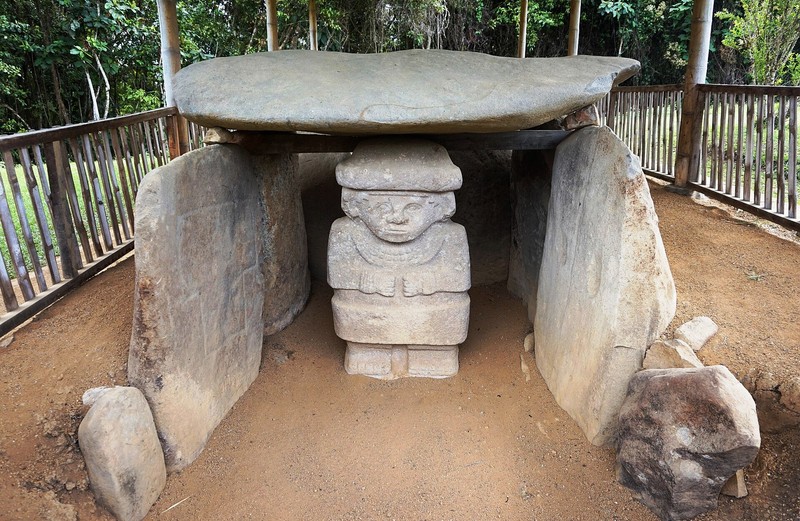
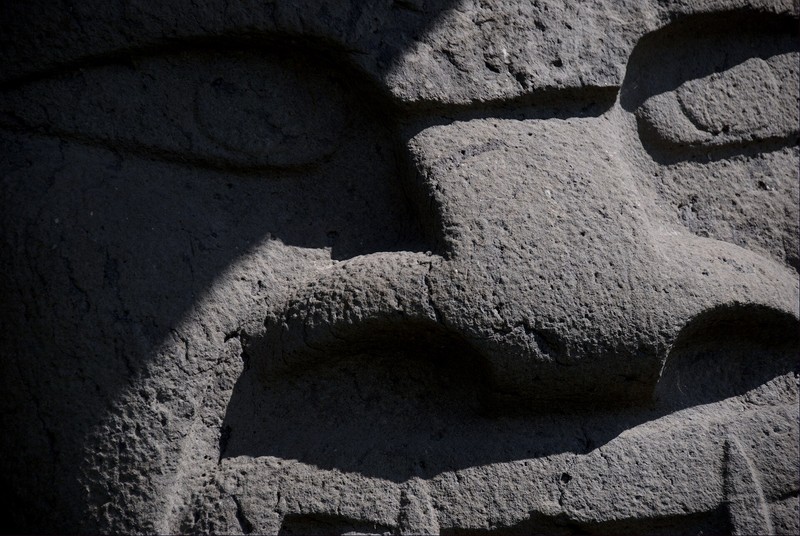
The park's defining feature is its many stone sculptures carved from local rock. Some figures depict people with expressive faces, large eyes and elaborate headdresses. Others combine human features with those of jaguars, snakes, birds and other animals. Some carvings show fangs and unusual attributes that researchers associate with beliefs about the supernatural world.
The statues vary in size and artistic style. Some stand beside burial structures, while others are associated with mounds and ceremonial platforms. Their carvings feature striking geometric details and symmetry, while the meaning of many images remains a subject of scholarly debate.
Burial mounds and funerary complexes
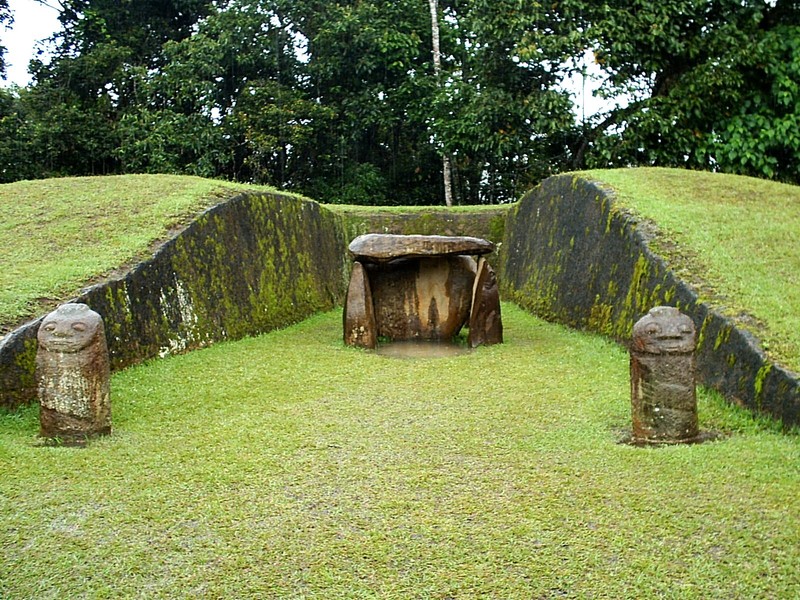
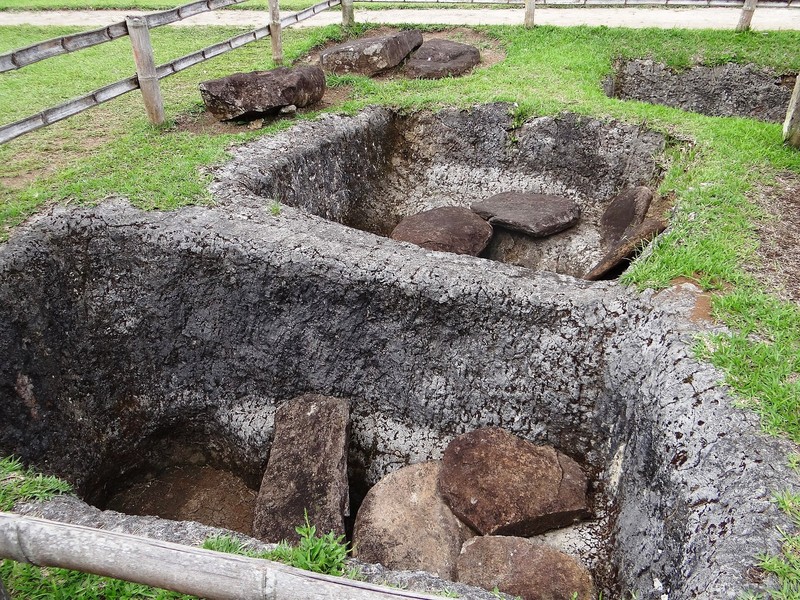
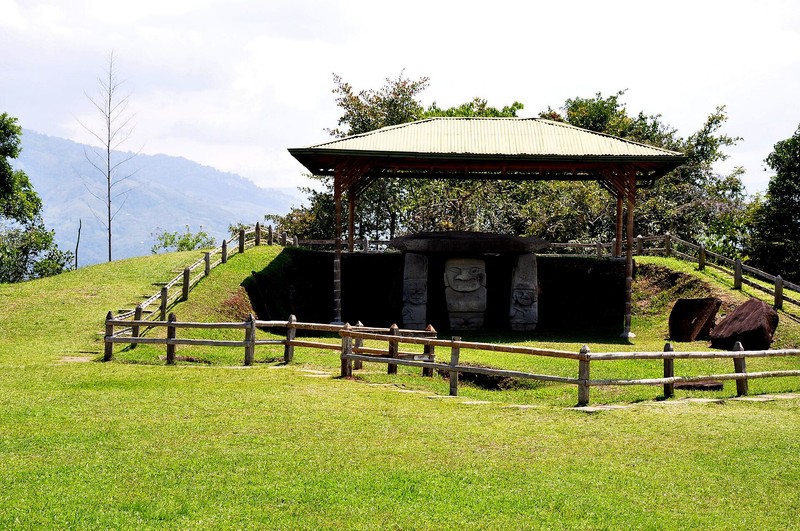
The archaeological park contains ancient mounds, stone corridors, burial chambers and structures used for rituals. Some complexes include large stone slabs and sculptures placed near entrances or inside funerary spaces. Their design reflects complex ideas about death, ancestral memory and the structure of the world.
The monumental tombs are especially interesting because architecture and sculpture form a unified ensemble. The arrangement of statues and burial chambers suggests that the area served not only as a burial ground but also as a place for communal ceremonies. However, the precise purpose of some structures remains uncertain.
Main areas of the archaeological park
The central park includes several archaeological areas with burial mounds, statues and ancient funerary structures. Among the best-known locations is Mesitas, where monumental complexes and stone figures can be seen, alongside archaeological areas containing ritual springs and sculptural arrangements.
Alto de los Ídolos and Alto de las Piedras are also worth visiting. These archaeological complexes in the wider San Agustín region provide further insight into the ancient culture of the Upper Magdalena Valley. They lie outside the main park and usually require separate trips. Together, these sites demonstrate the extensive distribution of monumental sculpture and funerary architecture throughout the region.
Nature and surrounding landscape
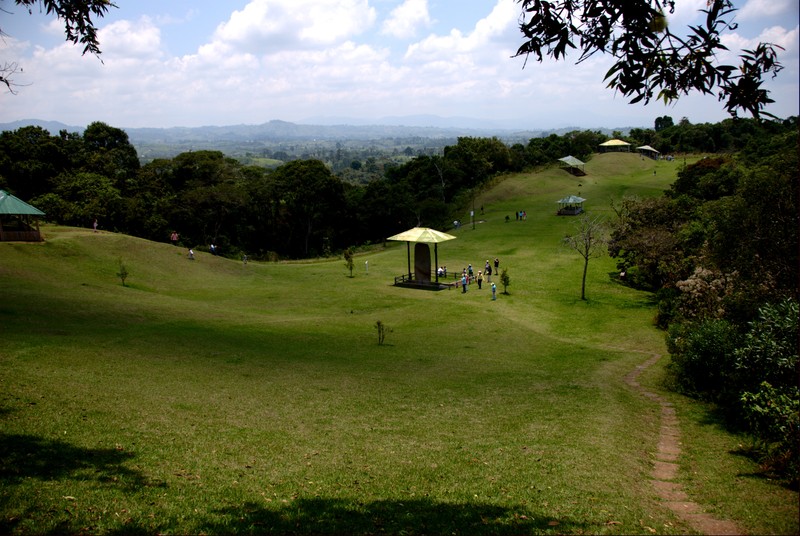
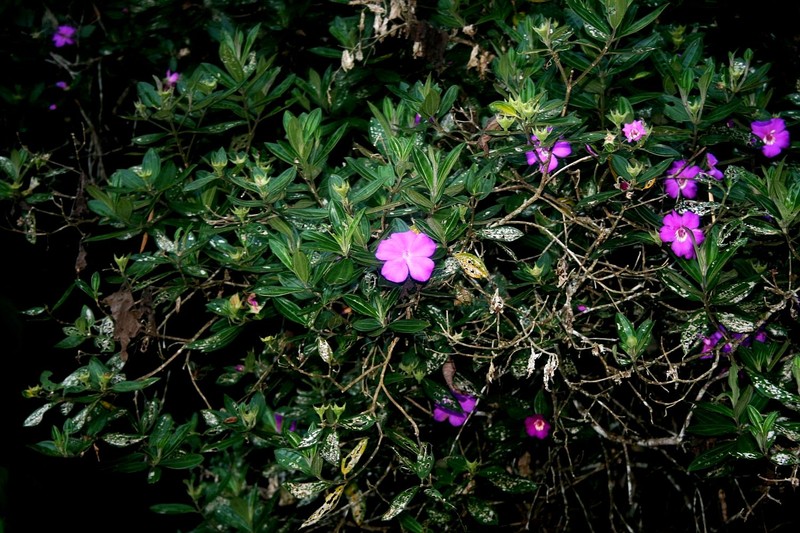
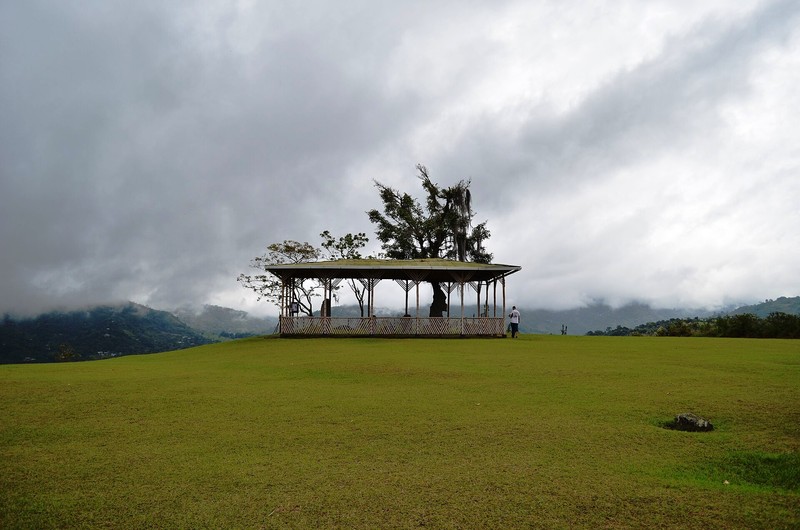
The park lies among green hills, valleys and mountain slopes of the Andes. Its mild to warm climate, high humidity and abundant vegetation provide a striking backdrop for the ancient stone monuments. Walking through the area combines archaeological discovery with opportunities to appreciate the natural environment of southern Colombia.
Near San Agustín are the Magdalena River and its upper reaches, waterfalls, viewpoints and scenic rural roads. A visit to the archaeological park often becomes part of a longer journey through Huila Department.
UNESCO World Heritage Site
In 1995, San Agustín Archaeological Park was added to the UNESCO World Heritage List. Its international recognition reflects the exceptional value of its monumental sculptures and funerary complexes, which provide unique evidence of ancient Andean cultures. The site helps researchers study artistic traditions, religious beliefs and the social organization of the societies that created these monuments.
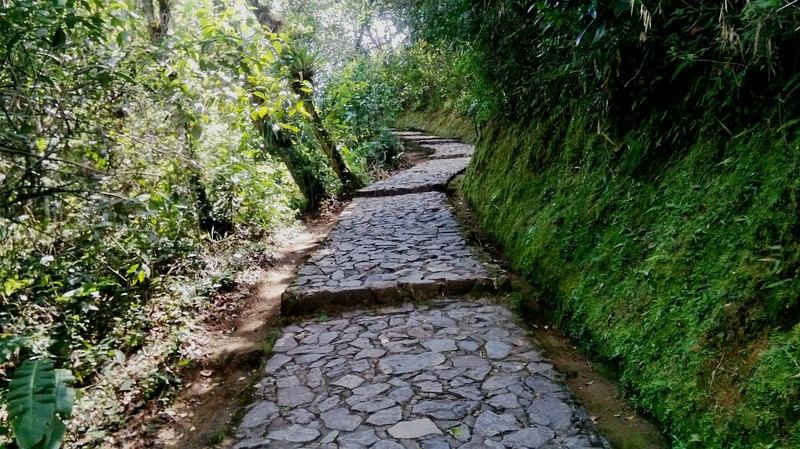
To protect the heritage, visitors should follow marked paths, avoid touching fragile sculpture surfaces and never climb on ancient structures. Responsible behaviour helps preserve the monuments for future archaeological research and generations to come.
How to get there and when to visit
The archaeological park is located near the town of San Agustín in Huila Department. Visitors can travel from Neiva, from where road and bus connections lead towards San Agustín. The journey through the mountainous region can take several hours, so check transport schedules in advance and allow enough time for the trip.
Allow several hours to explore the main park. If you want to visit other archaeological complexes in the region, plan an additional day. Weather can change quickly, so bring comfortable walking shoes, lightweight waterproof clothing, water and sun protection. Check opening hours and visitor rules through official sources before travelling.
San Agustín Archaeological Park offers a glimpse into the mysterious world of Colombia's ancient civilizations. Its stone statues, monumental tombs and mountain scenery make it one of the country's most significant cultural destinations for travellers interested in archaeology, history and pre-Columbian heritage.
Gallery