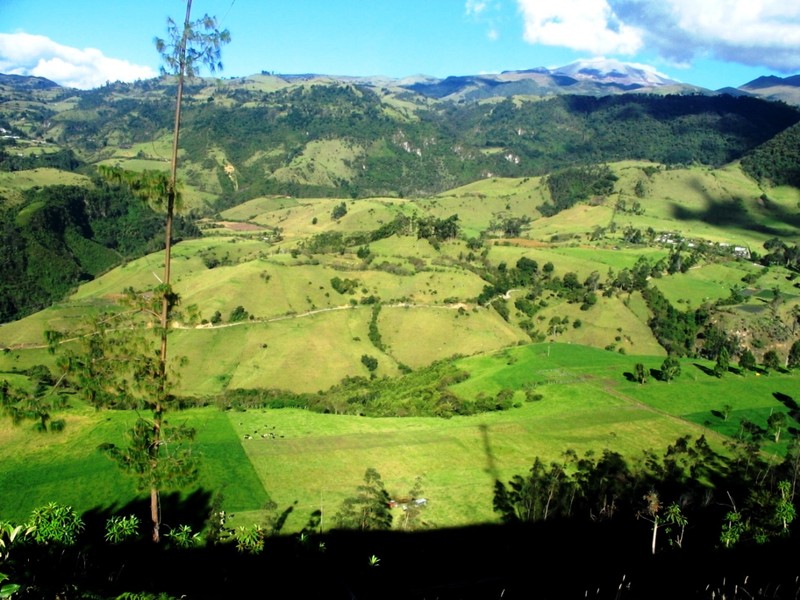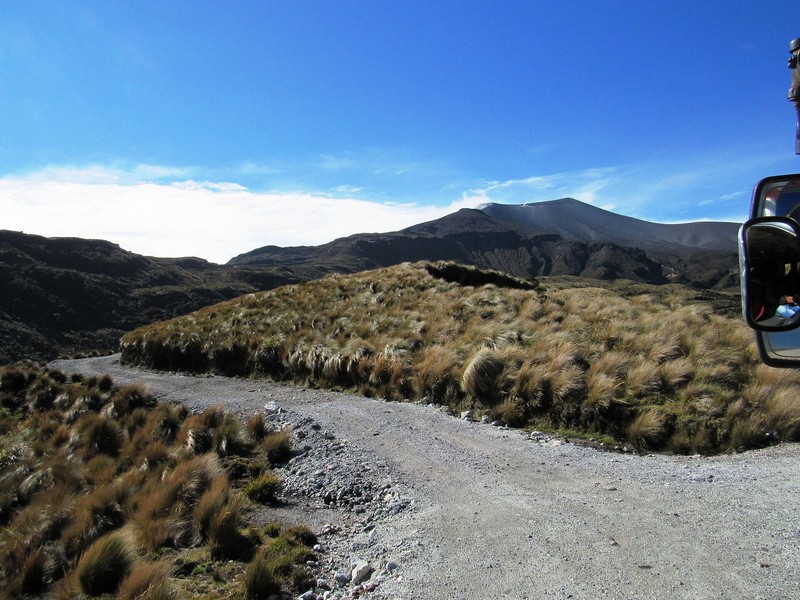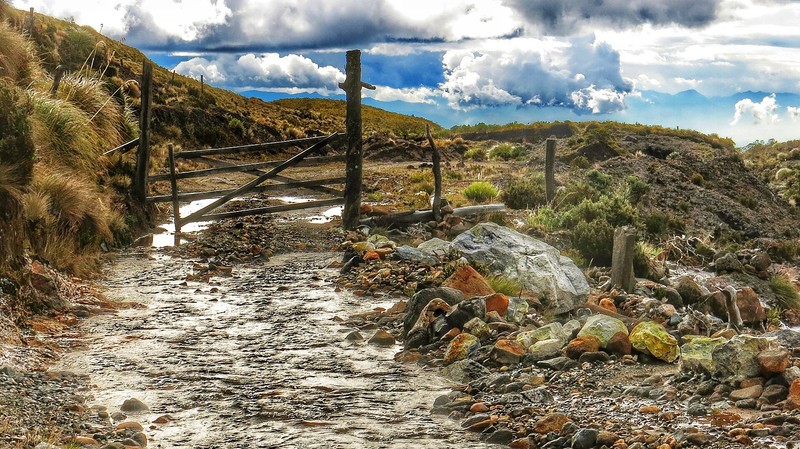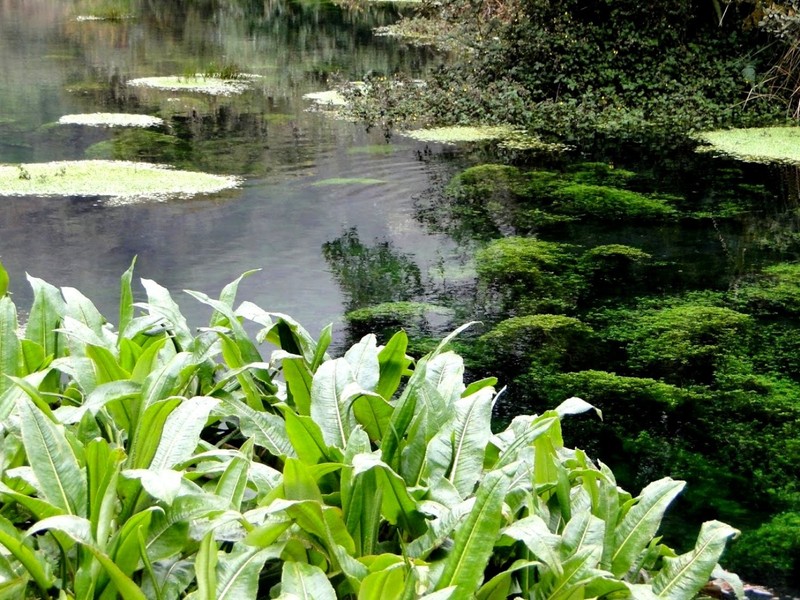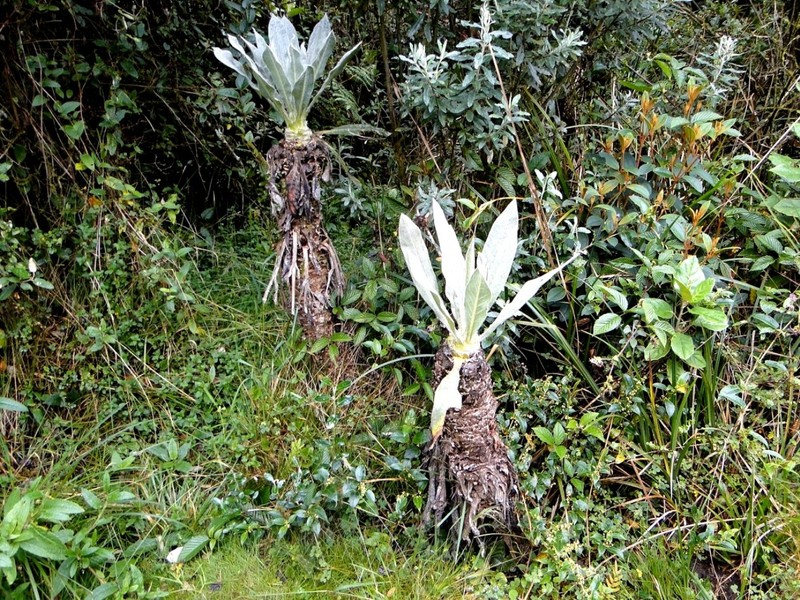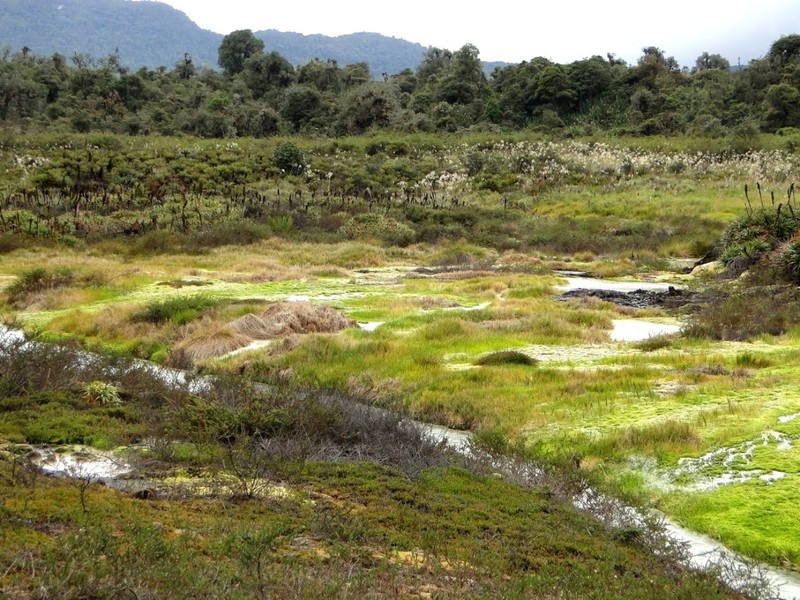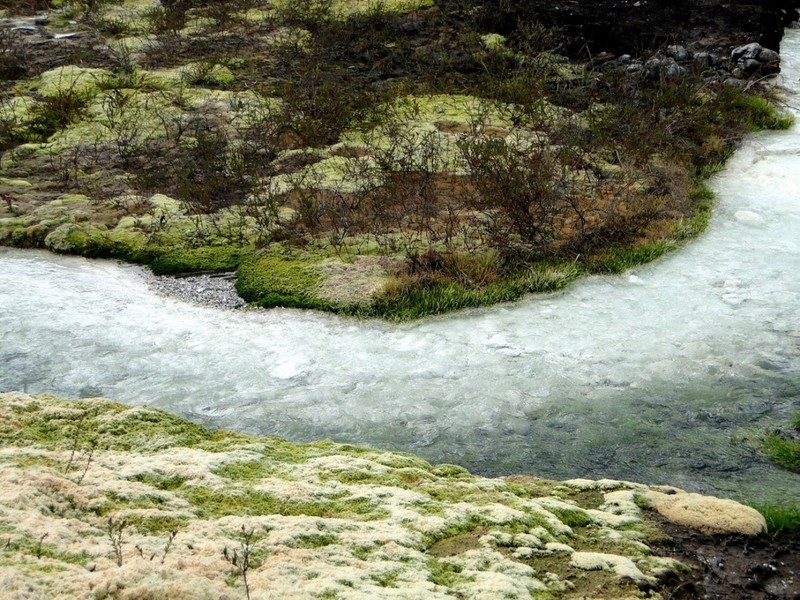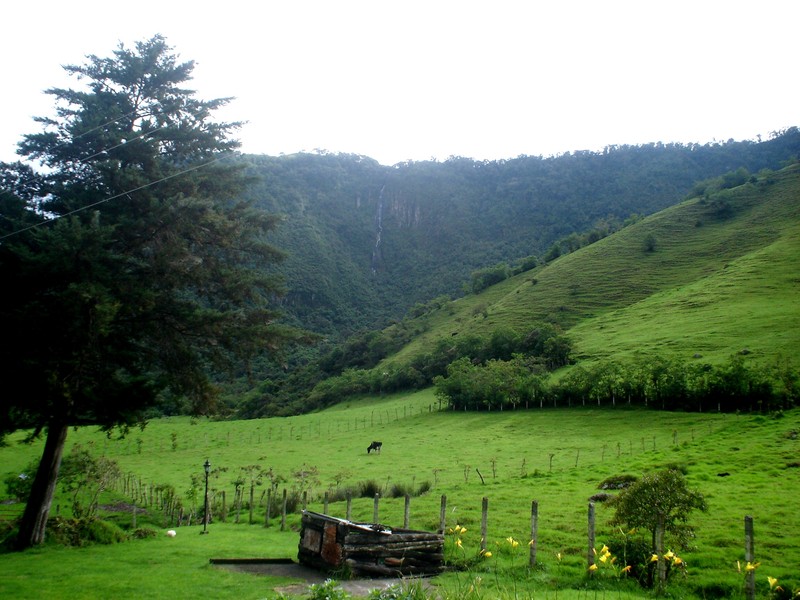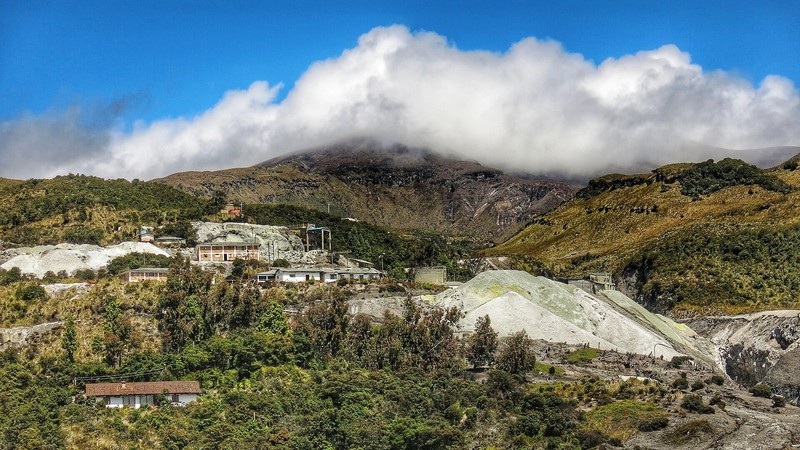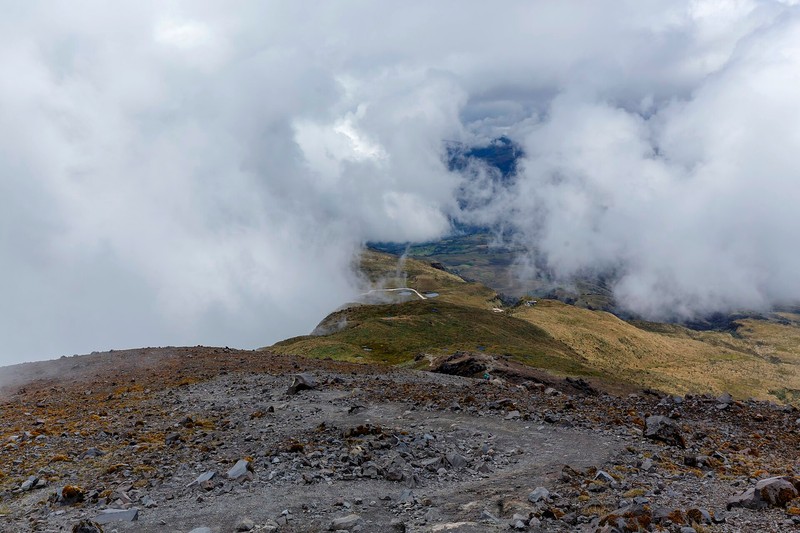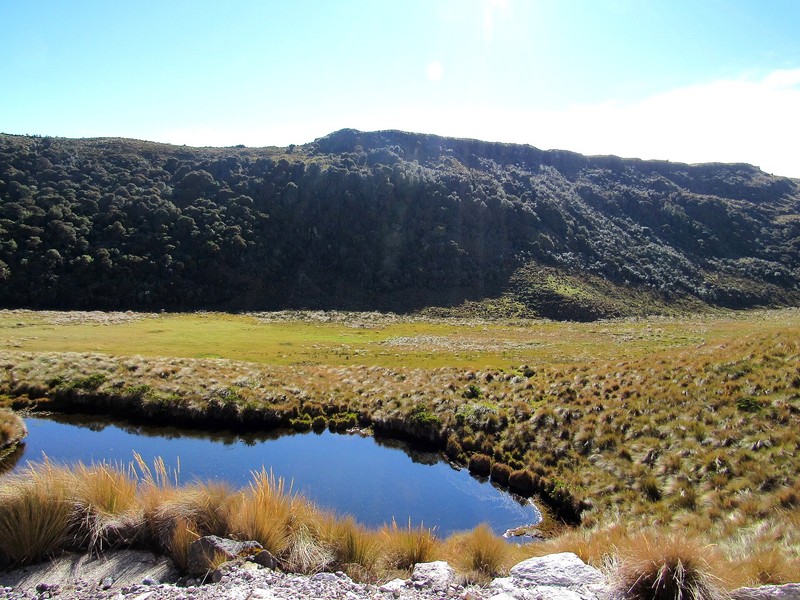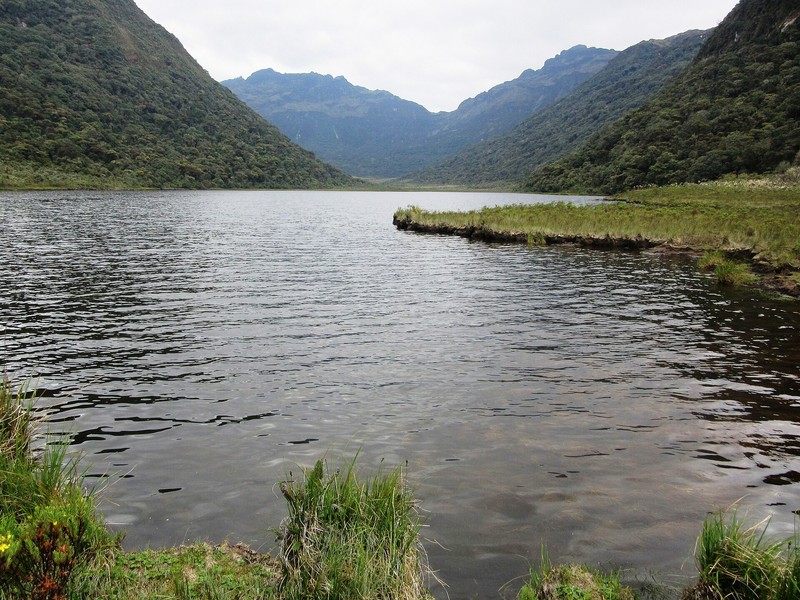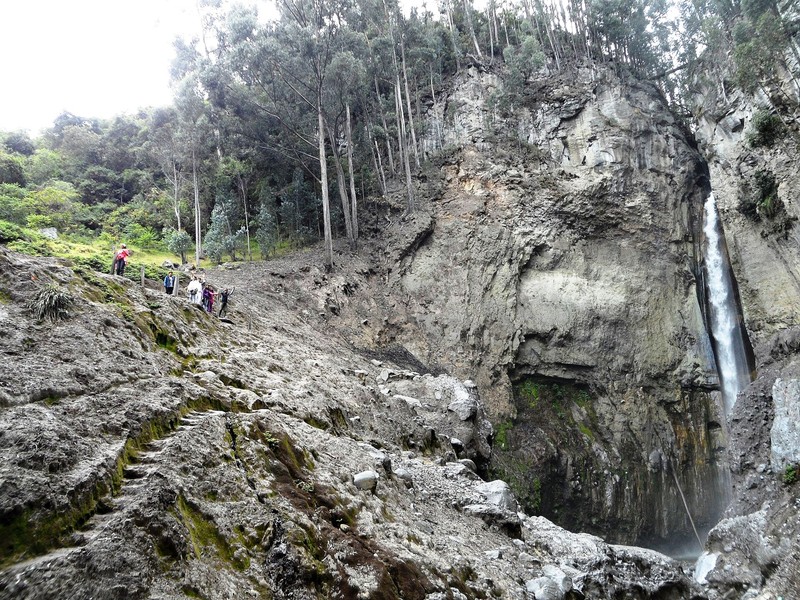

Puracé National Natural Park lies in southern Colombia in the Andes, across the departments of Cauca and Huila. This extensive protected area features active volcanoes, high-altitude grasslands, mountain forests, lagoons, and sulfur springs. The park forms part of the Colombian Massif, one of the country's most important watershed regions.
The volcanic landscape of Puracé
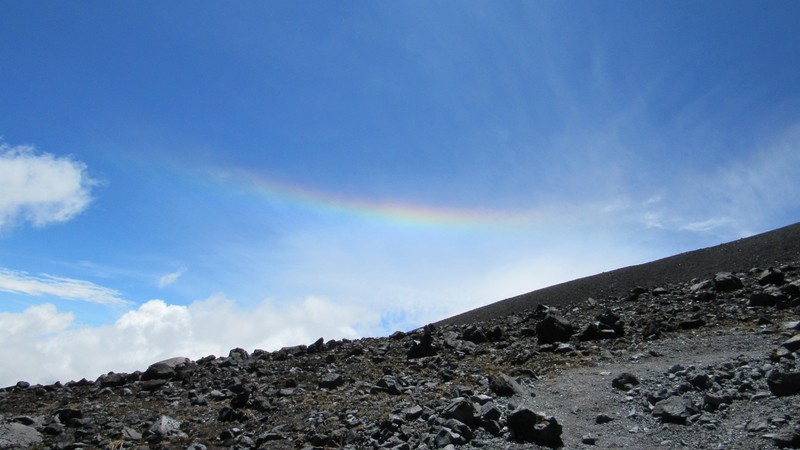
The park's main natural landmark is the Los Coconucos volcanic chain, which includes several volcanic peaks. Among the best known are Puracé Volcano, at about 4,780 metres above sea level, and Pan de Azúcar Mountain, reaching approximately 5,000 metres. Puracé is an active volcano, so access to some areas may be restricted depending on the level of volcanic risk.
The area's volcanic origins are evident in its sulfur springs, geothermal features, and rugged high-mountain scenery. The name “Puracé” is associated with a Quechua expression meaning “mountain of fire.” Together with mist, steep slopes, and open páramo landscapes, these features give the region its distinctive character.
Area and natural ecosystems
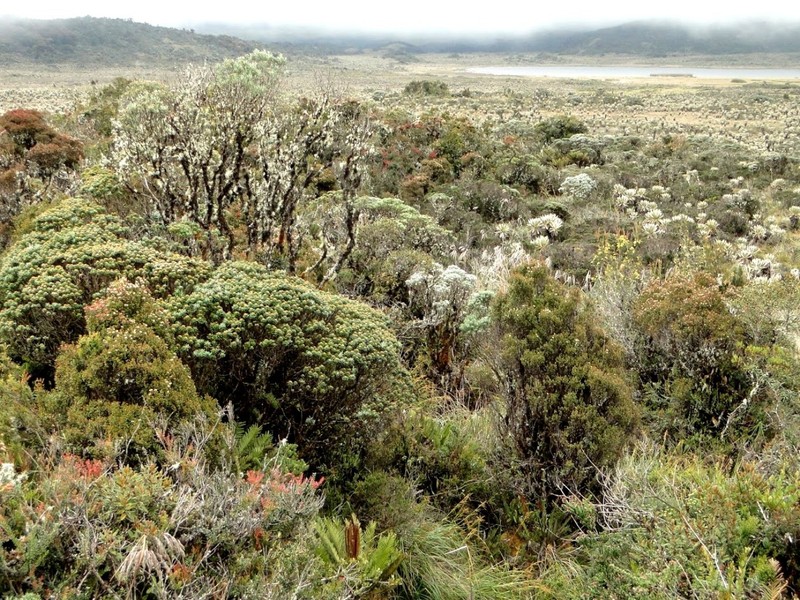
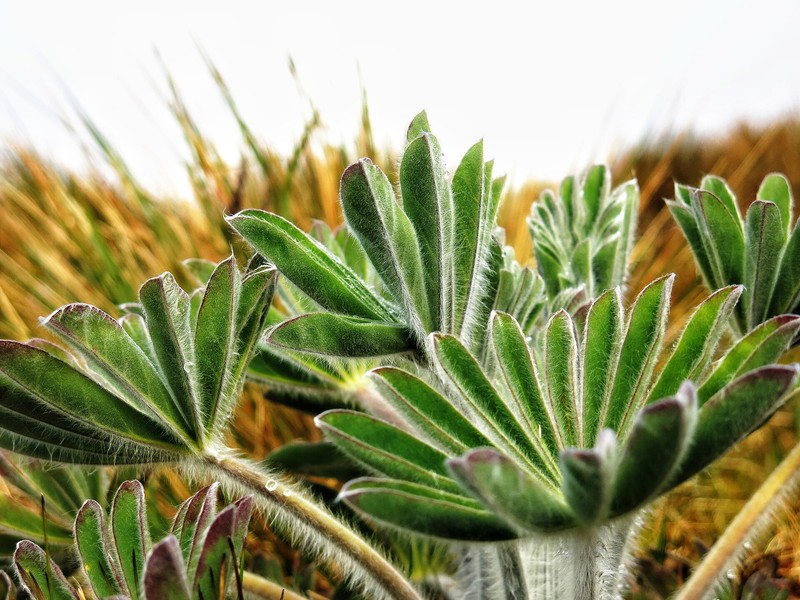
The national park covers about 918 square kilometres, or more than 91,000 hectares. Its protected landscapes extend from mountain forests to high-altitude ecosystems several thousand metres above sea level. These include Andean and high-Andean forests, as well as páramo, a distinctive tropical alpine ecosystem of grasses, shrubs, and plants adapted to cool conditions.
Puracé is important to Colombia's water resources. Numerous lakes and the headwaters of major rivers, including the Magdalena, Cauca, Patía, and Caquetá, are found in the park. Mountain wetlands, forests, and water bodies help regulate water flows and support a wide range of wildlife.
Wildlife and plant life
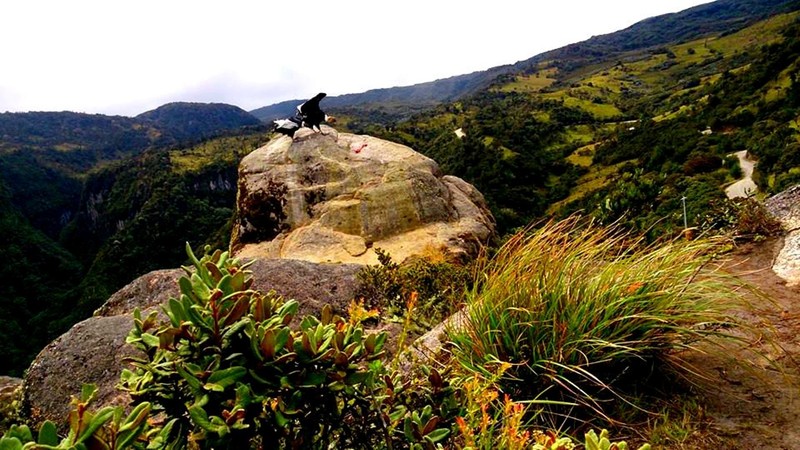
The park's forests and high mountain valleys are home to spectacled bears, mountain tapirs, pumas, and several deer species. Among its birds, the Andean condor is especially notable as one of South America's largest flying birds. Hummingbirds, ducks, birds of prey, and many other Andean species can also be found here.
Vegetation changes with elevation: lower slopes are forested, higher areas support páramo communities, and the coldest, most exposed terrain has sparse plant cover. More than 200 orchid species have been recorded in the park. Notable plants in the region include Colombian pine, oak, and wax palms.
Things to see in the park
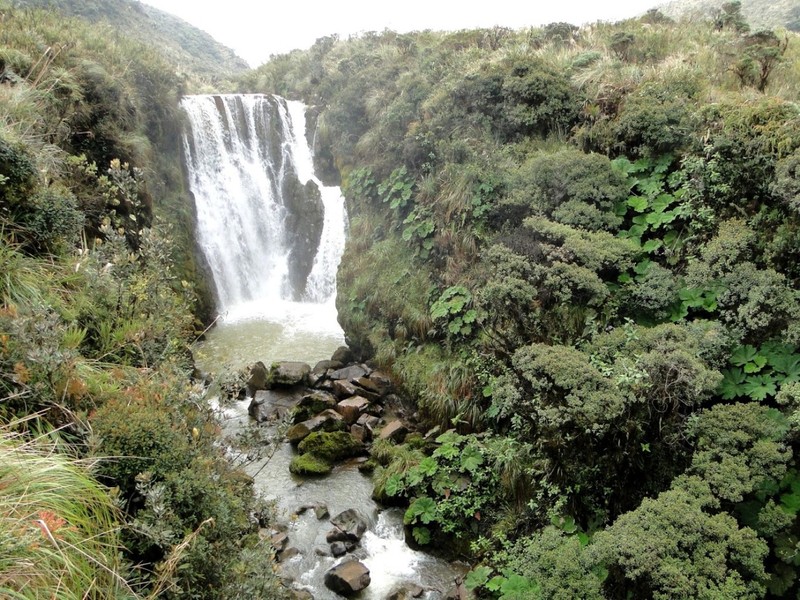
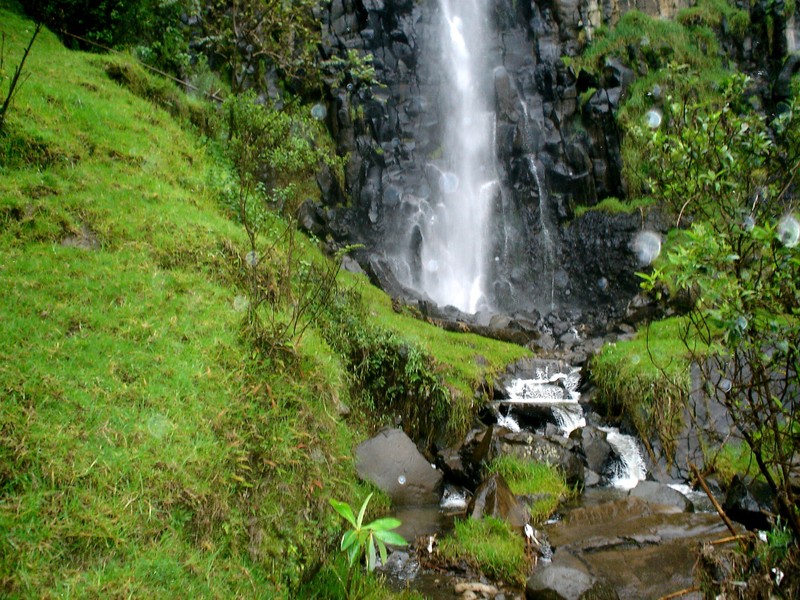
Puracé attracts visitors with volcanic scenery, mountain lakes, sulfur springs, waterfalls, and opportunities to watch Andean birds. Popular destinations in and around the park include the San Juan hot springs, San Nicolás Waterfall, and routes for observing condors. Access to individual sites depends on current visitor regulations and volcanic conditions.
The park is also important to local Indigenous communities, including the Kokonuko people, whose traditions and knowledge are closely connected to the surrounding environment. Visiting the region offers insight into both the landscapes of the Andes and the cultural heritage of its residents.
When to visit
The climate in Puracé is cool and humid, and weather can change quickly. Depending on altitude, average temperatures generally range from about 2 to 12 °C. Even during relatively dry periods, visitors should be prepared for rain, strong winds, mist, and sudden temperature changes.
How to reach Puracé National Park
The city of Popayán in Cauca is one of the main starting points for trips to the park. From there, visitors can travel by road towards the municipality of Puracé by car, taxi, or public transport to nearby settlements. Public transport is limited on some stretches, so the final part of the journey may require a local transfer or an organised tour.
Before travelling, check official notices from Colombia's National Natural Parks authority. Volcanic activity may lead to temporary closures of individual sectors and trails. As of October 2026, some areas have reopened, but trails towards Puracé Volcano and the Los Coconucos volcanic chain remain closed. Follow all restrictions, confirm access conditions in advance, and stay away from hazardous volcanic areas.
Travel tips
For a high-altitude visit, bring warm clothing, a waterproof jacket, sturdy non-slip footwear, water, and food. Altitude can cause discomfort in visitors who have not acclimatised, so avoid overexertion and monitor how you feel. Visitors must register and complete the required briefing before entering the protected area. Puracé National Park is a destination for responsible ecotourism, where visitor safety and the conservation of unique Andean ecosystems must remain the top priorities.
Gallery