Yoho National Park is one of the most spectacular protected areas in the Canadian Rockies. It lies in British Columbia, near the border with Alberta, and forms part of the UNESCO World Heritage Site known as the Canadian Rocky Mountain Parks. Established in 1886, the park is famous for towering peaks, glaciers, turquoise lakes, waterfalls, dense forests, and ancient fossils.
The name Yoho comes from the Cree language and expresses awe and wonder. It aptly describes the scenery: sheer cliffs rise above valleys, mountain rivers wind through rocky terrain, and snow-covered peaks are reflected in clear lakes. The park covers approximately 1,313 km².
Mountains and Glaciers
Yoho's landscape was shaped by ancient geological processes and glacial activity. Steep slopes, rocky ridges, high plateaus, and glacial valleys define the terrain. One notable summit is Mount Goodsir, which reaches approximately 3,567 metres. The mountain ranges create impressive panoramas and attract mountaineers and hikers.
Glaciers remain an important part of the local ecosystem. They feed rivers and waterfalls, while seasonal snowmelt affects water levels in mountain lakes and streams. Climate change is gradually reducing glacial ice, making conservation important both for protecting the scenery and for studying natural processes.
Emerald Lake
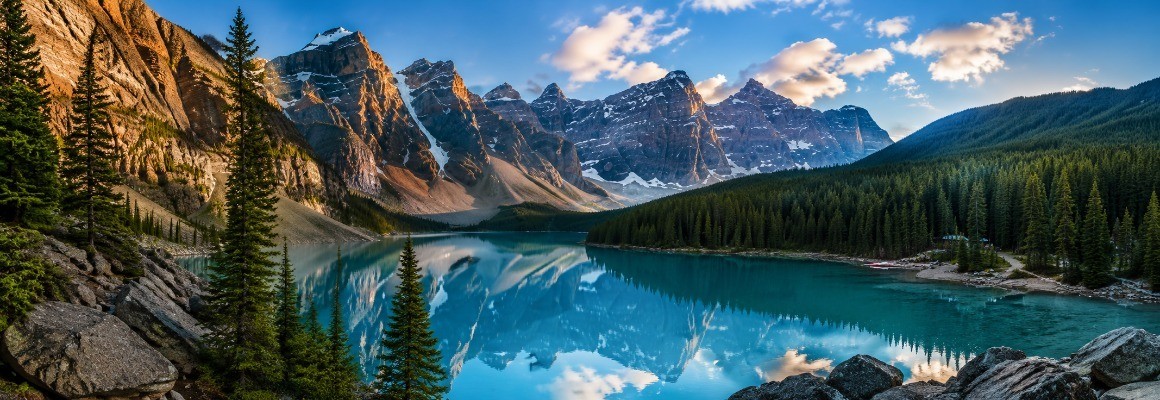
Emerald Lake is one of the park's principal attractions. Forested slopes and high mountains surround it, while tiny particles of glacial rock give the water its distinctive green-blue colour. On calm days, the surrounding peaks are reflected on the surface, creating one of the most recognizable views in the Canadian Rockies.
A walking trail circles the lake and offers different perspectives of the landscape. Visitors can photograph mountain panoramas, watch the changing colours of the water, and enjoy the natural setting. The lake is especially popular in summer, so arriving early is advisable during busy periods.
Waterfalls and Mountain Rivers
Yoho is known for its many waterfalls and fast-flowing rivers. Takakkaw Falls is one of Canada's best-known waterfalls and a major natural attraction in the park. Its name in Cree conveys a sense of wonder. Water plunges from a great height along a sheer rock face, and the flow becomes especially powerful during the main snowmelt period.
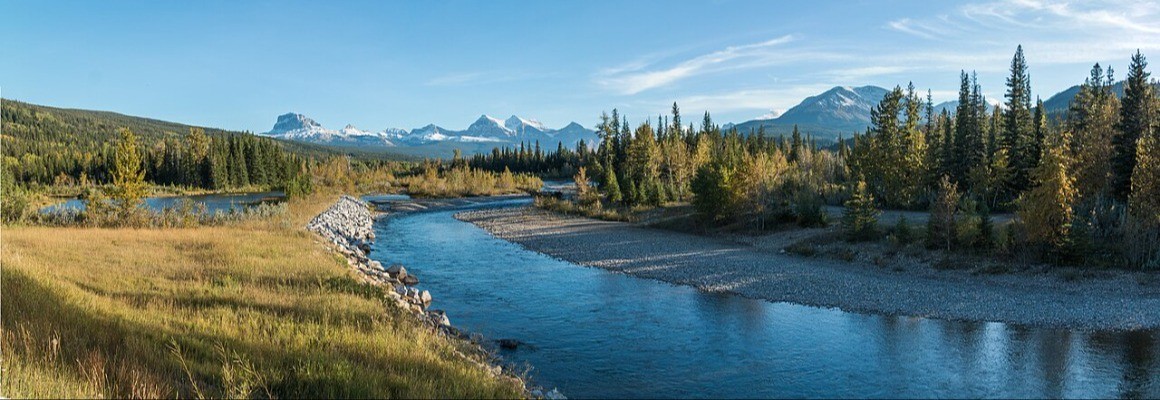
Another notable feature is Wapta Falls on the Kicking Horse River. The water spreads widely over rocky ledges to form a powerful cascade. The park's mountain rivers are cold and swift, and their valleys serve as important natural corridors for wildlife.
Lake O'Hara
Lake O'Hara lies in the park's alpine region and is known for its vivid water, forests, cliffs, and alpine meadows. Hiking trails around the lake lead to viewpoints overlooking mountain valleys. It is one of Yoho's most scenic areas, offering a variety of alpine landscapes within a relatively small area.
Access to the lake area is restricted to protect its fragile environment. Public bus trips require advance reservations, and spaces are limited. Visitors should check current access rules and trail availability before travelling.
Ancient Burgess Shale Fossils
Yoho National Park is scientifically important because of the Burgess Shale fossil deposits. These fossils, approximately 500 million years old, preserve exceptionally detailed evidence of marine life from the Cambrian period. They help researchers investigate the early evolution of animals and the diversity of life in ancient oceans.
Some fossil sites are in remote areas and can only be visited on organized guided hikes. Collecting or removing fossils independently is prohibited because these discoveries have exceptional scientific and conservation value.
Wildlife and Vegetation
Yoho's forests, valleys, and mountains are home to moose, deer, mountain goats, wolves, cougars, black bears, and grizzly bears. Many bird species also inhabit the park. Wildlife depends on intact forests, waterways, and remote natural areas, so visitors should keep their distance and never feed wild animals.
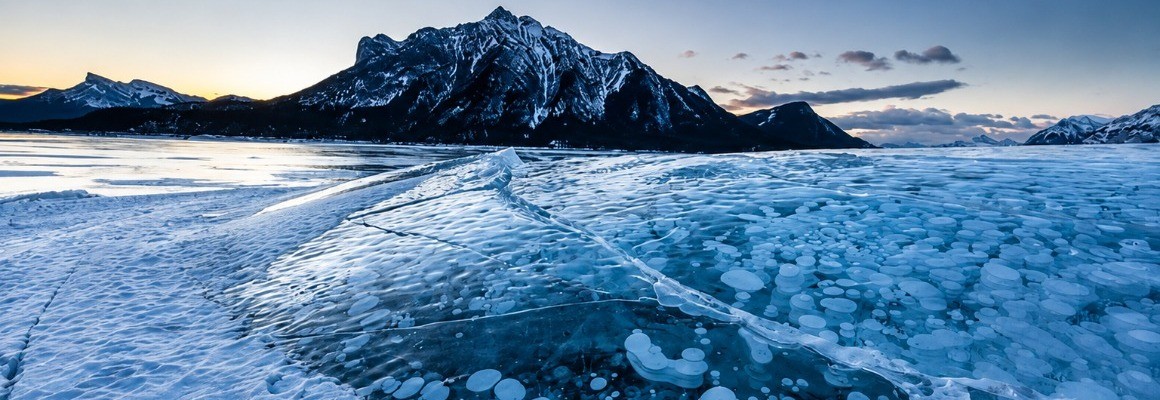
Vegetation changes with elevation. Coniferous forests dominate the valleys, subalpine meadows occur higher up, and hardy alpine plants grow on exposed slopes. Mountain flowers bloom in summer, while forests take on golden colours in autumn. In winter, snow covers the landscape and creates opportunities for winter walks and skiing.
Hiking Trails and Outdoor Activities
The park has more than 400 kilometres of hiking trails of varying difficulty. Options range from short walks to waterfalls and lakes to challenging multi-day routes across mountain passes and remote valleys. Popular outings include walks beside Emerald Lake, trips to Takakkaw Falls, and hikes in the Lake O'Hara area. Depending on the season, visitors can also camp, observe wildlife, take photographs, ski, or climb mountains.
Mountain weather changes quickly, and snow may remain on some trails until midsummer. Before setting out, check trail conditions, the forecast, and avalanche warnings. In bear country, carrying bear spray and knowing how to use it are important safety precautions.
Best Time to Visit
Summer, especially July and August, is the most popular time to visit. Many roads and trails are accessible, waterfalls are full, and high-altitude paths gradually become snow-free. Some passes may still have snow in early summer. Autumn offers a quieter atmosphere and colourful forests, while winter brings snowy scenery and opportunities for skiing and snowshoeing.
How to Get There
The Trans-Canada Highway passes through the park and connects its main areas. The village of Field, located within the park, is a convenient base. The nearest larger communities are Golden in British Columbia and Banff in Alberta. Lake Louise is about 30 kilometres from Field, while Calgary is approximately 213 kilometres away. Most visitors travel by car because there is no regular public transportation within the park.
Yoho National Park combines dramatic mountain scenery, waterfalls, lakes, and scientifically important fossil sites. It is suitable for short stops on a Canadian Rockies road trip as well as extended hiking adventures. Following park regulations and treating nature with care helps preserve this remarkable place for future generations.
Gallery