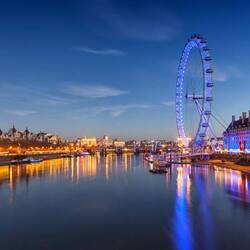
British Museum
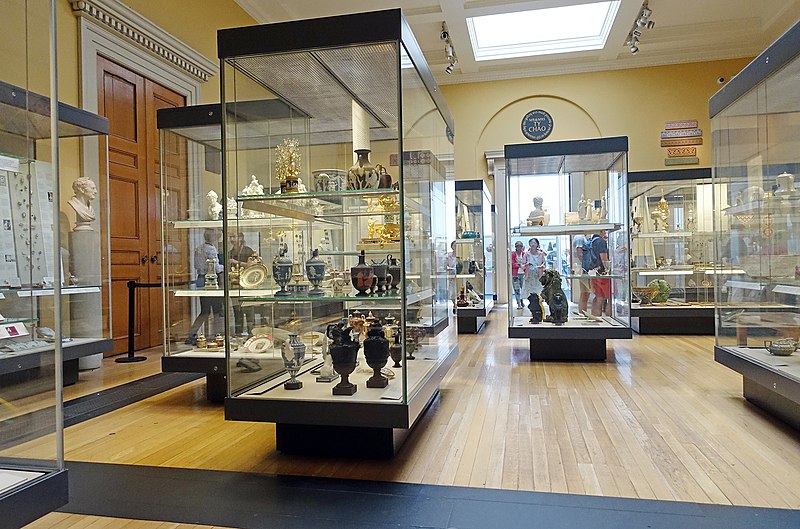
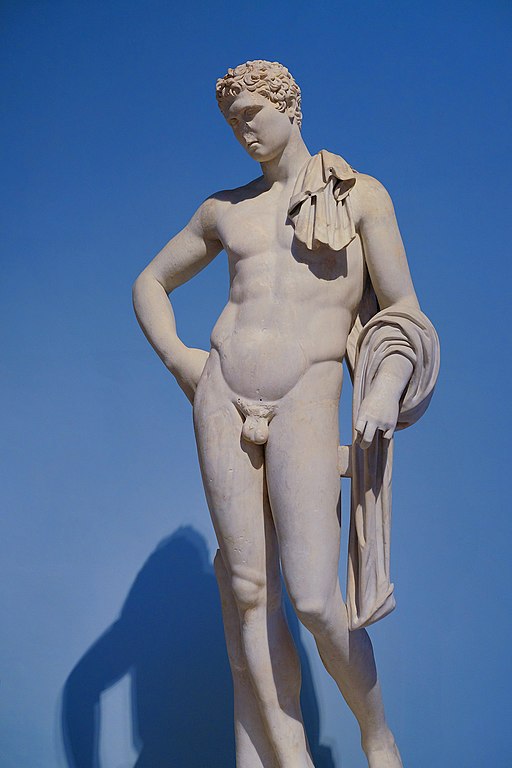
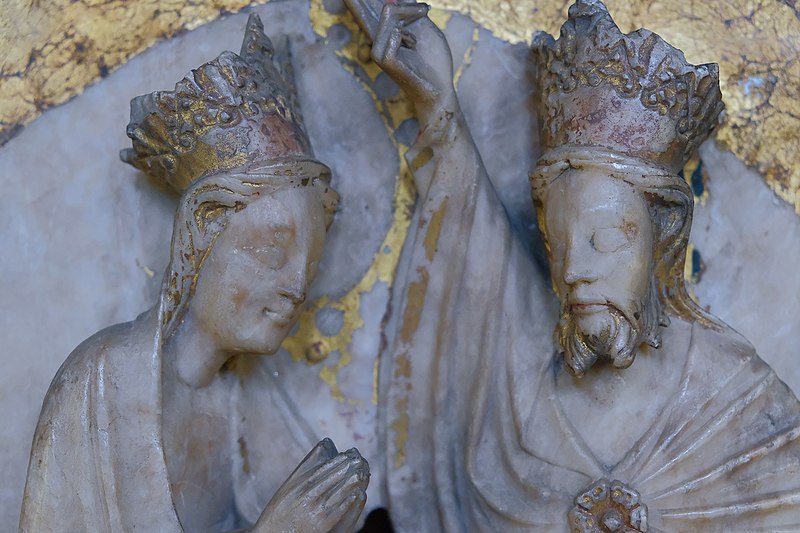
The British Museum is one of the most famous museums in the world, it houses more than 8 million interesting artifacts. This museum is a real find for those who are interested in the history of mankind. It was founded by Sir Hans Sloan in 1753, who filled most of his own collection. The museum first opened its doors in 1759 in the Montague House, and has been in existence for over 262 years.
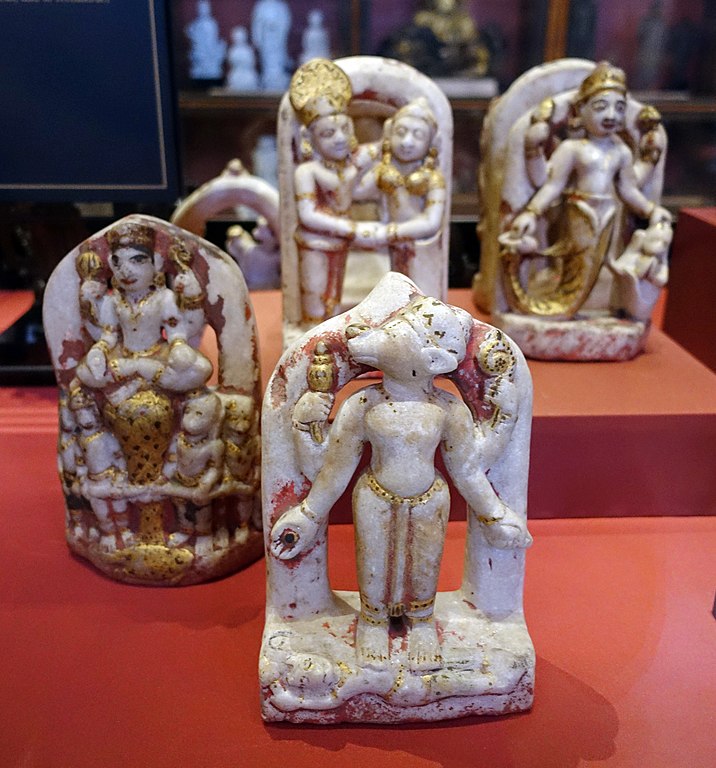
It all started at Montague's house.
When the British Museum first opened its doors in 1759, it was located in Montague House. This house was a 17th-century mansion built on the site of the current museum. Most of the collection, which was first exhibited in the museum, belonged to Sir Hans Sloan, an Irish physician and scientist. 71,000 items consisting of antiquities, national samples and books. The expansion of the museum over the next 250 years was a consequence of the expansion of the British. So many artifacts were brought from the colonies that it was necessary to create new sections of the museum.
Museum lighting
Until the end of the 19th century, the museum was illuminated by natural daylight. Candles, oil lamps and gas lamps were not used in the galleries due to fear of fire, so the museum often had to close early due to poor lighting in winter or during the London fog. Thus, the museum became one of the first public buildings in London to have electric lighting installed. In 1879, experimental electric lighting of the front hall, the reading room and the front yard was carried out. Although this early lighting system was unreliable, the reading room could be open until 19.00 in winter. Within 10 years, the improved system was extended to most public places.
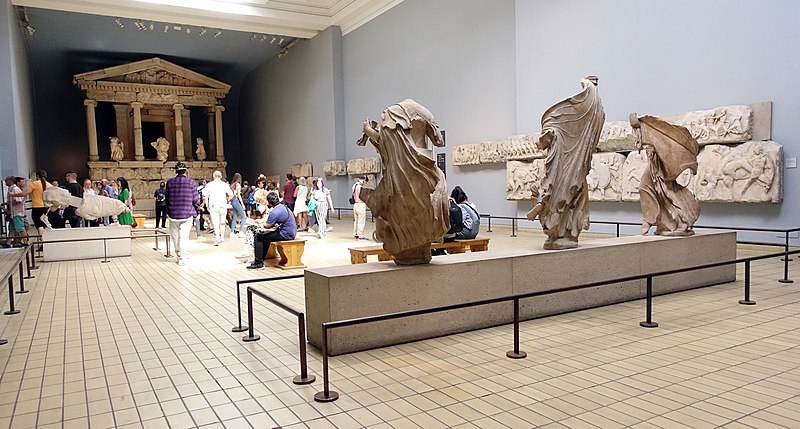
Main Hall
The main hall of the museum is the largest covered square in Europe, built in 2000, and is the center of the museum. A glass-and-steel roof covers the central reading room. In this hall, you can see a Roman equestrian statue from the 1st century, Moai from Easter Island and a 12-meter Kaiung totem pole made by the Haida people in British Columbia, Canada.
Controversial exhibits
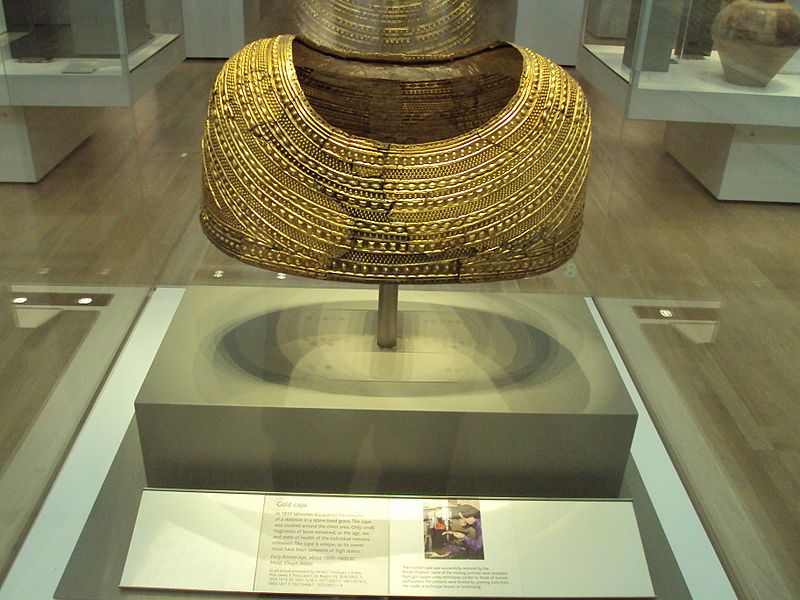
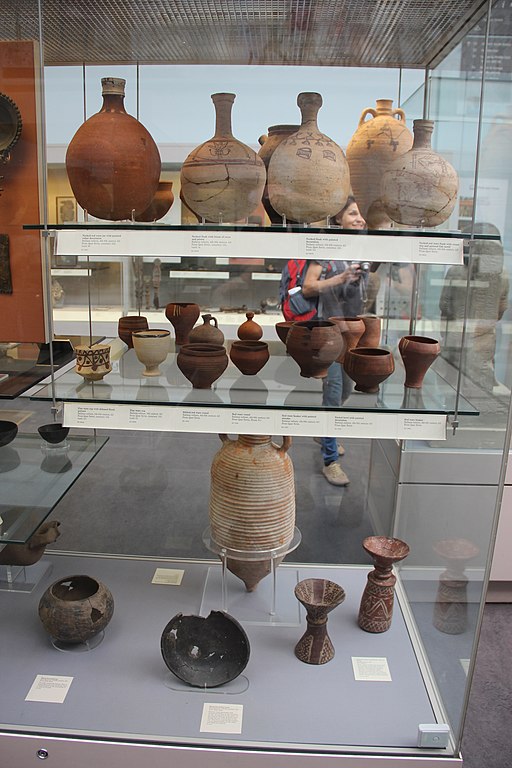
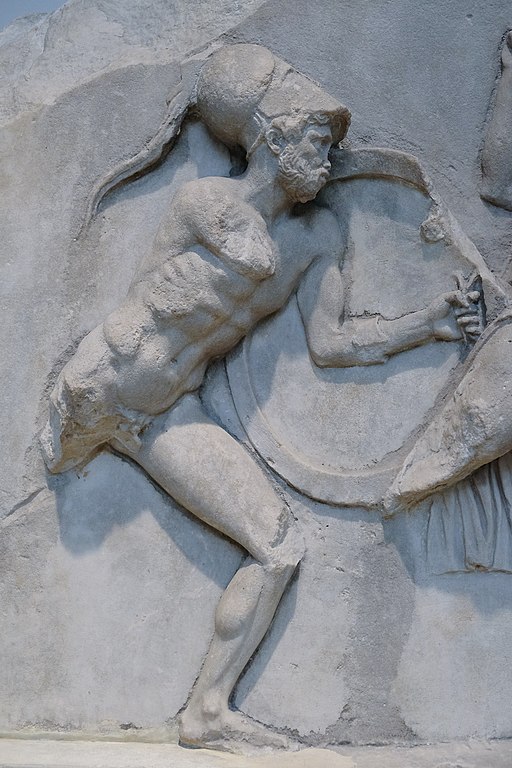
One of the most interesting facts about the British Museum is that its collection consists of rare artifacts from around the world. Many of these countries want to return their artifacts and demanded their return. However, the British Museum has categorically stated that it will not return any items. The museum only gives out its exhibits for temporary use, sometimes even to the countries from which they came.