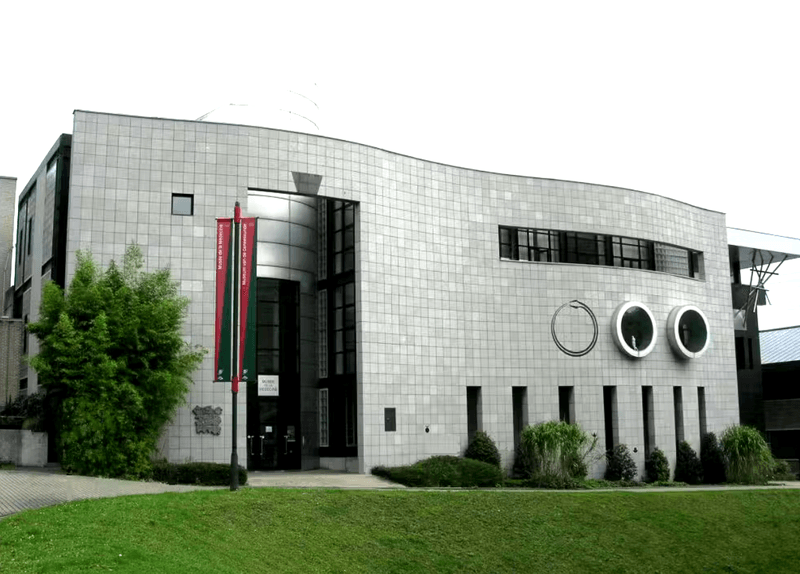
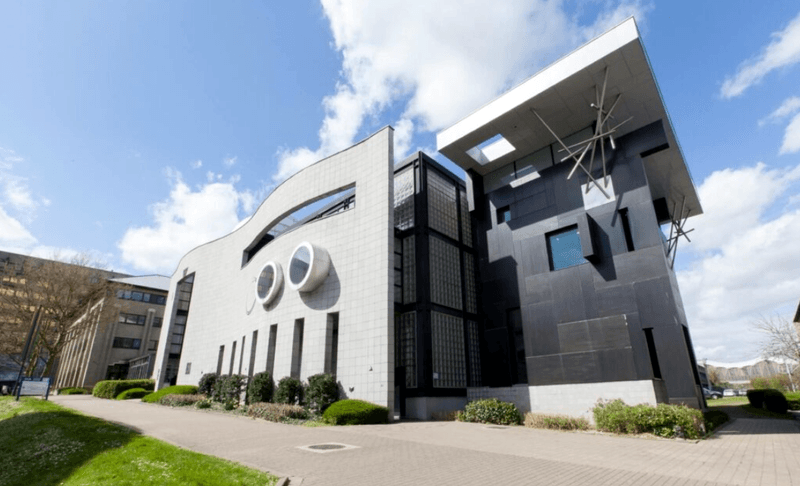
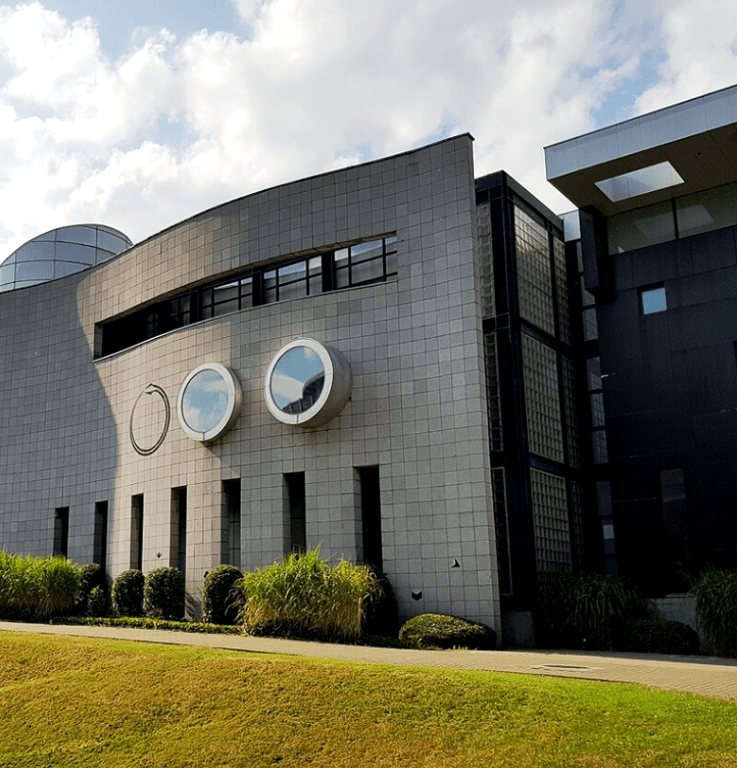
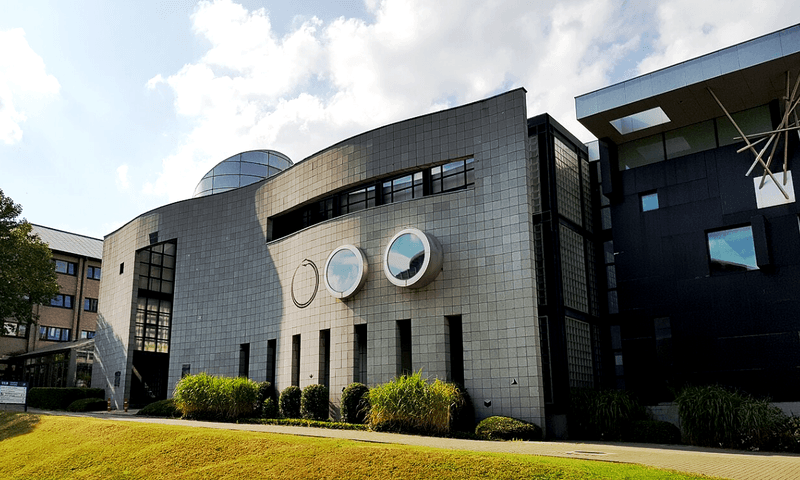
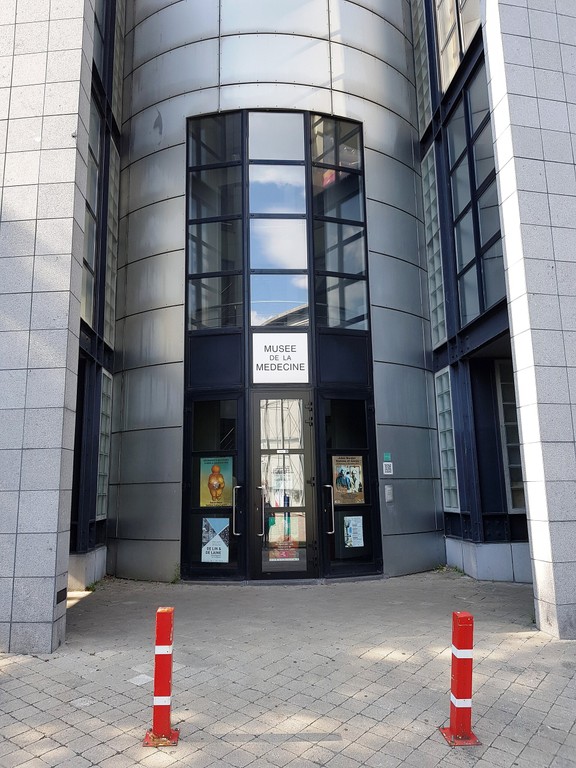
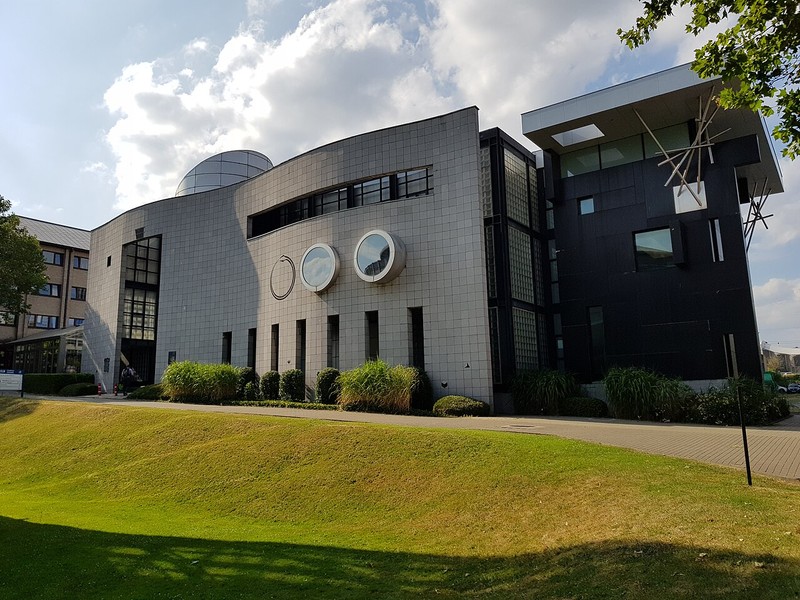
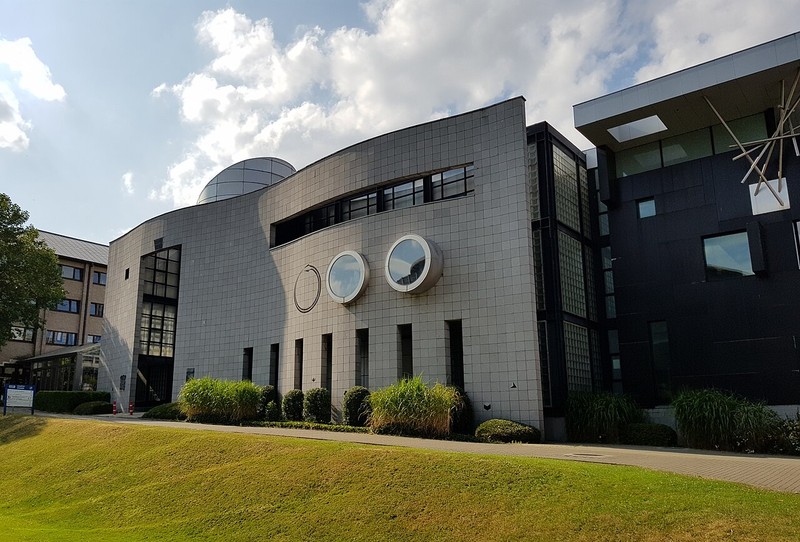
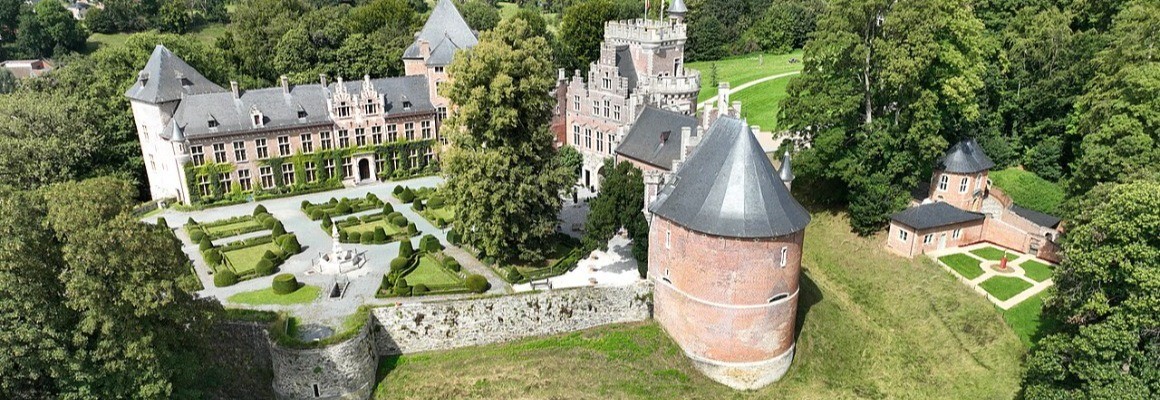
The Museum of Medicine in Brussels introduces visitors to the history of healing and the development of medical knowledge, from ancient civilizations to the present day. It is located on the Erasmus campus of the Université libre de Bruxelles in Anderlecht, next to Erasmus University Hospital. Open to the public since 1995, the museum brings together the history of science, archaeology and art.
Its collection is unusual in its range. Alongside historical medical instruments, it contains artworks, archaeological finds, anatomical models and historical documents. The exhibits show how people in different periods explained illness, searched for treatments and gradually moved from magical and religious beliefs towards the scientific study of the human body.
The history of medicine in seven rooms
The exhibition is arranged across seven rooms devoted to different aspects of medical history. Visitors can follow changing ideas about health and disease across cultures, learn about the methods used by ancient healers and see how observation, diagnosis and treatment gradually developed.
In ancient times, medical practices often combined practical knowledge with religious rituals and beliefs in supernatural forces. In the Greco-Roman world, observing symptoms and organizing medical knowledge became increasingly important. Later, advances in anatomy, particularly during the Renaissance, allowed doctors and artists to study the human body in greater detail. In the 19th century, medicine increasingly relied on experiments and new scientific methods.
Anatomical wax models
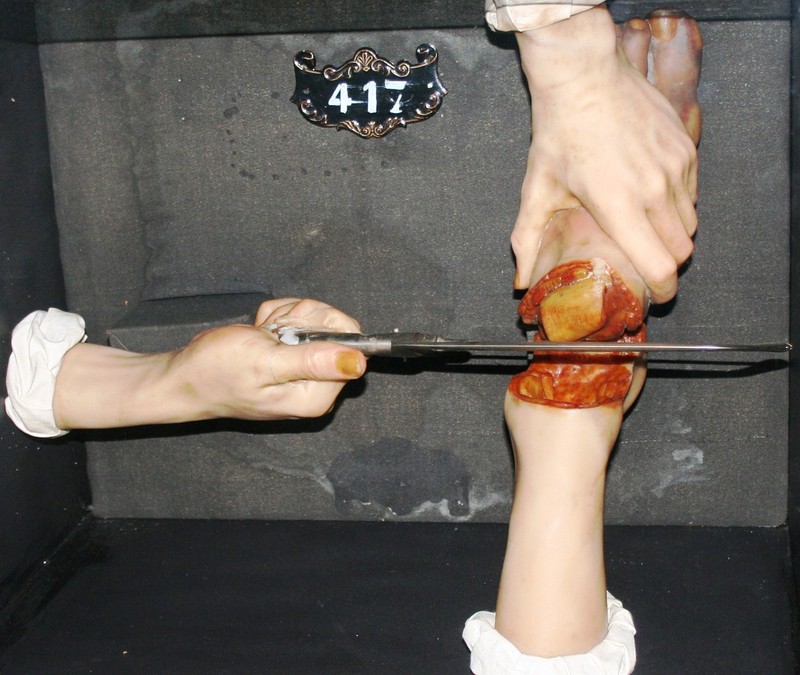
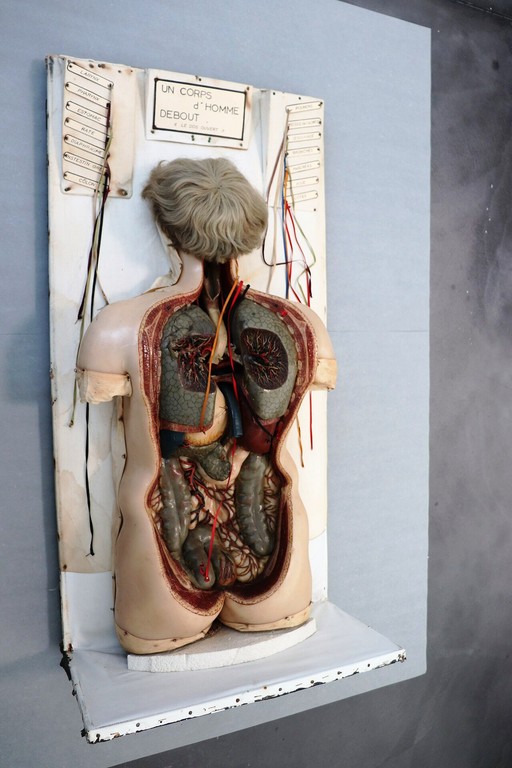
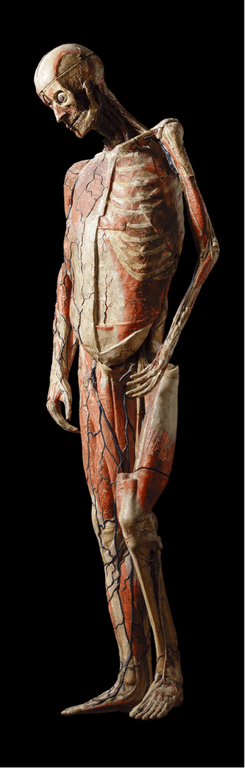
One of the museum’s most unusual sections features anatomical wax models. They were created to demonstrate the human body and were used in educational and medical collections. Their carefully crafted details allow visitors to examine body structures, individual organs and the visible effects of various diseases.
Some models realistically depict pathological changes and physical abnormalities. They offer insight into how doctors in the past studied symptoms and explained the workings of the human body. Certain displays can be graphic, so visitors who are sensitive to medical imagery should take the nature of the collection into account before entering.
Medical instruments and anatomy
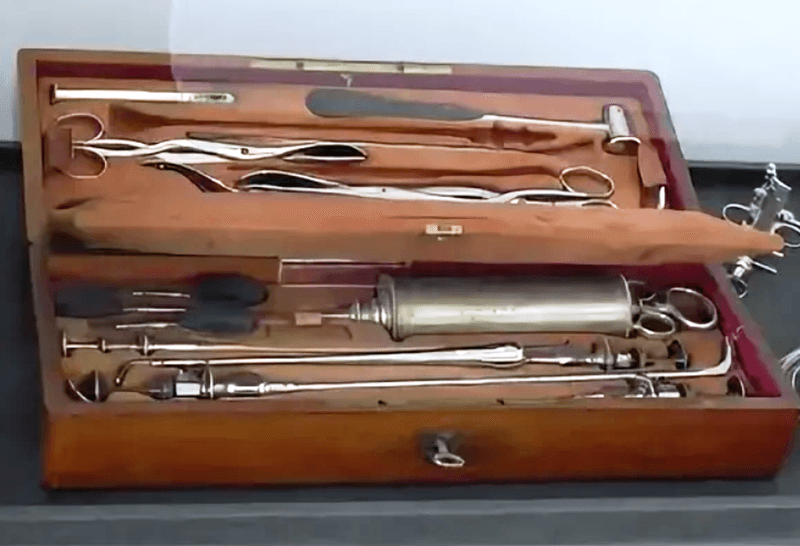
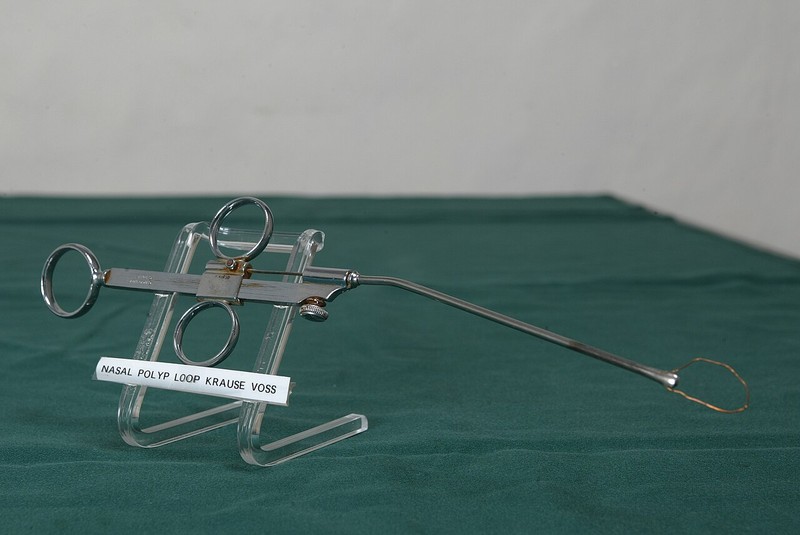
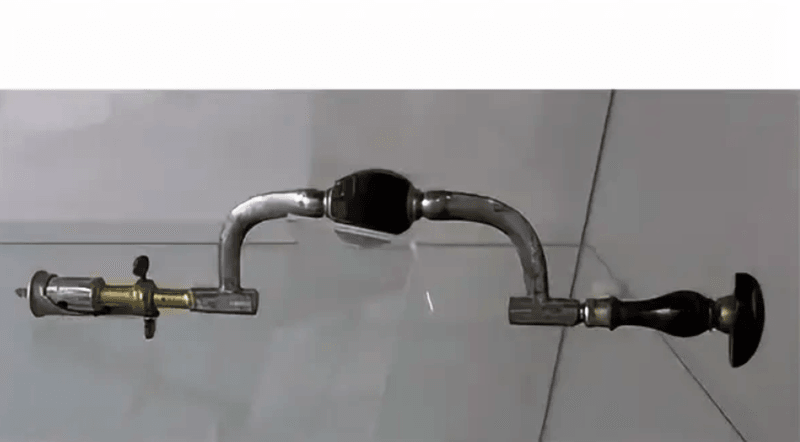
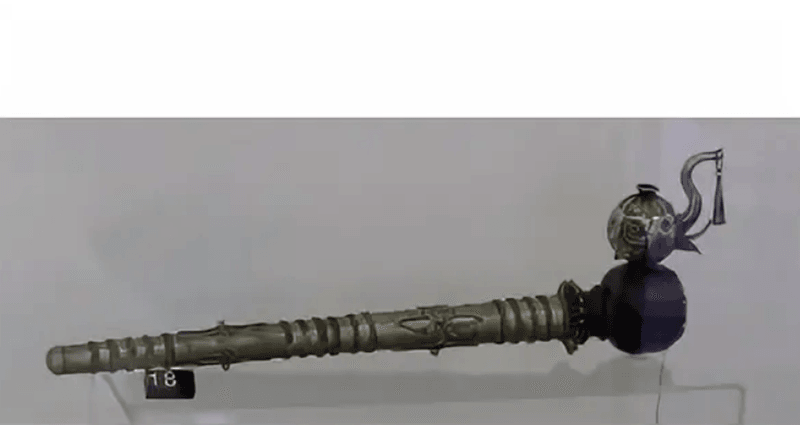
The museum displays historical tools used in medical practice, including surgical instruments and objects for examining patients. Their shapes, materials and construction reveal what doctors could do in different periods and how treatment methods evolved. Comparing older instruments with modern ones helps visitors appreciate the progress made through anatomy, surgery and scientific technology.
Anatomical illustrations, artworks and archaeological objects also play an important role. They show that medical history is connected not only with discoveries and equipment, but also with culture, religion, social beliefs and the way people understand their own bodies.
Medicine across cultures
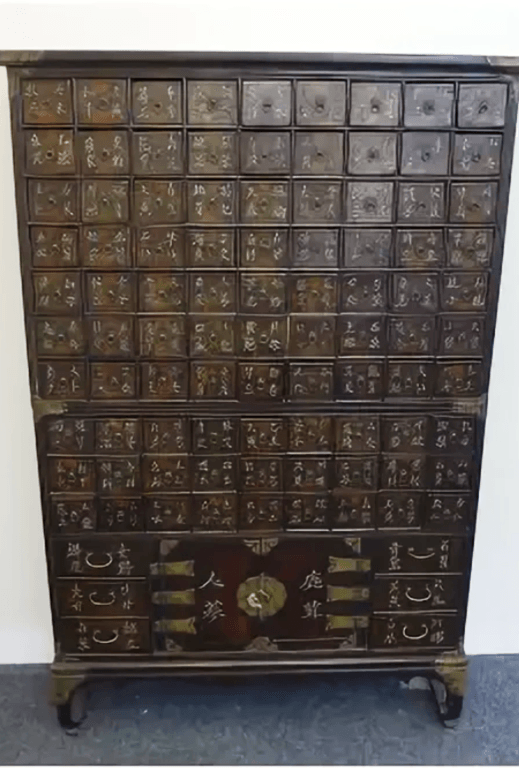
The collection devoted to world medicine introduces healing traditions from different regions and historical periods. In each society, ideas about the causes of illness and ways to restore health were shaped by local conditions, available materials, religious beliefs and accumulated experience. Comparing these traditions reveals the many paths through which medical practice developed.
Old medical books and documents are another point of interest. They record the development of anatomical knowledge, descriptions of diseases and the spread of medical ideas. These materials help explain how knowledge passed between generations and how medicine gradually became more reliant on observation and the testing of hypotheses.
Visiting the museum
The Museum of Medicine is located at Route de Lennik 808 on the Erasmus campus in Anderlecht, Brussels. It can be reached by metro line 5 to the Erasmus terminus, as well as by several bus routes. Its location beside a university hospital makes it especially interesting to people studying medicine, the history of science or anatomy, although the exhibitions are intended for a wider audience too.
According to the published schedule, the museum is open Monday to Friday from 9:00 to 16:00 and on weekends from 12:00 to 16:00. Last admission is usually at 15:00, and the museum is closed on public holidays. Admission is free on the first Sunday of each month. Check the official website before travelling, as opening hours and visitor arrangements may change.
The Museum of Medicine in Brussels offers an unusual perspective on human history through the development of knowledge about the body, illness and treatment. By bringing science together with art and archaeology, it shows how attitudes towards health and medical care have changed over the centuries.
Gallery