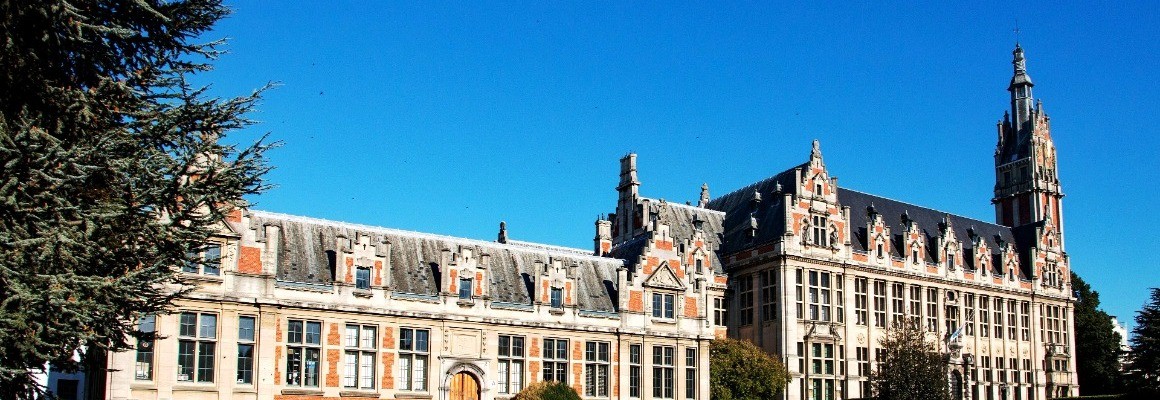
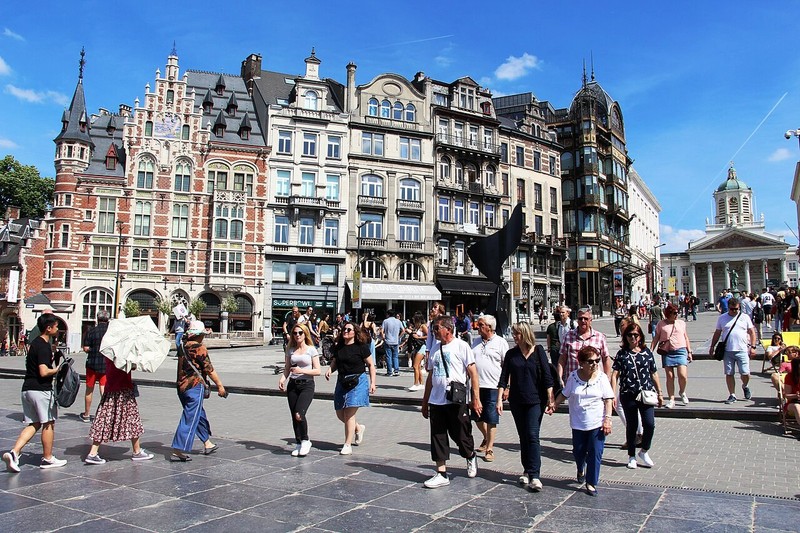
The Musical Instruments Museum in Brussels (MIM) is a well-known European museum devoted to music history and the development of musical instruments. It is located on Mont des Arts, close to the Royal Square and Brussels Central Station. Its exhibitions introduce visitors to musical traditions from different countries and periods, showing how people created instruments, refined their sound, and used music in everyday life and ceremonies.
History of the museum
The museum was founded on 1 February 1877 as part of the Brussels Royal Conservatory. Its original purpose was to give students direct access to historical instruments. The first collections included instruments assembled by Belgian musicologist François-Joseph Fétis and a group of Indian instruments presented to King Leopold II in 1876 by Rajah Sourindro Mohun Tagore.
The first curator, Victor-Charles Mahillon, played a major role in the museum’s development. He expanded the collection, established a restoration workshop, and documented the instruments. His research and catalogues contributed to organology, the scholarly study of musical instruments.
The Old England building
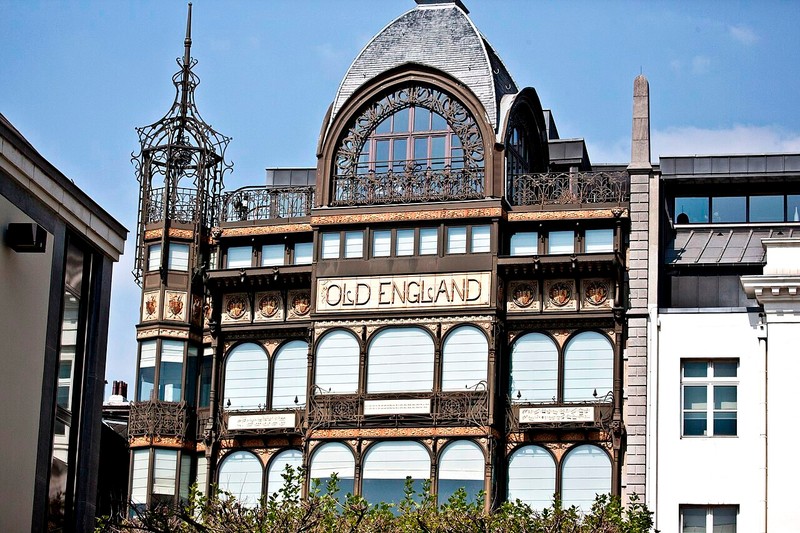
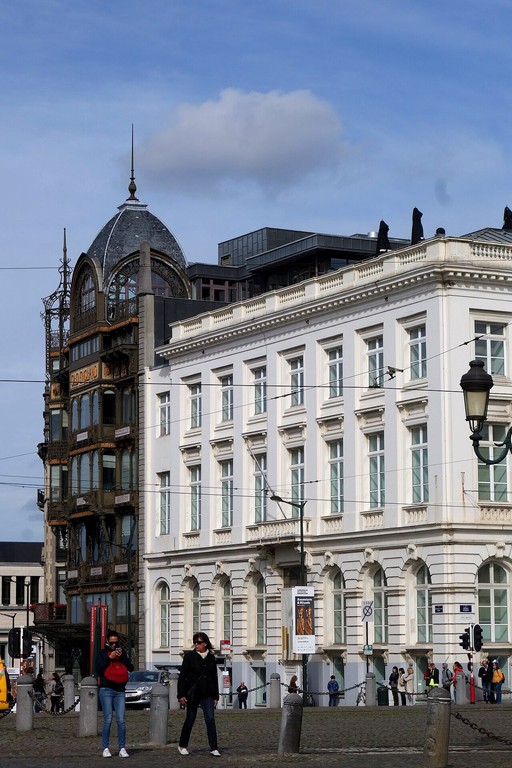
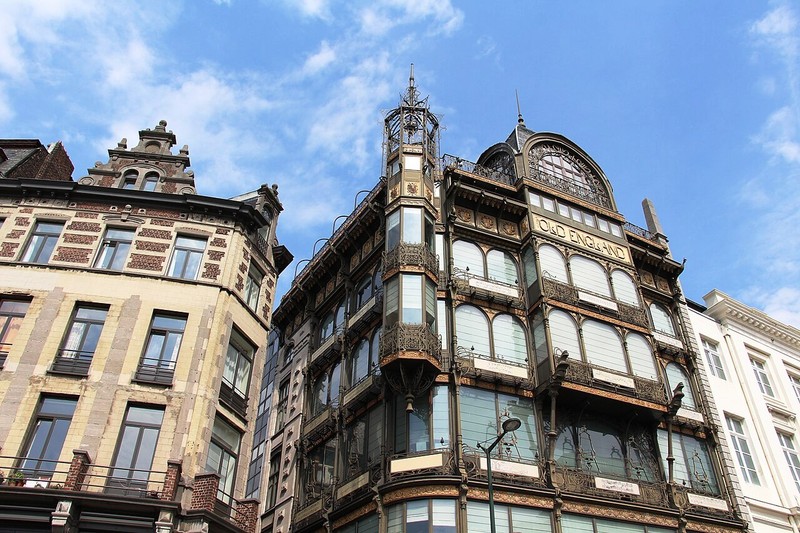
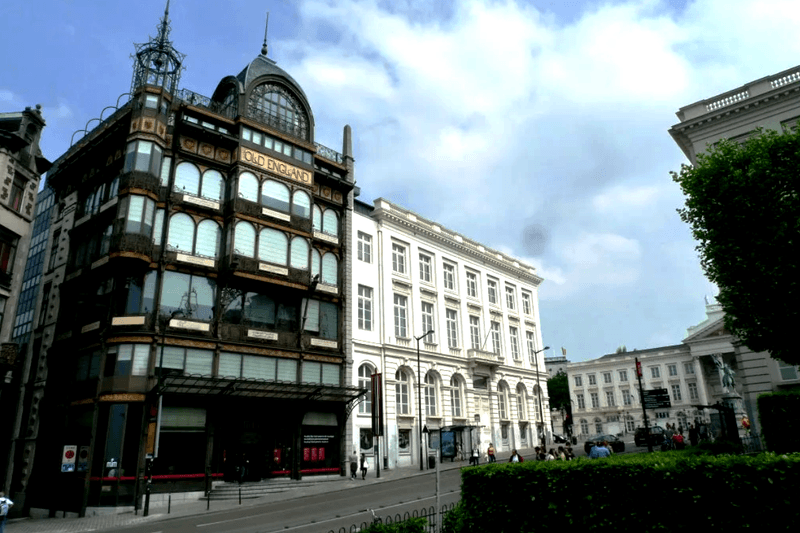
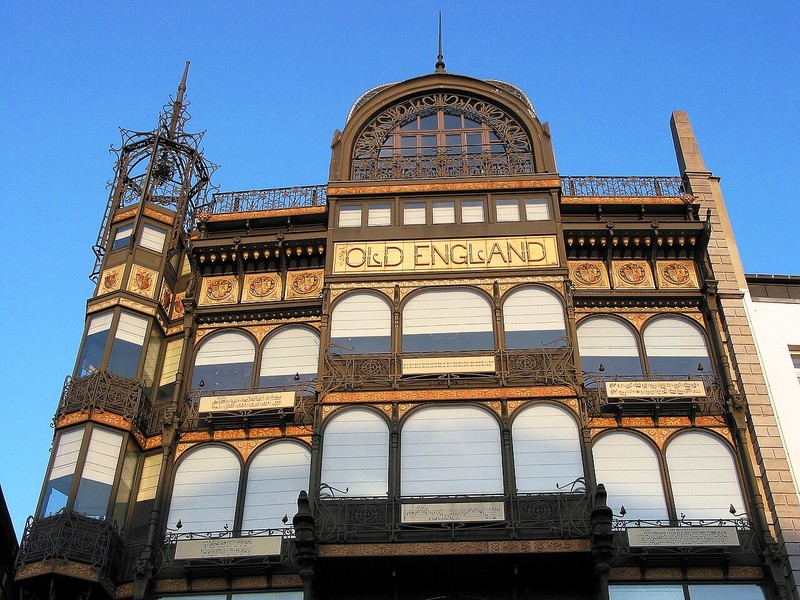
Today, the museum occupies the Old England building, designed in the Art Nouveau style by architect Paul Saintenoy. At the end of the nineteenth century, the building housed a renowned department store. Its metal framework, large windows, and decorative façade make it an architectural landmark in Brussels. The museum moved into the building and opened to the public there in 2000.
Four floors of exhibitions present instruments from different regions and musical traditions. Historic architecture is combined with modern museum displays, making the building itself part of the visit.
The musical instrument collection
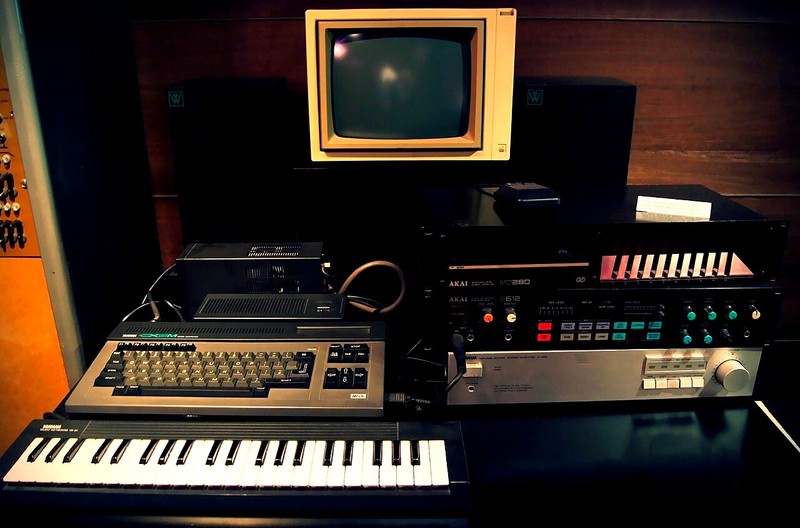
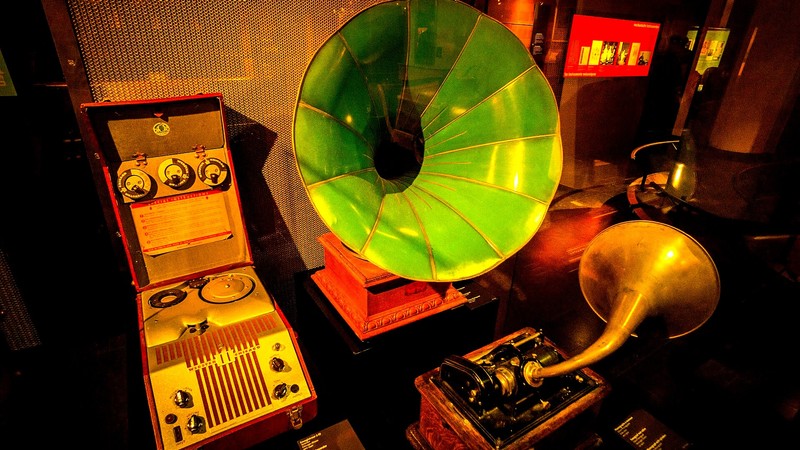
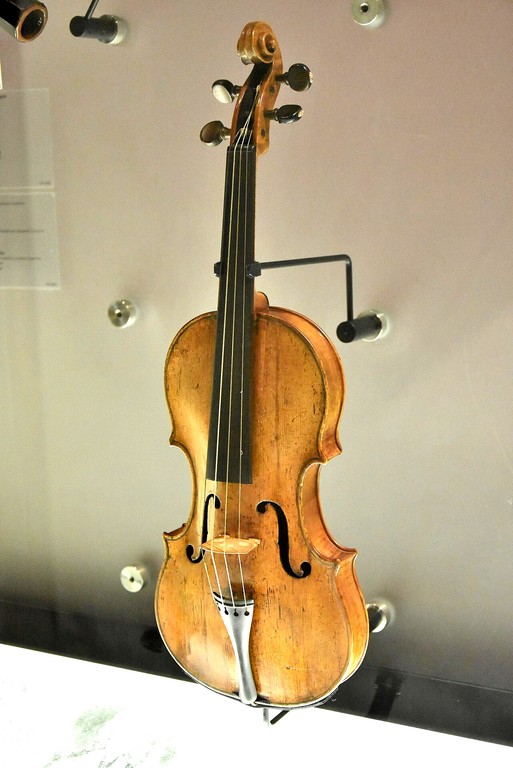
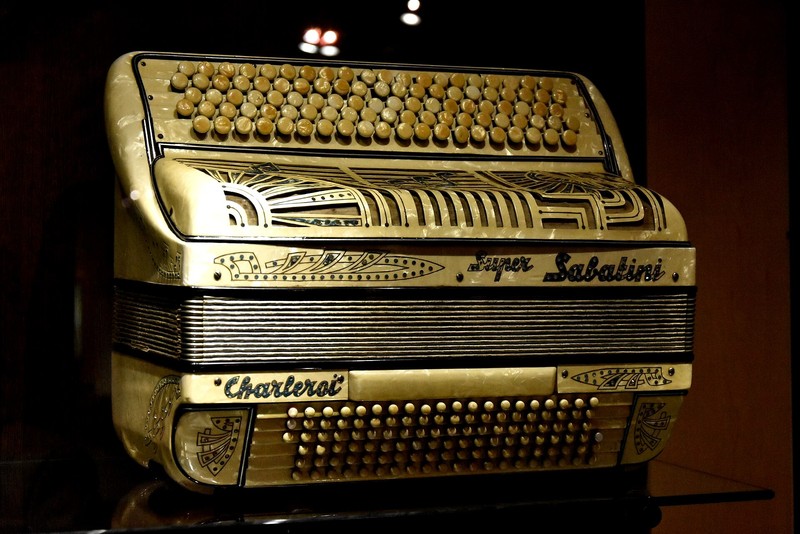
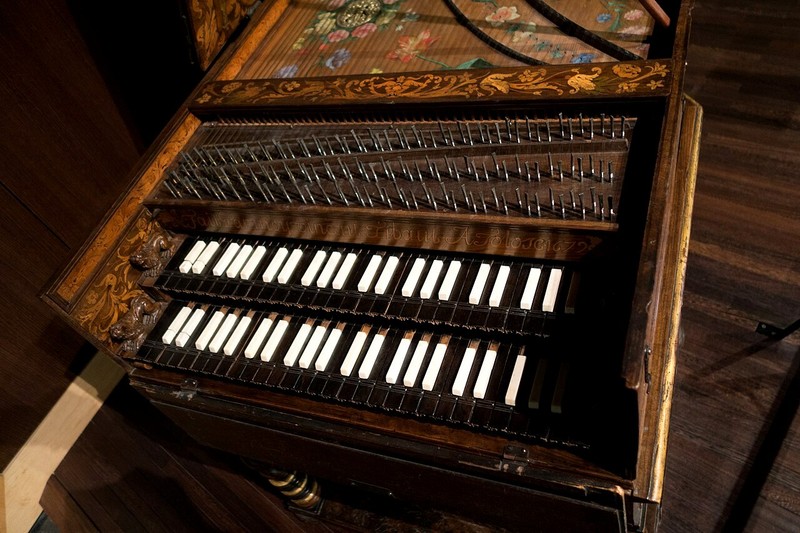
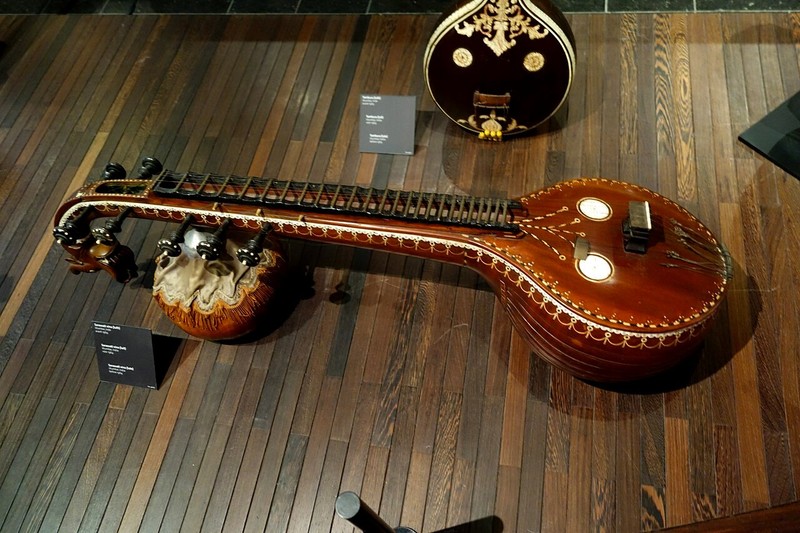
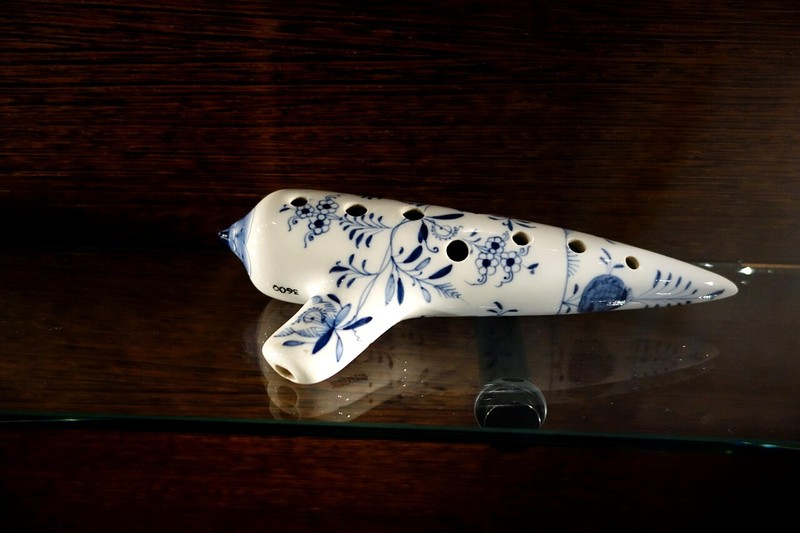
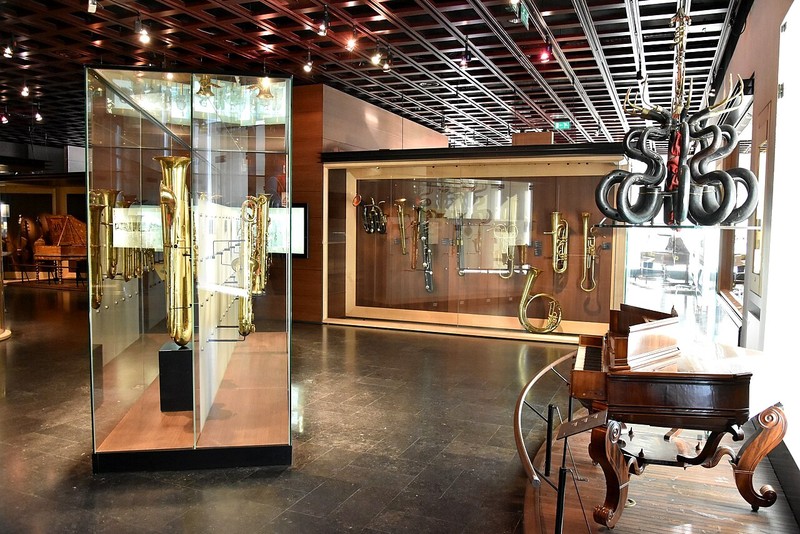
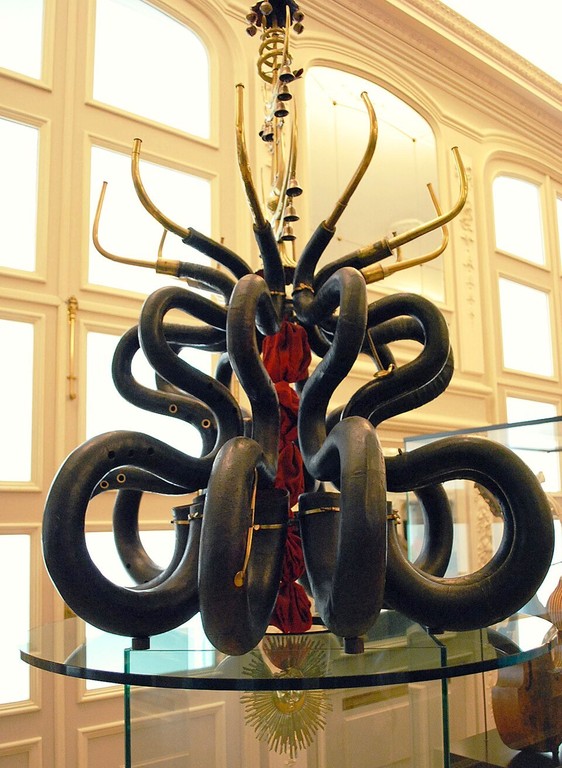
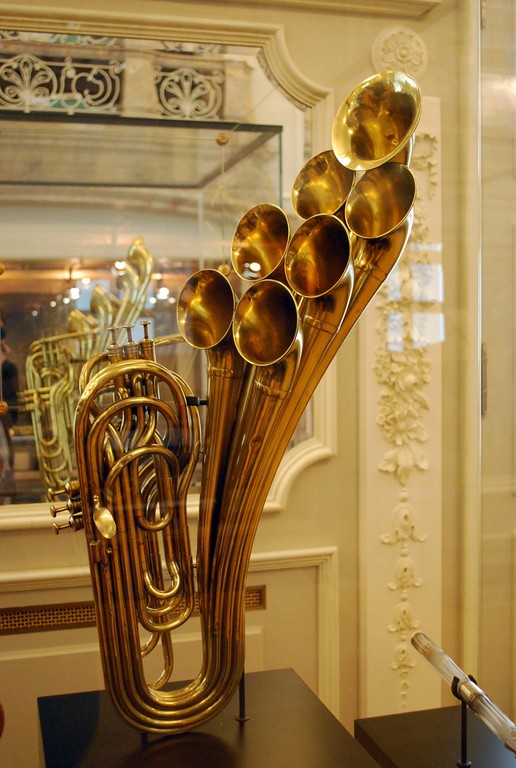
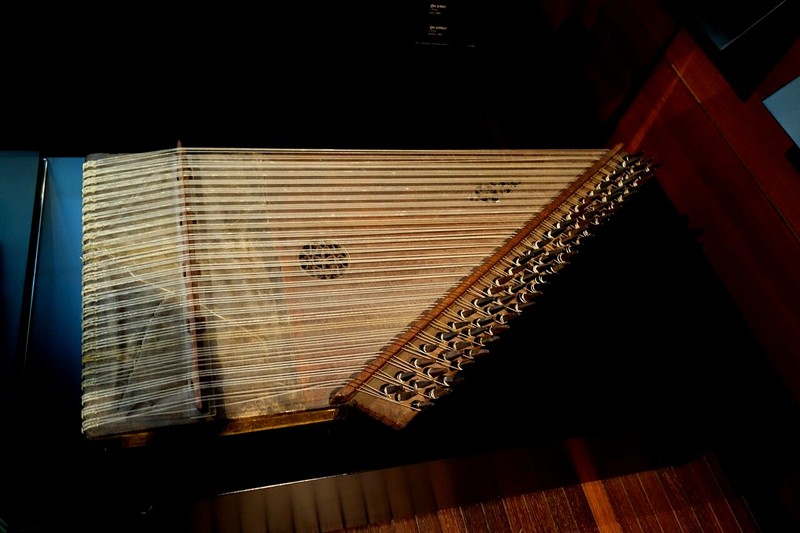
MIM’s collection contains thousands of instruments from around the world. Visitors can explore string, wind, keyboard, percussion, and electronic instruments, as well as objects associated with folk and traditional music. The displays reveal the variety of materials, shapes, and methods used to produce sound.
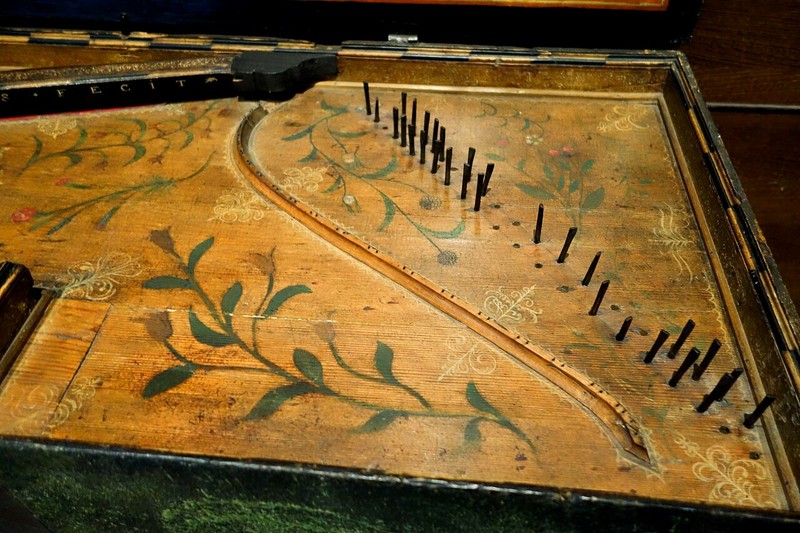
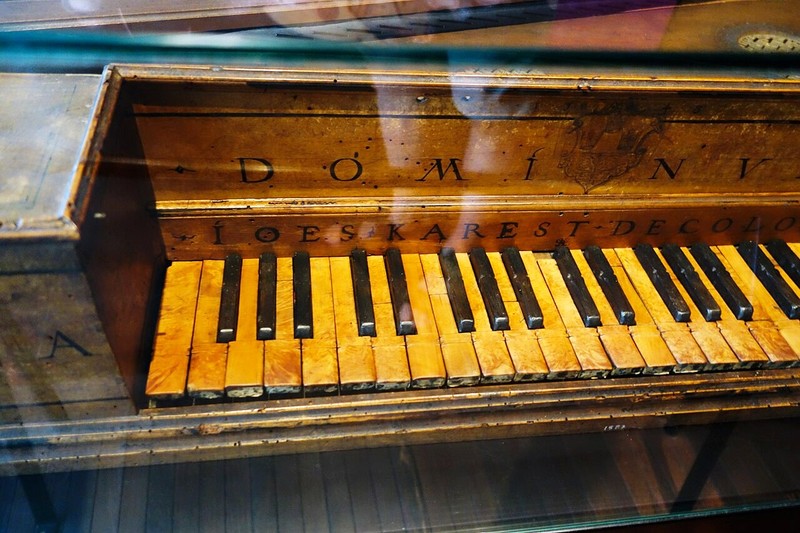
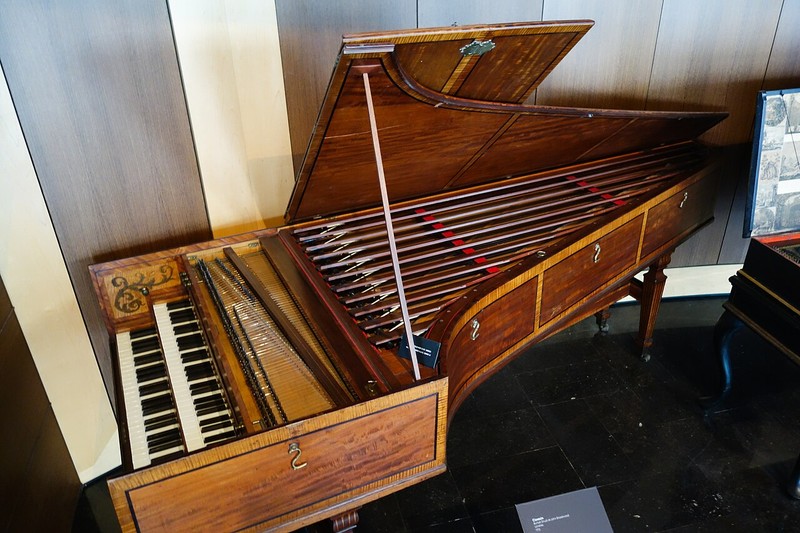
Notable objects include historical saxophones, among them one of the oldest surviving examples known, and richly decorated harpsichords made by members of the Ruckers family. The collection also features instruments connected with court music, European concert traditions, and musical cultures from other parts of the world.
Music from around the world
The museum goes beyond European classical music. Instruments from Asia, Africa, and other regions demonstrate their roles in festivals, religious ceremonies, and traditional ensembles. Comparing instruments from different cultures helps visitors understand how musical traditions developed and how similar principles of construction can appear in different places.
A distinctive feature of MIM is the opportunity to listen to the sounds of displayed instruments through a special audio system. This makes it easier to imagine them in performance and to appreciate the differences in tone and timbre.
Other facilities
MIM also has a concert space, a specialist library, a museum shop, and facilities for educational activities and workshops. The library holds books, images, and audiovisual resources about musical instruments. Programmes for different age groups make the museum appealing to music lovers, students, and researchers alike.
The museum is located at Rue Montagne de la Cour 2, 1000 Brussels, Belgium. According to its published schedule, it is open Tuesday to Friday from 9:30 am to 5 pm and Saturday and Sunday from 10 am to 5 pm. It is closed on Mondays and certain public holidays. Ticket sales end at 4 pm. Check the official website before visiting for the latest information.
Gallery
Nearby attractions