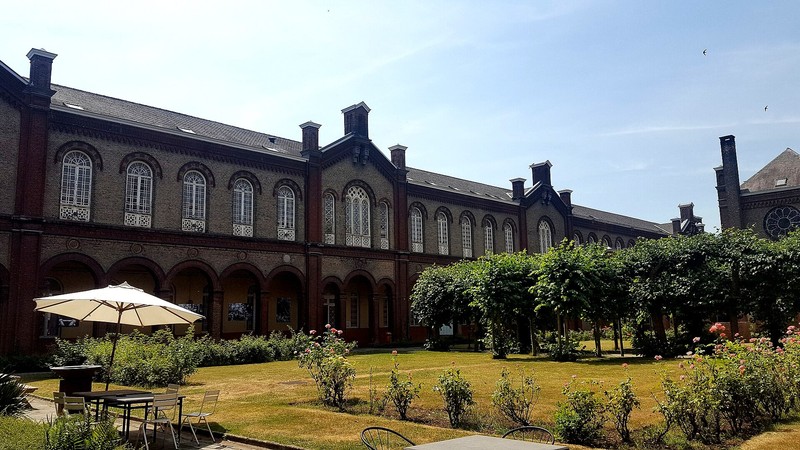
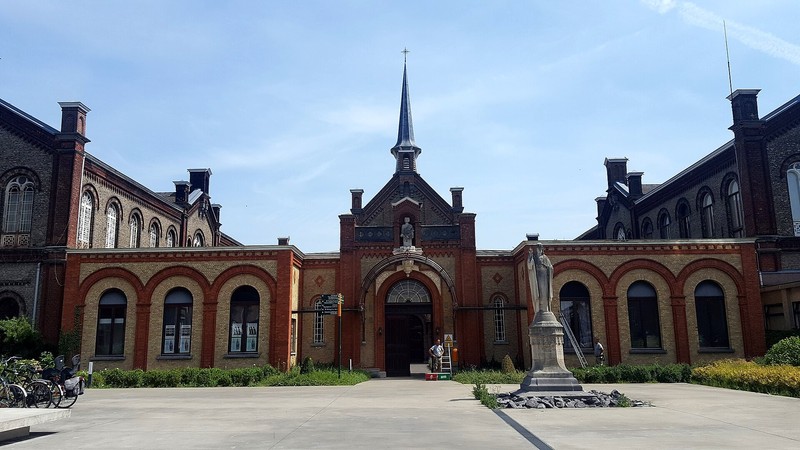
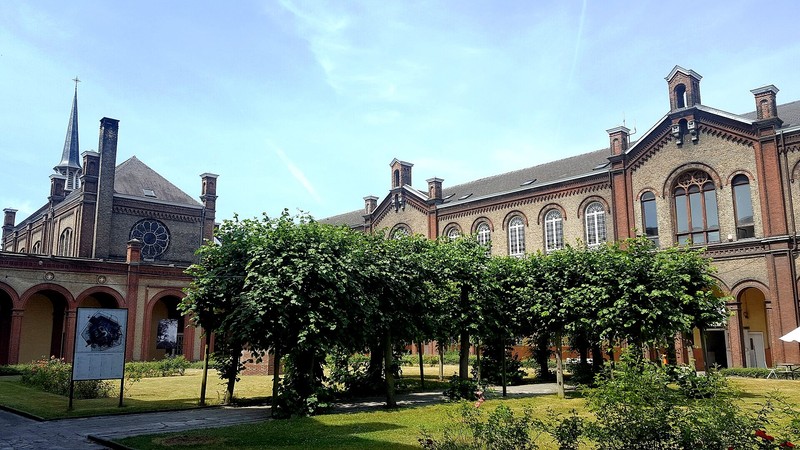
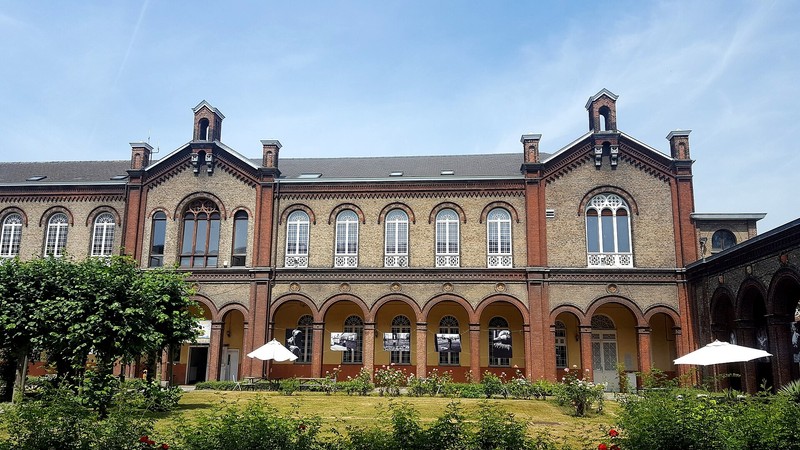
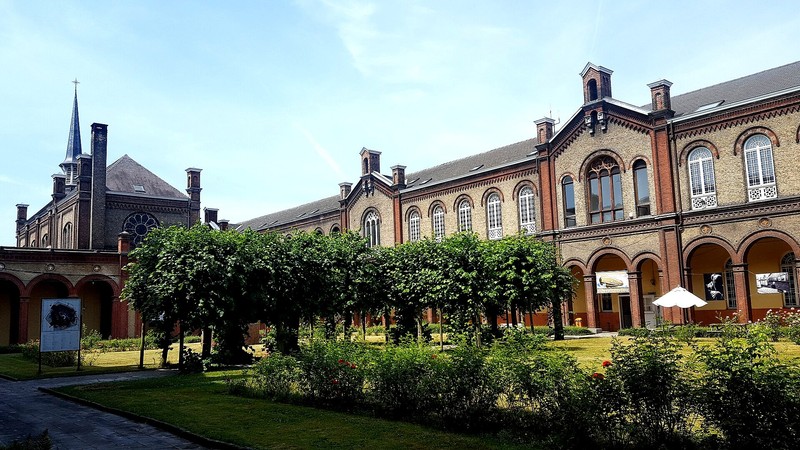
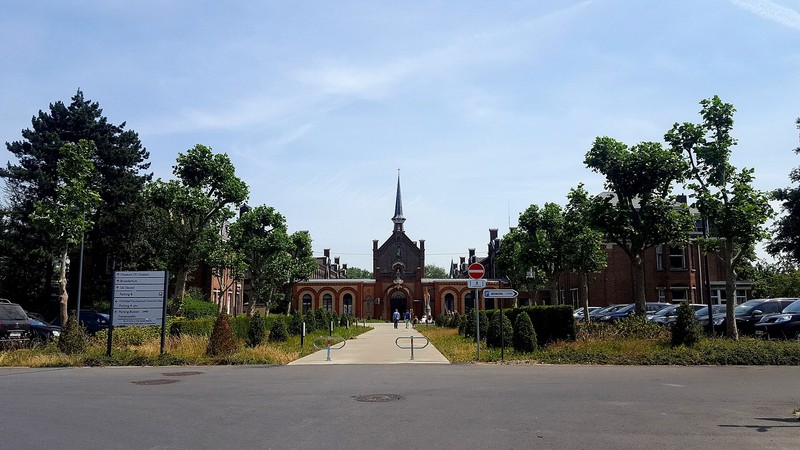
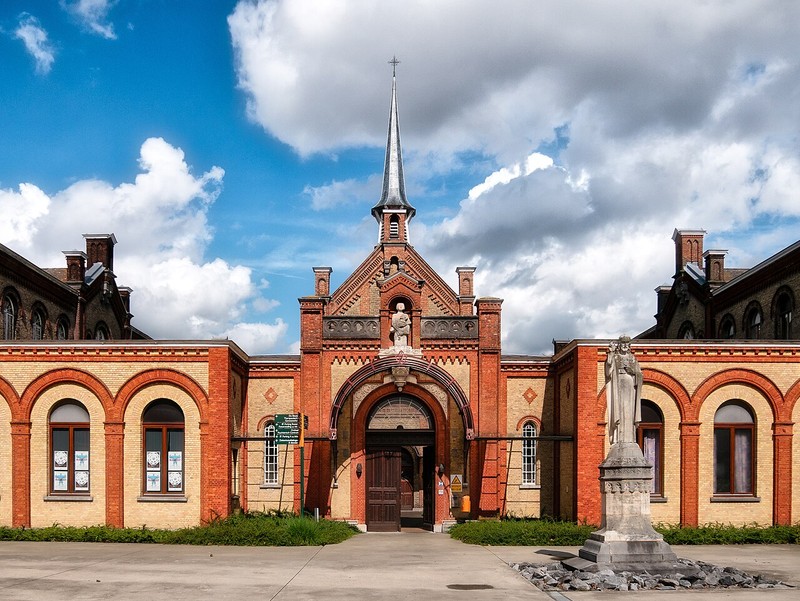
The Dr. Guislain Museum is located in Ghent, within the historic complex of a former psychiatric hospital opened in 1857. The museum explores the history of psychiatry, changing medical ideas about mental illness and society’s attitudes towards people with psychiatric diagnoses. Its exhibitions show how treatment methods, patient conditions and scientific views of the human mind have evolved.
The museum occupies a building associated with Belgian physician Joseph Guislain. He was a pioneer of modern psychiatry and advocated more humane treatment for patients. He believed that hospital architecture, daily routines and meaningful activity could all play a role in care. The historic complex is therefore significant for its architecture as well as its collections.
The hospital and Dr. Guislain
Joseph Guislain sought to change the way people with mental disorders were treated, viewing them primarily as patients who needed medical care rather than as dangerous people who should be isolated from society. The new institution was built outside the city of that time, in a quieter setting. Its design reflected the idea that space, routine and living conditions could influence patients’ well-being.
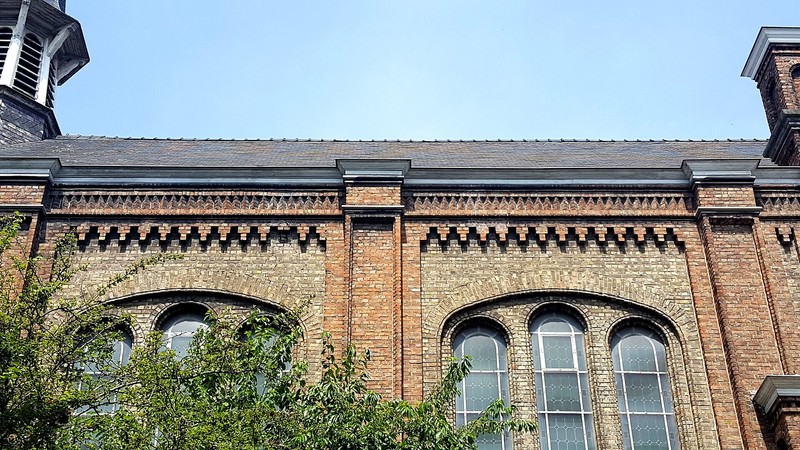
The hospital building was completed in 1857. Today, the complex forms an important part of Ghent’s heritage and is protected as a historic monument. The Dr. Guislain Museum opened in 1986, turning part of the institution’s history into a permanent public exhibition.
Collections and the history of psychiatry
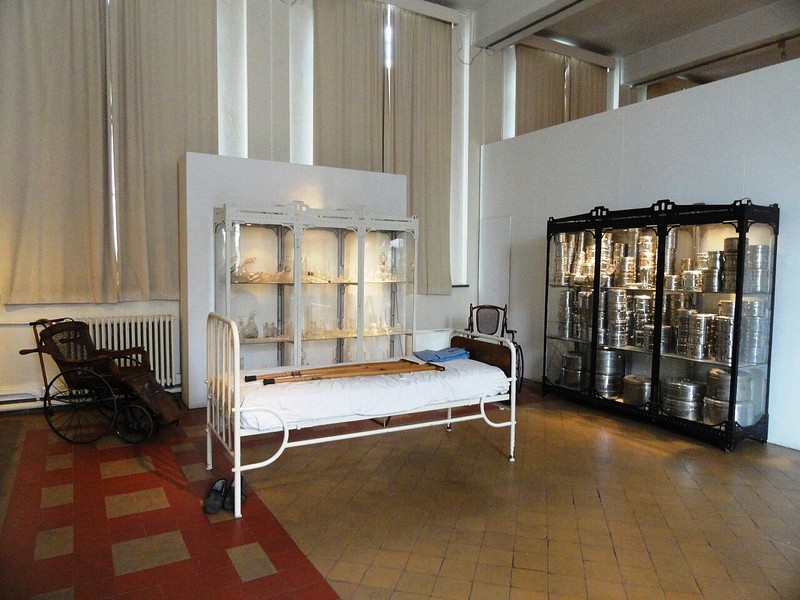
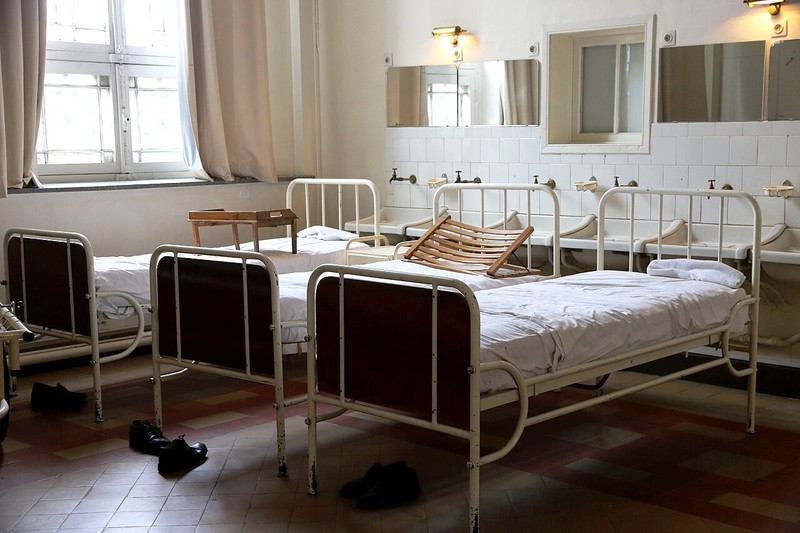
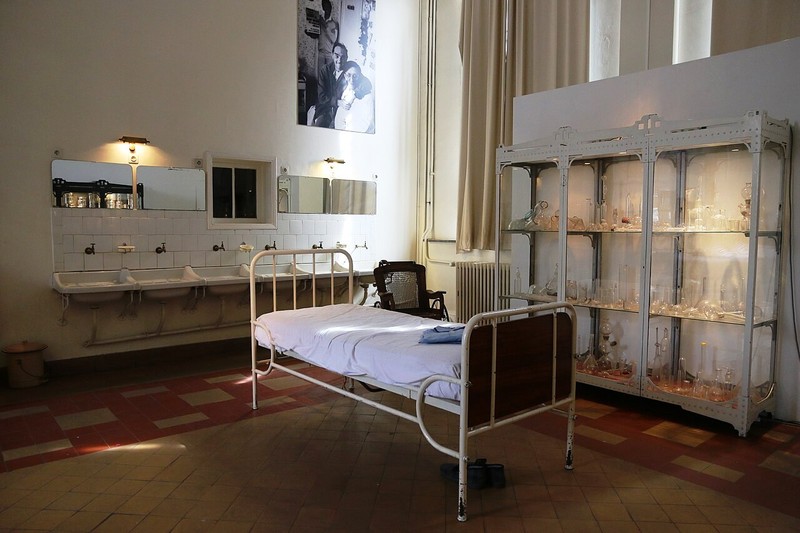
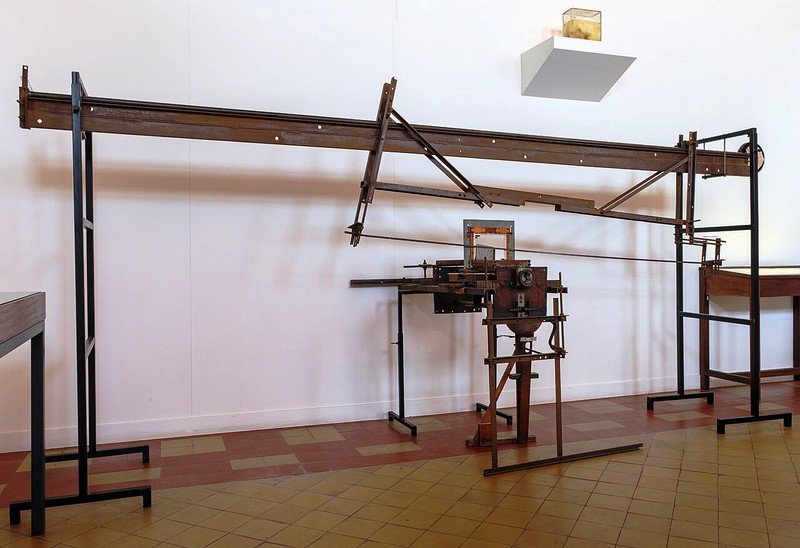
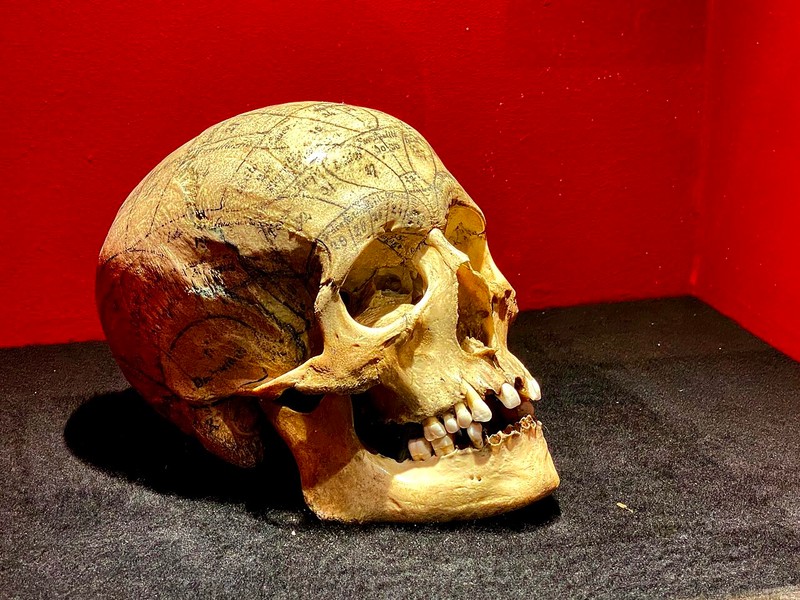
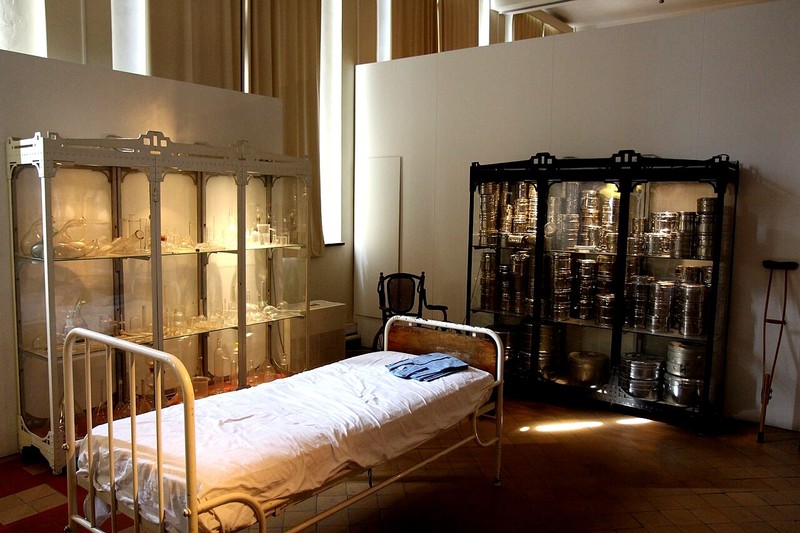
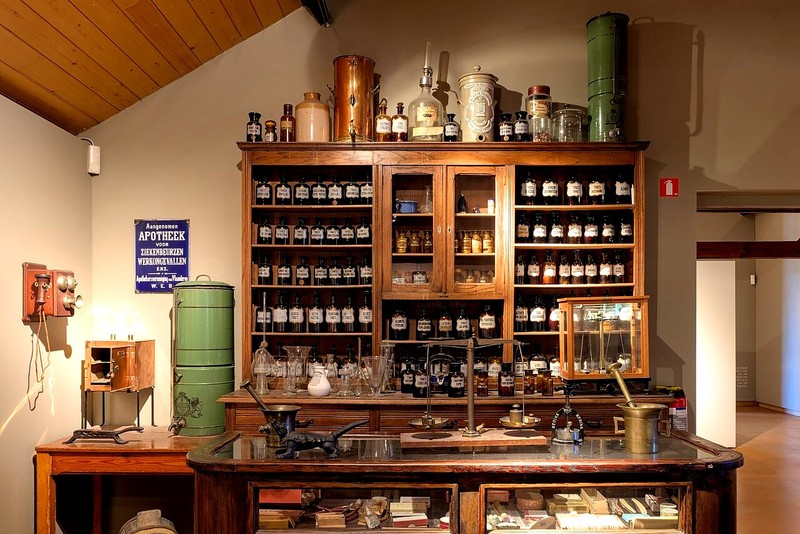
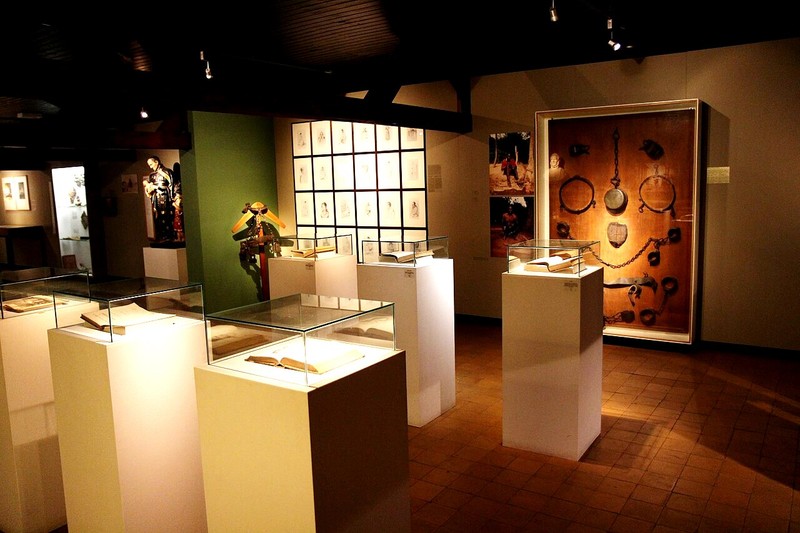
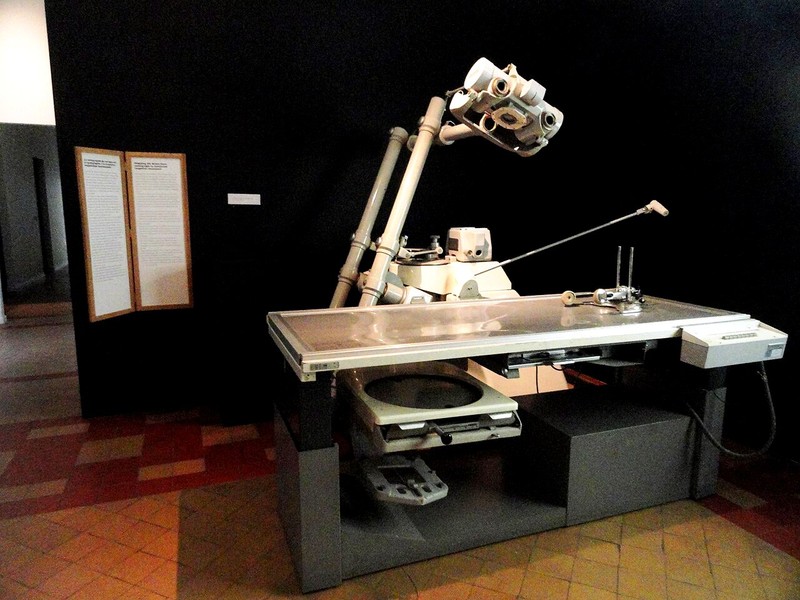
The museum displays medical instruments, historical documents, photographs, books and objects associated with everyday life in psychiatric institutions. Together, they illustrate changes in diagnosis, treatment and patient care over time. The exhibitions also examine psychiatry as a medical discipline and society’s changing ideas about normality and illness.
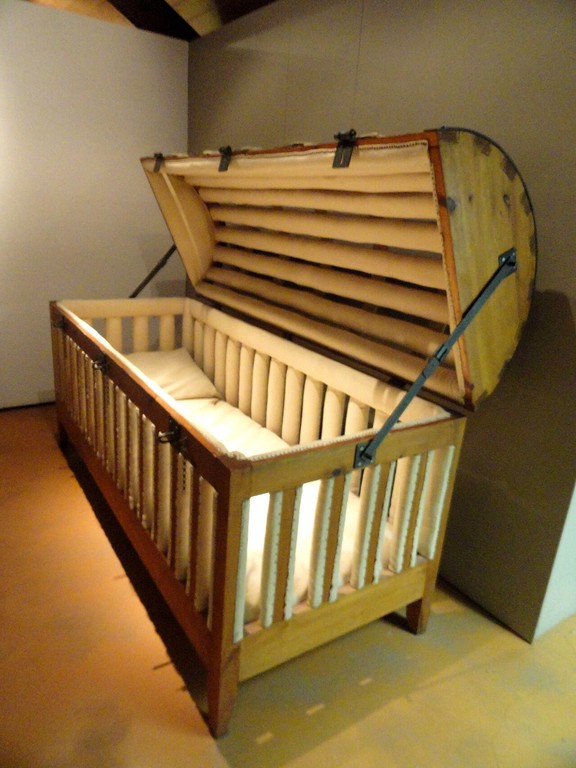
Some historical objects may be disturbing, including material related to restrictive practices used in the past. The museum’s purpose, however, is not simply to shock visitors. It aims to document how people with mental health conditions were treated and encourage a critical understanding of that history.
Art and contemporary perspectives on mental health
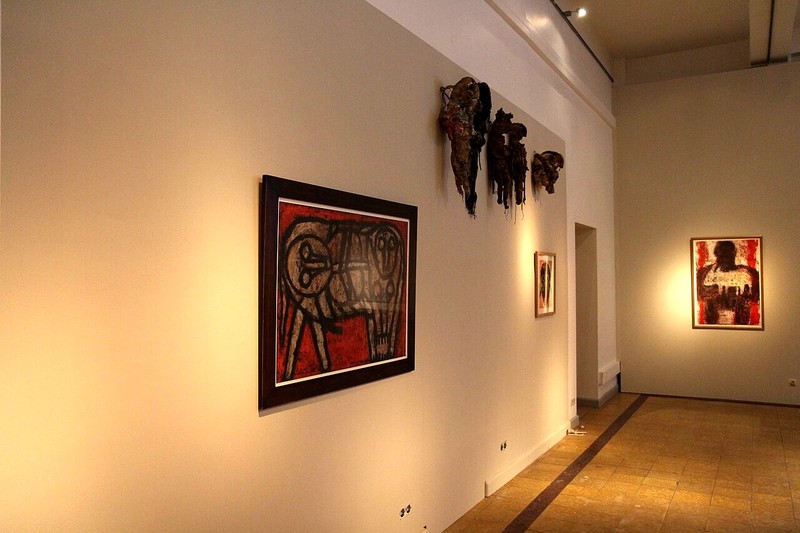
Art is another important part of the museum’s work, including works by artists operating outside conventional professional art circles. These collections explore the connections between personal experience, mental well-being and society’s ideas about creativity. Exhibitions invite visitors to question stereotypes about what is considered normal, unusual or artistically significant.
The Dr. Guislain Museum will interest visitors curious about medical history, psychology, architecture and culture. A visit offers an opportunity to explore the complex history of psychiatry and see how scientific ideas, treatment conditions and social attitudes have changed. Check the museum’s official website before visiting for current exhibitions and opening hours.
Gallery